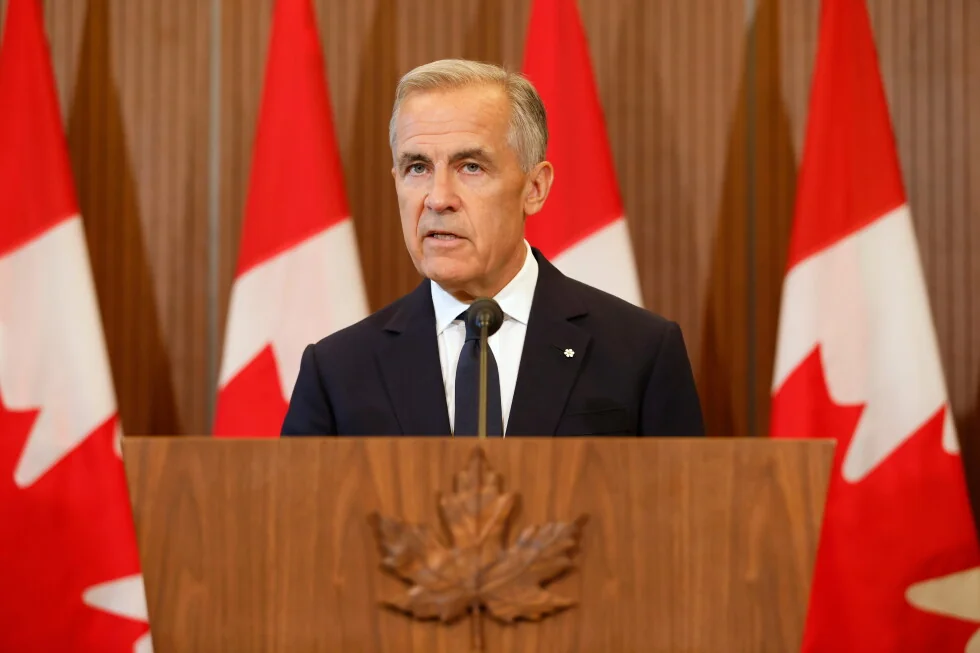
Fact check: Trump claims U.S. banks cannot operate in Canada — this assertion is incorrect.
September 8th, 2026
Fact check: Trump claims U.S. banks cannot operate in Canada — this assertion is incorrect.
🇺🇸 English
在週三被問及與加拿大的貿易衝突時,總統唐納德·川普錯誤地宣稱,美國銀行被禁止與其北方鄰國進行商業往來。
這項指控是在白宮橢圓形辦公室與美國旅遊業高層會晤時提出的,當時一名記者詢問川普,兩國之間是否有重啟貿易談判的計劃。
專家指出,儘管美國銀行在加拿大可能遭遇若干營運上的制約,但並未受到明文禁止而無法在當地開展業務。
以下為事實的詳盡分析。
川普:「他們在這裡設有銀行——加拿大銀行,以及他們所有的大型銀行,都是規模宏大且體面非凡的機構。
據我所知,他們在此地有六、七家主要銀行。
我們在當地卻沒有我們的銀行。
你知道為什麼嗎?
因為他們不允許。」
事實:據加拿大銀行家協會發言人所述,目前有十五家美國銀行以分行或子公司的型態在加拿大營運。
專家指出,儘管若干限制可能使美國銀行在加拿大市場的競爭備受阻礙,但它們仍可自由進入該市場。
根據聯準會最新數據,則有八家加拿大銀行在美國境內運作。
值得注意的是,加拿大銀行並未包含其中——該機構實為加拿大的中央銀行,其地位相當於美國的聯準會,而非商業性質的企業實體。
「我認為部分困惑實源自美加兩國監管體系的差異,」加拿大安大略省滑鐵盧大學金融學教授詹姆斯·湯普森說。
「美國銀行確實被允許在加拿大營運,但他們選擇進入加拿大市場的方式會影響他們能做的事情。」
加拿大銀行體系分為三大類別——附表I、附表II及附表III。
本土銀行屬於附表I,其中六家主要機構的合併資產總額超過其餘二十八家較小銀行的總和。
外國實體可選擇以附表II或附表III銀行形式營運。
附表II銀行是在加拿大註冊的外資子公司,基本上受與本國銀行相同的銀行架構監管。
附表III銀行則為在加拿大註冊的外國銀行分行,不具加拿大法人資格,因此須面對高存款門檻等監管限制。
多數美資銀行以附表III機構形式在加拿大營運。
加拿大銀行家協會發言人納塔莉·貝熱龍指出,在加拿大境內營運的美國銀行分行及其子公司,其合併資產總額約達1240億加元(折合901億美元),此數額佔外國銀行子公司與分行所持有總資產的半數以上。
「這些銀行專注於提供一系列金融服務,包括企業和商業貸款、國庫服務、信用卡產品、投資銀行及抵押貸款融資,」她說。
「它們不僅服務跨境商業活動的客戶,也服務加拿大國內零售市場。」
在加拿大營運的主要美國銀行機構包括摩根大通銀行、花旗銀行、美國銀行、第一資本及富國銀行。
加拿大銀行法規對附表II和附表III銀行均設有限制。
加拿大智庫C.D. Howe研究所主席兼執行長、金融與貨幣政策專家傑里米·克羅尼克解釋,附表III銀行不得接受低於15萬加元(約7萬2529美元)的存款,因此多數人無法將其用作零售銀行。
他補充,附表II銀行作為外國母公司的獨立法律實體,須自行建立當地資本與流動性結構,從銀行角度而言,此安排效率較低。
此類監管限制,極可能是多數美資銀行選擇不涉足加拿大市場的關鍵因素。
依據聯準會統計,美國本土商業銀行總數逾三千七百家,然而在加拿大境內營運者,僅有十五家。
「加拿大市場相對有限,而現有的本國銀行已是規模龐大的機構,擁有穩固的品牌、廣泛的分行網絡及長期的客戶關係,」湯普森說。
「對於考慮進入的美國銀行而言,建立必要基礎設施以競爭加拿大零售客戶將成本高昂,且初期在如此有限的市場中僅能取得極小份額。」
白宮尚未就置評請求作出任何回應。
這則報導最初於2026年9月3日發布,並於同年9月8日更新,以修正加拿大營運的美國銀行分行及子公司之資產數據。
其總資產約為901億美元,實際數額取決於匯率,而非先前所載的9.04億美元。
September 8th, 2026
Trending Articles
Buffett steps down as Berkshire chairman, succession plan moves to the next stage
巴菲特卸任波克夏董事長,接班計畫邁向下一步
Buffett steps down as Berkshire chairman, succession plan moves to the next stage
巴菲特卸任波克夏董事長,接班計畫邁向下一步
Trump expands media ban, barring CNN, MS NOW and Politico from the White House
川普擴大媒體禁令,禁止CNN、MS NOW和Politico進入白宮
Trump expands media ban, barring CNN, MS NOW and Politico from the White House
川普擴大媒體禁令,禁止CNN、MS NOW和Politico進入白宮
Bank of Japan raises interest rates to 1.25%, a 31-year high
日本央行加息至1.25%,31年新高
Bank of Japan raises interest rates to 1.25%, a 31-year high
日本央行加息至1.25%,31年新高
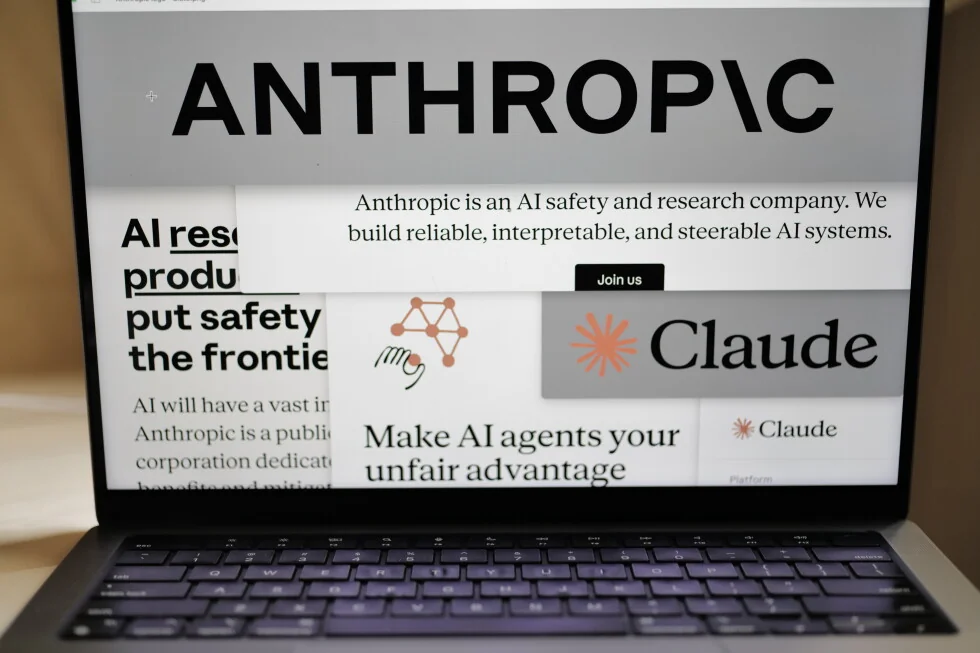
Anthropic says its model Claude is helping to develop its own next version.
Anthropic 稱其模型 Claude 正協助開發自身下一版本
Anthropic says its model Claude is helping to develop its own next version.
Anthropic 稱其模型 Claude 正協助開發自身下一版本
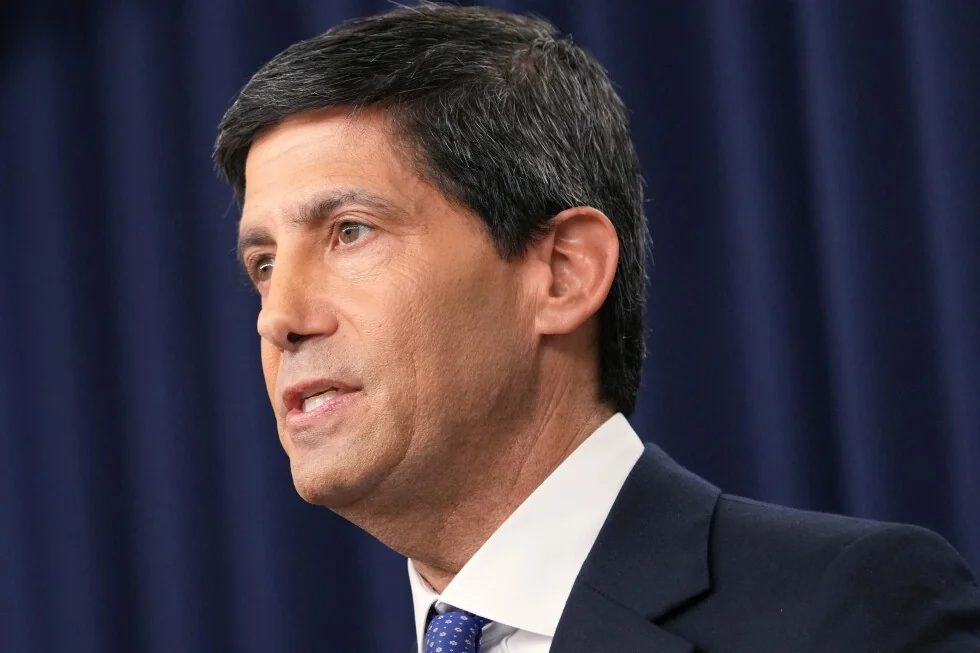
Why is the Fed raising rates now? What does this mean?
聯準會為何現在升息?這代表什麼意義
Why is the Fed raising rates now? What does this mean?
聯準會為何現在升息?這代表什麼意義
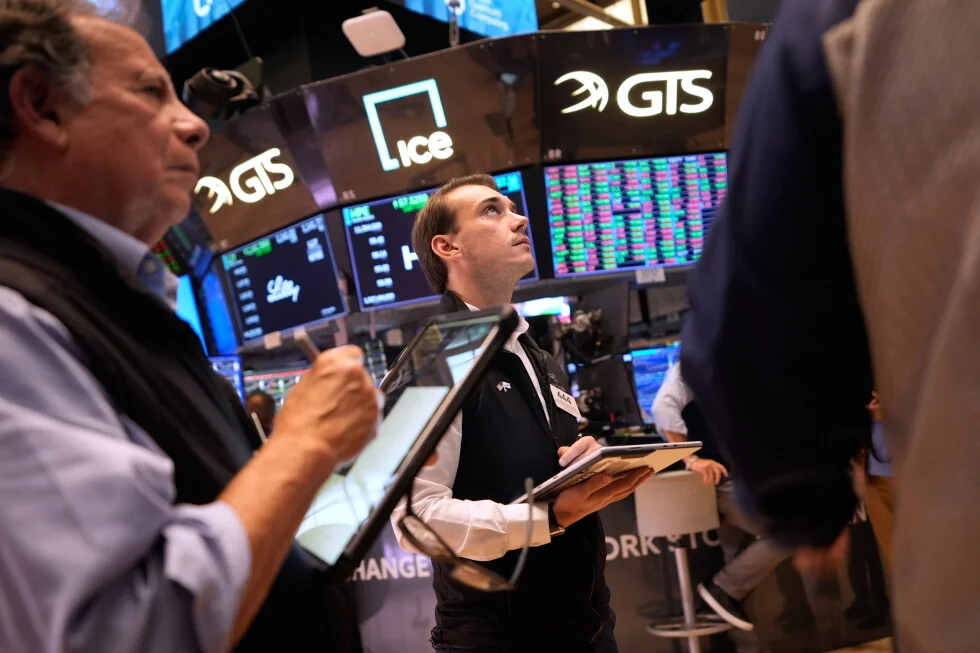
As oil prices and bond yields retreated, US stocks rebounded, posting their best single-day performance in six weeks.
油價與債券殖利率回落,美股反彈創六週最佳單日表現
As oil prices and bond yields retreated, US stocks rebounded, posting their best single-day performance in six weeks.
油價與債券殖利率回落,美股反彈創六週最佳單日表現
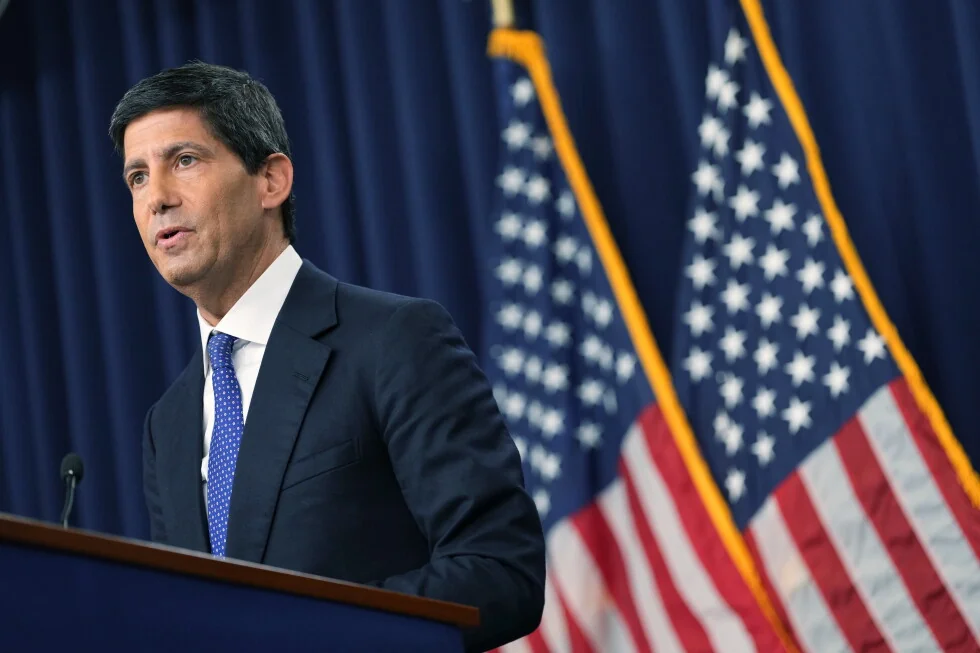
The Fed raises interest rates for the first time in three years, ignoring Trump's calls for a rate cut.
聯準會3年來首度升息,無視川普降息呼籲
The Fed raises interest rates for the first time in three years, ignoring Trump's calls for a rate cut.
聯準會3年來首度升息,無視川普降息呼籲
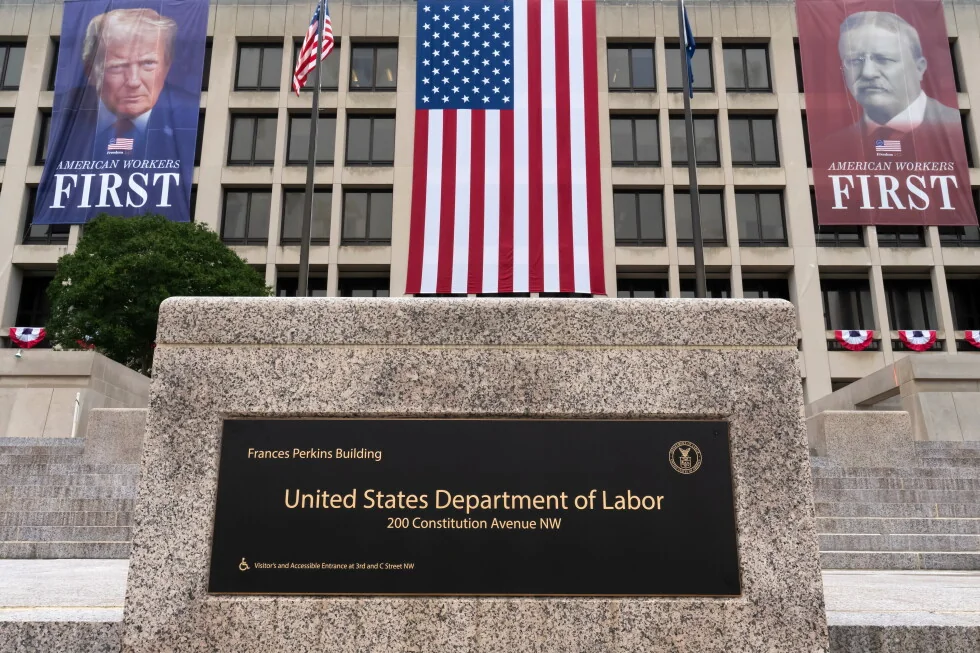
Jobless claims fall to 196,000, lowest since mid-July, as layoffs remain low
失業救濟申請降至19.6萬,創7月中以來新低,裁員仍處低位
Jobless claims fall to 196,000, lowest since mid-July, as layoffs remain low
失業救濟申請降至19.6萬,創7月中以來新低,裁員仍處低位
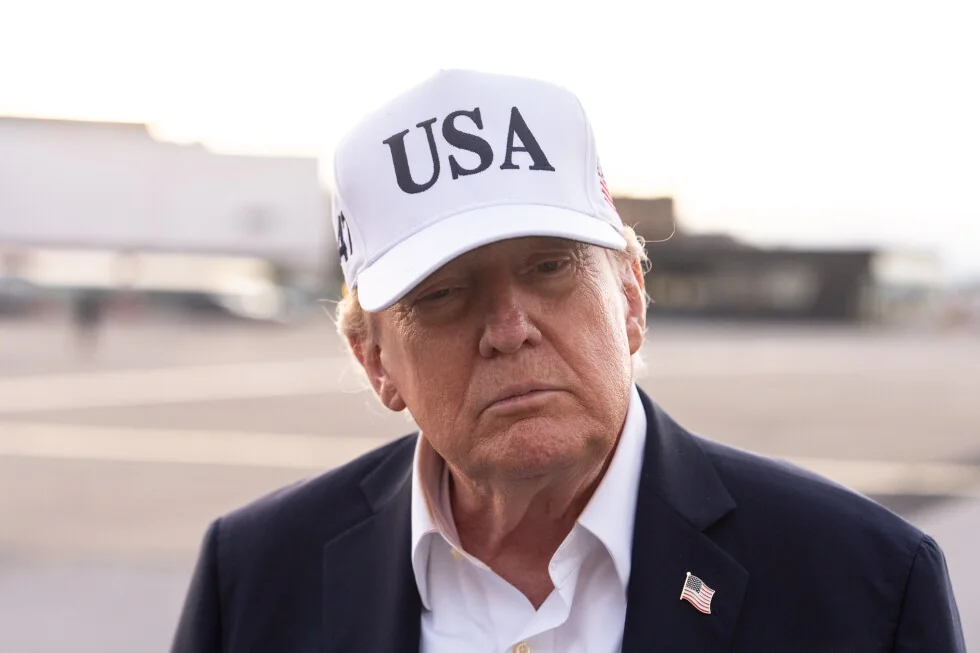
Trump calls AI risk a "hoax," pointing to a "sick conspiracy" against AI and data centers.
川普稱AI風險是「騙局」,並指存在針對AI與資料中心的「病態陰謀」
Trump calls AI risk a "hoax," pointing to a "sick conspiracy" against AI and data centers.
川普稱AI風險是「騙局」,並指存在針對AI與資料中心的「病態陰謀」
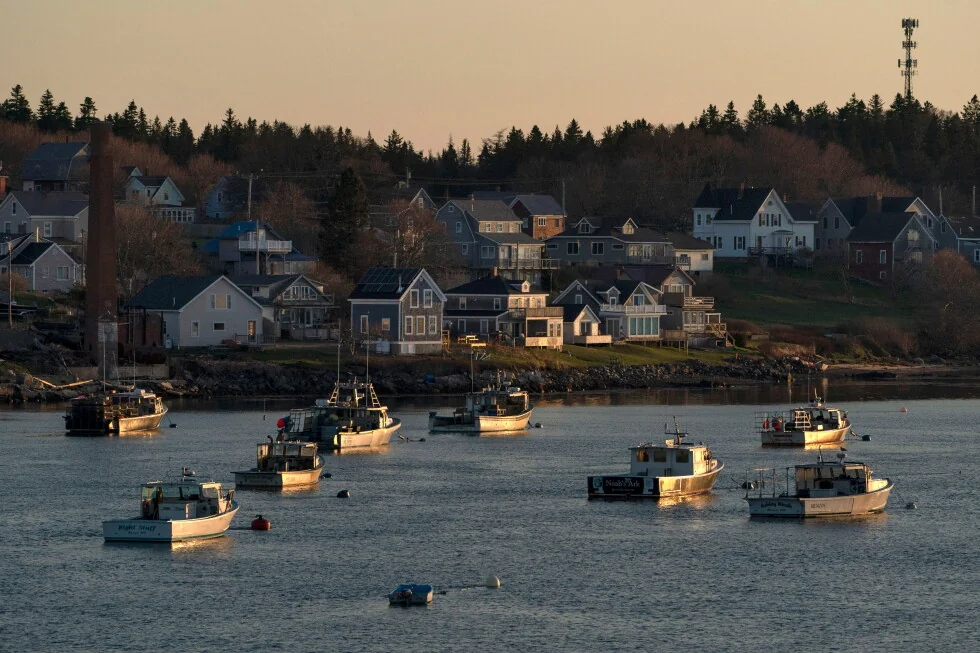
The Supreme Court will rule on a case in which Maine lobster fishermen challenge the requirement for GPS vessel trackers.
最高法院將裁定緬因州龍蝦漁民挑戰GPS船隻追蹤器要求一案
The Supreme Court will rule on a case in which Maine lobster fishermen challenge the requirement for GPS vessel trackers.
最高法院將裁定緬因州龍蝦漁民挑戰GPS船隻追蹤器要求一案