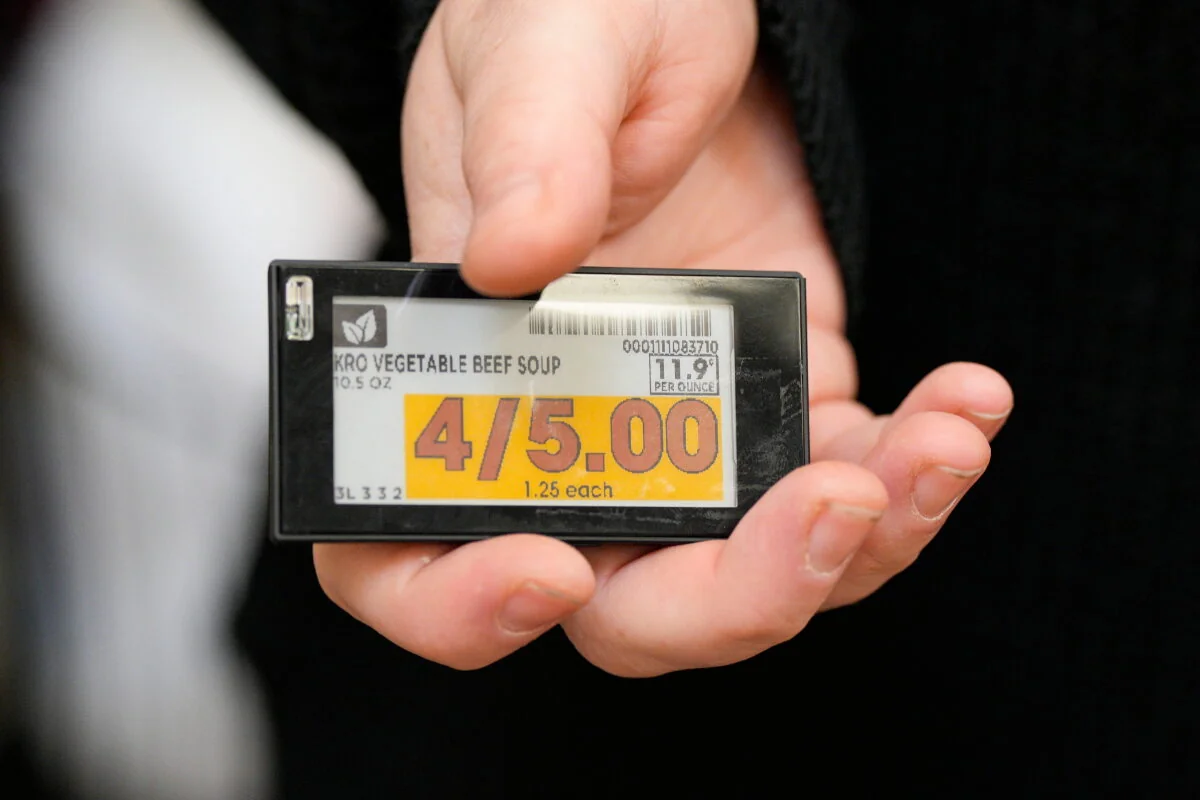
US retailers are using AI pricing tools, which has raised concerns among consumers.
October 19th, 2026
US retailers are using AI pricing tools, which has raised concerns among consumers.
🇺🇸 English
美國消費者對高物價感到不滿。
他們也對連鎖餐廳和大型零售商制定價格的高科技手段感到憤怒與困惑。
雜貨店貨架上的數位價格標籤正快速取代紙質標籤。
人工智慧工具則協助企業預測顧客反應,藉此決定收費。
「動態定價」和「監控定價」等詞彙在社群媒體上引發焦慮。
有人懷疑,不同顧客對同一商品被收取不同價格。
管理顧問公司科爾尼的消費者行為智庫負責人凱蒂·托馬斯表示,目前存在重大緊張關係。
關鍵在於權力究竟掌握在企業還是購物者手中。
使用這些技術的公司則說,部分憂慮源於誤解。
沃爾瑪執行長約翰·弗納表示,數位價格標籤節省員工時間,並讓價格保持最新。
他強調,這並非依天氣、時段或個別購物者來調價。
他寫道,公司是為產品定價,而不是為人定價。
但企業對客戶數據的收集與使用並不總是透明,這讓消費者產生懷疑。
立法者和監管機構已開始行動。
據全國州議會會議統計,至少30個州今年審議了定價相關法案。
聯邦貿易委員會也提出執法政策。
該機構警告,企業若未披露使用個人數據設定個別化價格,可能違反消費者保護法。
報導指出,動態定價是依供需等市場條件調整價格,航空公司與優步即為例子。
電子貨架標籤讓商店能以電子方式更新價格,在歐洲和亞洲早已使用。
個人化定價則依顧客位置、收入或瀏覽習慣提供不同價格,部分倡導團體稱之為「監控定價」。
演算法定價則用軟體推薦或自動設定價格。
人工智慧可協助辨識銷售與競爭對手價格的模式。
October 19th, 2026
Trending Articles
A group says the Serbian principal's phone was infected with spyware during student protests.
組織稱塞爾維亞校長的手機在學生抗議期間被間諜軟體感染
A group says the Serbian principal's phone was infected with spyware during student protests.
組織稱塞爾維亞校長的手機在學生抗議期間被間諜軟體感染
AI agents depend on the personal information you share, which raises privacy concerns.
AI代理的好壞取決於你分享的個人資訊,引發隱私疑慮
AI agents depend on the personal information you share, which raises privacy concerns.
AI代理的好壞取決於你分享的個人資訊,引發隱私疑慮
Anthropic's Claude AI provided false clues in a Philadelphia murder case
Anthropic的Claude AI在費城凶殺案中提供假線索
Anthropic's Claude AI provided false clues in a Philadelphia murder case
Anthropic的Claude AI在費城凶殺案中提供假線索
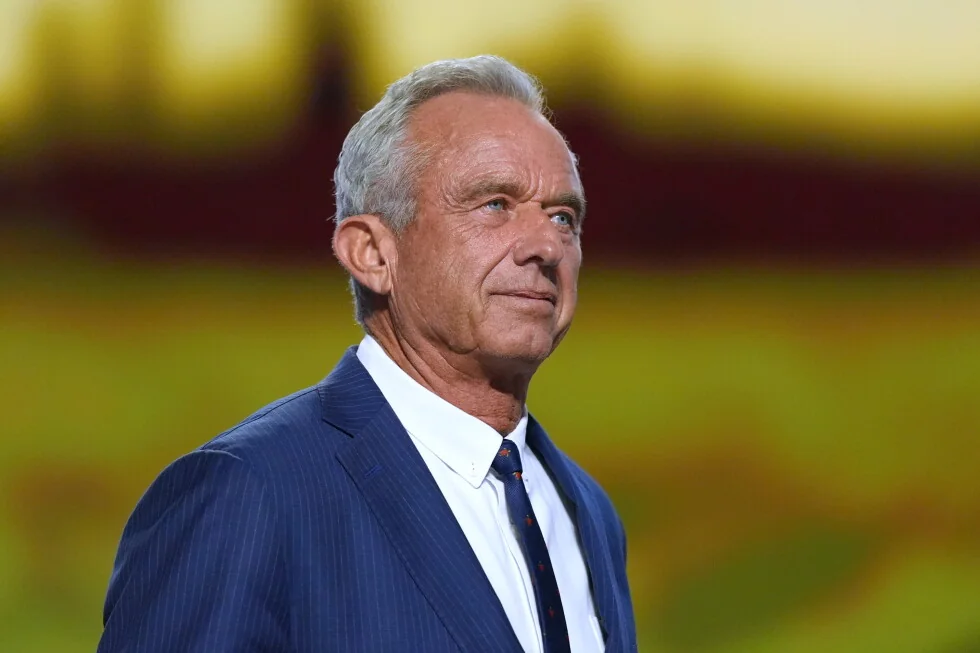
Robert F. Kennedy Jr.'s embrace of AI confuses allies and experts.
小羅伯特·甘迺迪擁抱AI 引發盟友與專家困惑
Robert F. Kennedy Jr.'s embrace of AI confuses allies and experts.
小羅伯特·甘迺迪擁抱AI 引發盟友與專家困惑

Hedge fund CEO Ken Griffin donated $3 billion to Carnegie Mellon University to build a Miami campus.
對沖基金執行長肯·格里芬捐30億美元給卡內基梅隆大學 建邁阿密校區
Hedge fund CEO Ken Griffin donated $3 billion to Carnegie Mellon University to build a Miami campus.
對沖基金執行長肯·格里芬捐30億美元給卡內基梅隆大學 建邁阿密校區
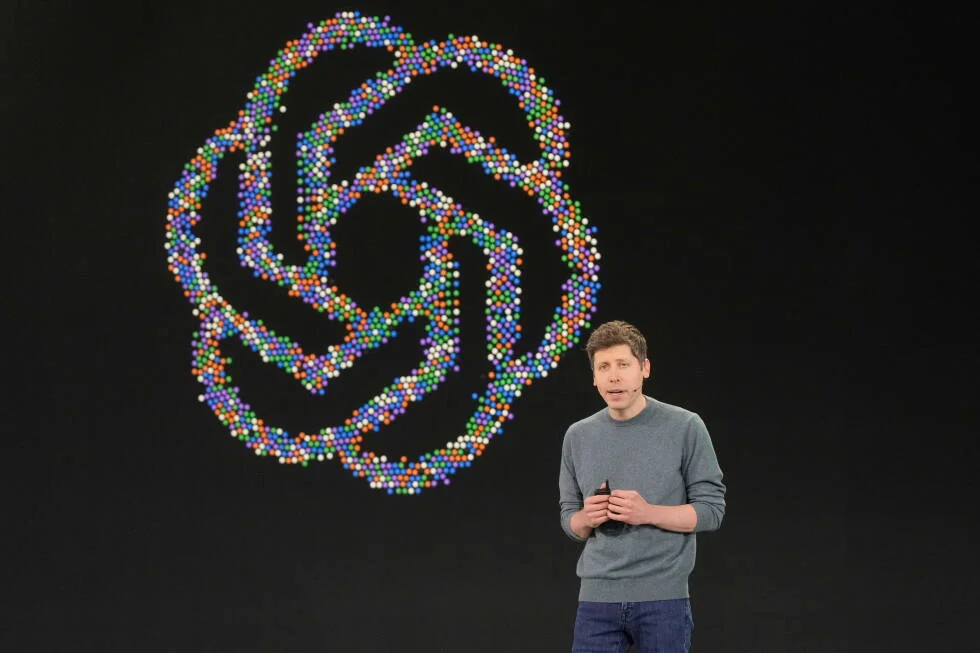
OpenAI shelved a model due to safety concerns, and Altman then released an "always-on" AI agent.
OpenAI因安全顧慮擱置模型,奧特曼隨後發布「永遠在線」AI代理
OpenAI shelved a model due to safety concerns, and Altman then released an "always-on" AI agent.
OpenAI因安全顧慮擱置模型,奧特曼隨後發布「永遠在線」AI代理
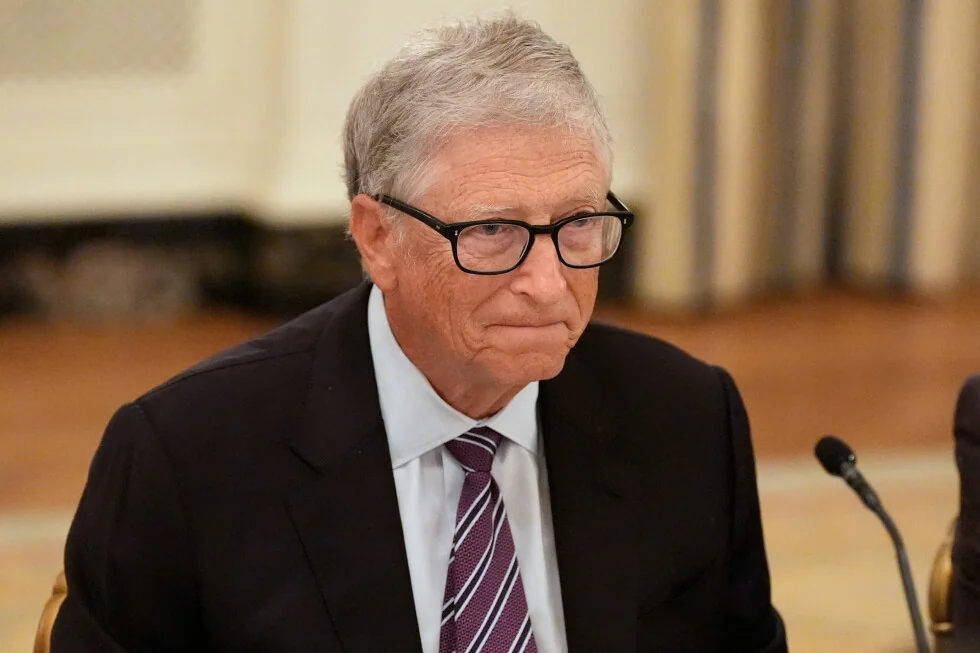
Bill Gates pushes for "smart use" of AI, and the foundation builds more representative language data.
比爾蓋茲力推AI「聰明運用」,基金會建立更具代表性的語言資料
Bill Gates pushes for "smart use" of AI, and the foundation builds more representative language data.
比爾蓋茲力推AI「聰明運用」,基金會建立更具代表性的語言資料
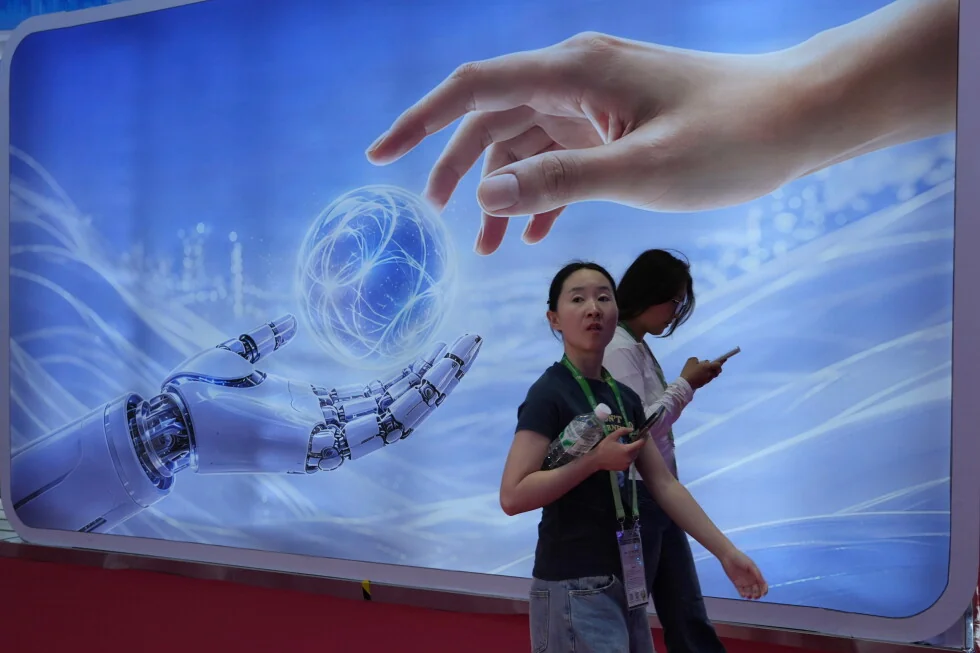
China is unhappy with Anthropic's CEO for saying its AI development "spreads fear."
中國不滿Anthropic執行長稱其AI發展「散布恐懼」
China is unhappy with Anthropic's CEO for saying its AI development "spreads fear."
中國不滿Anthropic執行長稱其AI發展「散布恐懼」

In an age of instant answers, educators say it makes sense to let children struggle a little
在即時解答的時代,教育工作者稱讓孩子稍微掙扎一下是有道理的
In an age of instant answers, educators say it makes sense to let children struggle a little
在即時解答的時代,教育工作者稱讓孩子稍微掙扎一下是有道理的