China toma medidas para restringir las exportaciones tecnológicas, incluida la IA, alegando riesgos para la seguridad nacional
October 19th, 2026
China toma medidas para restringir las exportaciones tecnológicas, incluida la IA, alegando riesgos para la seguridad nacional
🇪🇸 Español
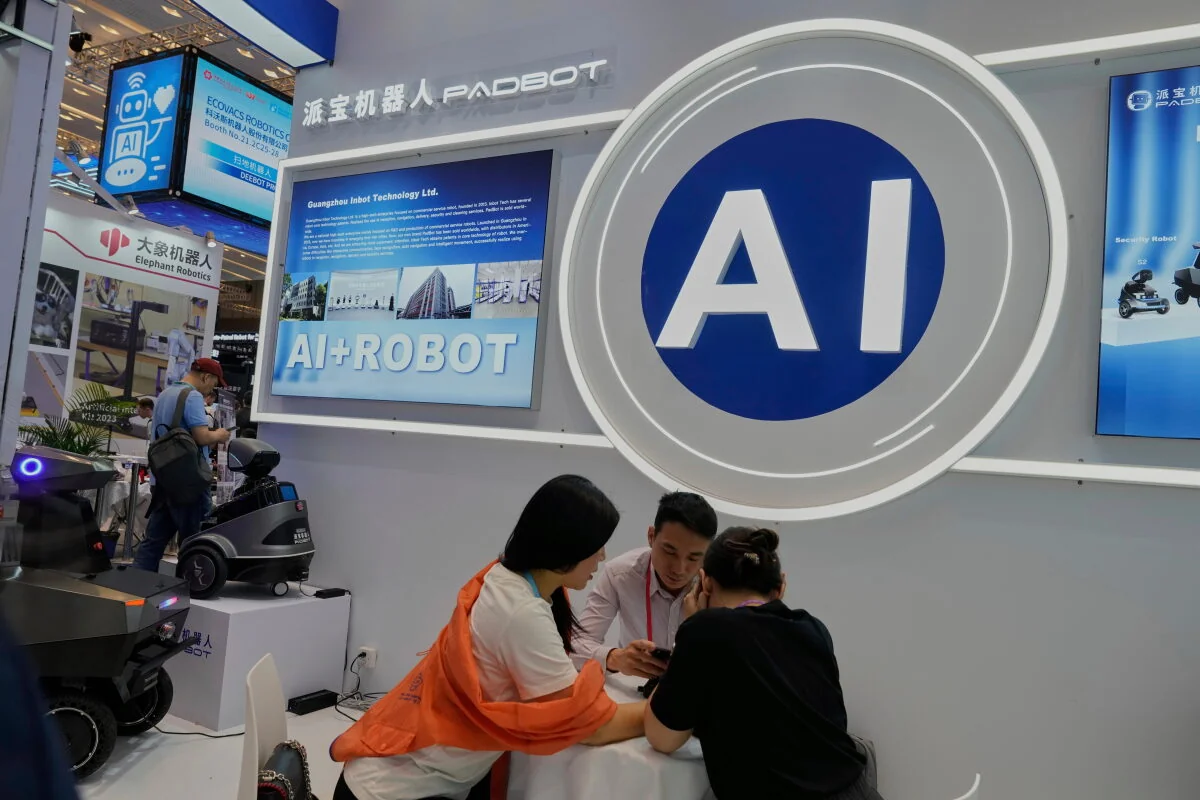
China said on Friday that it plans to restrict or ban exports of 40 technologies spanning artificial intelligence, chips and solar power, as its technology race with countries including the United States intensifies.
The Ministry of Commerce and the Ministry of Science and Technology jointly released a draft document outlining proposed updates to China's catalog of technologies subject to export bans or restrictions.
A spokesperson for the commerce ministry stated in a statement that the move was “necessary”, citing national security as one of the reasons.
The proposal was put forward as China and the U.S. made progress in talks on AI safety and governance and on establishing a notification mechanism between the two superpowers for AI incidents that could threaten national security.
According to the Chinese ministries, Friday’s list comprises twenty-three AI technologies, ranging from advanced large models to agents.
In recent years, U.S.-led restrictions have limited exports of certain advanced technologies to China, blocking the country from accessing the world's most cutting-edge AI chips and the sophisticated chipmaking machines needed to produce them.
The Chinese proposal would ban the export of core technologies for AI large models trained on sensitive national data, as well as AI agents intended for use in highly sensitive settings like national defense and critical information infrastructure.
“The Chinese government is implementing these necessary measures to reinforce the security bottom line, prevent misuse and abuse, and ensure that AI remains under human control,” the commerce ministry’s statement said.
Meanwhile, exports of AI models with parameter counts of 2 trillion or above, or with certain world-leading capabilities, could be restricted.
An AI model's parameter count is a key metric that reflects its learning capacity.
Chinese AI models such as Moonshot's Kimi K3 and Alibaba's Qwen 3.8-Max are among those with parameter counts exceeding 2 trillion, yet Friday's proposal did not name specific models.
The proposed export restrictions also cover several chip design technologies, including those used for some AI processing chips and memory chips.
Twelve solar power-related technologies are also included, among them those used in making polysilicon, a core raw material for the solar supply chain, as well as five biomedicine technologies, including those related to cell and gene therapy.
The move “can be seen as a response to Western countries posting sovereignty requirements on AI, robotics, telecommunications, and other key technologies,” said Lian Jye Su, a chief analyst at technology research and advisory group Omdia.
The aim, he believes, would be to better regulate access to the Chinese technologies.
In June, the U.S. Commerce Department had asked Anthropic to prohibit foreign nationals from using some of its most powerful AI models, Fable 5 and Mythos 5, citing national security concerns.
The restrictions were subsequently lifted.
AI is becoming increasingly strategic for both China and the U.S., added Gary Ng, a senior economist at French bank Natixis.
“The world is becoming more fragmented in terms of trade and investment, but also in access to technologies,” Ng said.
October 19th, 2026
Trending Articles
El teléfono del rector serbio está infectado con software espía en medio de las protestas estudiantiles, según un grupo
Serbian rector’s phone infected with spyware amid student protests, group says
El teléfono del rector serbio está infectado con software espía en medio de las protestas estudiantiles, según un grupo
Serbian rector’s phone infected with spyware amid student protests, group says
La inquietud de los consumidores aumenta a medida que los minoristas estadounidenses adoptan herramientas de precios impulsadas por la IA
Consumer unease mounts as US retailers embrace AI-driven pricing tools
La inquietud de los consumidores aumenta a medida que los minoristas estadounidenses adoptan herramientas de precios impulsadas por la IA
Consumer unease mounts as US retailers embrace AI-driven pricing tools
Los agentes de IA son tan buenos como la información personal que compartes. Eso plantea preocupaciones sobre la privacidad
AI agents are only as good as the personal information you share. That raises privacy concerns
Los agentes de IA son tan buenos como la información personal que compartes. Eso plantea preocupaciones sobre la privacidad
AI agents are only as good as the personal information you share. That raises privacy concerns

Trump afirma que Rusia y Ucrania han acordado un «alto el fuego energético», pero Kyiv informa de ataques en curso
Trump claims Russia and Ukraine have agreed to an ‘energy ceasefire’, but Kyiv reports ongoing attacks
Trump afirma que Rusia y Ucrania han acordado un «alto el fuego energético», pero Kyiv informa de ataques en curso
Trump claims Russia and Ukraine have agreed to an ‘energy ceasefire’, but Kyiv reports ongoing attacks
Los fundadores de IA de Silicon Valley acogen con beneplácito el impulso de Trump hacia la autorregulación del sector en materia de seguridad
Silicon Valley AI founders welcome Trump’s push for industry self-policing on safety
Los fundadores de IA de Silicon Valley acogen con beneplácito el impulso de Trump hacia la autorregulación del sector en materia de seguridad
Silicon Valley AI founders welcome Trump’s push for industry self-policing on safety
El archivo de IA Claude de Anthropic presenta un falso soplo en un caso sin resolver de Filadelfia
Anthropic's Claude AI Files a False Tip in a Philadelphia Cold Case
El archivo de IA Claude de Anthropic presenta un falso soplo en un caso sin resolver de Filadelfia
Anthropic's Claude AI Files a False Tip in a Philadelphia Cold Case

Desarrollos en seguridad de la IA desde el ataque a Hugging Face: una cronología
AI safety developments since the Hugging Face attack: a timeline
Desarrollos en seguridad de la IA desde el ataque a Hugging Face: una cronología
AI safety developments since the Hugging Face attack: a timeline
El respaldo de RFK Jr. a la IA desconcierta a algunos aliados de MAHA y a expertos médicos
RFK Jr.'s AI endorsement baffles some MAHA allies and medical experts
El respaldo de RFK Jr. a la IA desconcierta a algunos aliados de MAHA y a expertos médicos
RFK Jr.'s AI endorsement baffles some MAHA allies and medical experts
McDonald’s enfrenta una demanda por una herramienta de precios con IA para franquiciados en EE. UU.
McDonald’s faces lawsuit over AI pricing tool for US franchisees
McDonald’s enfrenta una demanda por una herramienta de precios con IA para franquiciados en EE. UU.
McDonald’s faces lawsuit over AI pricing tool for US franchisees