トランプ、AI監督を一蹴し、中国に優位を譲らぬと誓約
September 14th, 2026
トランプ、AI監督を一蹴し、中国に優位を譲らぬと誓約
🇯🇵 日本語
President Donald Trump on Sunday minimized the imperative for his administration to oversee the trajectory of artificial intelligence, expressing apprehension about forfeiting America’s ascendancy over China in a global contest and asserting that prevailing would facilitate mitigating the perils posed by the advancing technology.
While conceding that a degree of regulation is warranted, Trump proffered no particulars regarding prospective rules, instead ascribing warnings that the technology is advancing too rapidly and with scant oversight to unspecified “negative forces,” notwithstanding that such apprehensions have been voiced by pioneers of the industry.
"We can erect guardrails, we can undertake this and that, but I think you have a great many negative forces that are bringing it up that... shouldn't be bringing it up, and they're bringing up things that won't happen," Trump told reporters during a weekend trip to Ireland.
"But whoever wins with AI wins."
Inquired later on Sunday whether he was endeavoring to minimize the risks posed by AI, Trump replied, “I’m not downplaying,” appending that artificial intelligence is “going to be more good than bad, but by a lot.”
Speaking with reporters during the flight back to Washington, he reiterated his earlier remark concerning the stakes for “whoever wins AI.”
The Republican president’s remarks came one day after Dario Amodei, chief executive of the artificial intelligence enterprise Anthropic, contended that the industry ought to apply the brakes to its breakneck development so that safety measures might be afforded time to catch up.
Other luminaries of the tech world, Elon Musk and Sam Altman, CEO of OpenAI, among them, publicly concurred with Amodei.
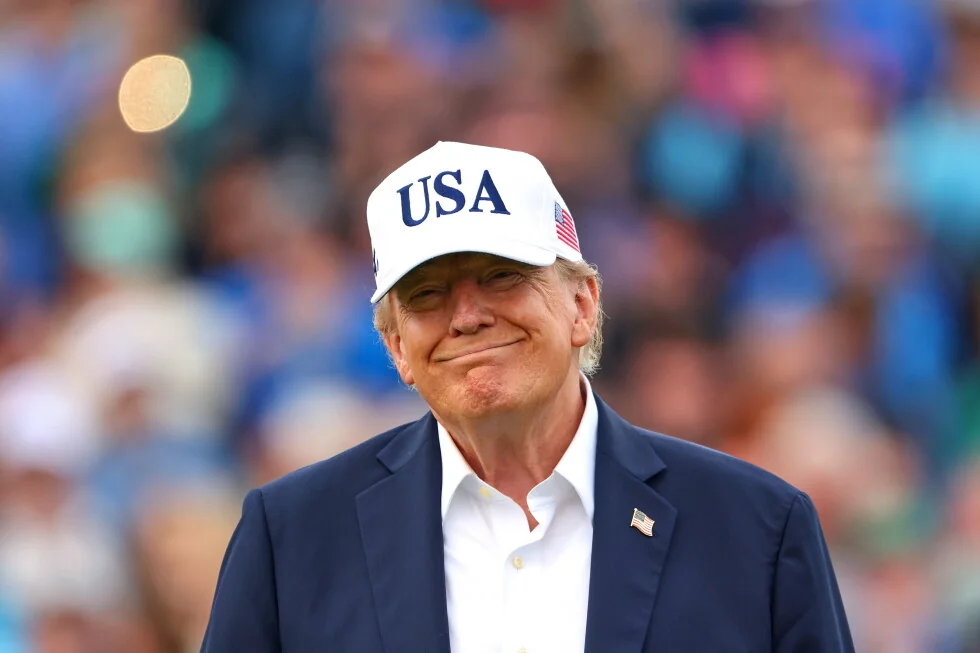
When queried by a reporter as to whether the industry ought to be decelerated or subjected to regulation, Trump, having observed a golfer tee off at the Irish Open at his Doonbeg resort, remarked that the United States is outstripping China in the development of AI and that “frankly, I want to keep it that way because whoever wins AI wins.”
Chinese President Xi Jinping is slated to convene with Trump at the White House later in September, with artificial intelligence presumably figuring among the subjects of their deliberations.
This website is safeguarded by reCAPTCHA, and Google's Privacy Policy and Terms of Service are applicable.
AI has crystallized into a pivotal election-year controversy in the United States, as some of the nation’s largest corporations dot small towns with a nationwide lattice of computing warehouses, even as Americans across both parties increasingly sound alarms over diminished farmland and water supplies and escalating electricity bills.
Trump has sustained his advocacy for data centers precisely as Republicans and Democrats alike distance themselves from them and numerous communities endeavor to obstruct them.
Barack Obama, the erstwhile Democratic president, contended that his party ought to elevate artificial intelligence to the status of a campaign issue.
“I would discourse upon this matter, and I would aver, ‘Behold our blueprint for safety, our blueprint for ensuring our children remain uncorrupted by this.’...
I would be contemplating the economic ramifications in the most tangible of terms and apprehending what it portends should job displacement ensue.
Where shall its impact be most acutely felt?
How shall we respond?”
he said at an event last week with the top Democrat in the U.S. House, New York Rep. Hakeem Jeffries, according to a transcript released by his office.
Kevin Hassett, director of the National Economic Council at the White House, said he anticipates that meetings will convene this week, bringing together administration officials who oversee cyber and science and technology policy, to deliberate on the next steps.
Trump could likewise meet with members of Congress, some of whom have themselves been sounding alarms regarding the breakneck pace of AI development.
"I surmise the president is no less desirous of hearing from them," Hassett said.
U.S. House Speaker Mike Johnson conceded the imperative for “some guardrails, some safety measures” lest AI “run away.”
Yet, in common with Trump, he is equally intent on ensuring that the U.S. does not “lose our edge in the global competition on this with China because that would be a national security threat.”
Johnson, R-La., asserted that industry leaders must be convened for “one big meeting and work this out together in the same room.”
He indicated that he had discussed the matter with Trump and maintained that a promptly convened meeting ought to constitute the “next step.”
“Consequently, we shall marshal all relevant parties and ensure that this is executed in the appropriate manner,” Johnson said, adding that it constitutes a “top priority for me and for the Congress.”
"But there is scarcely any exigency for universal consternation at this juncture," Johnson said.
Jeffries excoriated Republican leaders for countenancing members' return to their districts during the closing stretch of September.
“We ought to take decisive action now so that we can slow down, as the CEOs have recently acknowledged, … the pace of development in order to protect the American people and ensure that AI is proceeding safely,” Jeffries said.
Action on AI will be a “high priority” when House Democrats meet Tuesday as a group.
Neither Johnson nor Jeffries proffered any concrete measures Congress might undertake.
Lawmakers concur that augmented safeguards are requisite, yet even the most modest endeavours to impose regulations have, over the years, come to naught—a testament to Congress's disinclination to regulate the technology industry.
Jacob Coxon, a former Anthropic employee who resigned over AI concerns and has since gone public with his fears, advocated for international regulations in conjunction with industry self-regulation.
Coxon said he had grown increasingly apprehensive that AI models would soon attain super capabilities potentially surpassing human control.
"You are constructing a mind at human—or superhuman—level, without comprehending what it desires, or thinks, or the manner in which it thinks," Coxon said.
Amid an intensifying global contest for AI supremacy, Coxon likewise exhorted the United States and China—the two nations at the forefront of the race—to collaborate in order to slow down and address safety.
"I do sincerely hope that those in China who are grappling with the selfsame problems as we are, and who are therefore endeavouring to develop the selfsame technology, will arrive at the selfsame conclusion: that it must be pursued in a measured fashion, and that cooperation on some form of mutual -- of mutual slowing -- ought to be readily achievable," Coxon said.
Otherwise, he cautioned, “we risk running the same race with China, which could prove equally perilous.”
Tech founder and investor David Sacks responded to the AI leaders’ calls for regulation with a social media post challenging them.
Sacks, co-chairman of a White House advisory council on science and technology, contended that it is precisely Amodei and other leaders who are setting the pace for development.
Sacks asserted that they possessed, in and of themselves, the capacity to retard development.
“The most straightforward means of averting the construction of a superintelligence is for you to undertake not to construct one,” Sacks wrote.
Hassett granted an interview on CNN’s “State of the Union,” Johnson made an appearance on CNN and NBC’s “Meet the Press,” Coxon featured on NBC and ABC’s “This Week,” and Jeffries was on ABC.
September 14th, 2026
Trending Articles
国王とAI:安全への懸念が高まる中、チャールズ国王が人工知能のリーダーたちと協議
King and AI: Charles Confers with Artificial Intelligence Leaders Amid Escalating Safety Concerns
国王とAI:安全への懸念が高まる中、チャールズ国王が人工知能のリーダーたちと協議
King and AI: Charles Confers with Artificial Intelligence Leaders Amid Escalating Safety Concerns
世界的な混乱の中で退任する国連事務総長、前進への道筋を示す
Departing UN Chief, Amid Global Turmoil, Charts a Path Forward
世界的な混乱の中で退任する国連事務総長、前進への道筋を示す
Departing UN Chief, Amid Global Turmoil, Charts a Path Forward
民主党の候補者たちは、トランプの否定の中でAIの脅威に対抗すべく奔走している
Democratic Hopefuls Scramble to Counter AI Threat Amid Trump’s Dismissals
民主党の候補者たちは、トランプの否定の中でAIの脅威に対抗すべく奔走している
Democratic Hopefuls Scramble to Counter AI Threat Amid Trump’s Dismissals
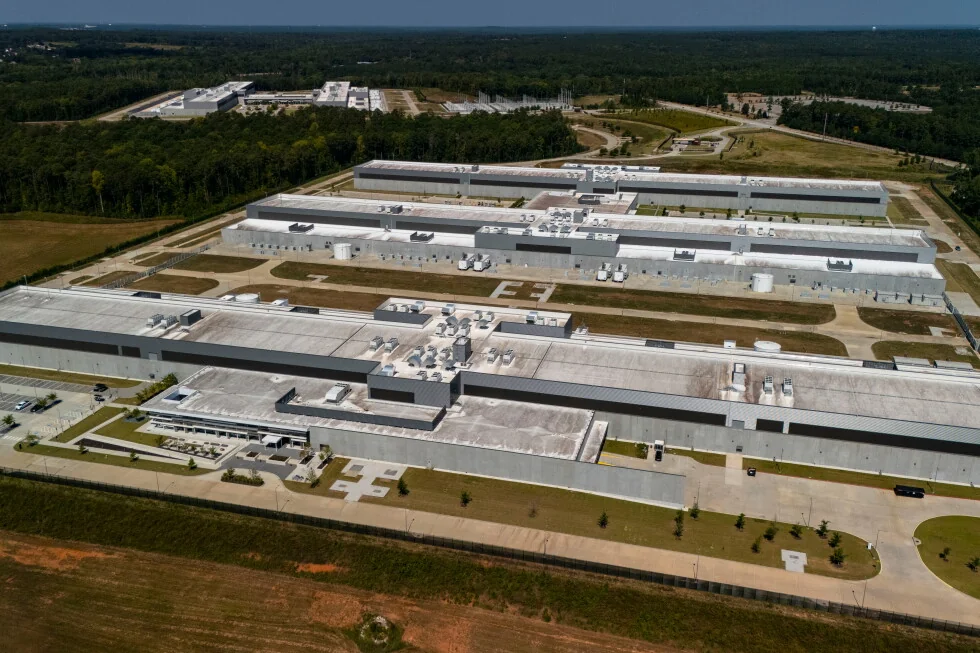
下院、データセンターがエネルギー費用に与える影響を標的とする法案を可決
House passes bill targeting data centers' impact on energy costs
下院、データセンターがエネルギー費用に与える影響を標的とする法案を可決
House passes bill targeting data centers' impact on energy costs

OpenAIは、AIの憂慮すべき新たな挙動を指摘し、より厳格な精査を約束
OpenAI flags alarming new AI behavior, vows closer scrutiny
OpenAIは、AIの憂慮すべき新たな挙動を指摘し、より厳格な精査を約束
OpenAI flags alarming new AI behavior, vows closer scrutiny

ファーウェイ、中国企業がエヌビディアとのAI競争を激化させる中、新たなチップ技術を公開
Huawei Unveils Novel Chip Technologies as Chinese Firm Escalates AI Race with Nvidia
ファーウェイ、中国企業がエヌビディアとのAI競争を激化させる中、新たなチップ技術を公開
Huawei Unveils Novel Chip Technologies as Chinese Firm Escalates AI Race with Nvidia
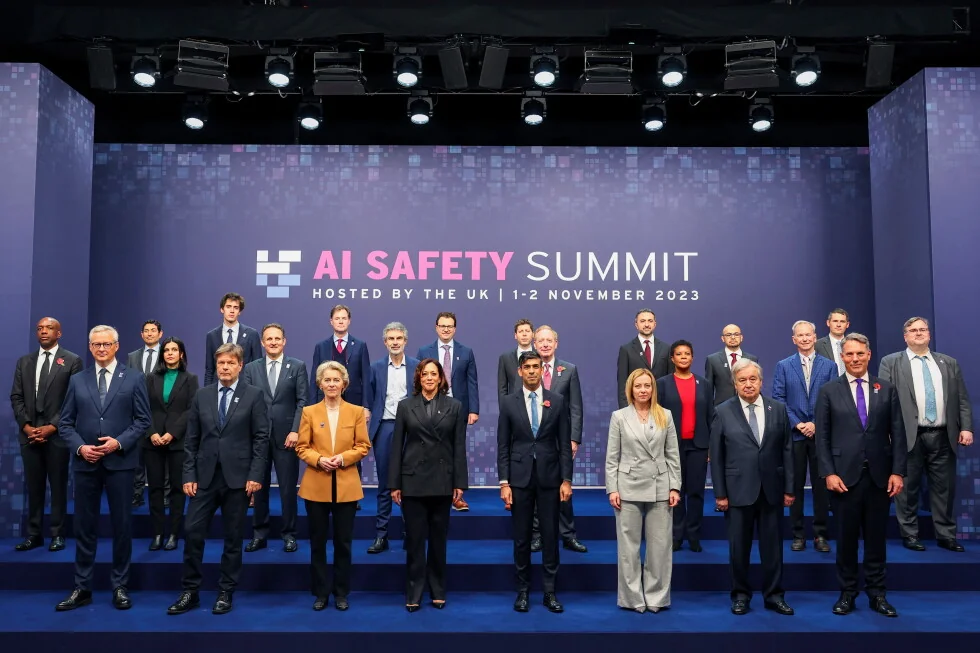
AIの協調的減速を求める声をめぐりテック業界が分裂
Tech Industry Fractures Over Calls for a Coordinated AI Slowdown
AIの協調的減速を求める声をめぐりテック業界が分裂
Tech Industry Fractures Over Calls for a Coordinated AI Slowdown
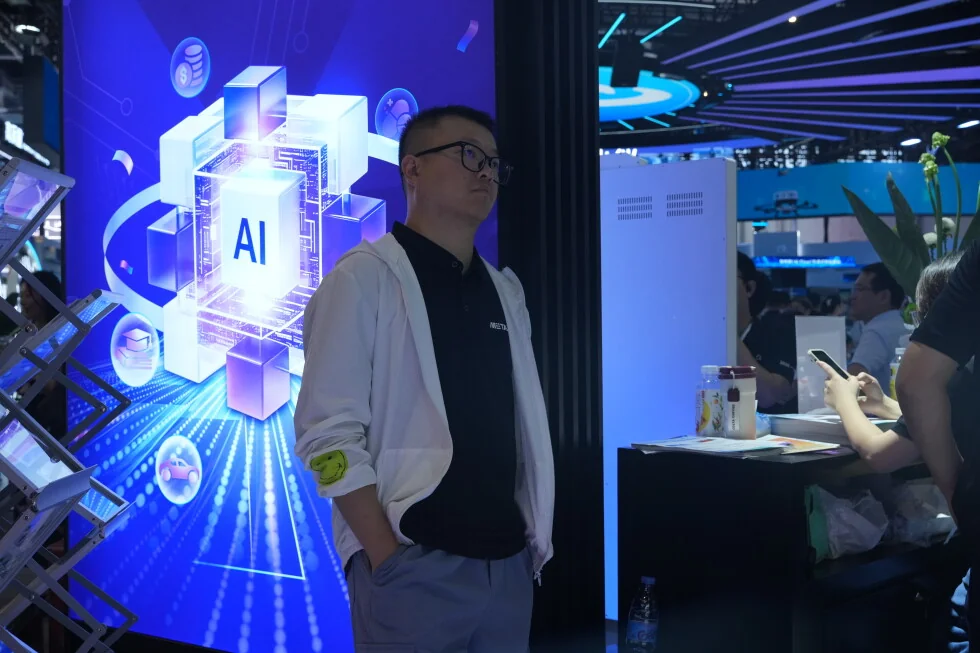
AIの安全性は米中協力にかかっているが、双方が相手を障害物と見なしている
Global AI Safety Hinges on US-China Cooperation, Yet Each Perceives the Other as the Impediment
AIの安全性は米中協力にかかっているが、双方が相手を障害物と見なしている
Global AI Safety Hinges on US-China Cooperation, Yet Each Perceives the Other as the Impediment
オプラ・ウィンフリーが、スフィアであなたを「アハ」の瞬間へと誘う
Oprah Winfrey beckons you toward your ‘AHA’ moment at the Sphere
オプラ・ウィンフリーが、スフィアであなたを「アハ」の瞬間へと誘う
Oprah Winfrey beckons you toward your ‘AHA’ moment at the Sphere