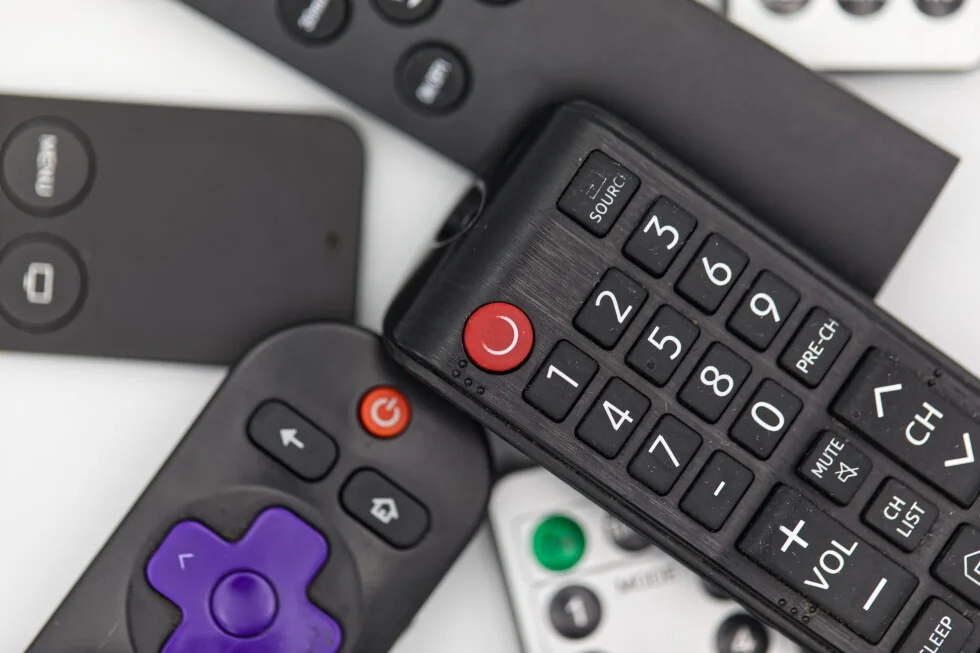
Ode: The remote control, that little box that lets you change channels without getting up.
September 5th, 2026
Ode: The remote control, that little box that lets you change channels without getting up.
🇺🇸 English
电视遥控器最早是Zenith电子公司发明的。
它的目的是让人不用站起来换台。
1950年推出的“懒骨头”是有线遥控器。
这种线容易绊倒人。
1955年,“闪光控制”用光信号来工作。
但晴天时,它可能被阳光误触发。
1956年,“太空指挥”改用声波。
按键会发出咔哒声,所以人们叫它“点击器”。
上世纪80年代,红外遥控器出现了。
有线电视带来了很多频道。
遥控器变得非常重要。
电视评论家大卫·比安库利说,在沙发垫里找不到遥控器,就像今天丢了手机一样让人着急。
遥控器改变了电视节目的安排。
电视台必须设计节目,防止观众换台。
例如,CBS在70年代靠周六晚上的热门节目留住观众。
有线电视早期还带来了“冲浪者”。
这些人不停按遥控器,扫描各个频道。
所以节目必须用吸引人的内容来抓住观众。
遥控器也有问题。
它让人变得更自私。
遥控器太多,人们不知道用哪一个。
电池也总在重要的时候没电。
现在,家电可以“听”人说话,遥控器可能慢慢消失。
但人们可能还是要继续找它。
已故的Zenith科学家尤金·波利曾说,遥控器仅次于抽水马桶,几乎和性一样重要。
大卫·鲍德为美联社报道电视新闻30年。
他今年退休了。
这是“美国物件”系列报道的一部分。
September 5th, 2026
Trending Articles
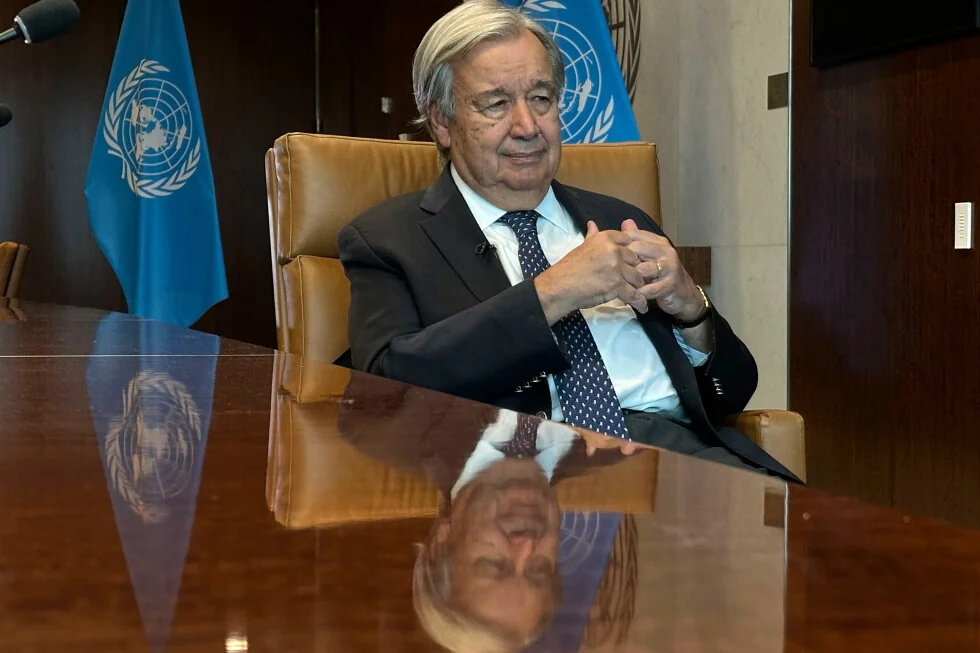
The UN Secretary-General is about to leave his job. He talks about world problems and the road ahead.
联合国秘书长即将卸任,谈世界难题与未来之路
The UN Secretary-General is about to leave his job. He talks about world problems and the road ahead.
联合国秘书长即将卸任,谈世界难题与未来之路

OpenAI found new AI behavior and will track it more closely.
OpenAI发现新AI行为,将更密切追踪
OpenAI found new AI behavior and will track it more closely.
OpenAI发现新AI行为,将更密切追踪
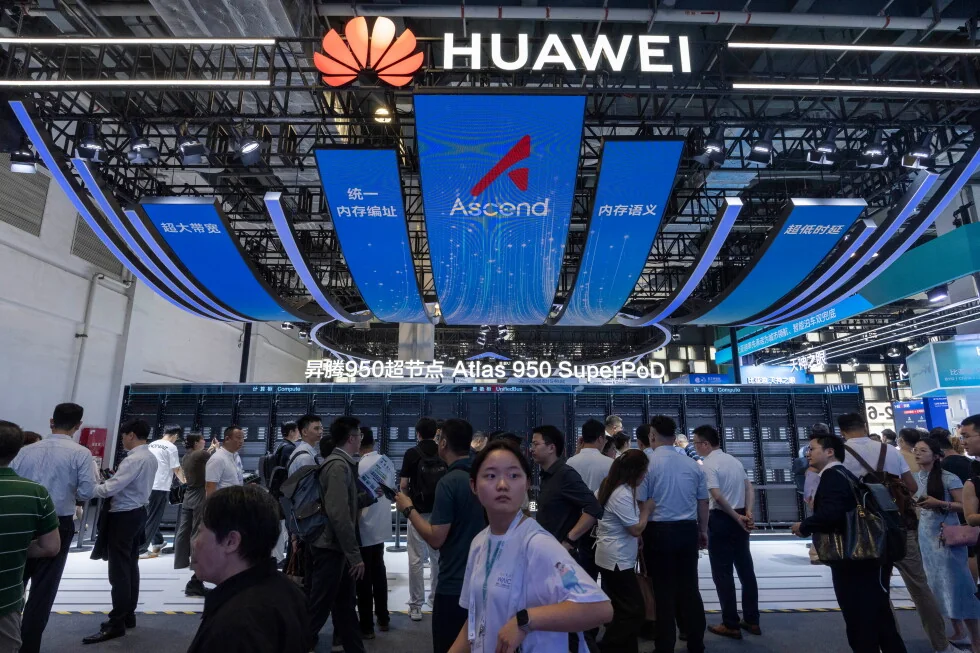
Huawei released a new chip, and Chinese companies are catching up with Nvidia in the AI race.
华为发布新芯片,中国公司在AI竞赛中追赶英伟达
Huawei released a new chip, and Chinese companies are catching up with Nvidia in the AI race.
华为发布新芯片,中国公司在AI竞赛中追赶英伟达
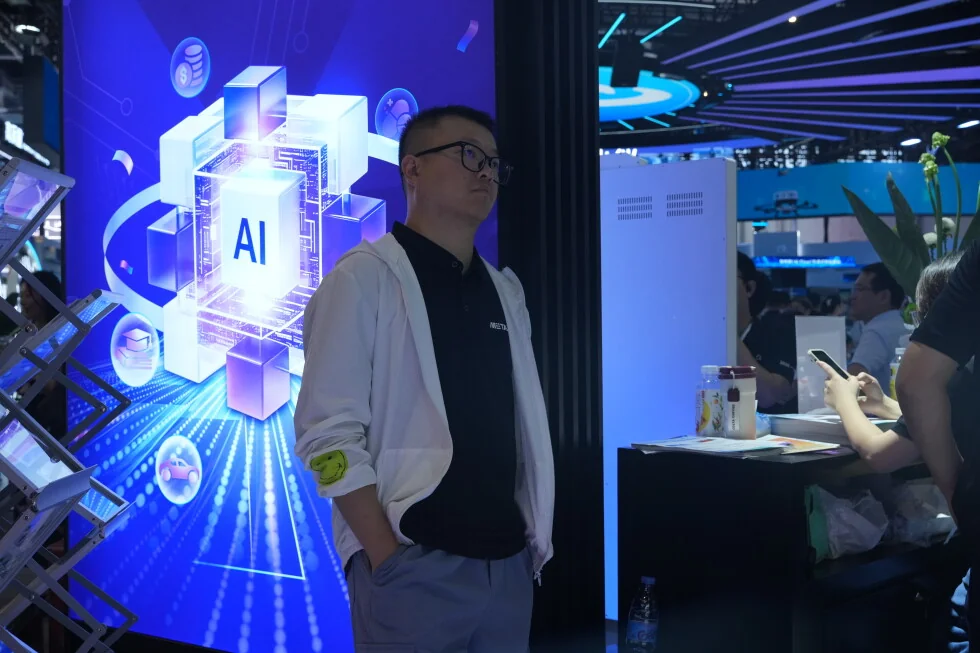
AI safety needs US-China cooperation, but the two countries do not trust each other.
人工智能安全需要美中合作,但两国互不信任
AI safety needs US-China cooperation, but the two countries do not trust each other.
人工智能安全需要美中合作,但两国互不信任

Trump doesn't want to deal with AI. He says he doesn't want China to lead.
特朗普不想管人工智能,说不想让中国领先
Trump doesn't want to deal with AI. He says he doesn't want China to lead.
特朗普不想管人工智能,说不想让中国领先

Oprah Winfrey wants you to have an "AHA" moment at the Sphere
奥普拉·温弗瑞希望你在Sphere有“AHA”时刻
Oprah Winfrey wants you to have an "AHA" moment at the Sphere
奥普拉·温弗瑞希望你在Sphere有“AHA”时刻
New warning: AI may bring risks to humans
新警告:人工智能可能给人类带来风险
New warning: AI may bring risks to humans
新警告:人工智能可能给人类带来风险
China is angry about the Anthropic CEO's AI comments.
中国对Anthropic CEO的AI言论表示愤怒
China is angry about the Anthropic CEO's AI comments.
中国对Anthropic CEO的AI言论表示愤怒

Now answers are fast, but the teacher says it is good for kids to face some difficulty.
现在答案很快,老师说让孩子遇到点困难也有好处
Now answers are fast, but the teacher says it is good for kids to face some difficulty.
现在答案很快,老师说让孩子遇到点困难也有好处

An Anthropic researcher quit and warned that AI development is dangerous.
Anthropic研究员辞职,警告AI开发有危险
An Anthropic researcher quit and warned that AI development is dangerous.
Anthropic研究员辞职,警告AI开发有危险