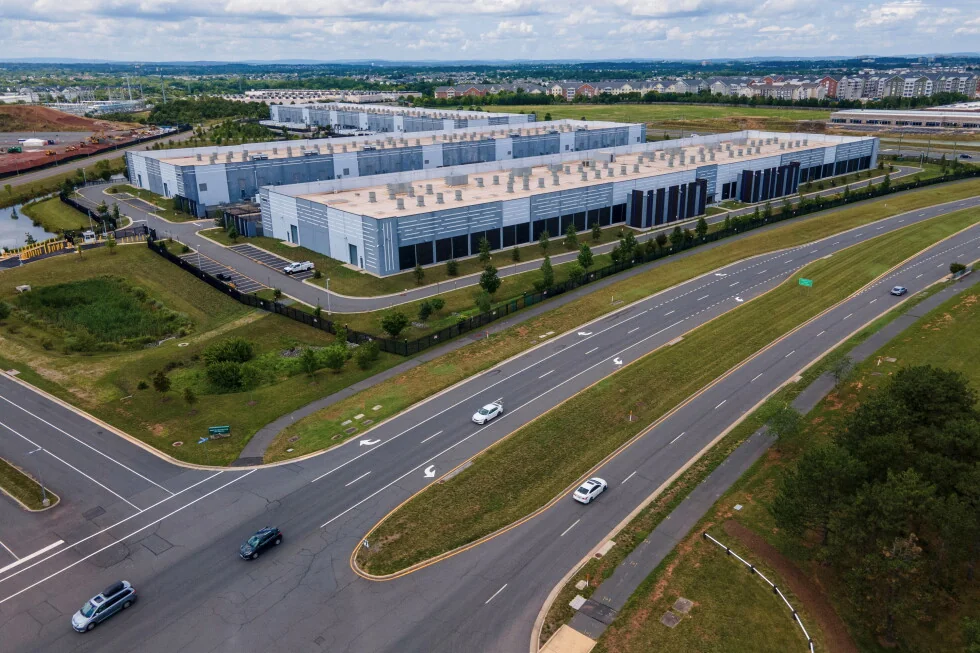
特朗普坚持支持数据中心,尽管它们在中期选举中日益成为政治负担。
August 21st, 2026
特朗普坚持支持数据中心,尽管它们在中期选举中日益成为政治负担。
🇨🇳 中文
President Donald Trump, addressing cryptocurrency executives at the White House this week, made a declaration that candidates from both the Republican and Democratic parties would be loath to touch.
“Were I the mayor of a town or the governor of a state, and I had the opportunity to attract a major facility—an AI plant or a data center,” Trump said, “I would absolutely pursue it, given that the employment opportunities and the tax revenues generated are truly immense.”
This is hardly the sort of rhetoric one encounters in competitive midterm campaigns.
The race to build data centers, which power artificial intelligence and cloud computing, has stalled amid voter frustration over living near the massive warehouse campuses.
Even the Senate Republicans' campaign arm warned that anger over data centers — some of which dwarf football stadiums and consume more energy than small cities — could cost them a seat.
Opposition spans the entire political spectrum, driven by concerns that these corporate giants will inflate electricity bills, deplete residential water wells, generate harmful levels of air and noise pollution, and permanently alter a community's character—all while securing substantial tax breaks from states competing for their business.
Trump has described data centers as a key part of a top national and economic security priority: beating China in the AI race.
However, he has also expressed concerns about rising electricity costs, previously saying that "it's only fair" for companies to pay for them.
He also suggested this week that data centers need "a little public relations help."
In recent months, he has convinced major tech companies to sign a voluntary pledge to protect U.S. consumers from higher utility bills caused by data centers, even as he pushes to accelerate the process for companies and utilities to build their own power plants.
The construction of power plants is by no means an overnight endeavor, and the immediate political landscape confronting candidates nationwide is a markedly different reality.
"It is yet another area where the White House appears profoundly out of touch — at best oblivious, and at worst indifferent to the interests of fellow Republican candidates," said James Henson, director of the Texas Politics Project at the University of Texas at Austin, a nonpartisan research organization.
This is our AP Ground Game newsletter.
Should you wish to receive it, kindly subscribe below, and we will dispatch it to your inbox three times per week.
This site is safeguarded by reCAPTCHA, and the Google Privacy Policy and Terms of Service are hereby applicable.
Candidates for statewide office from Nevada to Pennsylvania, on both the Republican and Democratic tickets, are increasingly using data centers as a political weapon against their rivals, and those who come under such fire are subsequently trying to distance themselves from the issue.
In Ohio, a data center hotspot with closely contested races for governor and the U.S. Senate, the National Republican Senatorial Committee warned in a Tuesday memo that Sen. Jon Husted is at risk of losing his seat because of the centers.
Democratic nominee Sherrod Brown is airing attack ads against Husted, branding him the “face of data centers in Ohio” as petitioners gather signatures for a statewide referendum seeking to prohibit their construction.
The Republican memo characterized it as a “sleeper issue for the entire election cycle.”
"Brown is using it because it works," the NRSC said.
"More than anything else in this race, data centers are the heaviest burden on Husted.
If he loses and data centers are blamed, politicians across the country will take note — and they will steer clear of the next one."
The memo indicated that voters might be reluctant to back Democratic candidates who advocate for a total ban on data center construction, potentially favoring a Republican candidate who would allow such projects only if they secured local approval via referendum and financed their own power, water, and other utilities.
According to a July Fox News poll, the majority of registered voters are opposed to the construction of a data center in their locality.
Nonetheless, the issue trails other voter priorities, notably the cost of living, with November fast approaching.
A Quinnipiac Poll conducted in June asked voters which issues were decisive in shaping their choices in U.S. House elections, and roughly 4 in 10 cited AI data centers.
In Nevada, Democrat Aaron Ford swiftly linked Trump's remarks to Republican Gov. Joe Lombardo, asserting that the two are in "lockstep on data centers."
In a statement, Ford described Trump and Lombardo as "Nevada data centers' biggest cheerleaders" who "only care about catering to their 'billionaire friends' while Nevadans pay the price."
This week, Ford unveiled a policy platform in which he pledged to suspend new state tax incentives for data centers—which he estimated at $200 million currently—while auditing existing projects to ensure they meet their commitments.
He also said he would make data centers pay for their electricity, avoid depleting Nevada's water supply, and help local governments negotiate strong benefit agreements with developers.
Texas Gov. Greg Abbott, who in November praised Google's announcement of a $40 billion investment there by calling the state "the epicenter of AI development," is now facing criticism from his Democratic challenger, Gina Hinojosa, over his push for data center expansion.
Abbott has since reversed course, vowing more stringent measures, including scrapping the state’s sales tax exemption and deferring projects pending a review of their energy consumption.
Trump denounced the shift, contending, “I think it’s a mistake” in a recent interview with Punchbowl News.
When questioned about Trump's backing for data centers, Abbott's office remarked that the governor's "top priority is to protect Texans' safety and quality of life and ensure the integrity of our power grid and water supply."
In essence, the welfare of Texans must take precedence, Abbott's office asserted.
While Trump embraces data centers, even some of his allies are leveraging them for political attacks.
U.S. Rep. Tom Tiffany, campaigning for Wisconsin governor, released a television advertisement this week branding his Democratic opponent as “Data Center David Crowley.”
The advertisement features a clip of Crowley asserting that Wisconsin has the potential to emerge as the “AI and data hub not only for the entire country, but for the entire globe.”
Crowley has stated that local communities must hold veto power, while also describing data centers as an integral part of the modern economy that could bring significant economic benefits to the state.
Tiffany, whom Trump has endorsed, has also expressed favorable views on data centers.
In January, Tiffany described data centers as “exciting new technology” during an interview with PBS Wisconsin.
Furthermore, last December, he cast his vote in favor of a bipartisan measure known as the SPEED Act, which aims to expedite the development of new AI infrastructure projects, including data centers.
The legislation has yet to pass the Senate.
Neither Tiffany nor Crowley advocates for a moratorium on the construction of new data centers.
Tiffany has advocated for the repeal of the state tax incentive for data centers, whereas Crowley has not.
Both have called for more stringent regulation.
At an event on Wednesday where he received the endorsement of the environmental organization Clean Wisconsin, Crowley downplayed the criticisms Tiffany has leveled against his stance on data centers.
"He's becoming increasingly adept at professing one thing while doing quite another," Crowley remarked, citing Tiffany's votes in favor of the SPEED Act.
“What Congressman Tom Tiffany is doing constitutes deception, as he seeks to evade accountability for his congressional record,” Crowley stated.
August 21st, 2026
Trending Articles
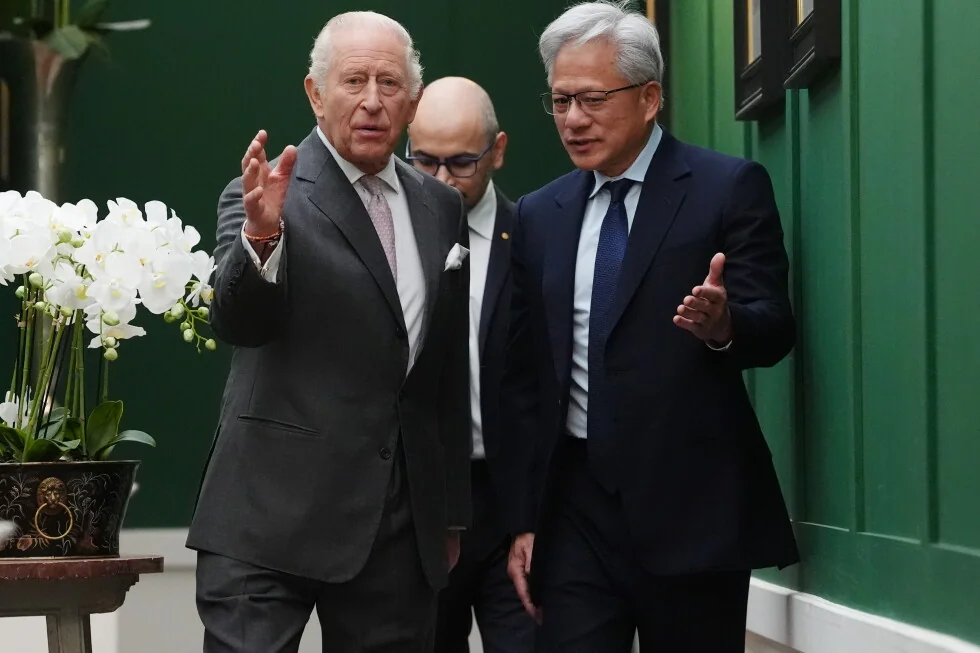
随着安全担忧加剧,查尔斯国王会见人工智能领袖
King Charles Meets AI Leaders as Safety Concerns Mount
随着安全担忧加剧,查尔斯国王会见人工智能领袖
King Charles Meets AI Leaders as Safety Concerns Mount

联合国秘书长在准备卸任之际,面对问题缠身的世界,谈论前行之路
UN chief, with world beset by problems, talks of way forward as he prepares to leave office
联合国秘书长在准备卸任之际,面对问题缠身的世界,谈论前行之路
UN chief, with world beset by problems, talks of way forward as he prepares to leave office
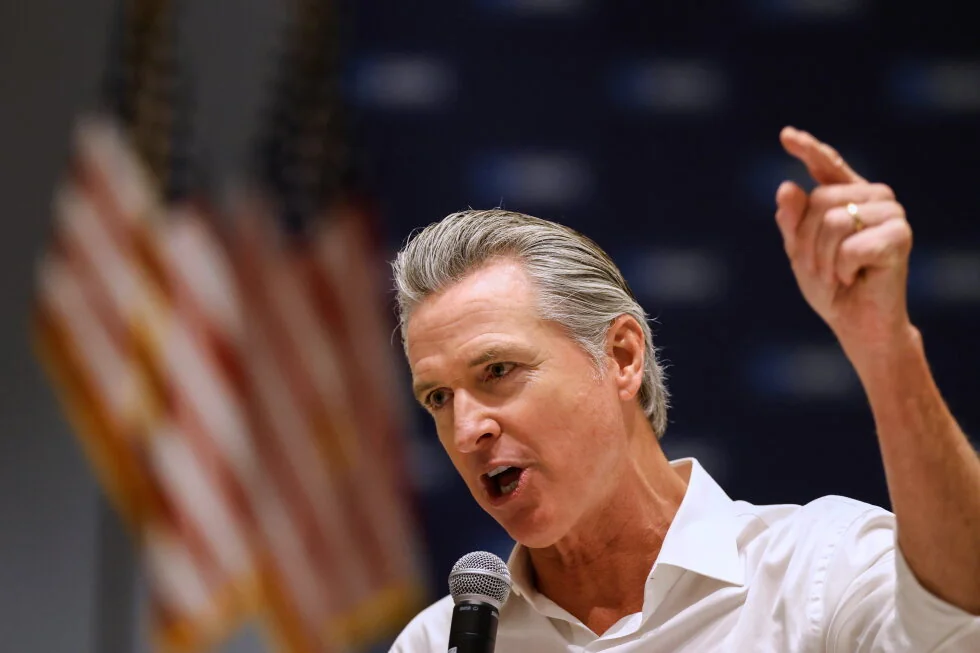
民主党竞选人争相应对人工智能威胁,特朗普展开清洗
Democratic hopefuls scramble to counter AI threat as Trump purges
民主党竞选人争相应对人工智能威胁,特朗普展开清洗
Democratic hopefuls scramble to counter AI threat as Trump purges
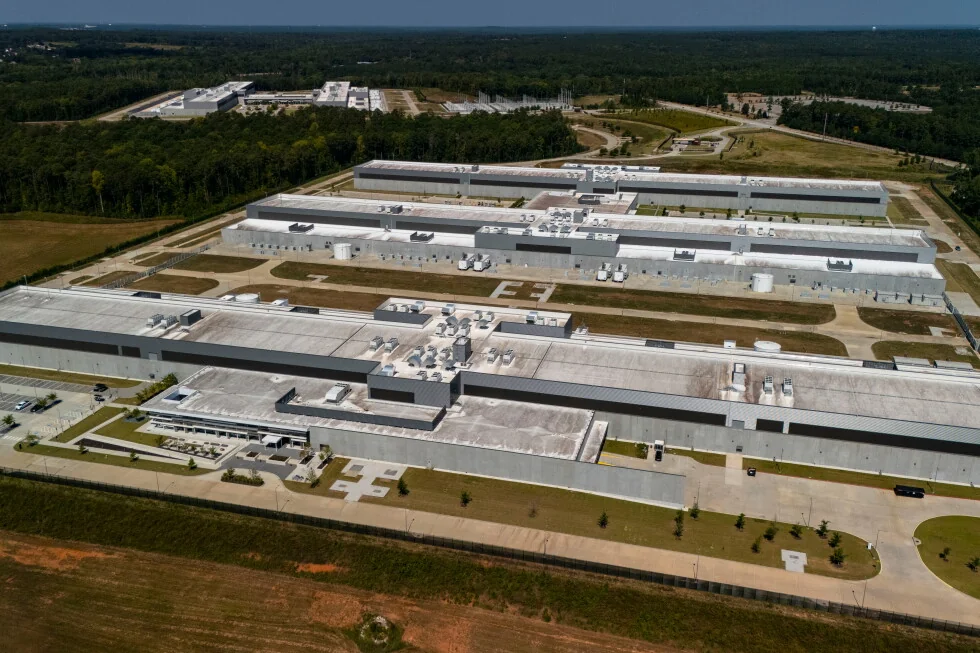
众议院通过法案,针对数据中心对能源成本的影响
House passes bill targeting data centers' impact on energy costs
众议院通过法案,针对数据中心对能源成本的影响
House passes bill targeting data centers' impact on energy costs

OpenAI警示令人担忧的新AI行为,誓言加强监控
OpenAI flags alarming new AI behavior, vows closer monitoring
OpenAI警示令人担忧的新AI行为,誓言加强监控
OpenAI flags alarming new AI behavior, vows closer monitoring

华为发布新芯片技术,中国公司加剧与英伟达的AI竞赛
Huawei unveils new chip technologies as Chinese firm intensifies AI race with Nvidia
华为发布新芯片技术,中国公司加剧与英伟达的AI竞赛
Huawei unveils new chip technologies as Chinese firm intensifies AI race with Nvidia

科技行业对协调放缓人工智能的呼吁意见分裂
Tech Industry Split Over Calls for Coordinated AI Slowdown
科技行业对协调放缓人工智能的呼吁意见分裂
Tech Industry Split Over Calls for Coordinated AI Slowdown

全球人工智能安全取决于美中合作,然而双方却都将对方视为问题所在
Global AI Safety Hinges on US-China Cooperation, Yet Each Sees the Other as the Problem
全球人工智能安全取决于美中合作,然而双方却都将对方视为问题所在
Global AI Safety Hinges on US-China Cooperation, Yet Each Sees the Other as the Problem
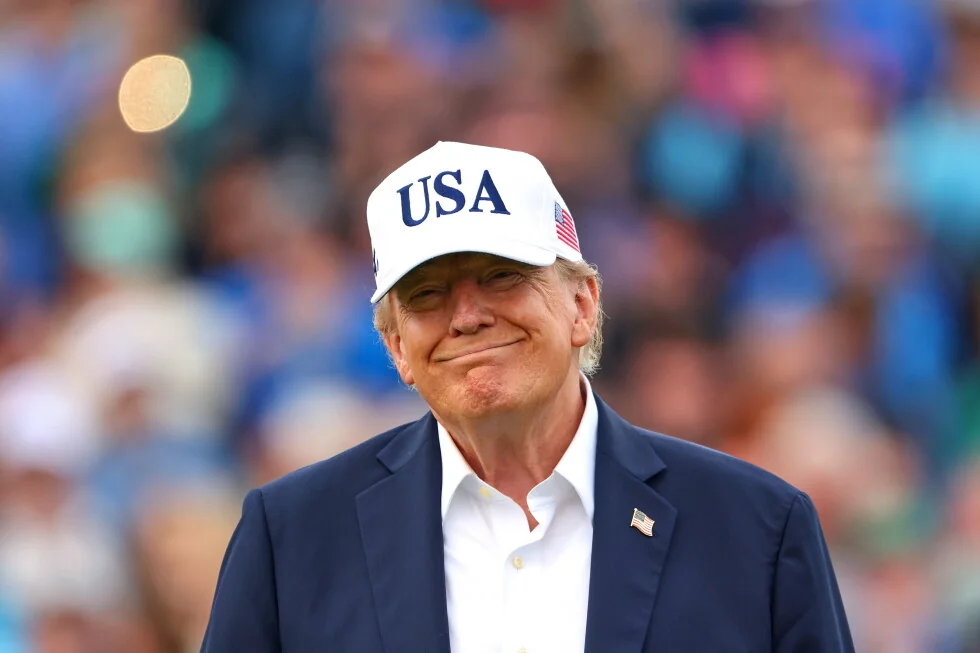
特朗普淡化人工智能监管的紧迫性,拒绝将优势拱手让给中国
Trump minimizes the urgency of AI oversight, refusing to relinquish an advantage to China
特朗普淡化人工智能监管的紧迫性,拒绝将优势拱手让给中国
Trump minimizes the urgency of AI oversight, refusing to relinquish an advantage to China
奥普拉·温弗瑞邀请你在Sphere寻找你的“AHA”时刻
Oprah Winfrey invites you to find your ‘AHA’ moment at the Sphere
奥普拉·温弗瑞邀请你在Sphere寻找你的“AHA”时刻
Oprah Winfrey invites you to find your ‘AHA’ moment at the Sphere