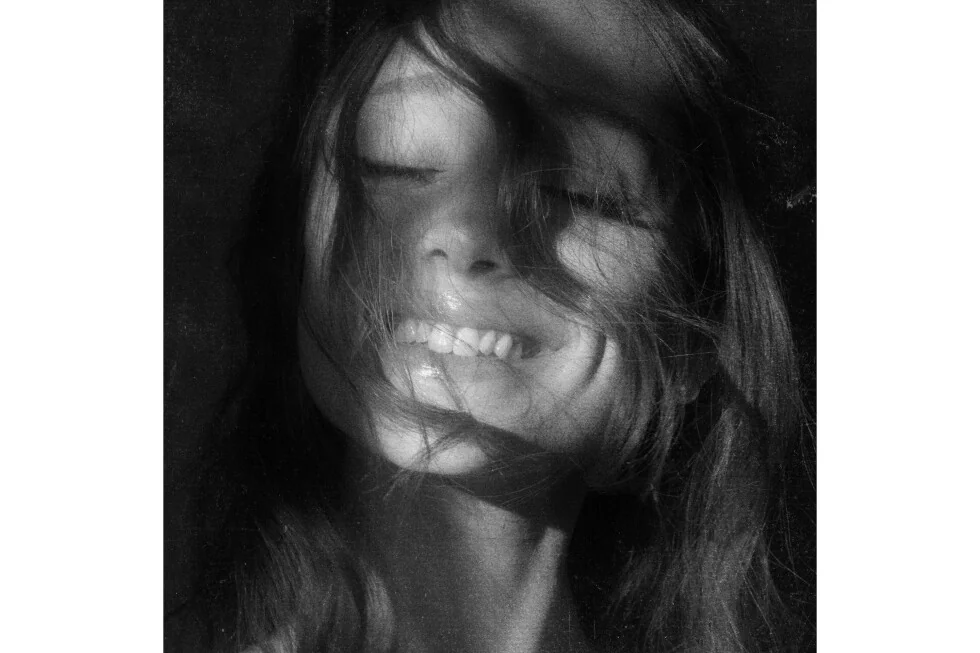
Music Review: Ariana Grande's "Petal" Reveals the Pop Superstar's Most Introspective Side
August 1st, 2026
Music Review: Ariana Grande's "Petal" Reveals the Pop Superstar's Most Introspective Side
🇺🇸 English
那位以高亢嗓音著称的亚莉安娜·格兰德已然销声匿迹。
在其第八张录音室专辑《Petal》中——此作亦为她结束《魔法坏女巫》的演出、继2024年《永恒阳光》之后的首张完整专辑——这位流行乐坛的巨擘以十二首极致内省的曲目,展开了向内的深刻探索。
首支單曲〈Hate That I Made You Love Me〉以其低調的迴響和流暢的鉤子,直接預示了接下來風格的轉變。
這首歌成為格蘭德在告示牌百大單曲榜的第十首冠軍單曲,以壓抑的聲線為特色,卻在她與製作人伊利亞·薩爾曼扎德(自2018年《甜味劑》合作至今)以及瑞典神秘人物馬克斯·馬丁的製作下,透過沸騰的分解和弦合成器和軟流行副歌而活躍起來。
初聽時,這感覺像是個考驗:這位以唱功壓倒競爭對手聞名的歌手,能駕馭如此低調的聲樂表現嗎?
她唱道:「我恨我讓你愛上我」,對象是誰則留給聽眾解讀。
「因為我幾乎沒費力氣。」
在最令人屏息的瞬間,流露出一種渾然天成的從容,而這正是貫穿《Petal》十二首樂曲的核心底蘊。
靈動的編曲在〈Oh Well〉中再度浮現,巧妙地掩飾了歌詞中昭然若揭的決裂意味。
她唱道:「美好事物足以取代失序與執迷/多謝,但我送你出門/願你通往地獄之路順遂無阻/喔,算了!」
此處匯集了多樣化的質感,較以往更顯沉穩——近乎慵懶,卻仍保有相當的魅力。
《Petal》散發著一股沉鬱的R&B氣韻,得益於SZA行雲流水般的演繹;〈Freak〉則宛如一場清醒的夢境,抑或是一場噩夢——一首輕盈的自白,籠罩在迷離的人聲疊錄之中。
沒有她標誌性的即興揮灑,沒有鋪張的聲樂炫技。
格蘭德已然邁步向前,這是她應得的權利。
然而,她那「強烈情感」的細膩筆觸,是否足以維繫忠實樂迷的投入與熱忱?
一個更為大膽、動態的格蘭德在專輯最後三分之一(亦為最精華之處)重新現身,尤其在〈Like I Do〉中爆裂的貝斯聲線之上,或是在慢熱的〈Never Get Over Me〉中那句「草更綠了/因為我一直在你之下」的歌詞裡。
歌曲來去自如,讓專輯亮點〈Bad Thing (Bunny Hop)〉以迷戀的衝擊力襲來——這正是其用意所在,挾帶夢幻流行吉他的爆炸性、威肯式的推進動能,以及她標誌性創意發音所引發的胃裡蝴蝶亂飛般的抒情效果。
(例如:「感覺像個青少年/我想我真的需要你。」)
這最終引領至結尾曲〈Nowhere, Nobody〉,其中蘊含復古的聲樂旋律與聲碼器效果。
在《Petal》的新聞資料中,格蘭德將這張專輯描述為「某種充滿生命、從冰冷、堅硬和具有挑戰性的事物裂縫中生長的東西。」
這其中有些道理:這十幾首歌中蘊藏著細微的歡愉,被掩埋於空靈的製作與慵懶的旋律之下。
然而,對流行樂壇最具韌性的歌手而言,選擇內斂亦是一種解放。
August 1st, 2026
Trending Articles
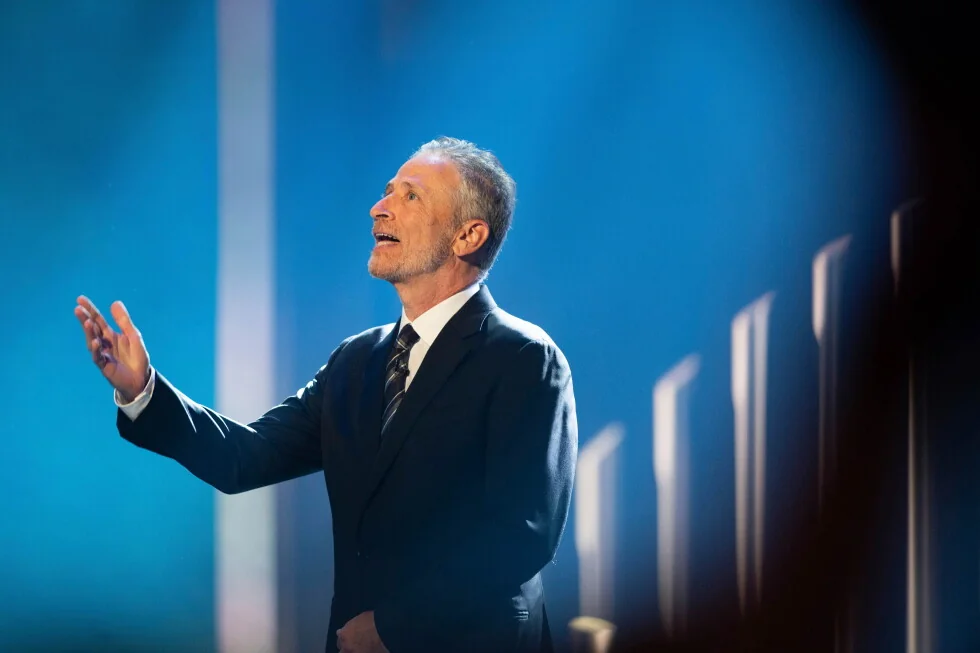
Jon Stewart explains why he continues to support first responders through charity
喬恩·史都華解釋為何持續慈善支持急救人員
Jon Stewart explains why he continues to support first responders through charity
喬恩·史都華解釋為何持續慈善支持急救人員
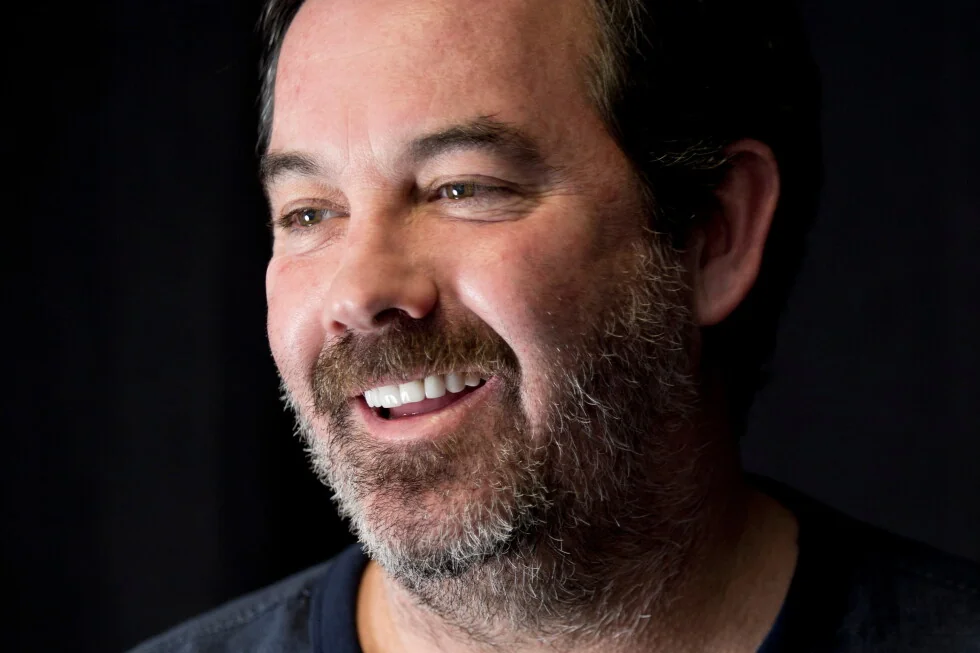
Tony and Grammy Award winner Duncan Sheik, the composer of "Spring Awakening" and pop singer, has passed away at the age of 56.
東尼獎與葛萊美獎得主、《春醒》作曲家兼流行歌手鄧肯·謝克辭世,享年56歲
Tony and Grammy Award winner Duncan Sheik, the composer of "Spring Awakening" and pop singer, has passed away at the age of 56.
東尼獎與葛萊美獎得主、《春醒》作曲家兼流行歌手鄧肯·謝克辭世,享年56歲
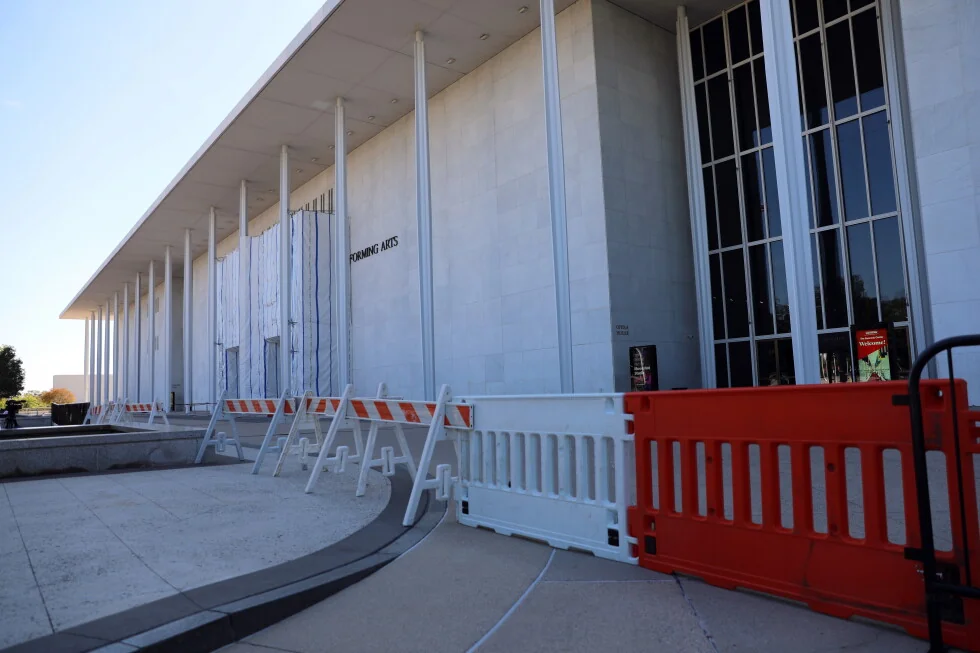
The judge requires 30 days' advance notice before major changes at the Kennedy Center.
法官要求甘迺迪中心重大變更前須提前30天通知
The judge requires 30 days' advance notice before major changes at the Kennedy Center.
法官要求甘迺迪中心重大變更前須提前30天通知

After Los Angeles acclaim, Dudamel moves on to New York
洛杉磯讚譽後,杜達美爾轉戰紐約
After Los Angeles acclaim, Dudamel moves on to New York
洛杉磯讚譽後,杜達美爾轉戰紐約

"Pittsburgh" fights to defend its title, while "Widow's Bay" may set off an epic wave, as the Emmys raise the curtain.
《匹茲堡》力爭衛冕,《寡婦灣》或掀史詩級浪潮,艾美獎揭幕
"Pittsburgh" fights to defend its title, while "Widow's Bay" may set off an epic wave, as the Emmys raise the curtain.
《匹茲堡》力爭衛冕,《寡婦灣》或掀史詩級浪潮,艾美獎揭幕

Bob Mackie Dies at 87: The Legendary Designer Who Dressed Cher and Marilyn, and Defined 70s Glamour
鮑勃·麥基逝世享年87歲:為雪兒與瑪麗蓮設計服裝、定義70年代魅力的傳奇設計師
Bob Mackie Dies at 87: The Legendary Designer Who Dressed Cher and Marilyn, and Defined 70s Glamour
鮑勃·麥基逝世享年87歲:為雪兒與瑪麗蓮設計服裝、定義70年代魅力的傳奇設計師

Film Review: 'Magic Hour 2' Should Stay True to the Original Spellbook
影評:《魔法時刻2》應忠於原版魔法書
Film Review: 'Magic Hour 2' Should Stay True to the Original Spellbook
影評:《魔法時刻2》應忠於原版魔法書

A French museum was burglarized, and four paintings by Renoir were stolen, two of which remain missing to this day.
法國博物館遭竊,四幅雷諾瓦畫作被盜,其中兩幅至今仍下落不明。
A French museum was burglarized, and four paintings by Renoir were stolen, two of which remain missing to this day.
法國博物館遭竊,四幅雷諾瓦畫作被盜,其中兩幅至今仍下落不明。

Elon Musk documentary and thriller starring Penélope Cruz and Javier Bardem premiere at the Venice Film Festival
伊隆·馬斯克紀錄片與潘妮洛普·克魯茲、哈維爾·巴登主演驚悚片於威尼斯影展首映
Elon Musk documentary and thriller starring Penélope Cruz and Javier Bardem premiere at the Venice Film Festival
伊隆·馬斯克紀錄片與潘妮洛普·克魯茲、哈維爾·巴登主演驚悚片於威尼斯影展首映

The jury found the man guilty of first-degree murder in the 1996 killing of rap icon Tupac Shakur.
陪審團裁定男子於1996年謀殺饒舌偶像圖帕克·夏庫爾一級謀殺罪名成立
The jury found the man guilty of first-degree murder in the 1996 killing of rap icon Tupac Shakur.
陪審團裁定男子於1996年謀殺饒舌偶像圖帕克·夏庫爾一級謀殺罪名成立