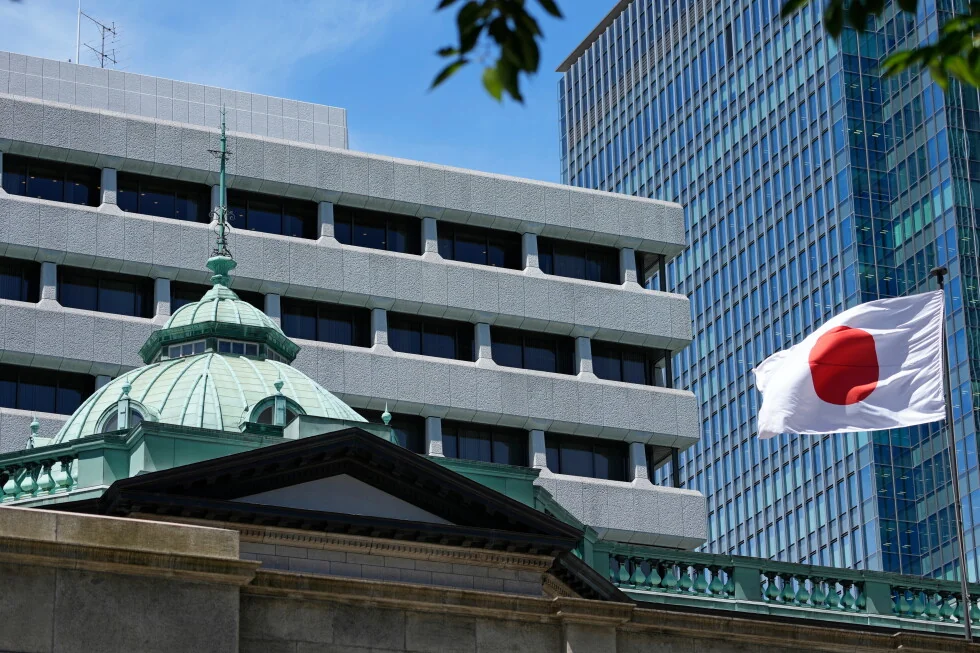
La banque centrale du Japon relève son taux d'intérêt directeur à 1,25 %, un plus haut depuis 31 ans
September 18th, 2026
La banque centrale du Japon relève son taux d'intérêt directeur à 1,25 %, un plus haut depuis 31 ans
🇫🇷 Français
Japan’s central bank raised its benchmark interest rate to 1.25% from 1.0% on Friday.
That is the highest level in 31 years.
The Bank of Japan has been trying to normalize monetary policy after decades of keeping rates near or below zero.
Those low rates were meant to encourage borrowing and spending against deflation.
The increase in the uncollateralized overnight call rate, a short-term rate, was expected after the two-day policy board meeting.
Bank of Japan Gov. Kazuo Ueda said the decision considered risks such as the war in Iran, growing demand for artificial intelligence, and currency moves.
He told reporters the Japanese economy is recovering gradually and inflation is close to the 2% target.
Two of the nine board members dissented, citing concerns about the strength of Japan’s growth, according to Ueda.
Analysts have said another increase is possible later this year or early next year.
Ueda stressed that more time is needed to see if price rises stay stable.
He said wage growth and other risks must be watched.
The U.S. Federal Reserve also raised its key rate this week, its first increase since 2023, to fight stubbornly high inflation.
The U.S. has pressured Japan to raise rates over concerns about the weakening yen.
The two nations recently intervened together to support the yen.
Despite the Bank of Japan’s move, the dollar strengthened, briefly reaching above 157 yen.
It had reached above 160 yen earlier this year.
Japan’s inflation is now about the 2% target, though some consumers complain that price surges are too much, especially for gas and oil-related products.
Economist Harumi Taguchi of S&P Global Market Intelligence said that with crude oil prices elevated, the Bank of Japan is expected to raise rates again sooner rather than later.
This would limit the risk that consumer inflation exceeds underlying inflation.
She added that higher rates may weigh on the economy through heavier borrowing costs for small and medium-sized enterprises and higher mortgages.
Analysts are also worried about aggressive public spending promised by Prime Minister Sanae Takaichi’s government, such as tax cuts and defense investments, when public debt is already ballooning.
Tokyo’s benchmark Nikkei 225 rose 1.4% after the decision.
September 18th, 2026
Trending Articles
Warren Buffett abandonne son rôle de président de Berkshire Hathaway, prochaine étape du plan de succession
Warren Buffett gives up chairman role at Berkshire Hathaway in next step of succession plan
Warren Buffett abandonne son rôle de président de Berkshire Hathaway, prochaine étape du plan de succession
Warren Buffett gives up chairman role at Berkshire Hathaway in next step of succession plan
Trump cible d'autres médias et dit qu'il bannira CNN, MS NOW et Politico de la Maison-Blanche
Trump targets more news outlets, says he will ban CNN, MS NOW and Politico from the White House
Trump cible d'autres médias et dit qu'il bannira CNN, MS NOW et Politico de la Maison-Blanche
Trump targets more news outlets, says he will ban CNN, MS NOW and Politico from the White House

Anthropic affirme que son modèle Claude aide à construire la prochaine version de lui-même
Anthropic says its Claude model is helping build the next version of itself
Anthropic affirme que son modèle Claude aide à construire la prochaine version de lui-même
Anthropic says its Claude model is helping build the next version of itself
Pourquoi la Réserve fédérale augmente ses taux maintenant, et ce que cela signifie
Why the Federal Reserve is raising rates now, and what it means
Pourquoi la Réserve fédérale augmente ses taux maintenant, et ce que cela signifie
Why the Federal Reserve is raising rates now, and what it means
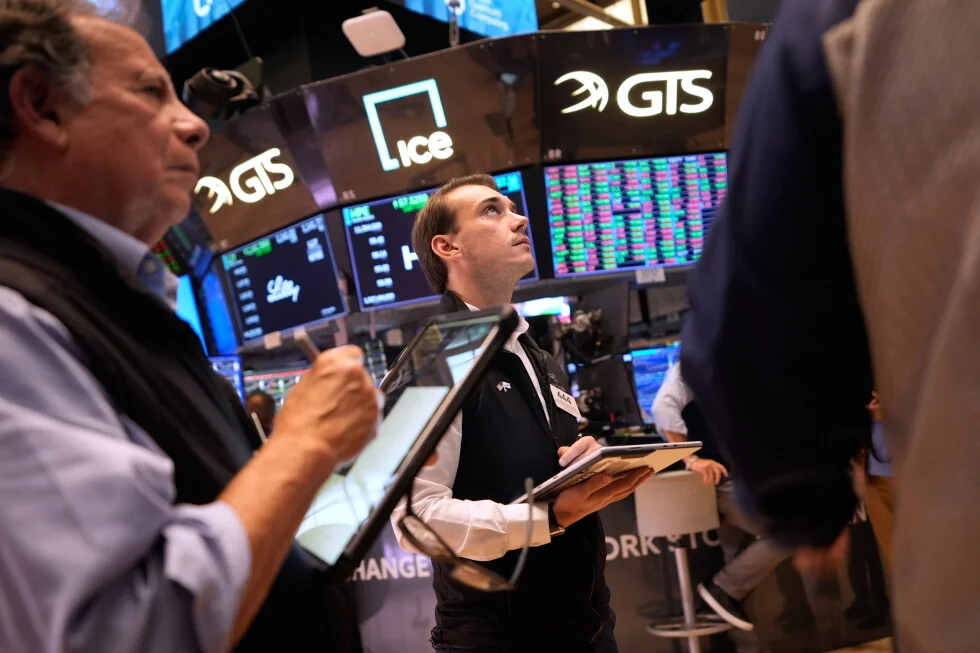
Les actions américaines connaissent leur meilleure journée en 6 semaines, portées par la baisse du pétrole et des rendements obligataires
US stocks have best day in 6 weeks as oil prices and bond yields fall
Les actions américaines connaissent leur meilleure journée en 6 semaines, portées par la baisse du pétrole et des rendements obligataires
US stocks have best day in 6 weeks as oil prices and bond yields fall
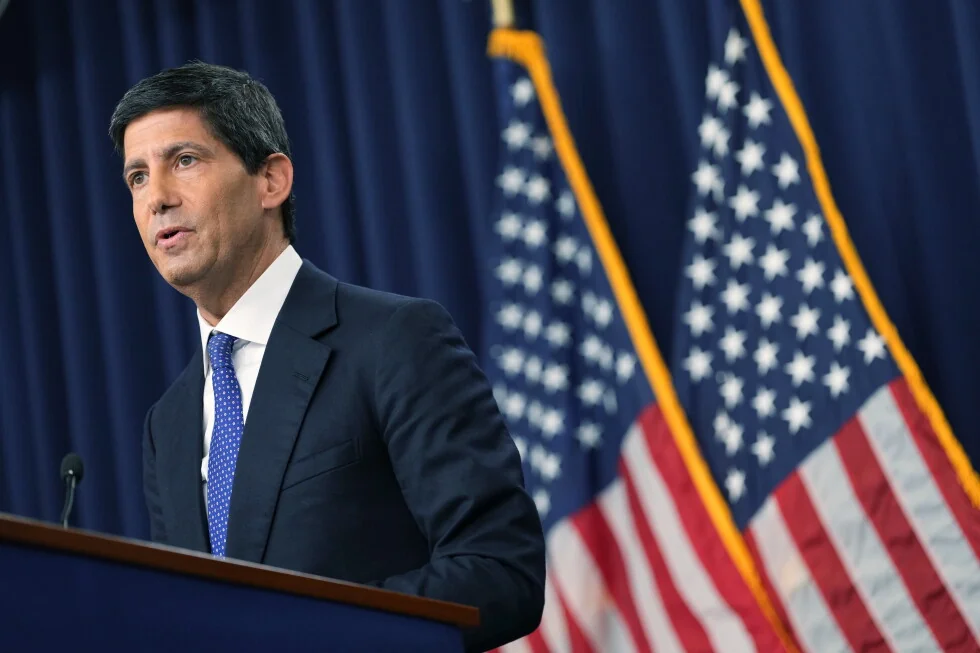
La Réserve fédérale relève son taux directeur pour la première fois en 3 ans, malgré les appels de Trump à une baisse
Federal Reserve raises key rate for 1st time in 3 years, despite Trump's calls for a cut
La Réserve fédérale relève son taux directeur pour la première fois en 3 ans, malgré les appels de Trump à une baisse
Federal Reserve raises key rate for 1st time in 3 years, despite Trump's calls for a cut

Les demandes d'allocations chômage tombent à 196 000, le plus bas depuis la mi-juillet, les licenciements restant faibles
Unemployment claims fall to 196,000, lowest since mid-July as layoffs stay low
Les demandes d'allocations chômage tombent à 196 000, le plus bas depuis la mi-juillet, les licenciements restant faibles
Unemployment claims fall to 196,000, lowest since mid-July as layoffs stay low

Trump qualifie les risques de l’IA de « canular » et parle d’une « SICK conspiration » contre l’IA et les centres de données
Trump calls AI risks a ‘hoax,’ says there is a ‘SICK conspiracy’ against AI and data centers
Trump qualifie les risques de l’IA de « canular » et parle d’une « SICK conspiration » contre l’IA et les centres de données
Trump calls AI risks a ‘hoax,’ says there is a ‘SICK conspiracy’ against AI and data centers

La Cour suprême va statuer sur la contestation d'un pêcheur de homards du Maine contre la règle du traceur GPS sur les bateaux
Supreme Court to decide on Maine lobsterman’s challenge to GPS boat tracker rule
La Cour suprême va statuer sur la contestation d'un pêcheur de homards du Maine contre la règle du traceur GPS sur les bateaux
Supreme Court to decide on Maine lobsterman’s challenge to GPS boat tracker rule