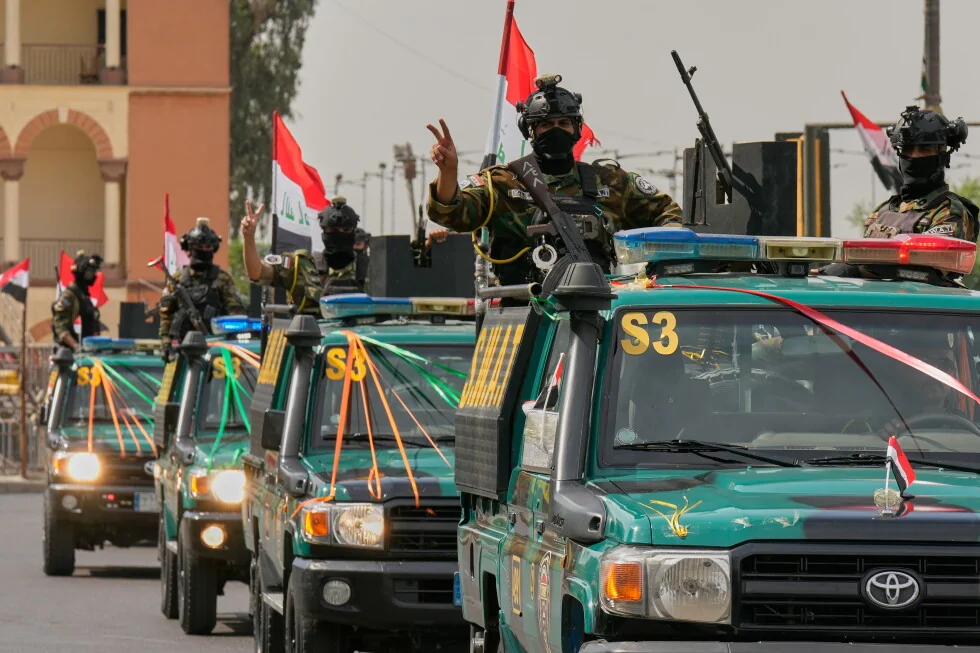
Trump lavishes praise on the US military as it withdraws, ending its 12-year mission in Iraq
September 30th, 2026
Trump lavishes praise on the US military as it withdraws, ending its 12-year mission in Iraq
🇺🇸 English
美國軍方於週三宣布,美軍業已悉數撤離伊拉克,為期十二載之打擊伊斯蘭國組織任務遂告終結,總統唐納·川普藉此盛讚此乃「一場代價極其高昂的地獄之旅」之終焉。
依據巴格達與華盛頓所締結之協議,末批美軍業已撤離伊拉克北部之一處空軍基地。
川普於社群媒體貼文中,將9月30日期限前所完成之撤離行動,形容為「有序」。
未幾,他出席白宮一場慶祝西語裔之活動,並就此次撤離侃侃而談,表示:「長久以來,極其糟糕之決策自始便將我們捲入此一泥淖。
那著實是一場泥淖。
持續了許許多多年。
然而,那段歷史旋即就將告終。」
他宣稱,此番轉變不僅是美國與伊拉克的勝利,更標誌著對伊斯蘭國組織的戰勝。
這項兩年前締結的撤離協議,恰逢美國與伊朗持續交戰之際;而這場戰爭有時亦殃及伊拉克——伊朗所支持的民兵向美軍開火,美國則打擊這些組織的據點。
川普發表上述談話之際,其於今年稍早決定對伊朗開戰之舉,亦因任務目標不明確,在接近第七個月之際被拿來與伊拉克戰爭相提並論。
川普於白宮公開露面之際作出此番比較,主張其今年稍早在委內瑞拉為抓捕時任總統尼古拉斯·馬杜羅所發動之一日軍事行動,以及伊朗戰爭,相形之下皆更為有利,蓋因前者耗時遠為短暫,美軍陣亡人數亦更形寥寥。
近年來,華盛頓雖力圖將戰略重心自中東轉移至亞洲,然此一轉向殊非一以貫之:五角大廈時而削減其於中東之部署,時而復陷身於新興衝突之中——其中包括持續未歇之伊朗戰爭。
巴格達將美國任務的結束譽為該國實力與主權與日俱增之象徵。
此次撤離固然令伊朗所支持的團體額手稱慶,卻也在其他若干伊拉克人之間激起憂慮,尤其在庫德地區,許多人憂心伊斯蘭國組織死灰復燃,以及與伊朗有關聯的團體發動更多攻勢——這些團體恐因美軍撤離而有恃無恐。
與此同時,伊拉克民兵之前途仍懸而未決;巴格達政府雖屢圖解除其武裝,然迄今收效甚微。
五角大廈發言人尚恩·帕內爾於一份聲明中表示,美軍及其裝備業已完成自伊拉克北部半自治庫德地區埃爾比勒空軍基地的「有序撤離」。
他表示:「此一里程碑所彰顯者,乃一項歷時十二載之行動之斐然成果;該行動旨在伊拉克及整個區域擊潰作為有組織軍事威脅之ISIS。
此亦標誌著由戰時聯盟任務,向由伊拉克主導、並以更趨常態化之雙邊安全關係為依託之安全努力之轉型。」
他繼而補充道,美軍「將持續為我方伊拉克夥伴提供具針對性的訓練與情報支援」。
伊拉克總理阿里·阿爾-扎伊迪主持了交接儀式,並將美軍之撤離譽為一個「新階段」之肇始——此階段以伊拉克之主權、其機構之實力、其部隊之戰備程度、其決策之團結,以及與其友邦之間均衡之夥伴關係為表徵。
他宣稱,伊拉克安全部隊將持續對IS展開打擊行動,政府亦將確保非國家團體不再持有武器。
川普於週三的談話中對阿爾-扎伊迪不吝溢美之詞,盛讚其「傑出」,係「了不起的人,我的朋友」,且「有望能把事情處理得非常好」。
他似亦亟欲將阿爾-扎伊迪之領導地位歸功於己,聲稱這位伊拉克領導人「正在競選」,「原本連一點機會都沒有,我為他背書,還替他稍微助選,最後他以近乎壓倒性優勢獲勝」。
阿爾-扎伊迪並未名列於選票之上,而是在伊拉克主要議會集團歷經數週內部爭論後予以提名之際,方獲推舉為總理;此前,川普已公開宣告反對該聯盟先前所作出之人選。
美軍於2003年揮師入侵伊拉克,旨在推翻薩達姆·海珊之政權。
及至2011年,美軍撤離該地;然三年之後,伊拉克當局復邀一支規模較小、由美國主導之任務部隊進駐,以剿滅伊斯蘭國組織——該組織曾於伊拉克全境肆虐,攻城掠地,奪取大片領土。
隨著該極端組織遭削弱至僅餘零散潛伏小組之際,華盛頓與巴格達於2024年達成共識,決議逐步終結此項任務。
美軍於去年撤離伊拉克大部分地區之基地,惟於半自治之北部庫德地區仍維持數百人之小規模駐紮。
自美國與以色列於2月28日對伊朗開戰以降,當地基地屢遭襲擊。
伊朗所支持之伊拉克民兵亦與葉門青年運動叛軍協同,對沙烏地阿拉伯發動攻擊。
伊拉克政府最初將美軍撤離之九月三十日期限,與非國家武裝團體須於該日期前解除武裝一事相掛鉤。
儘管為數不多、影響力相對薄弱的民兵組織已應允繳械,與伊朗過從甚密者卻不乏實力雄厚之團體,其或斷然拒斥此一前景,或就解除武裝一事設下政府幾無可能兌現之先決條件。
阿爾-扎伊迪其後已收回該期限。
他本月稍早向《紐約時報》透露,民兵解除武裝的期限業已延宕至2027年6月。
美軍撤離所引發的效應或許不會旋即浮現,尤其鑑於美軍之存在此前已然削減。
然而,伊拉克庫德地區官員業已對撤離一事表達焦慮,特別是針對美軍防空系統撤除一事。
庫德地區政府自由鬥士部披露,於近期美伊衝突期間,庫德地區遭受逾1,000次無人機與彈道飛彈襲擊。
聲明續稱:「值此錯綜複雜之地緣局勢,美方竟於未予庫德族防禦系統之情況下逕自撤離,實令人憂心忡忡。」
與此同時,伊拉克境內親伊朗團體則對美軍撤離額手稱慶。
強大民兵組織真主黨旅的安全官員阿布·穆賈希德·阿爾-阿薩夫在聲明中宣稱:「將佔領軍擊潰並逐出伊拉克領土,乃全面主權之濫觴。」
他進而告誡阿爾-扎伊迪及其政府切勿付諸美國之計畫,並恫嚇道:「凡施政不以人民福祉為依歸之政府,皆將遭致一切手段之顛覆。」
伊朗所支持之民兵傘形組織「伊拉克伊斯蘭抵抗」於聲明中宣稱,其與政府就武器規範所進行之談判未能達成協議,並表示該組織「不受政府或政治實體宣布的任何時間表或協議約束」。
該組織復稱,願接受「任何能保障伊拉克主權與尊嚴的對話」。
September 30th, 2026
Trending Articles
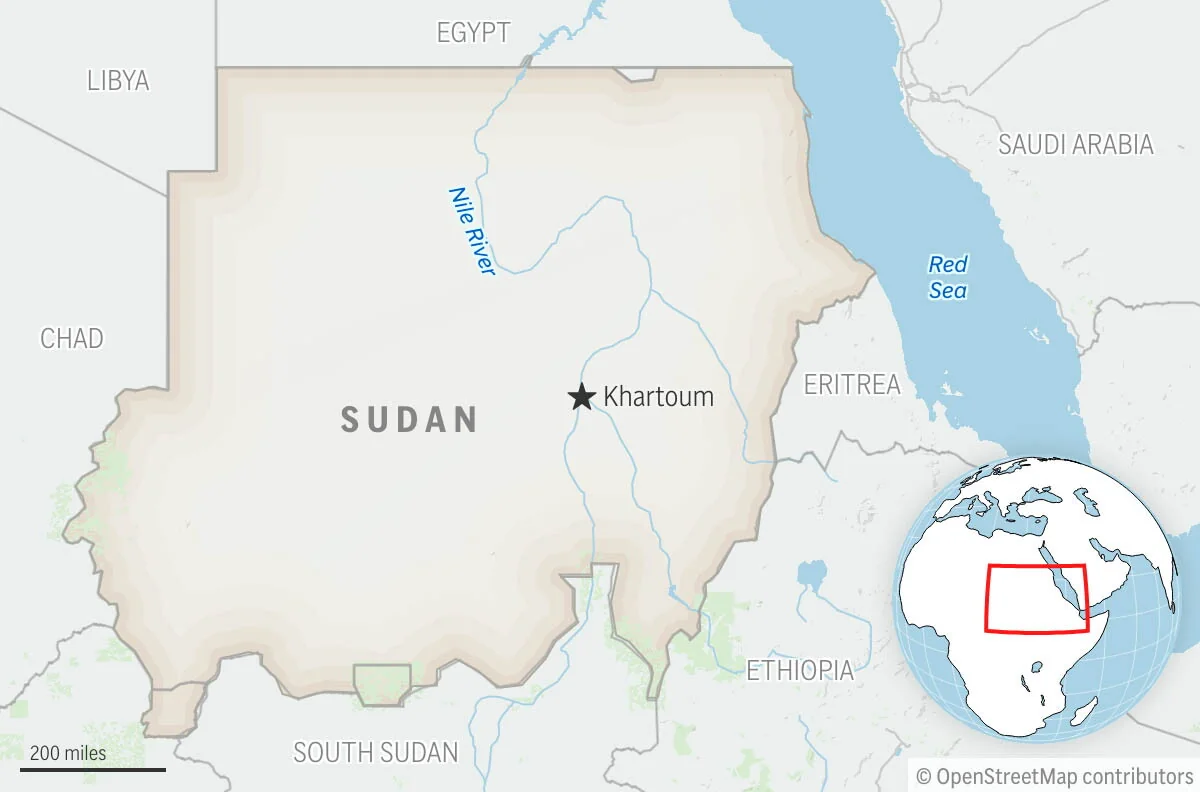
Human rights organization: Sudan paramilitary drone strike near Ethiopian border kills 41
人權組織:蘇丹準軍事組織無人機襲擊衣索比亞邊境鄰近地區 致41人罹難
Human rights organization: Sudan paramilitary drone strike near Ethiopian border kills 41
人權組織:蘇丹準軍事組織無人機襲擊衣索比亞邊境鄰近地區 致41人罹難
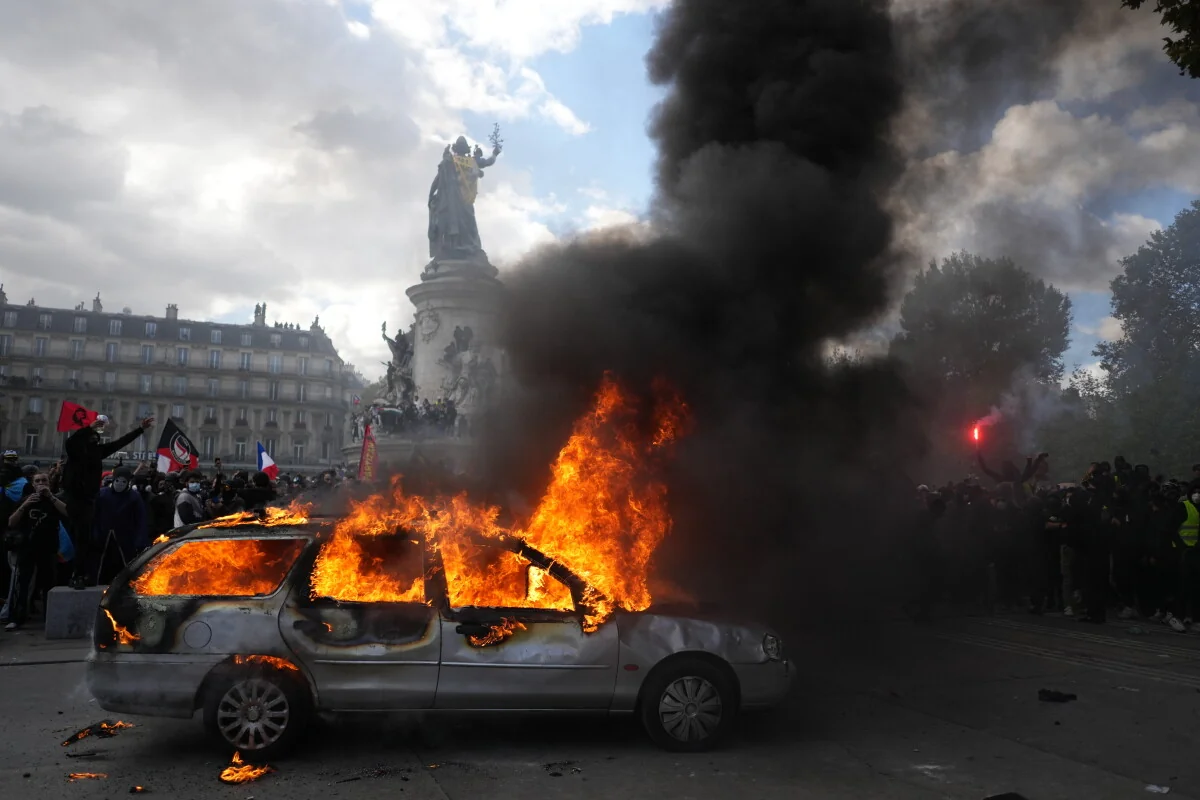
Curfew in two Paris districts: police strive to prevent unrest from spreading
巴黎兩區宵禁 警方力阻騷亂蔓延
Curfew in two Paris districts: police strive to prevent unrest from spreading
巴黎兩區宵禁 警方力阻騷亂蔓延

DHS Grants Deferred Deportation to Over 100,000 Ukrainian and Sudanese Citizens
國土安全部准逾10萬烏克蘭與蘇丹公民暫緩遣返
DHS Grants Deferred Deportation to Over 100,000 Ukrainian and Sudanese Citizens
國土安全部准逾10萬烏克蘭與蘇丹公民暫緩遣返
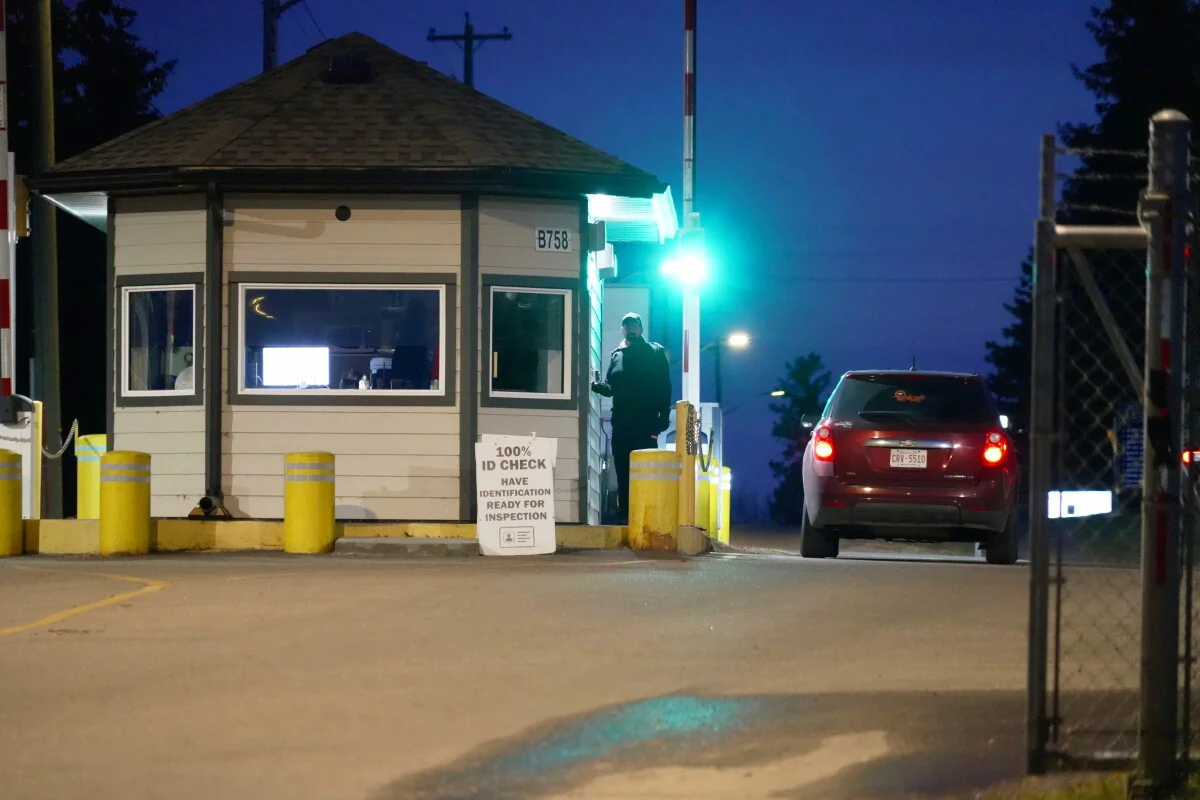
Canada deploys 50 investigators to probe military base fire that killed 4 soldiers
加拿大部署50名調查人員調查軍事基地火災,致4名士兵死亡
Canada deploys 50 investigators to probe military base fire that killed 4 soldiers
加拿大部署50名調查人員調查軍事基地火災,致4名士兵死亡
UK Prime Minister: The suspected plot at the US military base can almost certainly be attributed to Iranian masterminding.
英國首相:美軍基地疑似陰謀幾可斷定由伊朗幕後指使
UK Prime Minister: The suspected plot at the US military base can almost certainly be attributed to Iranian masterminding.
英國首相:美軍基地疑似陰謀幾可斷定由伊朗幕後指使
Saudi investigation: Why did the defense system fail to intercept the Houthi armed group's deadly attack on Riyadh airport?
沙烏地調查:防禦系統何以未能攔截胡塞武裝對利雅德機場的致命攻擊
Saudi investigation: Why did the defense system fail to intercept the Houthi armed group's deadly attack on Riyadh airport?
沙烏地調查:防禦系統何以未能攔截胡塞武裝對利雅德機場的致命攻擊
NATO commander: NATO does not want war, but is "ready to fight tonight"
北約指揮官:北約不想要戰爭,但「準備今晚就開戰」
NATO commander: NATO does not want war, but is "ready to fight tonight"
北約指揮官:北約不想要戰爭,但「準備今晚就開戰」
Dubai Air Emergency Landing in Saudi Arabia: Key Information on the Terrifying Flight
杜拜航空迫降沙烏地阿拉伯:恐怖航班關鍵資訊
Dubai Air Emergency Landing in Saudi Arabia: Key Information on the Terrifying Flight
杜拜航空迫降沙烏地阿拉伯:恐怖航班關鍵資訊
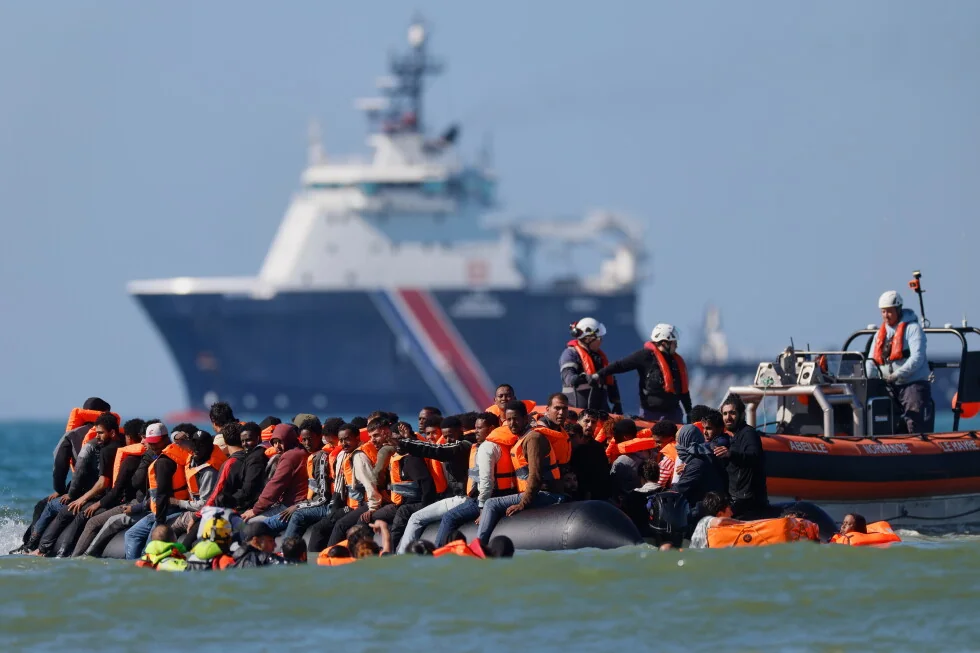
Anglo-French Agreement Scrapped: Curbing Small Boat Migrants Crossing the English Channel
英法協議廢除:遏止小船移民橫渡英吉利海峽
Anglo-French Agreement Scrapped: Curbing Small Boat Migrants Crossing the English Channel
英法協議廢除:遏止小船移民橫渡英吉利海峽