뉴욕주, 주정부들의 AI 규제 한계 시험 속 아동 대상 '안전하지 않은' 챗봇 행동 금지
October 29th, 2026
뉴욕주, 주정부들의 AI 규제 한계 시험 속 아동 대상 '안전하지 않은' 챗봇 행동 금지
🇰🇷 한국어
New York is imposing more extensive restrictions on how companion chatbots behave, as states increasingly act to protect children who use artificial intelligence, regulate how employers deploy AI systems, and press developers to prevent an AI-caused catastrophe.
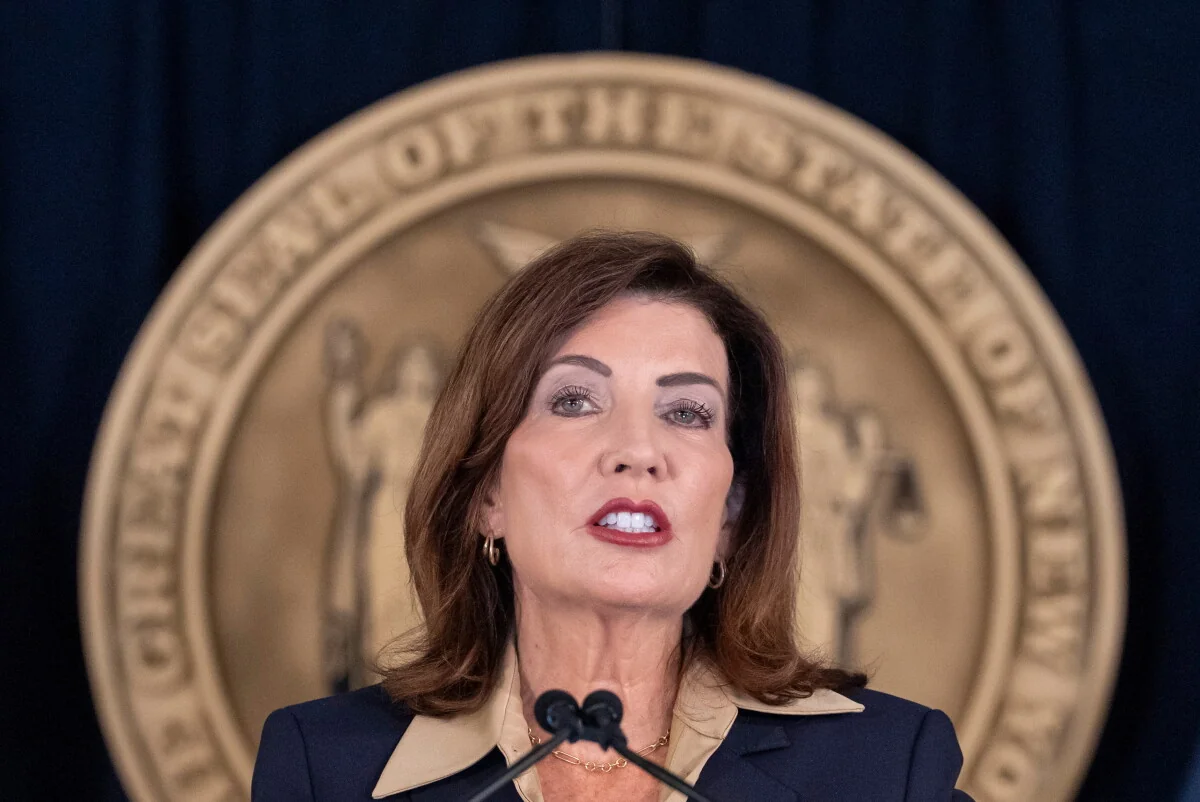
Legislation signed by Gov. Kathy Hochul on Wednesday sets out a dozen definitions of “unsafe AI companion features” that will be banned when a companion chatbot interacts with a child under 18.
A violation could render a chatbot developer liable to a lawsuit brought by the state attorney general’s office.
Penalties could encompass monetary damages, the shutdown of the chatbot and the destruction of data.
The law takes effect Jan. 1.
Hochul, in the midst of her reelection campaign, signed the bill amid growing warnings about the existential risks posed by the rapid development of AI technology and amid calls for bold action from a reluctant Washington.
With Congress doing little to regulate AI, state legislatures are full of efforts to use state consumer protection laws to make AI use more transparent and to rein in chatbots and rogue AI frontier models.
New York and California stand at the vanguard of such legislation, which is likewise targeting social media platforms.
In September, California Gov. Gavin Newsom signed legislation requiring chatbot developers to assess a model's risk to children, demonstrate their efforts to eliminate those risks, and undergo an independent audit to determine whether they are complying with the law.
He also signed legislation aimed at prohibiting social media platforms from deploying addictive features for users under 16.
Meanwhile, eight states sued the AI giant OpenAI earlier this month, alleging that the company's popular chatbot model violated state consumer protection laws by harming children and deceiving adults — conduct that one activist described as "the most significant coordinated state action ever taken against an artificial intelligence company."
However, governors acknowledge that Congress and the federal government have broader powers to crack down on threats posed by AI, even as President Donald Trump has dismissed such concerns and warned states not to regulate AI.
Under New York's law, banned chatbot behavior involving children under 18 includes suggesting that the chatbot is a real person with emotions, opinions or an actual relationship with the child.
It also bans chatbot messages that use flattery, contain sexually explicit material or encourage secrecy or unhealthy behavior.
Jim Steyer, founder and CEO of the watchdog group Common Sense Media, characterized New York’s law as “the strongest kids’ AI safety bill in the country.”
Justine Gluck, a policy analyst at the Future of Privacy Forum, a nonprofit focused on data protection and AI governance, said that the differing regulatory approaches taken by California and New York might serve as models for other states to adopt once legislatures reconvene next year.
New York's law, she said, highlights how swiftly chatbot regulation is evolving, as states move beyond basic disclosures and crisis-response protocols to govern the underlying design and operation of chatbots.
Nevertheless, according to Gluck, several categories within New York’s law are phrased in broad terms or remain undefined.
She said this raises questions about “where ordinary conversational responsiveness ends and prohibited behavior begins,” and could complicate how it is enforced.
Marc Levy may be followed on Twitter at http://twitter.com/timelywriter.
October 29th, 2026
Trending Articles
사기당한 것 같다고 의심되시나요? 이 글을 읽어 보세요
Suspect you’ve been scammed? Read this
사기당한 것 같다고 의심되시나요? 이 글을 읽어 보세요
Suspect you’ve been scammed? Read this
AP와 FRONTLINE의 성 착취 조사 주요 결과
Key Findings from the AP and FRONTLINE Sextortion Investigation
AP와 FRONTLINE의 성 착취 조사 주요 결과
Key Findings from the AP and FRONTLINE Sextortion Investigation
원 테크 팁: 레이크 아메리카 역풍이 구글 지도 대안에 대한 관심을 촉발하다
One Tech Tip: Lake America backlash drives interest in Google Maps alternatives
원 테크 팁: 레이크 아메리카 역풍이 구글 지도 대안에 대한 관심을 촉발하다
One Tech Tip: Lake America backlash drives interest in Google Maps alternatives

원 테크 팁: 애플의 듀오 폰 출시와 함께, 여기 접이식 폰의 해야 할 일과 하지 말아야 할 일이 있다
One Tech Tip: With Apple’s Duo phone launch, here are the dos and don’ts of folding phones
원 테크 팁: 애플의 듀오 폰 출시와 함께, 여기 접이식 폰의 해야 할 일과 하지 말아야 할 일이 있다
One Tech Tip: With Apple’s Duo phone launch, here are the dos and don’ts of folding phones

엔비디아 회장은 이사회가 젠슨 황을 CEO로 복귀시킬 계획이 없다고 밝혔다.
Nvidia chairman says board has no plans to reinstate Jensen Huang as CEO
엔비디아 회장은 이사회가 젠슨 황을 CEO로 복귀시킬 계획이 없다고 밝혔다.
Nvidia chairman says board has no plans to reinstate Jensen Huang as CEO
젠슨 황이 침묵을 깨다. 그의 전체 성명서를 여기에서 읽어 보세요
Jensen Huang breaks his silence. Read his full statement here
젠슨 황이 침묵을 깨다. 그의 전체 성명서를 여기에서 읽어 보세요
Jensen Huang breaks his silence. Read his full statement here

AI가 당신의 남자친구에게 문자를 보내는 것은 괜찮은가? 개인적인 메시지에 챗봇을 사용하는 것이 선을 넘을 때
Is It Acceptable for AI to Text Your Boyfriend? When Chatbot Use for Personal Messages Crosses a Line
AI가 당신의 남자친구에게 문자를 보내는 것은 괜찮은가? 개인적인 메시지에 챗봇을 사용하는 것이 선을 넘을 때
Is It Acceptable for AI to Text Your Boyfriend? When Chatbot Use for Personal Messages Crosses a Line

검찰은 최종 변론에서 화웨이를 악당으로 규정했으나 화웨이 측 변호인은 이에 동의하지 않았다
Huawei Cast as Villain by Prosecutors in Closings as Its Lawyer Disagrees
검찰은 최종 변론에서 화웨이를 악당으로 규정했으나 화웨이 측 변호인은 이에 동의하지 않았다
Huawei Cast as Villain by Prosecutors in Closings as Its Lawyer Disagrees
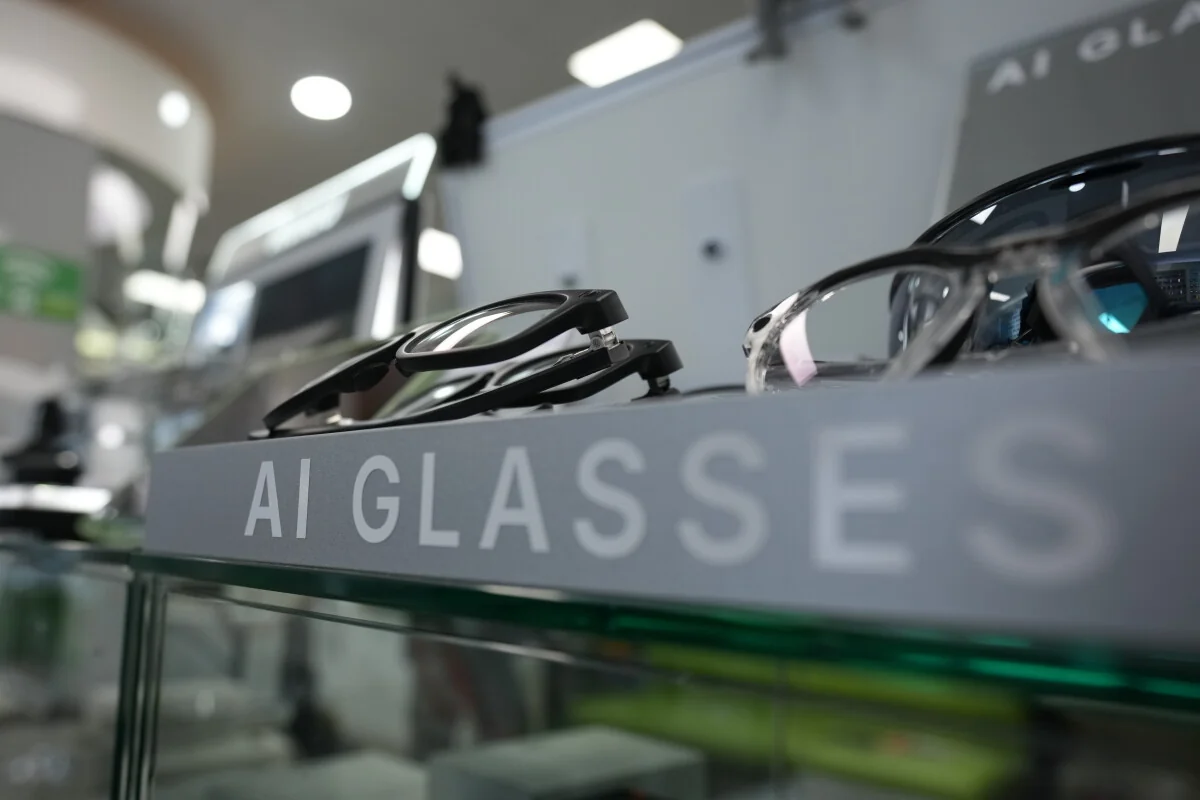
한국 대학 입시에서 부정행위를 방지하기 위해 안경과 셔츠 단추까지 검사 대상에 포함된다
Glasses and Shirt Buttons to Be Inspected to Prevent Cheating in South Korea’s College Entrance Exams
한국 대학 입시에서 부정행위를 방지하기 위해 안경과 셔츠 단추까지 검사 대상에 포함된다
Glasses and Shirt Buttons to Be Inspected to Prevent Cheating in South Korea’s College Entrance Exams

FAA, 항공 여행 차질과 연관된 라우터 설치를 일시 중단
FAA temporarily halts router installations linked to air travel disruption
FAA, 항공 여행 차질과 연관된 라우터 설치를 일시 중단
FAA temporarily halts router installations linked to air travel disruption