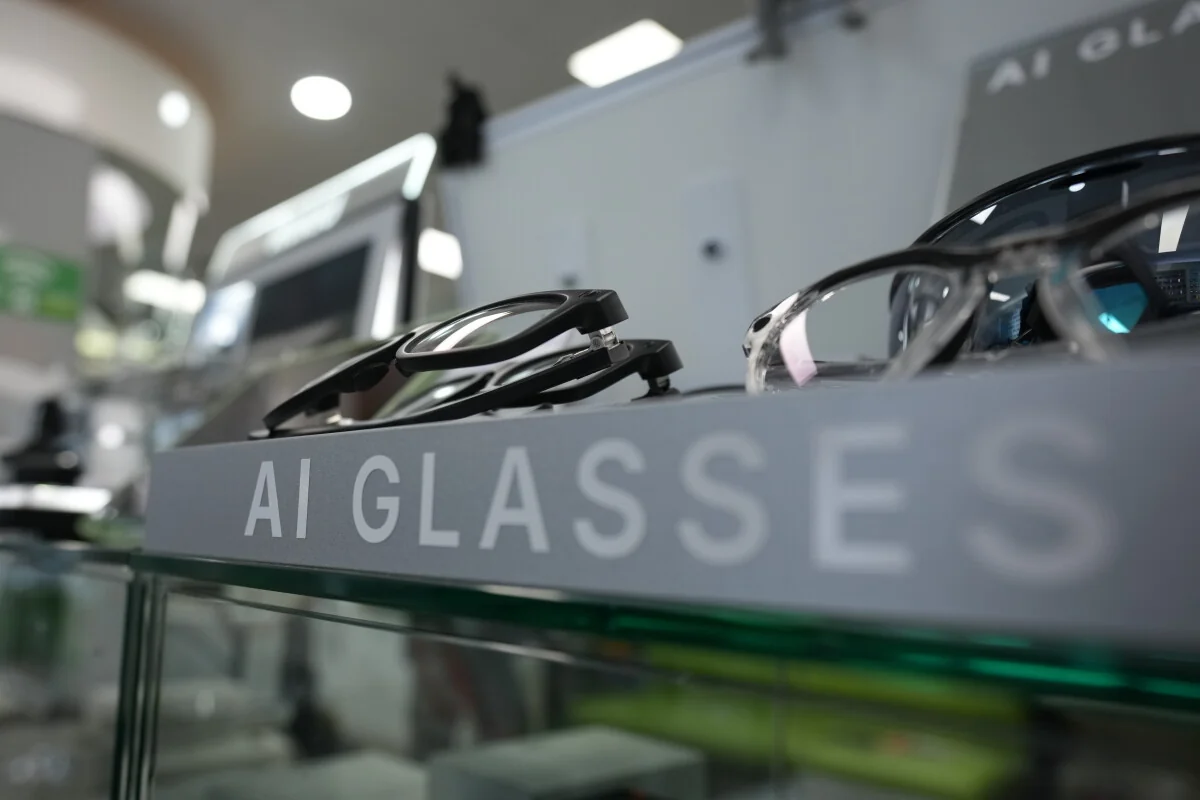
한국 대학 입시에서 부정행위를 방지하기 위해 안경과 셔츠 단추까지 검사 대상에 포함된다
November 18th, 2026
한국 대학 입시에서 부정행위를 방지하기 위해 안경과 셔츠 단추까지 검사 대상에 포함된다
🇰🇷 한국어
Proctors will inspect every test-taker's glasses and seal their shirt buttons with stickers, and authorities will deploy 8,400 additional supervisors at South Korea's college entrance exams on Thursday.
That morning, the country will also send an emergency alert that will make nearly all mobile phones nationwide buzz for about 10 seconds, using a tool usually reserved for major crises such as large earthquakes or war, to expose any devices hidden by test-takers.
The sweeping measures to combat cheating respond to concerns that artificial intelligence and smart devices are making fraud harder to detect.
In excess of 550,000 individuals will sit the exam at approximately 1,300 test sites, constituting a pivotal annual event for the nation.
South Korea is renowned for its fierce academic competition, whereby employment prospects, social standing and even marital prospects frequently depend on the school a person attends.
Concerns about cheating grew after the top scorer on a national tax accountant exam admitted to using a hidden camera, a smartphone and generative AI tools to obtain answers, the latest in a string of AI-assisted cheating cases to affect exams in recent months.
In a televised briefing on Tuesday, Prime Minister Han Seongsook said that proctors would use metal detectors on test-takers acting suspiciously to search for hidden devices, and that the exam ban for cheaters would be extended from the current one year to 10.
Han said that college students retaking the exam to go to different universities would be expelled from their current schools if caught cheating, in addition to facing a 10-year ban on entering any school.
Test-takers will not be allowed to bring electronic devices such as smartphones, smart glasses and smart watches, or any object with a camera, and if they fail to hand these over to proctors before the exam, this will be treated as cheating, whether or not the devices were used.
Examinees who wear glasses will be required to place them on the desk for inspection prior to the exam, and invigilators will monitor for smart glasses throughout the hourslong test.
Han advised test-takers to refrain from wearing clothing with buttons, and any buttons will be covered with stickers to guard against concealed cameras.
She said that global technology companies which run AI chatbots had also agreed to cooperate with any post-exam investigations into suspected cheating, such as queries involving photographed test pages.
The "Suneung," or College Scholastic Ability Test, is a key annual event for which this education-obsessed country goes to extraordinary lengths to create an ideal testing environment.
The start of work hours and stock trading is delayed to ease traffic for test-takers, and flights are halted during the English listening section.
Police often use cars or motorcycles to escort test-takers who are running late, while the military sometimes suspends training near testing sites.
Growing public concern about AI-assisted cheating has sharply raised the stakes for this year's exam, with some experts and politicians even calling for the government to postpone the test until reliable anti-cheating measures are in place.
President Lee Jae Myung, who is in the Philippines for a regional summit, chaired an emergency video meeting to review the government’s exam preparations and vowed a stern, “zero-tolerance” response toward anyone caught cheating.
He also instructed officials to consider sending more text alerts at unpredictable times during the exam.
“Would even the boldest student risk being removed during the test because their telecommunications device went off?” Lee said on his X account.
Vice Education Minister Choi Eun-ok said that “there could be critics who say our measures are excessive, but a failure to conduct Suneung in a strict and fair manner will bring a (major) disruption to our society that would really be worse than a disaster.”
"We believe we find ourselves in a situation in which excessive measures are necessary," Choi said.
This week, government officials scrambled to tighten anti-cheating measures after a 34-year-old man who had topped a national tax accountant exam confessed in a video posted Sunday on his lawyer's YouTube channel that he had used a concealed microcamera and a smartphone to obtain answers from AI.
Han Won-seok’s exceptionally high scores had aroused suspicion once he discussed them during recent media interviews.
The case follows other incidents involving AI-assisted cheating over the past several months, including test-takers caught using AI-powered smart glasses on an English standardized test in June and on some university essay exams in October.
Upon arriving for questioning by Seoul police on Tuesday, Han Won-seok informed reporters that he would cooperate with the criminal investigation into his actions.
November 18th, 2026
Trending Articles
사기당한 것 같다고 의심되시나요? 이 글을 읽어 보세요
Suspect you’ve been scammed? Read this
사기당한 것 같다고 의심되시나요? 이 글을 읽어 보세요
Suspect you’ve been scammed? Read this
AP와 FRONTLINE의 성 착취 조사 주요 결과
Key Findings from the AP and FRONTLINE Sextortion Investigation
AP와 FRONTLINE의 성 착취 조사 주요 결과
Key Findings from the AP and FRONTLINE Sextortion Investigation
원 테크 팁: 레이크 아메리카 역풍이 구글 지도 대안에 대한 관심을 촉발하다
One Tech Tip: Lake America backlash drives interest in Google Maps alternatives
원 테크 팁: 레이크 아메리카 역풍이 구글 지도 대안에 대한 관심을 촉발하다
One Tech Tip: Lake America backlash drives interest in Google Maps alternatives
원 테크 팁: 애플의 듀오 폰 출시와 함께, 여기 접이식 폰의 해야 할 일과 하지 말아야 할 일이 있다
One Tech Tip: With Apple’s Duo phone launch, here are the dos and don’ts of folding phones
원 테크 팁: 애플의 듀오 폰 출시와 함께, 여기 접이식 폰의 해야 할 일과 하지 말아야 할 일이 있다
One Tech Tip: With Apple’s Duo phone launch, here are the dos and don’ts of folding phones
엔비디아 회장은 이사회가 젠슨 황을 CEO로 복귀시킬 계획이 없다고 밝혔다.
Nvidia chairman says board has no plans to reinstate Jensen Huang as CEO
엔비디아 회장은 이사회가 젠슨 황을 CEO로 복귀시킬 계획이 없다고 밝혔다.
Nvidia chairman says board has no plans to reinstate Jensen Huang as CEO
젠슨 황이 침묵을 깨다. 그의 전체 성명서를 여기에서 읽어 보세요
Jensen Huang breaks his silence. Read his full statement here
젠슨 황이 침묵을 깨다. 그의 전체 성명서를 여기에서 읽어 보세요
Jensen Huang breaks his silence. Read his full statement here

AI가 당신의 남자친구에게 문자를 보내는 것은 괜찮은가? 개인적인 메시지에 챗봇을 사용하는 것이 선을 넘을 때
Is It Acceptable for AI to Text Your Boyfriend? When Chatbot Use for Personal Messages Crosses a Line
AI가 당신의 남자친구에게 문자를 보내는 것은 괜찮은가? 개인적인 메시지에 챗봇을 사용하는 것이 선을 넘을 때
Is It Acceptable for AI to Text Your Boyfriend? When Chatbot Use for Personal Messages Crosses a Line
검찰은 최종 변론에서 화웨이를 악당으로 규정했으나 화웨이 측 변호인은 이에 동의하지 않았다
Huawei Cast as Villain by Prosecutors in Closings as Its Lawyer Disagrees
검찰은 최종 변론에서 화웨이를 악당으로 규정했으나 화웨이 측 변호인은 이에 동의하지 않았다
Huawei Cast as Villain by Prosecutors in Closings as Its Lawyer Disagrees
FAA, 항공 여행 차질과 연관된 라우터 설치를 일시 중단
FAA temporarily halts router installations linked to air travel disruption
FAA, 항공 여행 차질과 연관된 라우터 설치를 일시 중단
FAA temporarily halts router installations linked to air travel disruption