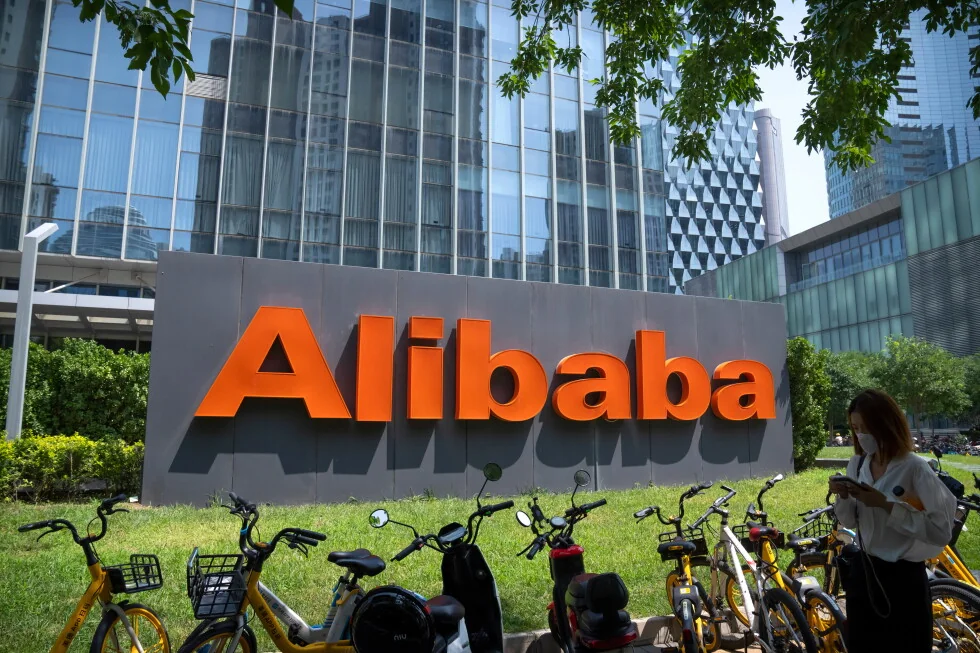
중국의 알리바바가 강력한 신형 칩과 야심찬 AI 모델 계획을 공개하다
September 22nd, 2026
중국의 알리바바가 강력한 신형 칩과 야심찬 AI 모델 계획을 공개하다
🇰🇷 한국어
On Tuesday, China's Alibaba unveiled new artificial intelligence chip technologies and plans for more powerful models, including what it said was China's most powerful AI chip, just days before a meeting between Chinese and U.S. leaders, where competition to lead on AI technology is expected to be a major theme.
Alibaba's announcement came as U.S. AI leaders, including Anthropic CEO Dario Amodei, warned that China's development of AI threatens the United States and called for an overall slowdown in the development of the technology.
Chinese leader Xi Jinping is scheduled to arrive in Washington on Wednesday for a state visit and a meeting with U.S. President Donald Trump, during which AI, trade and tariffs are anticipated to be on the agenda.
At its annual flagship conference in Hangzhou, Alibaba unveiled a new AI chip and outlined its roadmap for the next generation of its AI model.
CEO Eddie Wu asserted that the new Zhenwu V900 chip is “most powerful AI chip in China today” and is capable of delivering three times the performance of the company’s previous generation Zhenwu M890 chip.
Such chips are key to powering frontier AI model training and “inference,” a term for the calculations a trained AI uses to deliver responses to users.
Alibaba’s Zhenwu chips are used in its data centers, providing computing to the company and its cloud clients.
Alibaba also said it plans to train a new AI model at the scale of five to 10 trillion parameters, a measure of an AI's learning capacity, bringing it closer to the most advanced models from the U.S.
Its latest Qwen3.8-Max model, the most powerful of its Qwen AI series models, has 2.4 trillion parameters.
Chinese AI company Moonshot says that its Kimi K3, released in July, is the world's largest open model, with 2.8 trillion parameters.
Alibaba also emphasized plans to expand the data centers that support its cloud computing business, pointing to “exponentially” growing demand for AI computing.
The company said it expects to have more than 20 gigawatts’ worth of computing by 2032.
As of the middle of this year, SpaceX possesses roughly 1.4 gigawatts of AI computing capacity, and it states that it intends to exceed 10 gigawatts by 2027.
Some analysts believe that China's recent advances in AI are giving Beijing greater leverage in its forthcoming talks with Washington, as China intensifies its push for self-reliance even though U.S.-led export restrictions have prevented it from accessing some of the world's most cutting-edge technologies, including AI chips and chipmaking machines.
Open Chinese models, which tend to be more affordable than the cutting-edge closed models from leading U.S. AI labs, have also been making inroads globally, including in the U.S.
Chinese technology giant Huawei last week also unveiled new chip technologies as it looks to challenge global leaders like Nvidia.
Frontier AI model training in China often relies on Nvidia chips, analysts said, but Chinese-designed chips are gaining ground as Nvidia has been blocked from selling some of its most powerful AI chips to China.
"Using extra computing power to make up for chip limits helps China stay strong locally," said Neil Shah, vice president of Counterpoint Research, a technology market research firm based in Hong Kong.
Counterpoint senior analyst Parv Sharma added that how far the AI and chipmaking gap between China and the U.S. narrows will also depend on other factors, including China's ability to advance the chip foundries that manufacture them, not just its chip design capabilities.
Alibaba is “mobilizing every resource” at its disposal to satisfy customers’ demand for AI, CEO Wu declared in his address on Tuesday.
Global shortages throughout the AI data center supply chain, for instance, “are currently limiting the speed at which we can scale our compute infrastructure” for AI, he added.
Wu also compared the rise of AI to the industrial revolution, claiming that “machine intelligence” will quickly exceed human thinking capacity.
While he acknowledged that “machine intelligence today is not a substitute for human intelligence,” he nonetheless predicted that machines would eventually be capable of generating over 1,000 times more “thinking” than all of humanity combined, a marked increase from the current figure of less than 3%.
September 22nd, 2026
Trending Articles

구글, EU 위치정보 규정 위반으로 4억 6,300만 달러 벌금 부과
Google hit with $463 million fine for violating EU location-data rules
구글, EU 위치정보 규정 위반으로 4억 6,300만 달러 벌금 부과
Google hit with $463 million fine for violating EU location-data rules
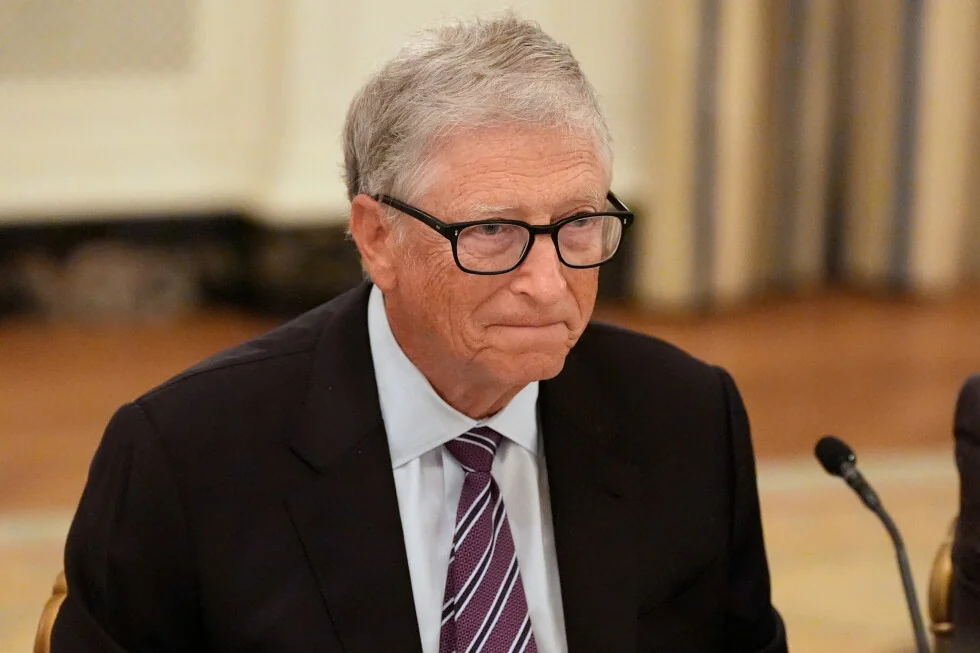
빌 게이츠는 자신의 재단이 더 대표성 있는 언어 데이터를 개발함에 따라 AI의 '현명한 활용'을 옹호한다
Bill Gates advocates ‘smart use’ of AI as his foundation develops more representative language data
빌 게이츠는 자신의 재단이 더 대표성 있는 언어 데이터를 개발함에 따라 AI의 '현명한 활용'을 옹호한다
Bill Gates advocates ‘smart use’ of AI as his foundation develops more representative language data

앤디 번햄은 유엔에서 트럼프와 공통분모를 모색하며 영국을 주요 AI 강국으로 내세웠다
Andy Burnham seeks common ground with Trump at the UN and pitches the UK as a major AI player
앤디 번햄은 유엔에서 트럼프와 공통분모를 모색하며 영국을 주요 AI 강국으로 내세웠다
Andy Burnham seeks common ground with Trump at the UN and pitches the UK as a major AI player
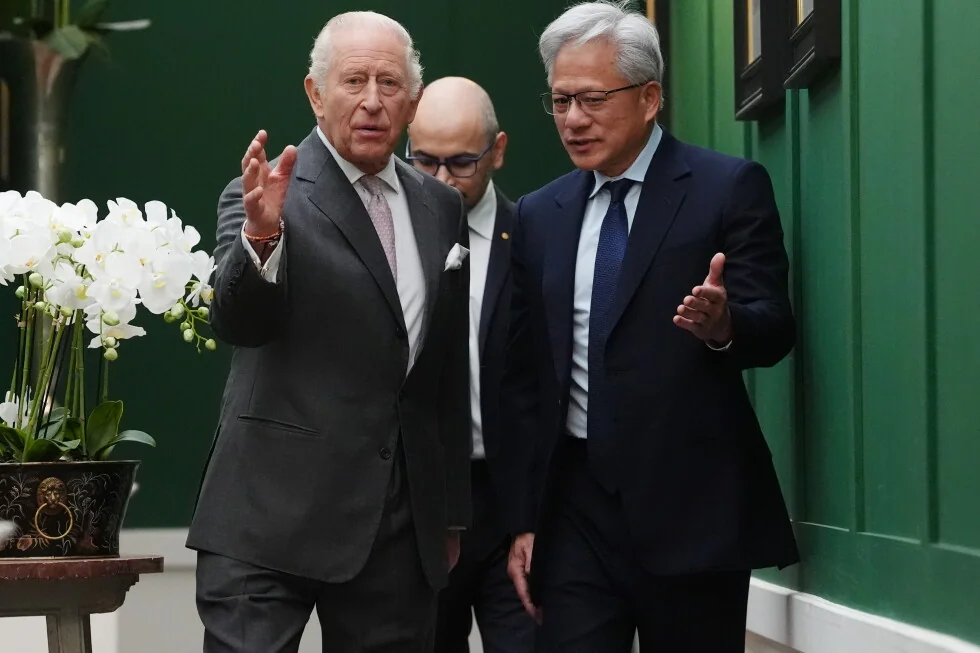
안전 우려가 고조되는 가운데 찰스 3세 국왕, AI 지도자들과 회동
King Charles Meets AI Leaders as Safety Concerns Mount
안전 우려가 고조되는 가운데 찰스 3세 국왕, AI 지도자들과 회동
King Charles Meets AI Leaders as Safety Concerns Mount

유엔 수장은 세계가 문제들로 시달리는 가운데, 임기를 마칠 준비를 하며 앞으로 나아갈 길에 대해 이야기한다
UN chief, with world beset by problems, talks of way forward as he prepares to leave office
유엔 수장은 세계가 문제들로 시달리는 가운데, 임기를 마칠 준비를 하며 앞으로 나아갈 길에 대해 이야기한다
UN chief, with world beset by problems, talks of way forward as he prepares to leave office
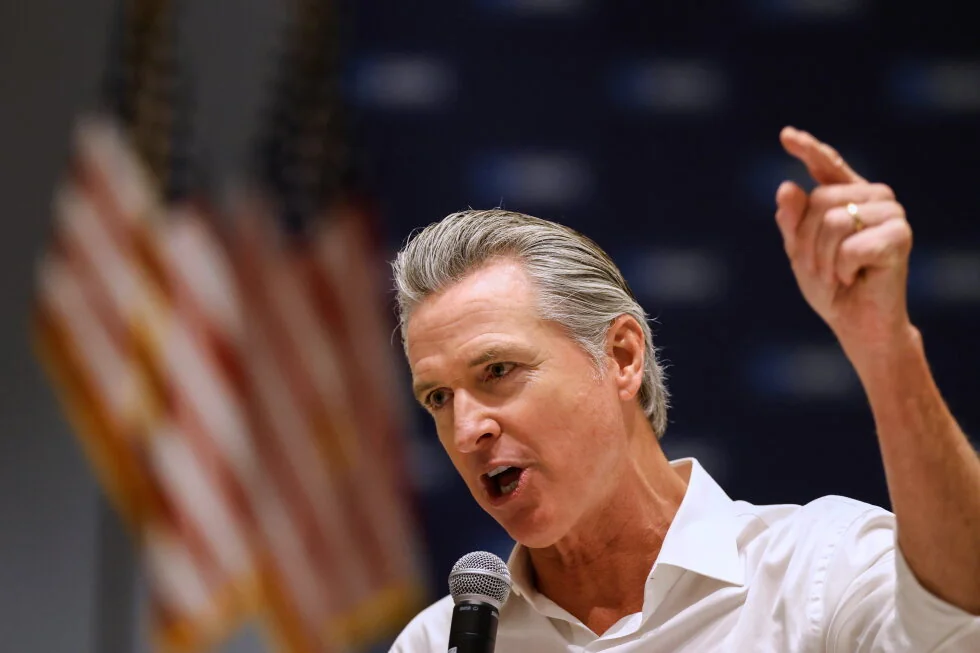
민주당 유력 주자들은 트럼프의 숙청 속에서 AI 위협에 맞서기 위해 분투하고 있다
Democratic hopefuls scramble to counter AI threat as Trump purges
민주당 유력 주자들은 트럼프의 숙청 속에서 AI 위협에 맞서기 위해 분투하고 있다
Democratic hopefuls scramble to counter AI threat as Trump purges
하원, 데이터센터의 에너지 비용 영향 겨냥한 법안 통과
House passes bill targeting data centers' impact on energy costs
하원, 데이터센터의 에너지 비용 영향 겨냥한 법안 통과
House passes bill targeting data centers' impact on energy costs

오픈AI, 우려스러운 새로운 AI 행동을 지적하며 더욱 면밀한 모니터링을 약속
OpenAI flags alarming new AI behavior, vows closer monitoring
오픈AI, 우려스러운 새로운 AI 행동을 지적하며 더욱 면밀한 모니터링을 약속
OpenAI flags alarming new AI behavior, vows closer monitoring
화웨이가 엔비디아와의 AI 경쟁을 심화하며 새로운 칩 기술을 공개하다
Huawei unveils new chip technologies as Chinese firm intensifies AI race with Nvidia
화웨이가 엔비디아와의 AI 경쟁을 심화하며 새로운 칩 기술을 공개하다
Huawei unveils new chip technologies as Chinese firm intensifies AI race with Nvidia