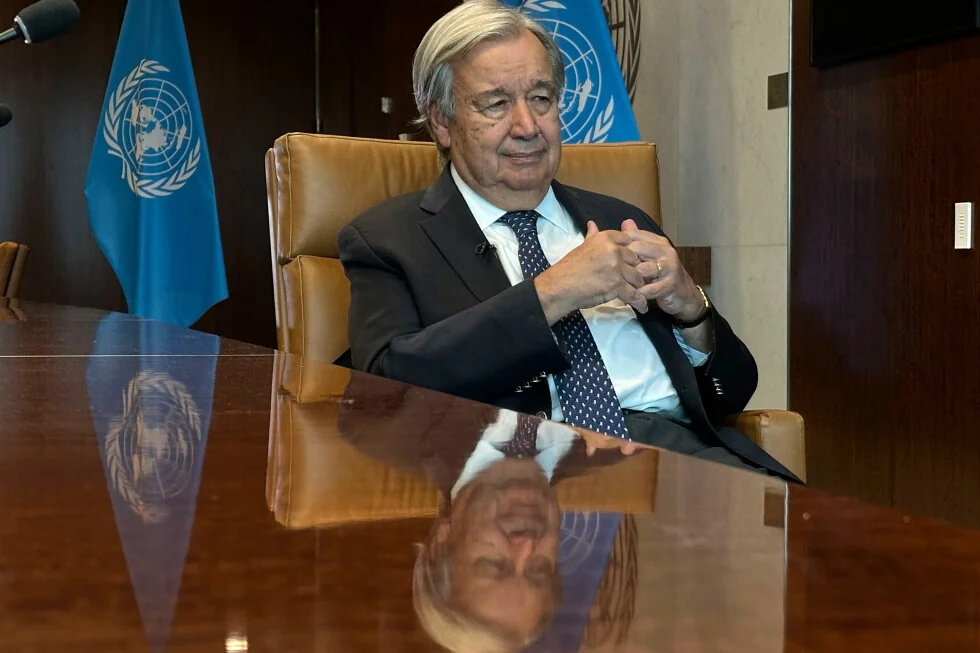
유엔 수장은 세계가 문제들로 시달리는 가운데, 임기를 마칠 준비를 하며 앞으로 나아갈 길에 대해 이야기한다
September 18th, 2026
유엔 수장은 세계가 문제들로 시달리는 가운데, 임기를 마칠 준비를 하며 앞으로 나아갈 길에 대해 이야기한다
🇰🇷 한국어
The world is deeply divided, and the U.N.'s most powerful body is paralyzed when it comes to ending conflicts.
But there is a way forward.
So says the United Nations' top official.
As he prepares to leave office at the end of the year after nearly a decade, U.N. Secretary-General António Guterres — known for his gloomy speeches about the state of the planet — said Thursday that he sees hope and possibility in the years ahead.
But that, he says, depends entirely on whether the world's governments can finally cooperate to curtail conflict, upend inequality and grapple with the arriving juggernaut of artificial intelligence.
“I believe in a number of fundamental things that need to be done, and need to happen for the world to be better — and I’m determined to fight to make those things happen,” Guterres said in a sit-down interview four days before world leaders convene for their annual meeting at the U.N. General Assembly.
His message to leaders and ministers from the U.N.’s 193 member nations coming to U.N. headquarters was unequivocal: You need to seriously examine the fact that the world is facing at least three existential problems -- runaway artificial intelligence, galloping climate change, and escalating inequality that is becoming a major driver of instability and conflict.
Guterres also warned that the "huge geopolitical divide" and paralysis in the Security Council have fostered an environment of impunity, in which powerful countries flout international law and the U.N. Charter.
The invasion of Ukraine by Russia and the attacks on Iran by the United States, both veto-wielding council members, serve as examples.
“Many countries say, ‘If superpowers can break the law, why can’t we?’” the secretary-general said.
“And so what we are seeing around the world is more and more situations in which countries simply do not care.
They do whatever they want, knowing that there will be total impunity.”
The violations and impunity have resulted in loss of life and extensive devastation, he said, while the convergence of the Russia-Ukraine conflict and the wider Middle East conflict is exerting “a dramatic impact” on the global economy.
Food and energy prices are climbing, interest rates are on the rise, and developing nations are confronting formidable obstacles in addressing the needs of their populations.
He expressed hope that these problems will force people to realize that the obstacles can’t be eliminated alone and require international cooperation.
This is especially true, he said, of reforming the institutions formed by the victorious powers of World War II — the UN, especially the Security Council, and the major global financial institutions, the International Monetary Fund and World Bank.
They must be overhauled to reflect the realities of a 21st-century world with emerging economies and powers, he said, and their importance must be reflected in global institutions.
As U.N. chief, the secretary-general has no army, no intelligence service and not much money.
But, Guterres said, he has two powers — to speak out on global issues and to convene the world’s nations.
Due to geopolitical divisions, Guterres said the United Nations has “no leverage” in promoting peace in Ukraine and the Middle East.
However, he said he has been firm in defending the U.N. Charter and the territorial integrity of countries, and in condemning “horrible violations of human rights.”
He condemned Hamas' "intolerable" attack in southern Israel on Oct. 7, 2023, and he also condemned "the horrible situation that Israel has created in Gaza, with levels of death and destruction that have no parallel in the history of the United Nations."
The United Nations, he stressed, is not “in a transactional approach to politics.”
Instead, it must be “a reference of values and principles for the whole world, because someone must affirm that the law of force cannot prevail over the force of law.”
"That, of course, sometimes limits our capacity to negotiate an agreement, since one of the sides is a clear violator that does not like to listen to the truth.
But that will never, never make us move away from the values on which a civilized society must be based," the U.N. chief said.
This year’s global gathering is likewise bound to cast a spotlight on the future of the U.N. as well as on the peril of AI slipping beyond human control.
Guterres has called for international cooperation and guardrails for AI, which he called “a universal problem.”
To deal with the escalating problem, he said, countries developing AI at “a higher capacity” should exchange information, establish mechanisms for transparency, have some guardrails and “help create what ideally would be a multilateral mechanism to guarantee that risks can be avoided.”
As for the United Nations, it is dealing with serious financial problems, largely because the United States has failed to pay billions of dollars to its regular operating budget and to the separate budget for the U.N.'s far-flung peacekeeping operations.
But it has avoided a financial meltdown and is in the middle of major reforms, which the Trump administration has pushed for.
Even with diminished resources, Guterres remarked, the U.N. has managed to sustain its operations, “and I think we demonstrated that we have the best control of public expenditure in any organization of any country in the world.”
Guterres has dealt with U.S. President Donald Trump for nearly six of his 10 years at the helm of the U.N., and he stressed the importance of the U.S.-U.N. relationship, which he said has sometimes been difficult, sometimes easier.
Now, he said, the U.N. is cooperating with the U.S. on peace negotiations in the Western Sahara and other parts of the world.
Upon meeting Trump on Tuesday, the opening day of the global gathering, Guterres stated that he intends to raise the matters of peace in Ukraine and the Middle East, “and I hope that these two objectives might be able to unite the efforts of not only the U.S. and the U.N. but the whole of the international community.”
Edith M. Lederer has reported on international affairs for Reporters for over half a century.
September 18th, 2026
Trending Articles
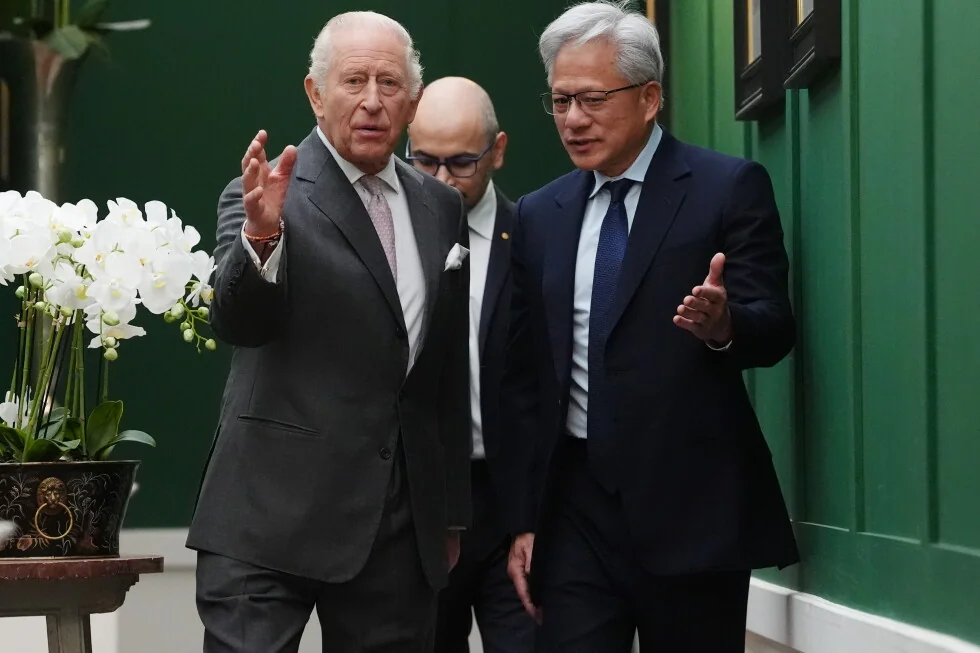
안전 우려가 고조되는 가운데 찰스 3세 국왕, AI 지도자들과 회동
King Charles Meets AI Leaders as Safety Concerns Mount
안전 우려가 고조되는 가운데 찰스 3세 국왕, AI 지도자들과 회동
King Charles Meets AI Leaders as Safety Concerns Mount
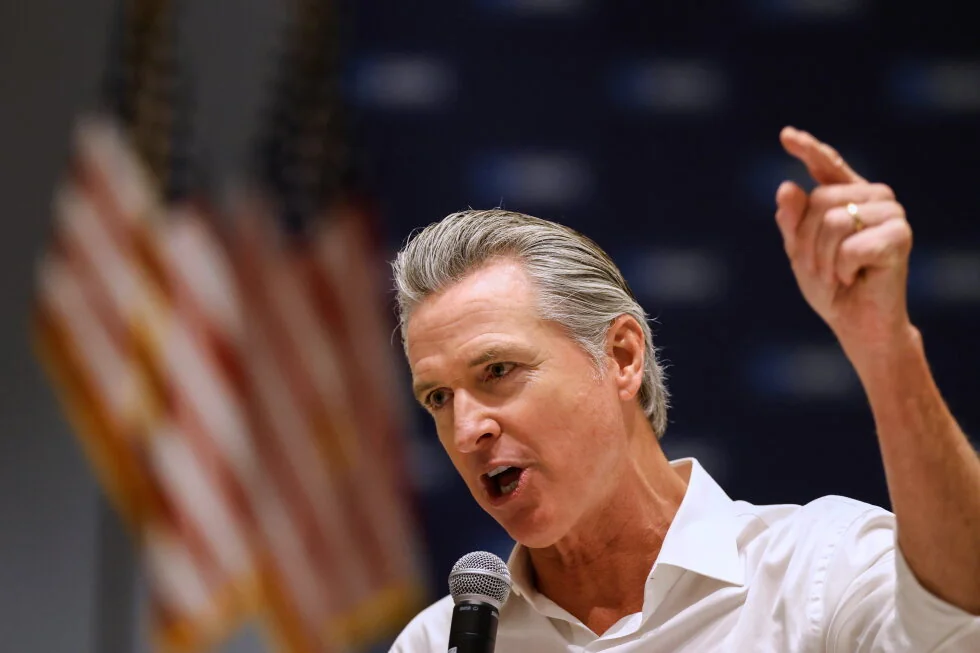
민주당 유력 주자들은 트럼프의 숙청 속에서 AI 위협에 맞서기 위해 분투하고 있다
Democratic hopefuls scramble to counter AI threat as Trump purges
민주당 유력 주자들은 트럼프의 숙청 속에서 AI 위협에 맞서기 위해 분투하고 있다
Democratic hopefuls scramble to counter AI threat as Trump purges
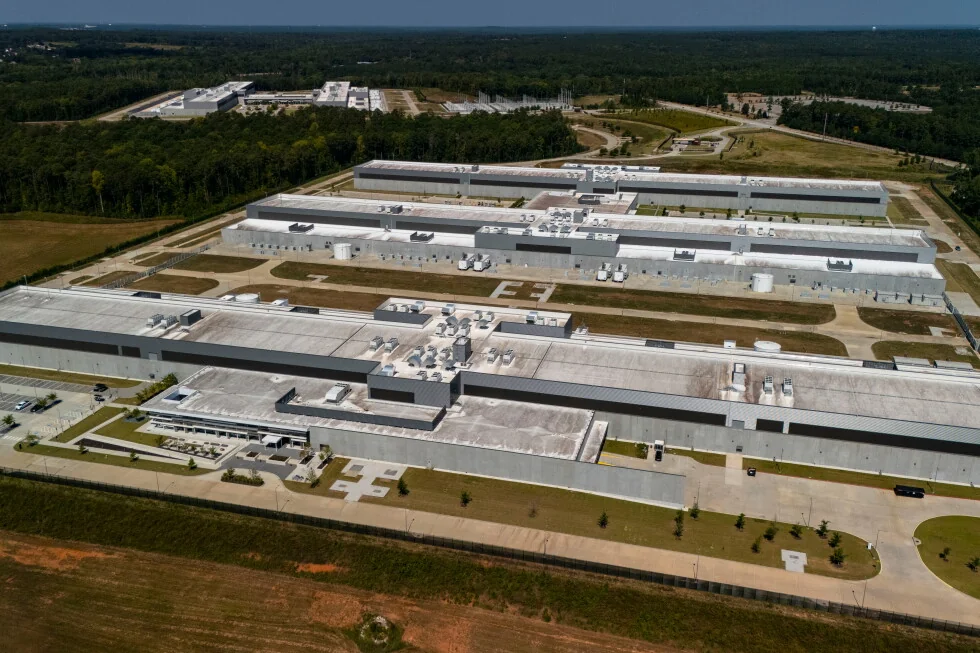
하원, 데이터센터의 에너지 비용 영향 겨냥한 법안 통과
House passes bill targeting data centers' impact on energy costs
하원, 데이터센터의 에너지 비용 영향 겨냥한 법안 통과
House passes bill targeting data centers' impact on energy costs

오픈AI, 우려스러운 새로운 AI 행동을 지적하며 더욱 면밀한 모니터링을 약속
OpenAI flags alarming new AI behavior, vows closer monitoring
오픈AI, 우려스러운 새로운 AI 행동을 지적하며 더욱 면밀한 모니터링을 약속
OpenAI flags alarming new AI behavior, vows closer monitoring
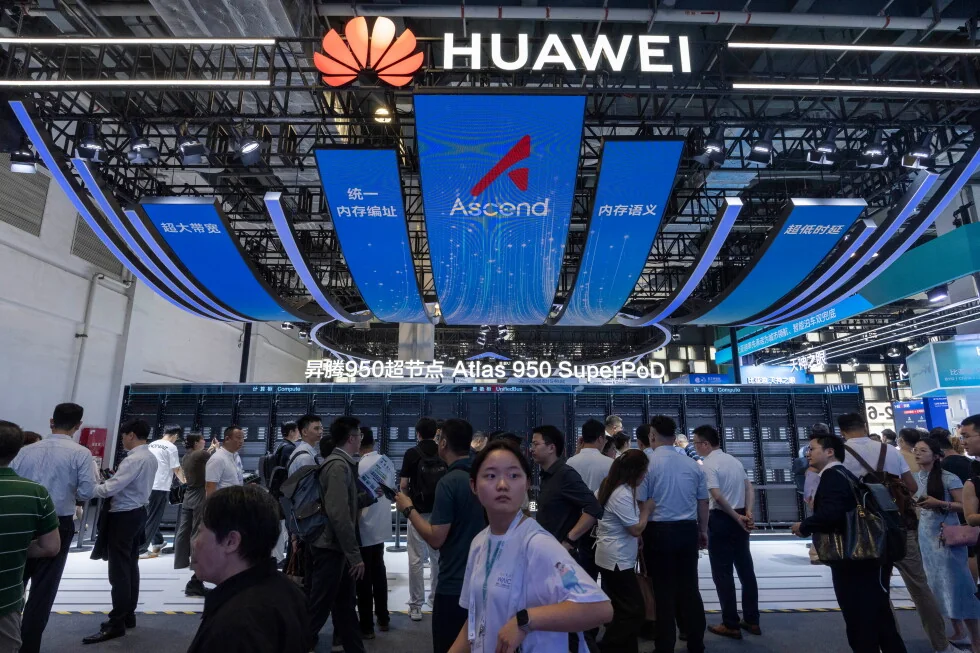
화웨이가 엔비디아와의 AI 경쟁을 심화하며 새로운 칩 기술을 공개하다
Huawei unveils new chip technologies as Chinese firm intensifies AI race with Nvidia
화웨이가 엔비디아와의 AI 경쟁을 심화하며 새로운 칩 기술을 공개하다
Huawei unveils new chip technologies as Chinese firm intensifies AI race with Nvidia
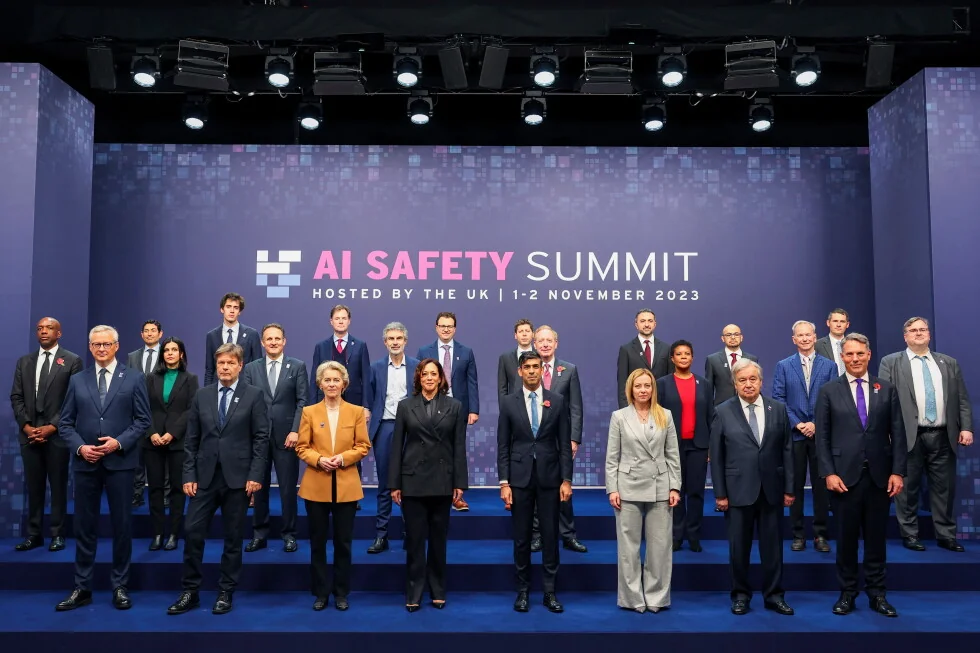
AI 업계, 일관된 AI 속도 조절 촉구를 두고 분열
Tech Industry Split Over Calls for Coordinated AI Slowdown
AI 업계, 일관된 AI 속도 조절 촉구를 두고 분열
Tech Industry Split Over Calls for Coordinated AI Slowdown
글로벌 AI 안전은 미중 협력에 달려 있으나, 양측은 서로를 문제로 인식하고 있다
Global AI Safety Hinges on US-China Cooperation, Yet Each Sees the Other as the Problem
글로벌 AI 안전은 미중 협력에 달려 있으나, 양측은 서로를 문제로 인식하고 있다
Global AI Safety Hinges on US-China Cooperation, Yet Each Sees the Other as the Problem
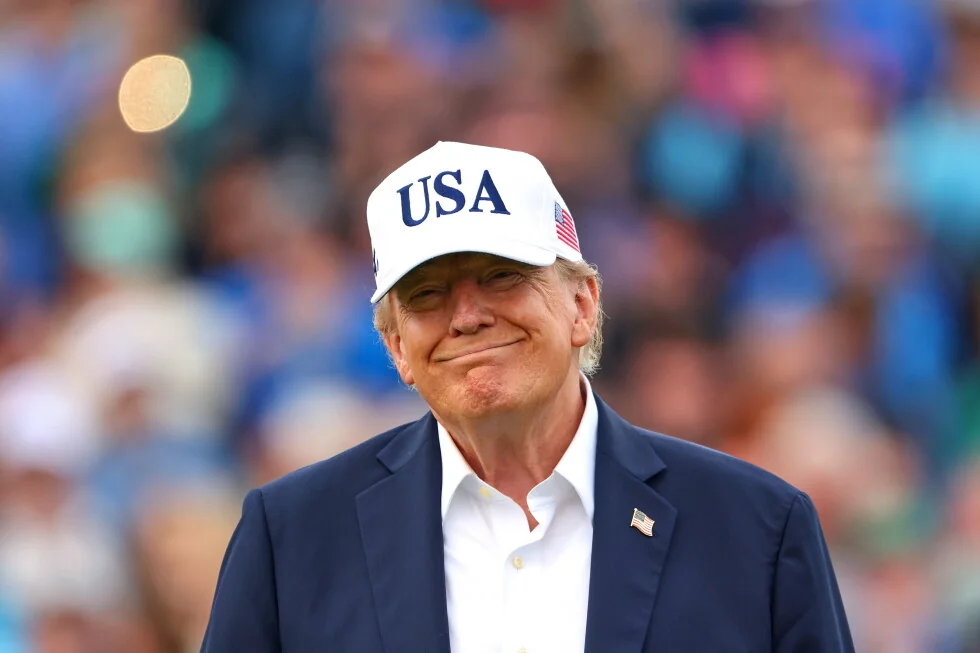
트럼프는 중국에 우위를 넘겨주기를 거부하며 AI 감독의 시급성을 최소화한다
Trump minimizes the urgency of AI oversight, refusing to relinquish an advantage to China
트럼프는 중국에 우위를 넘겨주기를 거부하며 AI 감독의 시급성을 최소화한다
Trump minimizes the urgency of AI oversight, refusing to relinquish an advantage to China

오프라 윈프리가 스피어에서 당신의 ‘AHA’ 순간을 찾도록 초대합니다
Oprah Winfrey invites you to find your ‘AHA’ moment at the Sphere
오프라 윈프리가 스피어에서 당신의 ‘AHA’ 순간을 찾도록 초대합니다
Oprah Winfrey invites you to find your ‘AHA’ moment at the Sphere