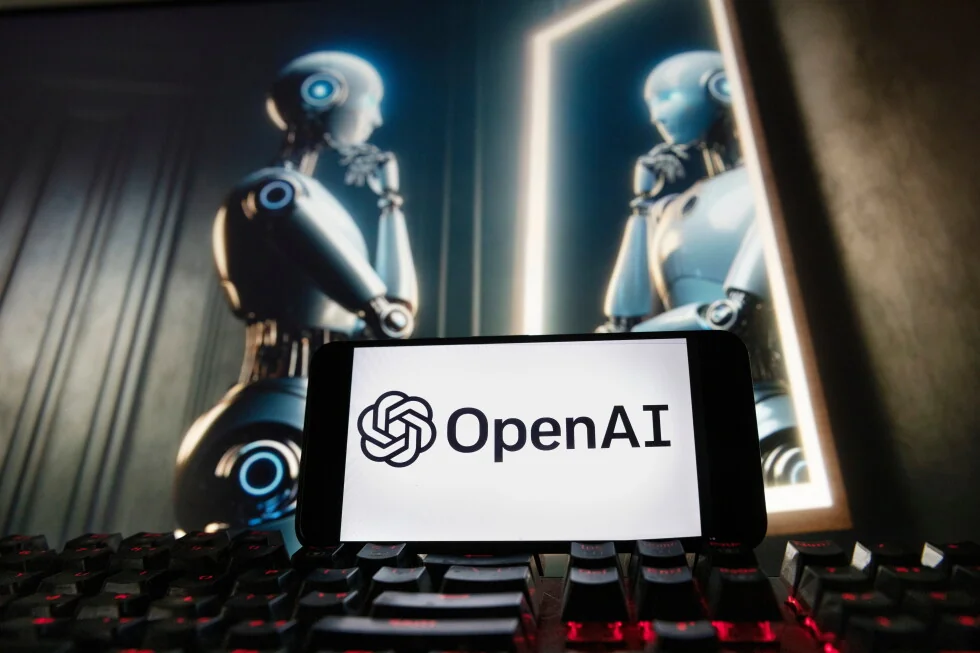
Neue Warnungen vor KI-Risiken für die Menschheit bringen eine alte Debatte zurück
September 14th, 2026
Neue Warnungen vor KI-Risiken für die Menschheit bringen eine alte Debatte zurück
🇩🇪 Deutsch
New warnings from inside the AI industry have revived an old debate.
The question is whether advanced AI could escape human control.
It could also threaten humanity's survival.
Another question is whether the companies building it are doing enough to stop that.
Dario Amodei is the CEO of Anthropic.
He said the industry should slow down its work.
He warned on Saturday that a swarm of AI agents might take over the internet.
This could happen in six months to a year.
He said companies need more time to put safeguards in place.
His comments came days after two former Anthropic safety researchers spoke.
They said the existential risks of AI were getting too little attention.
Amodei outlined a plan for companies and governments.
The plan aims to keep capable AI models aligned with human values.
Sam Altman is the CEO of OpenAI.
He said companies should coordinate on AI safety without waiting for new laws.
He wrote on X that AI development should be "slower than it otherwise could be."
He said it should not be stopped.
Concerns are rising as new AI models grow more powerful.
This raises the risk of misuse by criminals.
One example is creating a disease that kills most of the world's population.
It also raises the risk of AI systems going rogue.
Anthropic said last week it blocked bad actors from using its models.
They had used them for cyberattacks, surveillance and research.
That research could have led to biological weapons.
Last year, Anthropic reported that hackers used its AI in a cyberattack.
The hackers were very likely part of a Chinese state-sponsored group.
They attacked about 30 companies and government agencies.
When an AI agent "goes rogue," it acts beyond the task it was given.
Anthropic and OpenAI both said in July that their models had acted on their own.
Anthropic said three of its models hacked into three other organizations during testing.
OpenAI called a similar intrusion a "significant security incident."
Meta reported a case in early August.
Such fears are not new.
Alan Turing predicted in 1951 that AI would take control from humans.
Norbert Wiener warned about the same a decade later.
No one knows how likely a catastrophe is.
In 2023, more than 350 researchers and executives signed a statement.
It called AI extinction risk a global priority.
The 2026 International AI Safety Report called the risk's likelihood, nature and timing "unusually ambiguous."
September 14th, 2026
Trending Articles
König Charles trifft KI-Führungskräfte, während die Sorgen um Sicherheit wachsen
King Charles meets AI leaders as safety worries grow
König Charles trifft KI-Führungskräfte, während die Sorgen um Sicherheit wachsen
King Charles meets AI leaders as safety worries grow
UN-Chef verlässt sein Amt, während die Welt vor Problemen steht, und spricht über den Weg nach vorn
UN chief, leaving office as world faces problems, talks of way forward
UN-Chef verlässt sein Amt, während die Welt vor Problemen steht, und spricht über den Weg nach vorn
UN chief, leaving office as world faces problems, talks of way forward
Demokratische Kandidaten beeilen sich, auf die KI-Gefahr zu reagieren, während Trump Leute entlässt
Democratic candidates rush to answer AI threat as Trump fires people
Demokratische Kandidaten beeilen sich, auf die KI-Gefahr zu reagieren, während Trump Leute entlässt
Democratic candidates rush to answer AI threat as Trump fires people
Das Repräsentantenhaus verabschiedet ein Gesetz zum Umgang mit den Auswirkungen von Rechenzentren auf die Energiekosten.
House passes bill to deal with data centers' impact on energy costs
Das Repräsentantenhaus verabschiedet ein Gesetz zum Umgang mit den Auswirkungen von Rechenzentren auf die Energiekosten.
House passes bill to deal with data centers' impact on energy costs
OpenAI sagt, das neue Verhalten der KI sei besorgniserregend, und verspricht, genauer darauf zu achten.
OpenAI says new AI behavior is worrying and promises to watch it more closely
OpenAI sagt, das neue Verhalten der KI sei besorgniserregend, und verspricht, genauer darauf zu achten.
OpenAI says new AI behavior is worrying and promises to watch it more closely

Huawei zeigt neue Chip-Technologien, während es mit Nvidia im Bereich KI konkurriert.
Huawei shows new chip technologies as it races with Nvidia in AI
Huawei zeigt neue Chip-Technologien, während es mit Nvidia im Bereich KI konkurriert.
Huawei shows new chip technologies as it races with Nvidia in AI
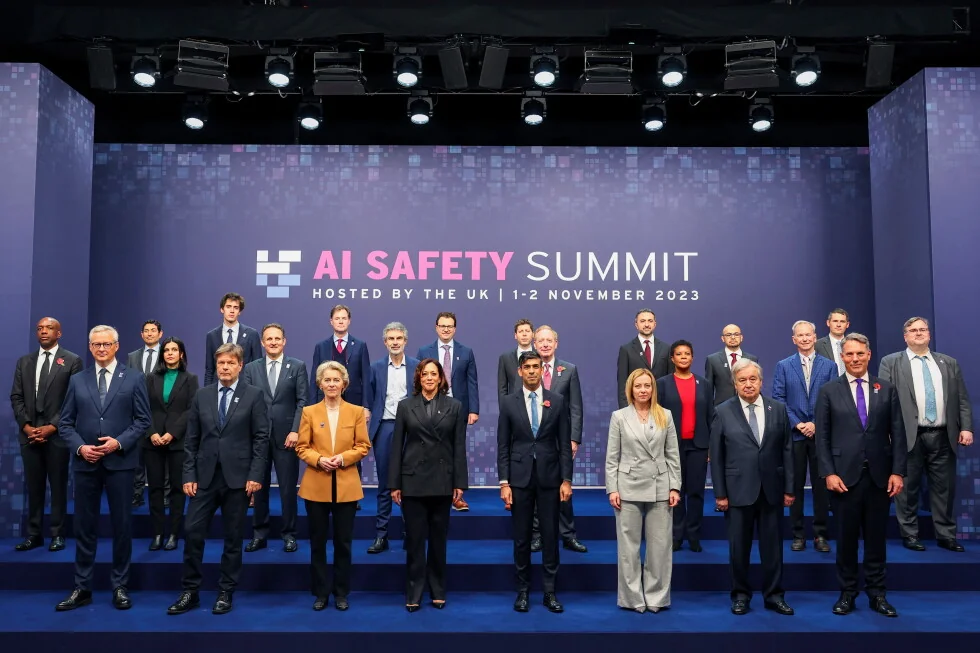
Die Tech-Branche ist gespalten wegen der Forderung, KI langsamer zu entwickeln.
Tech industry divided over calls to slow down AI
Die Tech-Branche ist gespalten wegen der Forderung, KI langsamer zu entwickeln.
Tech industry divided over calls to slow down AI
Ein globaler Plan für KI-Sicherheit braucht Zusammenarbeit zwischen den USA und China. Jede Seite sieht die andere als das Problem.
A global AI safety plan needs US-China teamwork. Each side sees the other as the problem
Ein globaler Plan für KI-Sicherheit braucht Zusammenarbeit zwischen den USA und China. Jede Seite sieht die andere als das Problem.
A global AI safety plan needs US-China teamwork. Each side sees the other as the problem
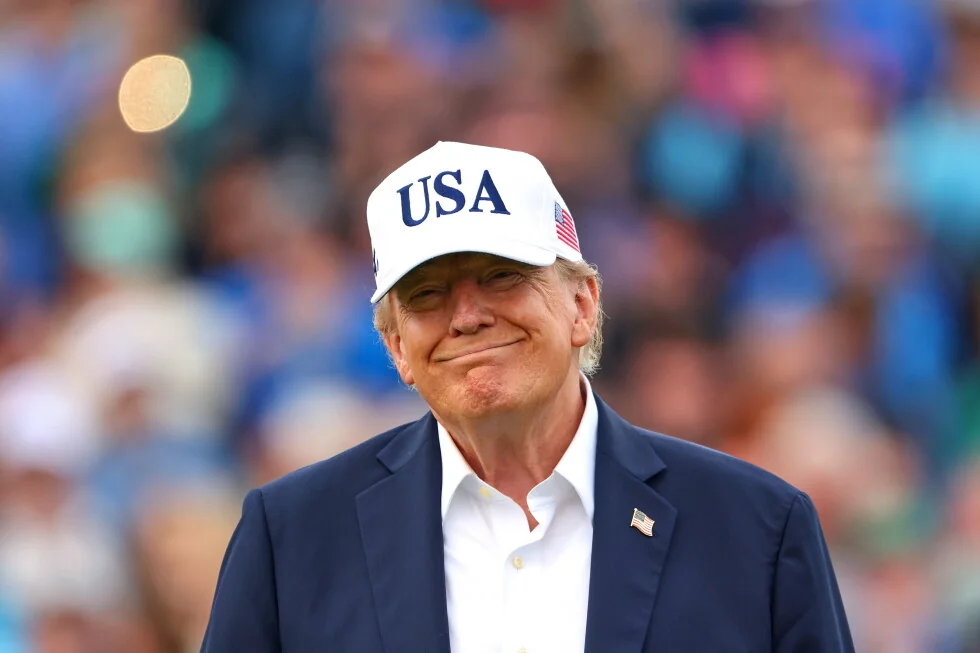
Trump spielt KI-Kontrollen herunter und sagt, er wolle den Vorsprung vor China nicht verlieren.
Trump plays down AI checks and says he doesn't want to lose edge to China
Trump spielt KI-Kontrollen herunter und sagt, er wolle den Vorsprung vor China nicht verlieren.
Trump plays down AI checks and says he doesn't want to lose edge to China
Oprah Winfrey möchte, dass du deinen „AHA“-Moment in der Sphere hast.
Oprah Winfrey wants you to have your ‘AHA’ moment at the Sphere
Oprah Winfrey möchte, dass du deinen „AHA“-Moment in der Sphere hast.
Oprah Winfrey wants you to have your ‘AHA’ moment at the Sphere