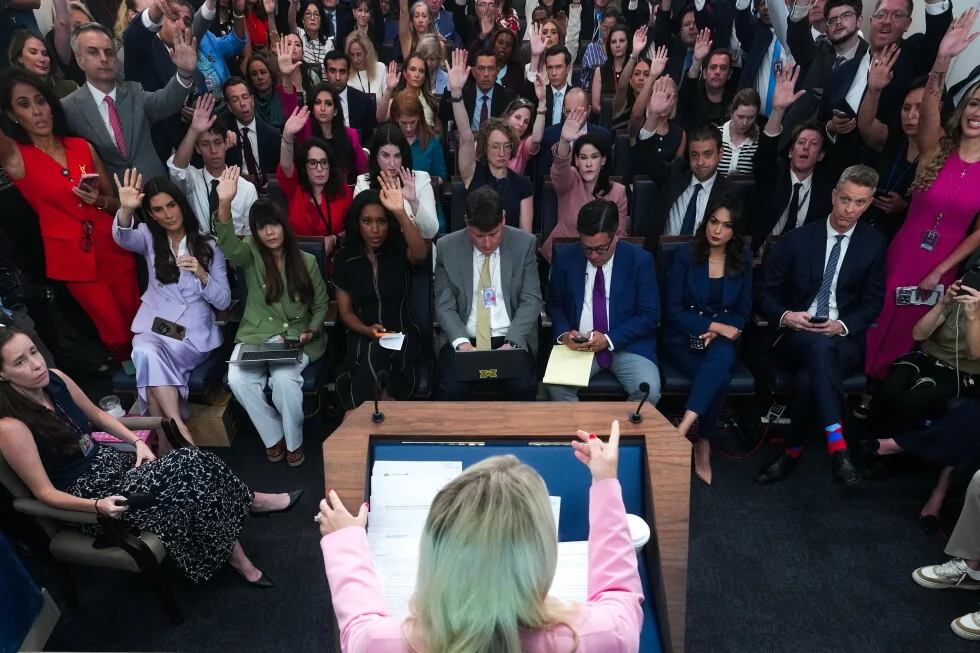
Journalists have adhered to voluntary codes of ethics for a century. Editors are now undertaking their reinvention for the age of artificial intelligence.
September 1st, 2026
Journalists have adhered to voluntary codes of ethics for a century. Editors are now undertaking their reinvention for the age of artificial intelligence.
🇺🇸 English
步入某家新闻编辑室的角落,你常能瞥见它张贴于公告栏之上,或许自咖啡壶后悄然探出——职业记者协会的道德准则。
全文不足千字,恰好可容于一张海报之幅。
但丹·阿克塞尔罗德断言,这些围绕四大关键新闻原则组织的文字,其重要性足以成为拯救我们民主的契机。
“恕我直言,”阿克塞尔罗德——SPJ道德委员会主席,曾长期在甘尼特公司担任商业记者——如是说。
“这是捍卫民主的方式,也是保护社会的途径。
若社会没有记者,就只能指望天佑吾人了。”
阿克塞尔罗德所论及的,远不止准则本身的存在,更在于对其不时加以更新的必要性。
这一过程颇为繁重,需耗费约一年光景,并历经无数线上与线下的会议,以及投入于反馈中的难以计数的时光。
然而,鉴于媒体格局几乎日新月异,新兴技术层出不穷,SPJ认定时机已然成熟——这是十二载以来的首次修订,亦为该准则百年历史上仅有的第六次更新。
这项任务的严峻性促使委员会与其他媒体伦理专家在六月齐聚印第安纳波利斯,此前他们已通过多次线上会议进行磋商。
显而易见,这绝非消磨周末时光的惬意之选。
“激情无疑已趋于炽烈,”阿克塞尔罗德如是说。
“嗯,并未发生肢体冲突,”他的同事克里斯·罗伯茨打趣道,此人系委员会副主席,同时担任阿拉巴马大学新闻学教授。
他解释道,“其间不乏大量斟词酌句的功夫。”
结果:未见白烟,却已形成一份长达967字的准则草案,较现行版本多出73字。
然而,为何须率先进行更新?
首要缘由——毋庸置疑——在于人工智能的迅猛崛起。
“我们正在审视人工智能,以及新闻机构如何运用乃至有时滥用这一技术,”罗伯茨指出,“因为他们面对这一新兴技术,它虽能节省开支,但若运用失当或违背伦理,亦会招致诸多隐患。”
另一个问题涉及“专业记者”这一称谓本身。
近年来,独立的所谓“创作者记者”数量激增。
SPJ认为,他们同样应当有准则加以规范。
(一如既往,该准则属自愿性指南,并无强制约束力。)
一个关键目标是化解该领域的一项生存危机:公众对媒体信任的持续下降。
“我们所探讨的,是一个不再像往昔那般信赖我们的世界,”罗伯茨如是说。
“我们谈及政客及其他人士,他们无所不用其极地诋毁新闻业,只因它敢于揭露他们的过失。
与此同时,新闻业的商业运作模式在财务层面经历了翻天覆地的变革,如今有三分之一的记者已不再供职于传统新闻机构。”
所有这些乃至更多,都是重新审视的充分理由,”他说,“并提醒人们,某些标准应当成为标准,无论你是否自称记者,或你工作的平台类型如何。
SPJ创立于1909年,在全国范围内拥有约四千名成员。
1926年,该组织通过了首版职业道德准则;随后于1948年设立道德委员会,并先后五次对准则进行修订——最后一次修订发生在2014年。
四项恒久不变的核心准则:“探求真相,如实报道。”“将伤害降至最低限度。”“秉持独立,不受羁绊。”“恪守责任,保持透明。”
然而,诸多其他层面已发生深刻演变。
草案所附报告指出,随着行业持续萎缩,传统新闻编辑室的岗位数量正逐步缩减。
与此同时,报告称,公民记者、自由撰稿人、网络意见领袖及评论员的人数显著攀升。
报告援引皮尤研究中心的数据显示,2023年有三分之一的记者从事自由职业或自雇工作。
报告进一步指出,作为监督机构的新闻媒体其存在感正日趋式微,并强调“那些缺乏新闻从业背景的个人、组织及私人投资者,在收购或创办新闻机构后,不仅左右新闻报道的走向,干预编辑决策,还借此推动其个人议程。”
SPJ指出,生成式人工智能及其他新兴技术在新闻领域乃至更广泛范围内的迅速普及,引发了诸多伦理层面的深刻关切。
因此,新增条款阐明:“务必铭记,速度、技术或媒介皆不可成为失实或偏颇的托辞。
无论采用何种工具与技术,记者均须对其工作承担伦理责任。”
换言之,伦理责任终究系于记者自身,无论人工智能可能生成何种内容。
“我们不希望人们以技术为托辞,声称自己无法以合乎伦理且透明的方式制作内容,”罗伯茨如是说。
然而,该拟议草案——在当前的征询意见期结束后,将于今年十月交由更广泛的成员组织进行表决——并未明确提及人工智能,仅笼统地涉及工具与技术,此举旨在确保其能随技术演进而保持时效性。
此外,草案还涵盖了核实机制、虚假信息、犯罪报道及图像伪造等一系列议题。
一个值得关注的补充——同样也是引发广泛争议的——是这句话:“对掌权者保持警惕与勇气,追究其责任。对抗那些权力较小者被不公正边缘化的现象。”
耐人寻味的是它所取代的内容。
原文表述为:“为无声者发声。”
这一措辞之所以被视为不妥,是因为它预设了某些群体缺乏发声能力。
委员会成员埃里克·德甘斯指出:“问题并非在于他们缺乏发声渠道,而在于主流新闻媒体往往对此视而不见,甚至对其存在浑然不觉。”
“我们试图阐明的观点在于,”德甘斯指出,他身兼NPR评论员与华盛顿与李大学媒体伦理学教授之职,“某些特定群体在新闻报道中或许会遭到边缘化……(记者)理应在相关情境下主动将其纳入报道范畴,尤其是在此举能够提升叙事精确度之时。”
鉴于行业格局的演变,人们或许会提出一个更为宏观的疑问:一套统一的准则能否普适于所有情境?
它甚至能否获得广泛认可?
“我们不应回避这一事实,”现任SPJ主席克里斯·瓦卡罗回应道,“仅仅因为行业在演变,或记者的定义在重塑。”
瓦卡罗确信,这套已被译成多种语言的准则必将为众多人士所遵循。
他指出,新闻编辑室的公告板如今已延伸至整个世界。
“我们自然不会臆断无人问津,或无人关切,亦或新闻业已膨胀至无足轻重之境,”瓦卡罗坦言。
“其影响举足轻重。”
德甘斯表示,他讲授两门伦理课程,两者均深入研习SPJ准则。
然而,除培育青年记者外,该准则尚具其他关键功用。
“倘若你身处长期威权统治之下,或在一个缺乏悠久新闻自由传统的国度运作,你如何厘清其运作机制?
你势必会求助于SPJ准则,难道不是吗?”
德甘斯期望更多在职记者能够深入研习并恪守行业准则。
还有其他人表示:“我真心希望那些掌管新闻机构的人能认真阅读这套准则,因为太多时候他们迫使员工做出不道德的行为,而员工们则不得不在坚守新闻伦理与满足雇主期望之间艰难平衡,力求兼顾两者。”
September 1st, 2026
Trending Articles
Jon Stewart explains his longstanding charitable support for first responders.
乔恩·斯图尔特阐释其长期支持急救人员的慈善之举
Jon Stewart explains his longstanding charitable support for first responders.
乔恩·斯图尔特阐释其长期支持急救人员的慈善之举
Tony Award and Grammy Award winner Duncan Sheik, composer of "Spring Awakening" and pop singer, has died at the age of 56.
托尼奖与格莱美奖得主、《春之觉醒》作曲家及流行歌手邓肯·谢克逝世,终年56岁
Tony Award and Grammy Award winner Duncan Sheik, composer of "Spring Awakening" and pop singer, has died at the age of 56.
托尼奖与格莱美奖得主、《春之觉醒》作曲家及流行歌手邓肯·谢克逝世,终年56岁
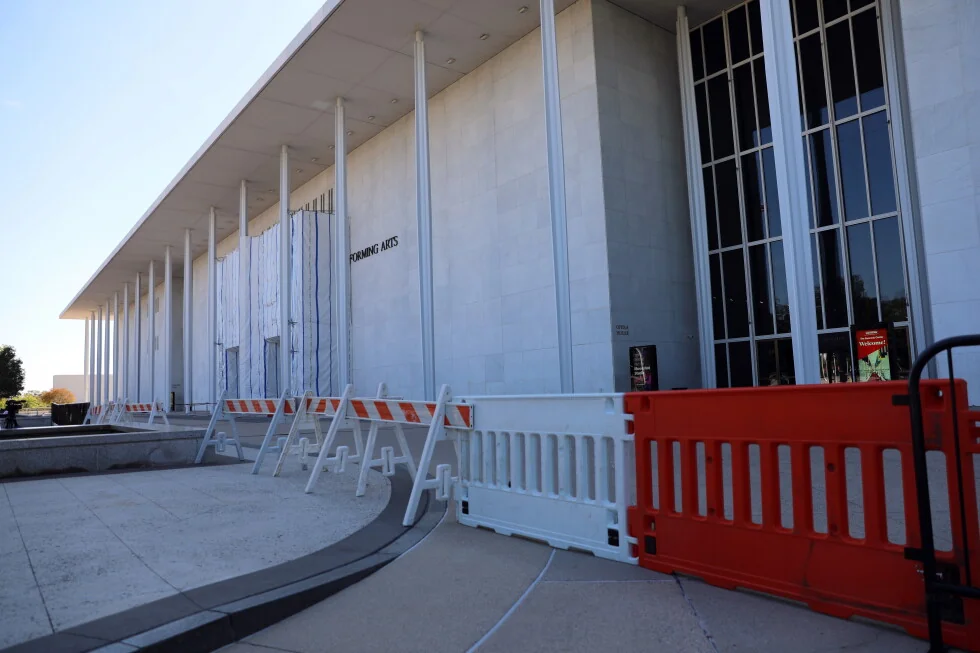
The judge requires the Kennedy Center: to report 30 days in advance before any major physical alterations.
法官要求肯尼迪中心:重大物理改造前须提前30天报备
The judge requires the Kennedy Center: to report 30 days in advance before any major physical alterations.
法官要求肯尼迪中心:重大物理改造前须提前30天报备
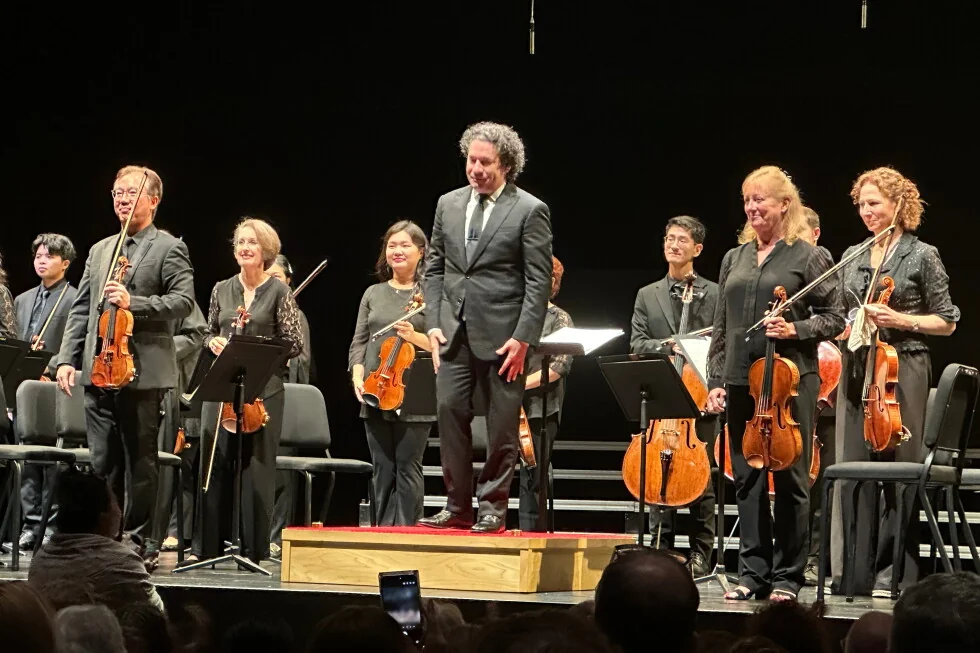
After Los Angeles acclaim, conductor Dudamel moves to New York
洛杉矶赞誉后,指挥家杜达梅尔转战纽约
After Los Angeles acclaim, conductor Dudamel moves to New York
洛杉矶赞誉后,指挥家杜达梅尔转战纽约

As the Emmy Awards approach, "Pittsburgh" aims to recreate its glory, while "Widow's Bay" may set off an epic wave.
艾美奖临近,《匹兹堡》志在再创辉煌,《寡妇湾》或将掀起史诗级浪潮
As the Emmy Awards approach, "Pittsburgh" aims to recreate its glory, while "Widow's Bay" may set off an epic wave.
艾美奖临近,《匹兹堡》志在再创辉煌,《寡妇湾》或将掀起史诗级浪潮
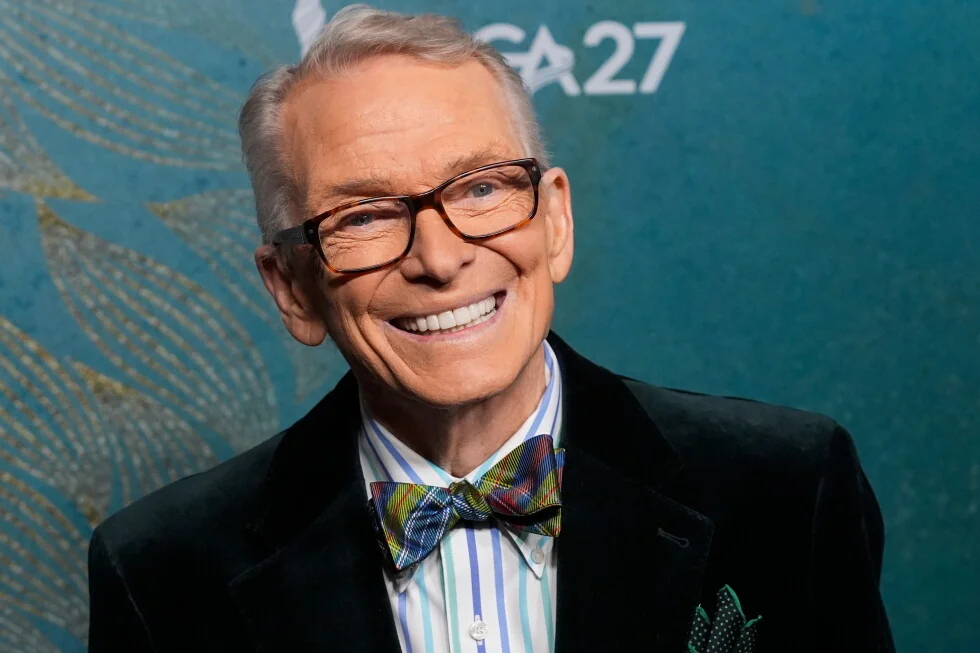
87-year-old star designer Bob Mackie dies, having designed costumes for Cher and Marilyn and defined 1970s glamour
87岁明星设计师鲍勃·麦基去世,曾为雪儿和玛丽莲设计服装,定义70年代魅力
87-year-old star designer Bob Mackie dies, having designed costumes for Cher and Marilyn and defined 1970s glamour
87岁明星设计师鲍勃·麦基去世,曾为雪儿和玛丽莲设计服装,定义70年代魅力

Film Review: 'Magic Duet' Should Have Stayed True to the Original Spellbook
影评:《魔法二重奏》本应忠于原版魔法书
Film Review: 'Magic Duet' Should Have Stayed True to the Original Spellbook
影评:《魔法二重奏》本应忠于原版魔法书
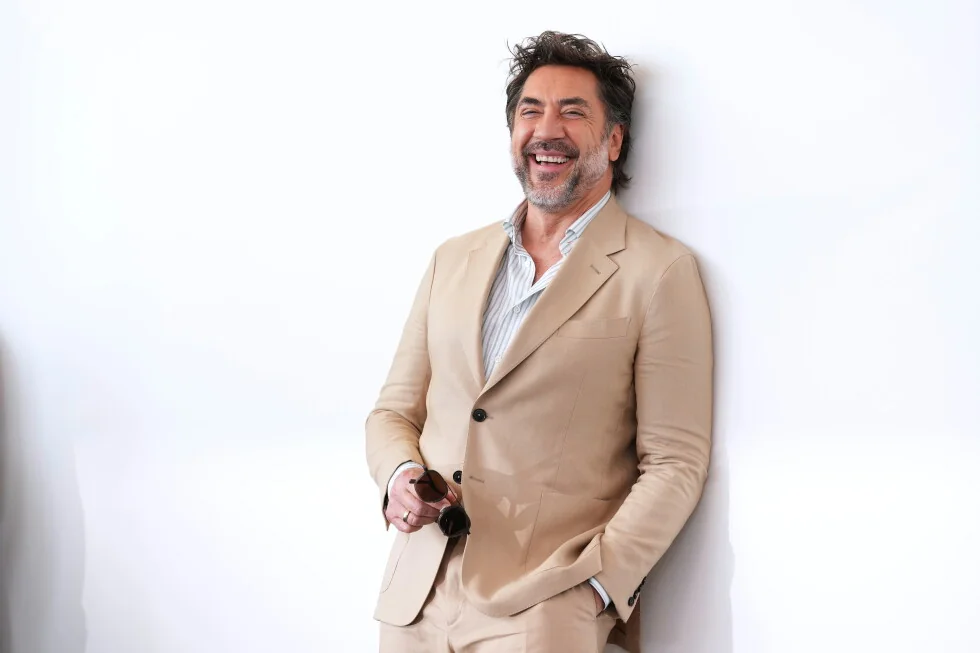
Elon Musk documentary and thriller starring Penélope Cruz and Javier Bardem premiere at Venice Film Festival.
埃隆·马斯克纪录片与佩内洛普·克鲁兹、哈维尔·巴登主演惊悚片亮相威尼斯首映
Elon Musk documentary and thriller starring Penélope Cruz and Javier Bardem premiere at Venice Film Festival.
埃隆·马斯克纪录片与佩内洛普·克鲁兹、哈维尔·巴登主演惊悚片亮相威尼斯首映
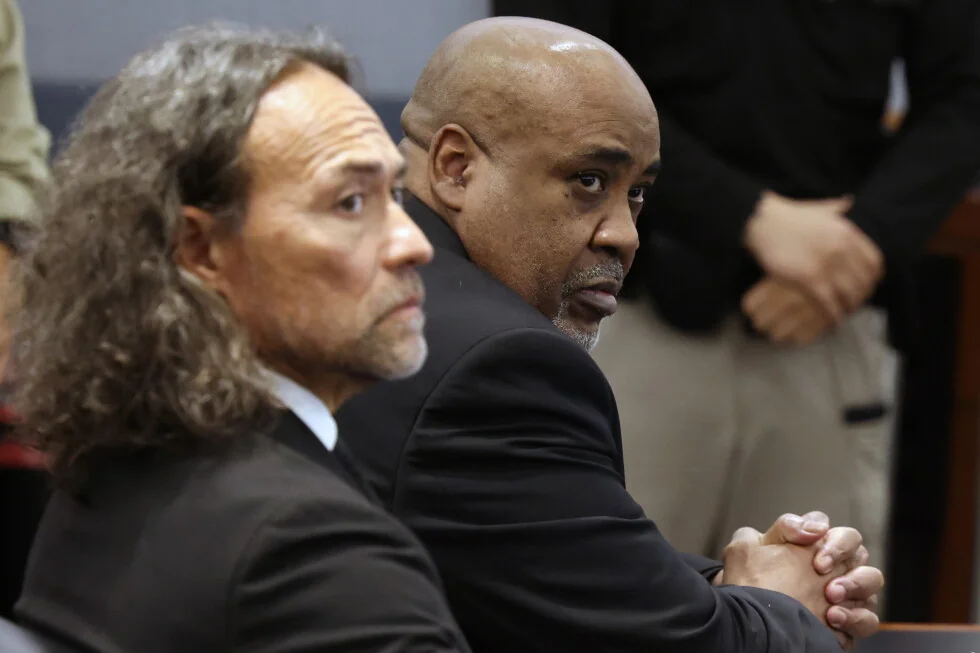
The jury found the man guilty of first-degree murder in the 1996 killing of rap icon Tupac Shakur.
陪审团裁定,男子因1996年谋杀说唱偶像图帕克·沙库尔被判一级谋杀罪名成立
The jury found the man guilty of first-degree murder in the 1996 killing of rap icon Tupac Shakur.
陪审团裁定,男子因1996年谋杀说唱偶像图帕克·沙库尔被判一级谋杀罪名成立