ウォール街の株価が急落、エヌビディアが主導する新たなテクノロジー株売りに
November 18th, 2026
ウォール街の株価が急落、エヌビディアが主導する新たなテクノロジー株売りに
🇯🇵 日本語
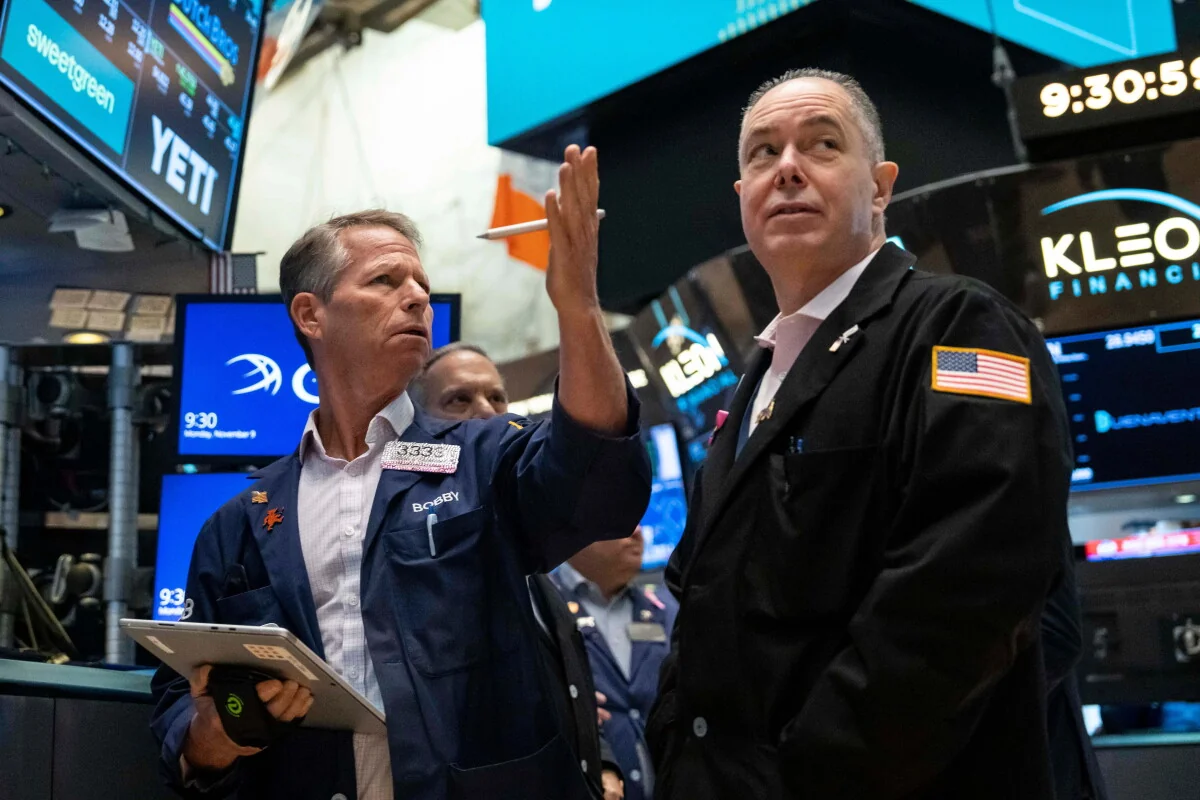
Further declines in artificial intelligence stocks weighed on the U.S. market on Monday, with Nvidia leading the downturn.
The weakness in tech stocks contributed to dragging the S&P 500 index down by 1.9% and drove the Nasdaq composite index to a 2.5% loss.
The Dow also fell sharply as losses spread into other sectors.
AI-focused companies were by far the heaviest weights on the market and have been behind much of the recent turbulence on Wall Street.
Nvidia sank 4.1% and once again exerted the heaviest drag on Wall Street in the wake of its leadership crisis.
The company has shed $735 billion in market value since the scandal erupted over CEO Jensen Huang’s infidelities and his ties to an alleged Chinese spy.
Nvidia ranks among the most influential companies in the world, not only because its chips are powering much of the world’s move into AI technology but also because its cash has helped companies across the industry to grow.
Now, after Huang resigned as Nvidia's CEO last week, both the chip company and the wider industry face a more uncertain future without the leather-jacketed man who had become one of AI's biggest celebrities.
This is the latest challenge for the AI industry, which had already been shaken by criticism that stock prices in the sector had risen too high and were in a bubble.
The sweeping victories for Democrats in this month's U.S. midterm elections have also raised concerns about possible restrictions on further construction of AI data centers.
“The market was already worried about this risk before what happened at Nvidia,” Zhiwei Zhang, president and chief economist at Pinpoint Asset Management, said in a commentary.
“Now the risk has become even more serious.”
The sector is additionally encountering heightened scrutiny from the U.S. government.
On Monday, the Trump administration issued new regulations aimed at restricting remote access to advanced U.S. computing chips and servers.
Beyond Nvidia, other chip manufacturers likewise declined.
They had risen in the earlier stages of Nvidia’s downturn amid hopes of securing a competitive advantage.
However, Broadcom dropped 3.9%, registering its second consecutive loss on concerns about the broader industry.
Advanced Micro Devices fell 5.6%.
CoreWeave, which buys Nvidia chips and then rents out cloud access to them to customers, sank 6.1%.
GE Vernova, which helps power AI data centers, fell 4.9%.
Stocks plunge amid yet another technology sell-off.
The AI industry's next major milestone may well arrive on Tuesday, once trading on the U.S. stock market has drawn to a close for the day.
That is when Nvidia will disclose its latest quarterly results, and interim CEO Colette Kress is scheduled to address Wall Street.
Investors have grown accustomed to Nvidia not only delivering stronger results than analysts had anticipated each quarter but also issuing a forecast for upcoming revenue that comfortably exceeds expectations.
Elsewhere on Wall Street, L3Harris Technologies fell 3.9% after officials in President Donald Trump's administration suggested that the contractor for the Federal Aviation Administration may be to blame for a nationwide ground stop on Friday.
L3Harris said on Saturday that it is supporting the FAA in its investigation.
Summit Therapeutics dropped 16.5% after the biopharmaceutical company announced that the U.S. Food and Drug Administration had indicated it could not approve its application for a therapy to treat certain patients with lung cancer.
Tyson Foods climbed 8.7% after posting a stronger profit for the latest quarter than analysts had anticipated.
The company behind the Jimmy Dean and Hillshire Farm brands, however, also reported weaker revenue than expected, having sold less beef than it did a year earlier.
Overall, the S&P 500 shed 145.08 points to close at 7,416.59, marking the third consecutive loss for the benchmark index.
The Dow Jones Industrial Average dropped 739.38 points, or 1.4%, to 51,608.17.
The Nasdaq composite declined 626.52 points to 24,509.76.
The recent swings in AI stocks have overshadowed what has otherwise been another strong earnings reporting season for U.S. companies.
The big businesses in the S&P 500 index are on track to deliver earnings per share for the summer nearly 32% higher than a year earlier, according to FactSet.
This is the third quarter in a row that the index has grown by more than 25%, which matters because corporate profits are one of the two main factors, along with interest rates, that determine stock prices over the long term.
In the bond market, Treasury yields retreated following last week's surge, prompted by a U.S. inflation report that came in worse than anticipated.
The yield on the 10-year Treasury fell to 5.13% from 5.15% late Friday, though it remains well above the 4.80% low reached earlier this month.
Higher yields make borrowing more expensive for everyone, and they have already hurt the housing industry through costly mortgage rates.
Yields declined as oil prices plummeted, thereby alleviating some of the upward pressure on inflation.
The price of a barrel of Brent crude oil dropped 3.5% to $92.44, having fluctuated amid uncertainty over developments in the war with Iran.
On foreign stock markets, European indexes presented a mixed picture.
November 18th, 2026
Trending Articles

AIの暴走への懸念にもかかわらず、記録的なIPOでアンソロピックの株価が急騰
Anthropic's shares surge in record-breaking IPO despite fears of AI running amok
AIの暴走への懸念にもかかわらず、記録的なIPOでアンソロピックの株価が急騰
Anthropic's shares surge in record-breaking IPO despite fears of AI running amok

Anthropicの記録的なIPO:数字で見るその意味
Anthropic's record-breaking IPO: what it means, by the numbers
Anthropicの記録的なIPO:数字で見るその意味
Anthropic's record-breaking IPO: what it means, by the numbers

米国の大手銀行に影響を及ぼしているオンラインバンキングの遅延について知っておくべきこと
What to know about the online banking delays affecting major US banks
米国の大手銀行に影響を及ぼしているオンラインバンキングの遅延について知っておくべきこと
What to know about the online banking delays affecting major US banks
エヌビディアなど変動の激しいAI関連株が下落し、ウォール街は再び動揺
Wall Street rattled again as Nvidia and other volatile AI stocks slide
エヌビディアなど変動の激しいAI関連株が下落し、ウォール街は再び動揺
Wall Street rattled again as Nvidia and other volatile AI stocks slide
株価は下落したものの、ウォール街は激動の日々を経て週間では勝ち越しを確保した
Stocks decline, yet Wall Street secures a winning week following turbulent days
株価は下落したものの、ウォール街は激動の日々を経て週間では勝ち越しを確保した
Stocks decline, yet Wall Street secures a winning week following turbulent days

高値が買い物客の足を止め、10月の小売支出は減速
Retail Spending Slowed in October as High Prices Gave Shoppers Pause
高値が買い物客の足を止め、10月の小売支出は減速
Retail Spending Slowed in October as High Prices Gave Shoppers Pause

FAAの新しいSMART AIシステムを巡っては不透明な点が残るものの、当局は地上停止措置との関連を否定している。
Uncertainty surrounds FAA’s new SMART AI system, though officials deny any link to ground stop
FAAの新しいSMART AIシステムを巡っては不透明な点が残るものの、当局は地上停止措置との関連を否定している。
Uncertainty surrounds FAA’s new SMART AI system, though officials deny any link to ground stop

カーニー:トランプとの通商協議が決裂すれば、カナダは中国の自動車メーカーに頼る可能性がある
Carney: Canada may turn to Chinese automakers if Trump trade talks fail
カーニー:トランプとの通商協議が決裂すれば、カナダは中国の自動車メーカーに頼る可能性がある
Carney: Canada may turn to Chinese automakers if Trump trade talks fail
Apple、ここ数日のテクノロジー障害の波に加わる
Apple Joins a Wave of Tech Glitches in Recent Days
Apple、ここ数日のテクノロジー障害の波に加わる
Apple Joins a Wave of Tech Glitches in Recent Days