カーニー:トランプとの通商協議が決裂すれば、カナダは中国の自動車メーカーに頼る可能性がある
November 17th, 2026
カーニー:トランプとの通商協議が決裂すれば、カナダは中国の自動車メーカーに頼る可能性がある
🇯🇵 日本語
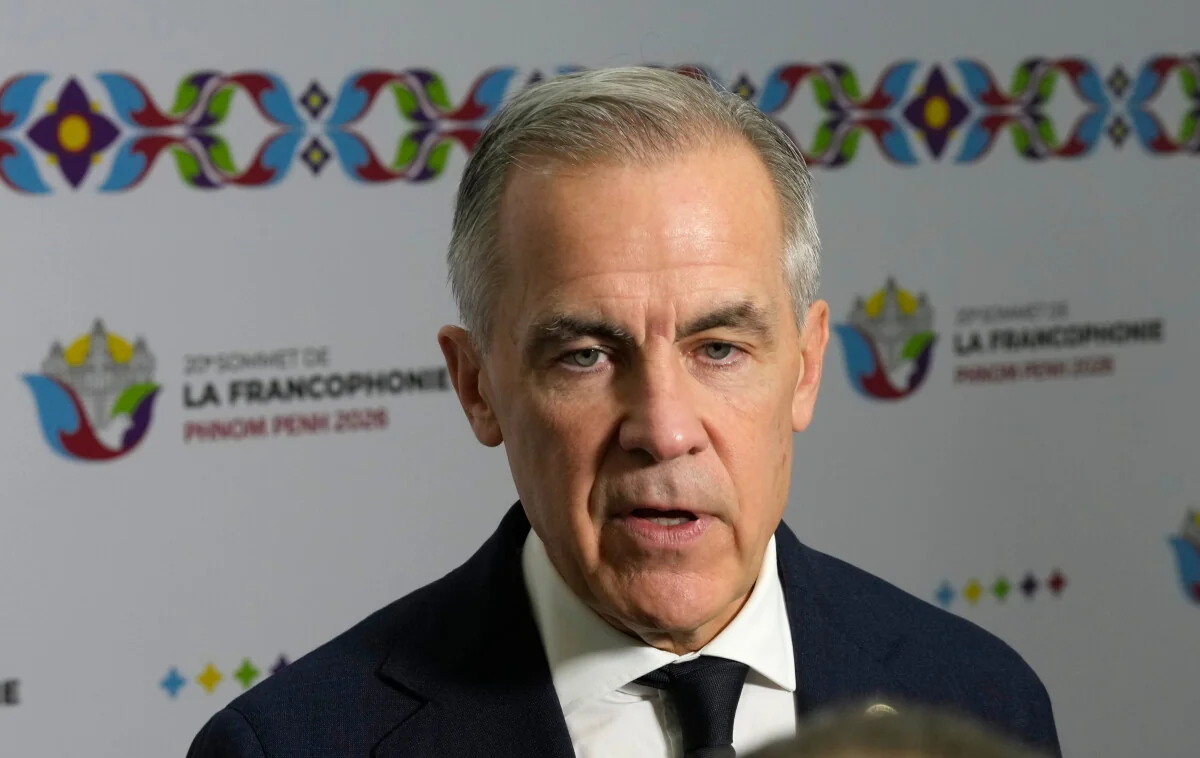
Canadian Prime Minister Mark Carney stated on Monday that Canada might turn to Chinese automakers should trade negotiations with U.S. President Donald Trump fail to safeguard an integrated North American auto industry.
Carney’s remarks in Cambodia preceded a scheduled meeting with Chinese President Xi Jinping this week in Shenzhen, China, where Chinese automobile manufacturing is expected to be on the agenda.
In January, the two leaders reached an agreement permitting tens of thousands of Chinese electric vehicles to enter Canada at reduced tariffs.
“We have the finest auto workers in the world, and we want them fully deployed, with full opportunity, within an integrated North American market,” Carney told reporters in Cambodia.
“That market has become less integrated as a result of U.S. trade actions.”
Carney stated on Saturday in Manila, Philippines, that any trade agreement with Washington must leave Canada with a viable auto industry.
He said on Monday that negotiations with the United States remain his priority, but their outcome could determine whether Canada pursues alternatives involving European, Chinese or Japanese automakers.
When asked whether potential Chinese investment constituted leverage in the U.S. negotiations, Carney responded: “It’s not leverage.
But action, reaction” on behalf of Canada’s auto workers and manufacturing assets.
“If they aren’t fully used in a North American context, that creates other opportunities,” Carney said.
“Canada will move forward either way.”
On Monday, White House trade adviser Peter Navarro lashed out on social media in response to Carney’s suggestion that Canada could turn to Chinese automakers.
“Are you genuinely threatening to play China off against the U.S.? This is offensive in the extreme,” Navarro wrote on X.
“You should be far more worried that China is going to eat Canada alive.”
The Detroit Three — Ford, General Motors and Stellantis — operate factories throughout Canada, the United States and Mexico, with components sometimes crossing borders on multiple occasions before a vehicle is completed.
Trump has repeatedly urged automakers to relocate production to the United States from Canada.
Carney stated that any Chinese investment would need to entail substantial manufacturing within Canada, as opposed to merely assembling imported components.
He added that it would necessitate proper labour standards, manufacturing facilities and domestic supply chains that expand over time, including the use of Canadian critical minerals in electric vehicles.
“It’s not merely a question of kit cars,” he said.
“There has to be a manufacturing dimension involved.”
Under the January agreement, Canada lowered its 100% tariff on Chinese electric vehicles to 6.1%, initially permitting up to 49,000 vehicles annually, with the cap rising over time.
In return, China consented to reduce tariffs on Canadian agricultural products, including canola.
Carney stated at the time that he anticipated the agreement would attract Chinese investment into Canada's automotive industry and generate jobs.
The deal drew criticism from Ontario Premier Doug Ford, whose province is the center of Canada’s auto industry.
Ford warned that allowing Chinese electric vehicles into Canada could threaten Canadian jobs and jeopardize access to the U.S. market.
“The federal government’s priority must be to safeguard Canadian auto workers, rather than undermine them by importing even greater numbers of state-subsidized, cheap Chinese cars,” Ford said on social media on Monday.
Trump’s tariffs have dealt a heavy blow to Canada’s automotive industry, potentially undoing decades of cross-border integration.
Canada recently threatened to take legal action against Stellantis after the company relocated its plans for Jeep Compass production from Ontario to Illinois and agreed to sell its idled Canadian assembly plant.
Carney stated on Saturday that he had engaged in extensive discussions with Trump and senior U.S. officials, and that the two countries were making headway toward a potential trade agreement, though differences persisted.
Rob Gillies, a reporter and writer stationed in Toronto, filed the report from that city.
November 17th, 2026
Trending Articles

AIの暴走への懸念にもかかわらず、記録的なIPOでアンソロピックの株価が急騰
Anthropic's shares surge in record-breaking IPO despite fears of AI running amok
AIの暴走への懸念にもかかわらず、記録的なIPOでアンソロピックの株価が急騰
Anthropic's shares surge in record-breaking IPO despite fears of AI running amok
Anthropicの記録的なIPO:数字で見るその意味
Anthropic's record-breaking IPO: what it means, by the numbers
Anthropicの記録的なIPO:数字で見るその意味
Anthropic's record-breaking IPO: what it means, by the numbers
米国の大手銀行に影響を及ぼしているオンラインバンキングの遅延について知っておくべきこと
What to know about the online banking delays affecting major US banks
米国の大手銀行に影響を及ぼしているオンラインバンキングの遅延について知っておくべきこと
What to know about the online banking delays affecting major US banks
エヌビディアなど変動の激しいAI関連株が下落し、ウォール街は再び動揺
Wall Street rattled again as Nvidia and other volatile AI stocks slide
エヌビディアなど変動の激しいAI関連株が下落し、ウォール街は再び動揺
Wall Street rattled again as Nvidia and other volatile AI stocks slide
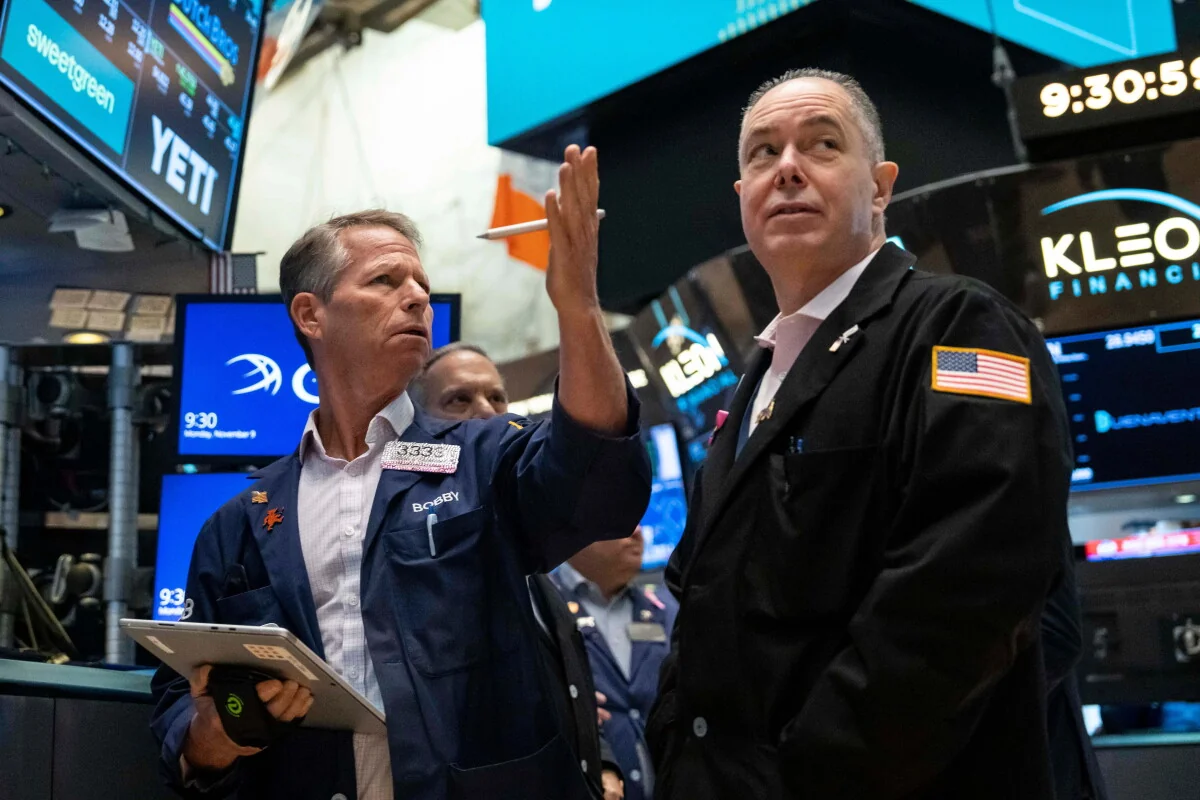
ウォール街の株価が急落、エヌビディアが主導する新たなテクノロジー株売りに
Wall Street Stocks Plunge as Nvidia Leads Another Technology Sell-Off
ウォール街の株価が急落、エヌビディアが主導する新たなテクノロジー株売りに
Wall Street Stocks Plunge as Nvidia Leads Another Technology Sell-Off
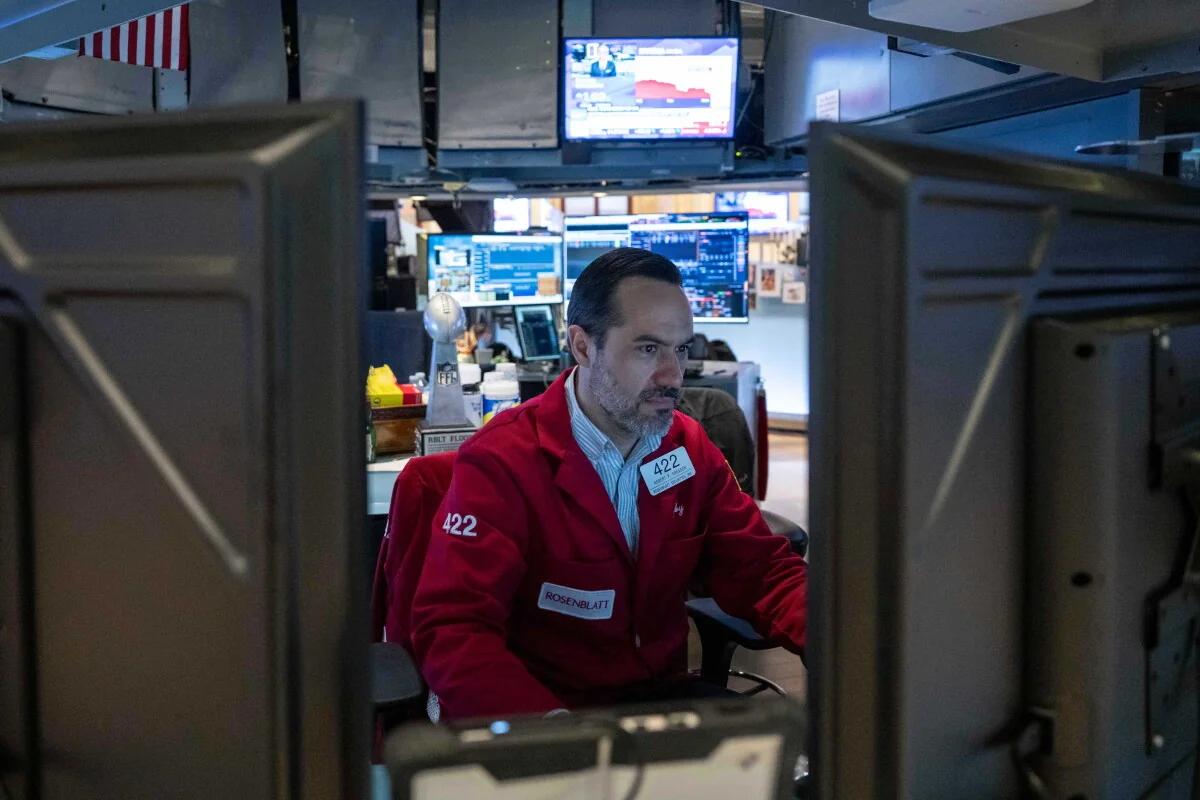
株価は下落したものの、ウォール街は激動の日々を経て週間では勝ち越しを確保した
Stocks decline, yet Wall Street secures a winning week following turbulent days
株価は下落したものの、ウォール街は激動の日々を経て週間では勝ち越しを確保した
Stocks decline, yet Wall Street secures a winning week following turbulent days
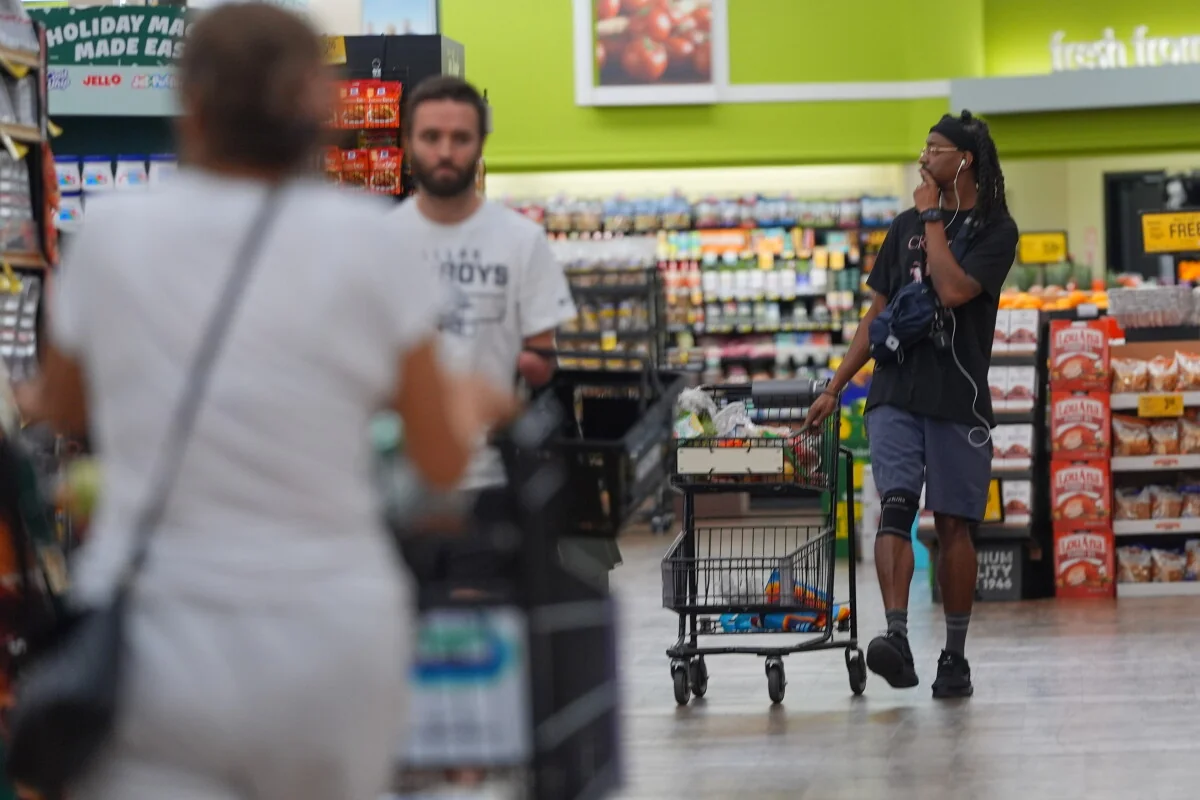
高値が買い物客の足を止め、10月の小売支出は減速
Retail Spending Slowed in October as High Prices Gave Shoppers Pause
高値が買い物客の足を止め、10月の小売支出は減速
Retail Spending Slowed in October as High Prices Gave Shoppers Pause

FAAの新しいSMART AIシステムを巡っては不透明な点が残るものの、当局は地上停止措置との関連を否定している。
Uncertainty surrounds FAA’s new SMART AI system, though officials deny any link to ground stop
FAAの新しいSMART AIシステムを巡っては不透明な点が残るものの、当局は地上停止措置との関連を否定している。
Uncertainty surrounds FAA’s new SMART AI system, though officials deny any link to ground stop

Apple、ここ数日のテクノロジー障害の波に加わる
Apple Joins a Wave of Tech Glitches in Recent Days
Apple、ここ数日のテクノロジー障害の波に加わる
Apple Joins a Wave of Tech Glitches in Recent Days