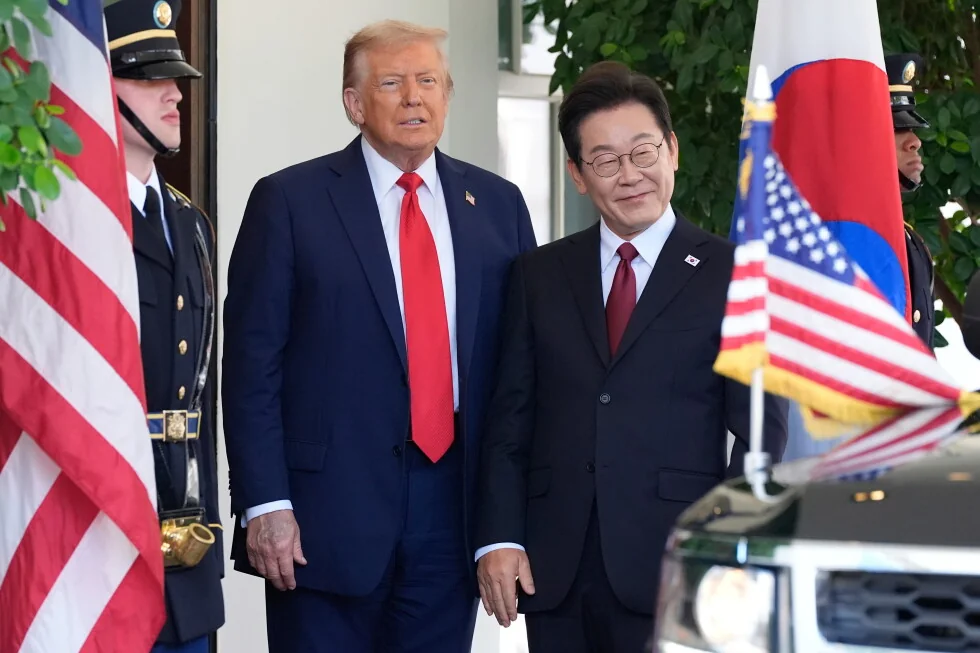
在美联社采访中,韩国李在明主张对朝鲜采取渐进式无核化
September 22nd, 2026
在美联社采访中,韩国李在明主张对朝鲜采取渐进式无核化
🇨🇳 中文
With North Korea spurning dialogue and escalating its provocative missile tests, South Korea’s liberal President Lee Jae Myung is advocating a step-by-step endeavour to bring an end to a decades-long standoff over the North’s nuclear program.
The objective, he said, would be first to arrest the advancement of North Korea's nuclear and missile capabilities, subsequently to roll back its arsenal, and ultimately to move toward dismantlement.
Political and economic concessions would be proffered for each successive progression.
It is an approach that may well confront a Sisyphean struggle, given that North Korea remains implacably averse to engaging in diplomacy over armaments it regards as the sole guarantor of its authoritarian leadership's survival.
Pyongyang has of late intensified its weapons-testing activities, notwithstanding U.S. President Donald Trump's recent overtures aimed at reviving diplomacy.
Lee will advance his plan during this week’s U.N. General Assembly meetings in New York, saying that both Seoul and Washington are willing to reengage with Pyongyang.
“To alter the trajectory of a vehicle in motion, it must first be brought to a standstill,” Lee said in written responses to questions before his departure Monday for the United States.
“A phased approach of stopping, reduction and dismantlement is a practical way of effectively resolving the North Korean nuclear issue.”
On Tuesday, Lee is slated to deliver an address before the U.N. General Assembly.
North Korea’s ever-evolving nuclear program has engendered uncertainties as to whether its nuclear disarmament might be attainable in a single, decisive step — or indeed at all.
Trump asserted last month that North Korea possesses 57 nuclear weapons, whereas certain experts contend that the North harbors in excess of 100 warheads.
Many have advocated for concerted endeavours to persuade North Korea to disarm in a phased manner, in exchange for economic and political concessions.
“In light of the degree to which North Korea’s nuclear and missile capabilities have been augmented, it is scarcely a viable expedient to await the realization of complete denuclearization in a single, comprehensive stroke,” Lee said.
“For in the interim, North Korea’s nuclear capabilities will persist in their advancement, thereby intensifying the threat.”
Lee recently advocated for negotiations aimed at formally concluding the 1950-53 Korean War, asserting that avenues for constraining North Korea's nuclear program might thereby be explored.
Certain observers harbour apprehensions that Lee’s strategy would culminate in North Korea, having secured the concessions it seeks — such as the alleviation of sanctions — declining to relinquish its nuclear programme in its entirety.
To forestall such an outcome, Lee said negotiators would need to demonstrate to North Korea that “moving toward stable and lasting peace is a realistic and feasible path to a secure and prosperous future.”
Irrespective of the approach adopted, it remains decidedly uncertain whether North Korea will re-engage in talks in the near term.
When Trump, invoking a “very good relationship” with North Korean leader Kim Jong Un, curtailed a major military exercise with South Korea last month, North Korea repudiated the U.S. president’s overture, asserting that merely truncating portions of the drill would not alter its provocative character.
Pyongyang has since conducted three rounds of weapons launches and has repeatedly excoriated what it terms U.S. hostility.
Experts contend that North Korea most likely seeks more substantial U.S. concessions.
Lee, who harbors the hope that a resumption of Trump-Kim diplomacy might precipitate a reopening of dialogue between the two Koreas, characterized Trump’s action as “a deliberate step to send a clear message that the United States has no hostile intent toward North Korea.”
He averred that both South Korea and the United States “remain open to engaging in dialogue with North Korea without preconditions.”
"What is requisite at this juncture is a political decision at the leaders' level.
The two leaders ought to cultivate trust and collaborate in order to identify common ground, face-to-face," Lee said.
Trump’s social media post announcing the downsizing of the exercise, issued without any prior consultation with South Korea, also made reference to what Trump characterized as Lee’s refusal to join the United States in the “denuclearization” of Iran — a confluence that has engendered anxieties regarding the U.S.-South Korea alliance.
Lee conceded that Trump’s decision had come “somewhat unexpectedly.”
Nevertheless, Lee remarked that Trump had articulated his commitment to fostering conditions conducive to dialogue and that he wished to diminish confrontation on the Korean Peninsula.
Lee asserted that the strategic interests of South Korea and the United States are profoundly and inextricably interwoven across a broad spectrum of domains, and that he intends to forge a more mutually advantageous partnership throughout the remainder of Trump's tenure.
By way of illustration, Lee remarked that the envisaged cooperation in shipbuilding will not merely reinvigorate U.S. shipbuilding capacity and naval prowess, but will likewise engender novel avenues of growth for South Korean enterprises.
Lee asserted on Friday that he would not suffer his military to be drawn into the Iran war.
He stated that his government was contemplating an expansion of the operations of a naval unit deployed in the Gulf of Aden, with the aim of safeguarding South Korean vessels and oil shipping routes.
Lee was anticipated to meet with Trump on the sidelines of the U.N. General Assembly.
When questioned regarding the conspicuous adolescent daughter of the 42-year-old North Korean leader, Lee remarked that his administration had duly registered “her rising status” and was leaving every eventuality open.
"Nevertheless, I am of the conviction that we must exercise circumspection with respect to articulating a definitive stance at this juncture," he said.
South Korea’s intelligence apparatus has repeatedly characterised her as Kim’s presumptive successor, a contention with which certain analysts take issue, adducing North Korea’s male-dominated power hierarchy as grounds for their scepticism.
September 22nd, 2026
Trending Articles
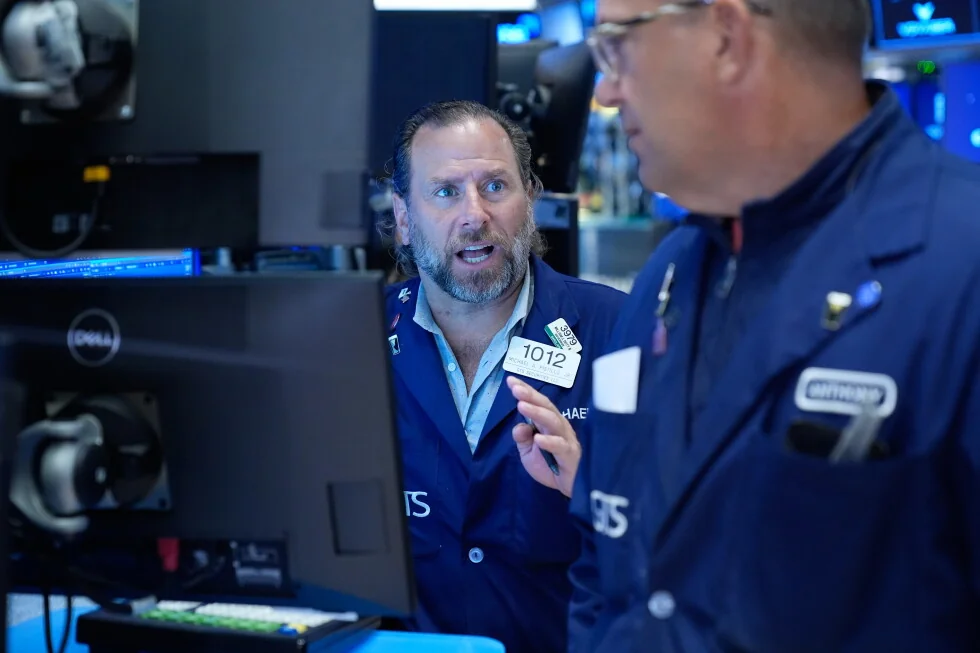
华尔街逼近纪录高位,布伦特原油一度跌破98美元
Wall Street Nears Record as Brent Crude Briefly Dips Below $98
华尔街逼近纪录高位,布伦特原油一度跌破98美元
Wall Street Nears Record as Brent Crude Briefly Dips Below $98
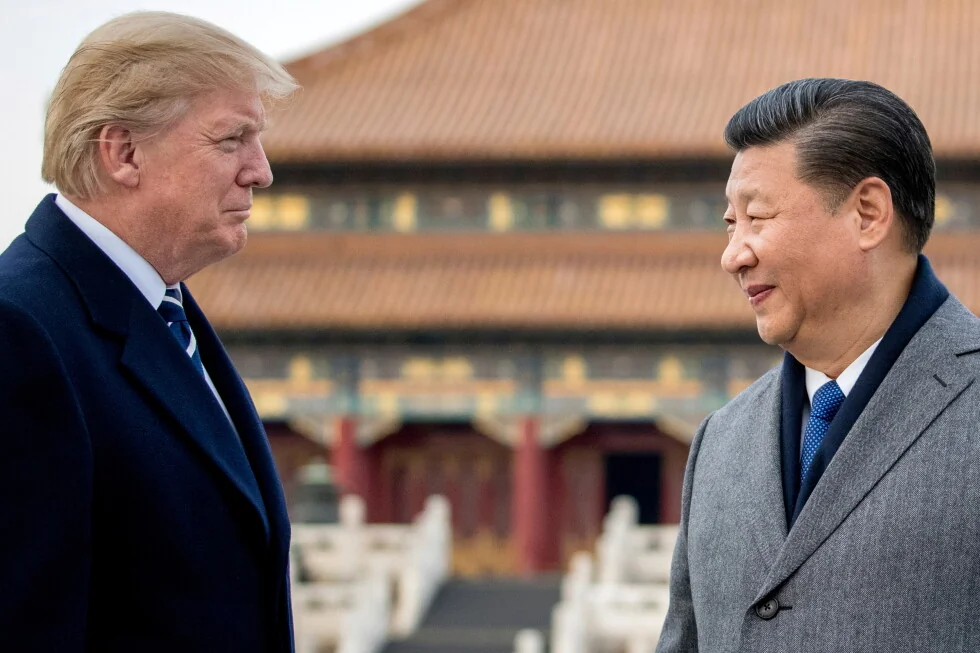
特朗普与习近平在寻求稳定之际,应对人工智能、贸易和伊朗问题上不断升级的紧张局势
Trump and Xi Navigate Flaring Tensions Over AI, Trade and Iran While Pursuing Stability
特朗普与习近平在寻求稳定之际,应对人工智能、贸易和伊朗问题上不断升级的紧张局势
Trump and Xi Navigate Flaring Tensions Over AI, Trade and Iran While Pursuing Stability

俄罗斯与乌克兰互施致命打击,泽连斯基准备会晤特朗普
Russia, Ukraine Exchange Deadly Strikes as Zelenskyy Prepares to Meet Trump
俄罗斯与乌克兰互施致命打击,泽连斯基准备会晤特朗普
Russia, Ukraine Exchange Deadly Strikes as Zelenskyy Prepares to Meet Trump
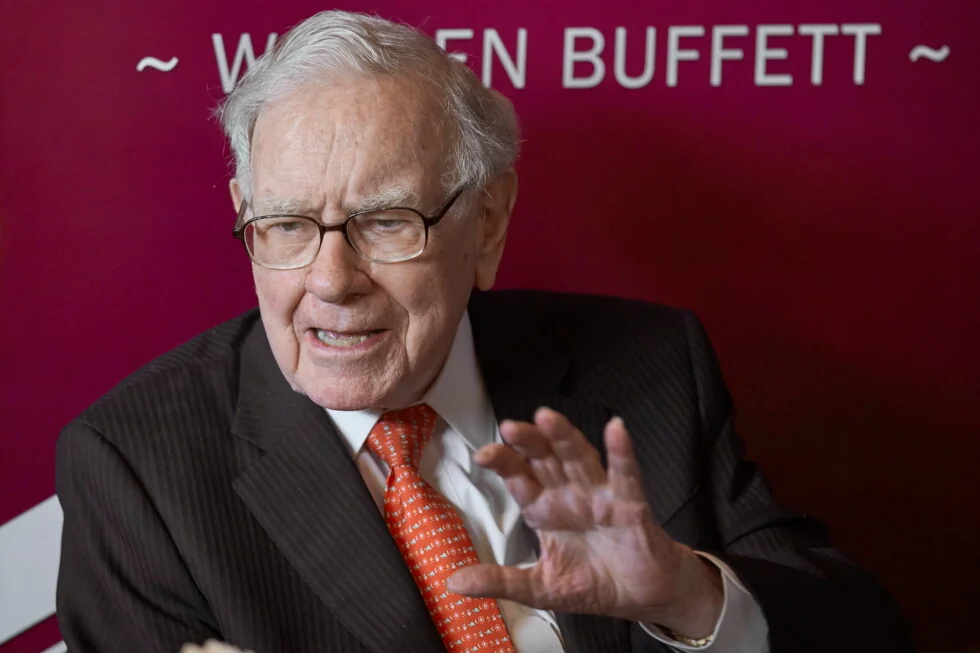
沃伦·巴菲特卸任伯克希尔·哈撒韦董事长,推进其继任计划
Warren Buffett relinquishes Berkshire Hathaway chairmanship, advancing his succession plan
沃伦·巴菲特卸任伯克希尔·哈撒韦董事长,推进其继任计划
Warren Buffett relinquishes Berkshire Hathaway chairmanship, advancing his succession plan
特朗普升级对媒体的攻势,誓言禁止CNN、MS NOW和Politico进入白宫
Trump escalates media offensive, vowing to bar CNN, MS NOW and Politico from the White House
特朗普升级对媒体的攻势,誓言禁止CNN、MS NOW和Politico进入白宫
Trump escalates media offensive, vowing to bar CNN, MS NOW and Politico from the White House
日本银行将基准利率上调至1.25%,创31年来新高
Bank of Japan Lifts Benchmark Rate to 1.25%, a 31-Year Peak
日本银行将基准利率上调至1.25%,创31年来新高
Bank of Japan Lifts Benchmark Rate to 1.25%, a 31-Year Peak

Anthropic声称,Claude在开发其自身继任者方面发挥了关键作用。
Anthropic claims Claude is instrumental in developing its own successor
Anthropic声称,Claude在开发其自身继任者方面发挥了关键作用。
Anthropic claims Claude is instrumental in developing its own successor
美联储为何现在加息——以及这预示着何种前景
Why the Federal Reserve is raising rates now — and what it portends
美联储为何现在加息——以及这预示着何种前景
Why the Federal Reserve is raising rates now — and what it portends

美国股市飙升至六周高点,因石油和美国国债收益率回落
US equities surge to six-week peak as oil and bond yields retreat
美国股市飙升至六周高点,因石油和美国国债收益率回落
US equities surge to six-week peak as oil and bond yields retreat