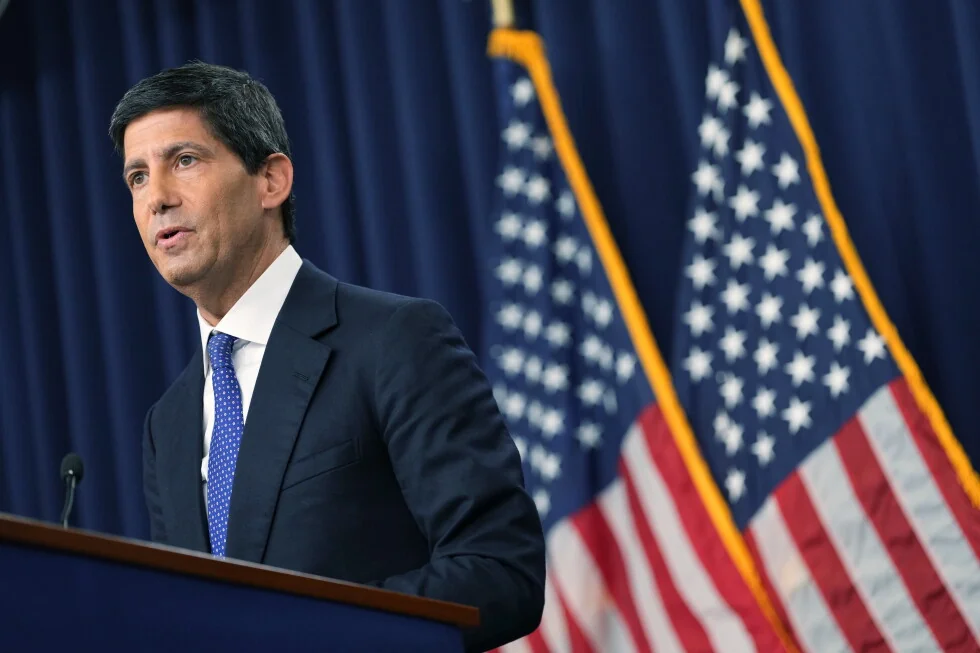
FRB、3年ぶりに主要金利を引き上げ、トランプの利下げ要求に背く
September 17th, 2026
FRB、3年ぶりに主要金利を引き上げ、トランプの利下げ要求に背く
🇯🇵 日本語
On Wednesday, the Federal Reserve raised its benchmark interest rate for the first time since 2023 in a bid to quell stubbornly entrenched inflation, the central bank signalling that a further hike could yet materialise later this year.
The quarter-point increment elevates the Fed’s benchmark rate to approximately 3.9% and, in due course, could precipitate augmented borrowing costs for mortgages, auto loans and credit cards.
In a series of quarterly projections, the Fed likewise intimated that its rate-setting committee might raise it a second time to 4.1%.
This development unfolds against a backdrop of Americans already grappling with exorbitant costs for groceries, gasoline and housing.
Affordability has assumed a preeminent role in the forthcoming midterm elections, now merely seven weeks distant.
It introduces yet another potentially precarious economic variable for Republicans and President Donald Trump, who excoriated the decision on Wednesday and accused the Fed’s foremost policymakers of endeavoring to inflict political damage upon him.
Chair Kevin Warsh, Trump’s nominee, underscored following the announcement that the economy had exhibited signs of gathering momentum ever since the central bank resolved to hold rates steady in late July.
Inflation, moreover, has remained stubbornly above the Fed’s 2% target, and he observed that there is scant indication of its abating.
"The unvarnished truth is that inflation remains excessively elevated and has done so for far too long," Warsh said.
"We must be assured that underlying inflation is converging upon our objective unambiguously and with sufficient celerity.
Today the FOMC determined that this criterion has not been met," he added, referring to the policy-setting Federal Open Market Committee, an arm of the Fed.
“Warsh’s bellicose rhetoric apropos of inflation during the post-meeting press conference intimated that he may well be advocating for more hawkish rate hikes in forthcoming deliberations,” remarked Preston Caldwell, Morningstar’s chief U.S. economist.
Warsh further averred that the resumption of hostilities between the United States and Iran—which had propelled gasoline prices upward—had persuaded Federal Reserve officials to countenance rate hikes.
“There exists no evading the world’s hot spots,” he said.
Addressing reporters in North Carolina on the eve of a midterm campaign rally, Trump made no reference to the policies of his that had shaped the decision, opting instead to cast the historically independent Fed as merely another political protagonist on the Washington stage.
"The board is exceedingly antagonistic. They are profoundly politicized. They are engaged in malfeasance. They are a coterie of political operatives," he said, adding, "They are raising rates in order to make Trump perform as poorly as they possibly can."
Warsh observed that other central banks are raising interest rates in response to global turmoil and elevated gas prices.
The European Central Bank raised its key rate last week, and the Bank of Japan is anticipated to follow suit on Sept. 18.
The Fed convenes next in late October, and the preponderance of economists anticipate that officials will leave rates untouched on that occasion, given its timing merely a week ahead of the midterm elections.
Yet, according to futures prices, Wall Street analysts now regard a rate hike by December as all but assured.
Also late Wednesday, the yield—or interest rate—on the 2-year Treasury ascended to 4.74% from 4.67%, yet another signal that investors anticipate the Fed might raise rates further.
Nonetheless, should inflation manifest signs of cooling in the months ahead, that could change.
Since assuming the helm at the Fed in May, Warsh has averred that it is resolutely committed to subduing inflation, and that policymakers would derive their cues from the data in ascertaining whether inflation was trending in the right direction.
The rate hike constitutes a reversal for Warsh, who, when under consideration by Trump the previous year, had frequently intimated that the Fed might lower its key rate, thereby echoing the president's appeal for diminished borrowing costs.
In April, whilst Warsh’s nomination was under the Senate Banking Committee’s consideration, Trump remarked in a television interview that he would be disappointed were Warsh not to cut rates.
That same day, however, Warsh apprised the committee that he had made Trump no promise to cut rates, asserting that he would be “an independent actor” as Fed chair.
Trump remarked in North Carolina that he had conferred with Warsh prior to the vote, apprising him, “You might as well vote with the board because it’s not going to matter.”
The persistent upheavals wrought by the Iran war, which have driven average gasoline prices up by more than 7% relative to a mere month prior, portend a contagion throughout the economy that could keep broader inflation intractably elevated.
An inflation report released last week revealed that core prices—those excluding food and energy—accelerated marginally in August.
By the Fed’s preferred gauge, inflation stood at 3.7% in July relative to a year earlier, having risen from 2.3% in April 2025, immediately prior to Trump’s unveiling of sweeping tariffs.
Core inflation, which omits the volatile food and energy categories, registered 3.3% in July, the most recent data available, up from 3% shortly before the Iran war and considerably in excess of the Fed’s target.
Fed policymakers evinced unanimous support for the rate hike, in contrast to late July, when the central bank held rates steady and three officials dissented in favor of higher rates.
Of the 18 Fed policymakers who submitted growth and interest rate projections, 16 penciled in at least one further rate hike this year, with four endorsing two additional increases.
Earlier on Wednesday, the government reported that retail sales had surged 1.2% in August from the preceding month—an indication that consumers continue to spend at robust levels notwithstanding sentiment surveys suggesting that Americans remain despondent about the economy.
Such vigorous spending signals that interest rates at their present levels are not necessarily constraining the economy and tempering inflation.
“Whilst uncertainty persists at an elevated level, attributable in part to geopolitical developments, domestic expenditure has evinced considerable resilience,” the Fed remarked—a probable allusion to sustained consumer outlays and substantial investment in artificial intelligence data centres by large technology enterprises.
Inflationary surges cannot be ascribed solely to gasoline prices.
Persistent investment in AI has driven up the cost of computer chips and other electronic components, thereby compounding overall inflationary pressures.
Tariffs may yet be inflating certain expenses—household appliances, for instance, which surged in price last month.
Trump had excoriated Warsh’s predecessor, Jerome Powell, for failing to cut rates with sufficient alacrity.
His Justice Department went so far as to initiate a criminal investigation into Powell over cursory testimony he had delivered to Congress the previous year, albeit that inquiry was ultimately abandoned.
When queried on Wednesday as to how the president might respond to the rate increase, Warsh remarked, “I’ve got nothing for you on a discussion with the president.”
On Sunday, Kevin Hassett, Trump's foremost economic adviser, was pressed during an interview with Fox News as to how Trump might react to a rate hike.
"I have little doubt that he will be less than thrilled about it, yet he will champion the independence of Kevin Warsh above all else," Hassett said.
Warsh may derive a modicum of insulation from the circumstance that his father-in-law, Ronald Lauder, is both a confidant of Trump’s and a billionaire benefactor of his campaigns.
And the president, notwithstanding all his protestations, maintained that he desires Warsh “to be independent.”
When asked point-blank whether he retains confidence in Warsh, Trump answered, “I do.”
Bill Barrow, a reporter affiliated with the Atlanta-based publication, contributed to this report.
September 17th, 2026
Trending Articles
ウォーレン・バフェットがバークシャー・ハサウェイの会長職を退き、後継者計画を前進させる
Warren Buffett relinquishes Berkshire Hathaway chairmanship, advancing his succession plan
ウォーレン・バフェットがバークシャー・ハサウェイの会長職を退き、後継者計画を前進させる
Warren Buffett relinquishes Berkshire Hathaway chairmanship, advancing his succession plan
トランプ、メディア攻勢を激化させ、CNN、MS NOW、ポリティコのホワイトハウス立ち入りを禁止すると誓約
Trump escalates media offensive, vowing to bar CNN, MS NOW and Politico from the White House
トランプ、メディア攻勢を激化させ、CNN、MS NOW、ポリティコのホワイトハウス立ち入りを禁止すると誓約
Trump escalates media offensive, vowing to bar CNN, MS NOW and Politico from the White House
日本銀行、基準金利を1.25%に引き上げ、31年ぶりの高水準
Bank of Japan Lifts Benchmark Rate to 1.25%, a 31-Year Peak
日本銀行、基準金利を1.25%に引き上げ、31年ぶりの高水準
Bank of Japan Lifts Benchmark Rate to 1.25%, a 31-Year Peak

Anthropicは、Claudeが自らの後継モデルの開発において極めて重要な役割を果たしていると主張している。
Anthropic claims Claude is instrumental in developing its own successor
Anthropicは、Claudeが自らの後継モデルの開発において極めて重要な役割を果たしていると主張している。
Anthropic claims Claude is instrumental in developing its own successor
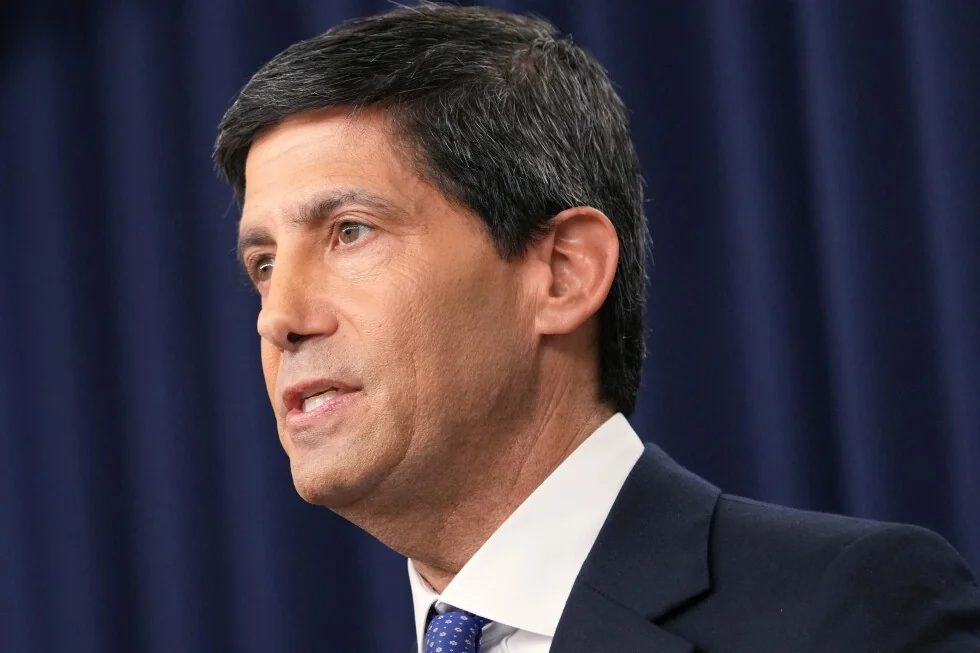
連邦準備制度が今、利上げに踏み切る理由——そしてそれが示唆するもの
Why the Federal Reserve is raising rates now — and what it portends
連邦準備制度が今、利上げに踏み切る理由——そしてそれが示唆するもの
Why the Federal Reserve is raising rates now — and what it portends
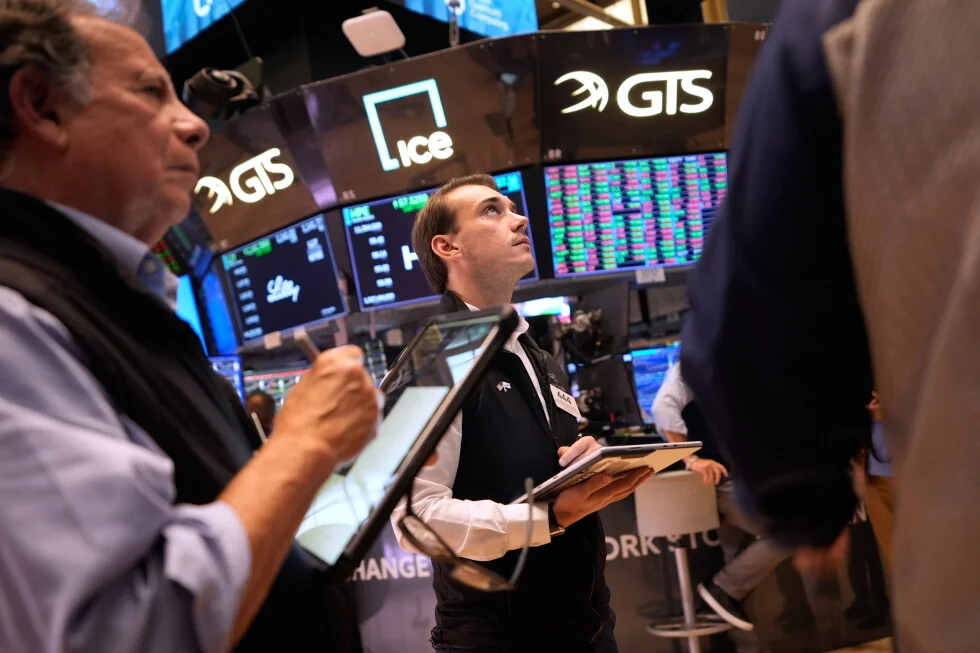
米国株は原油と債券利回りの後退を受けて6週間ぶりの高値に急騰
US equities surge to six-week peak as oil and bond yields retreat
米国株は原油と債券利回りの後退を受けて6週間ぶりの高値に急騰
US equities surge to six-week peak as oil and bond yields retreat
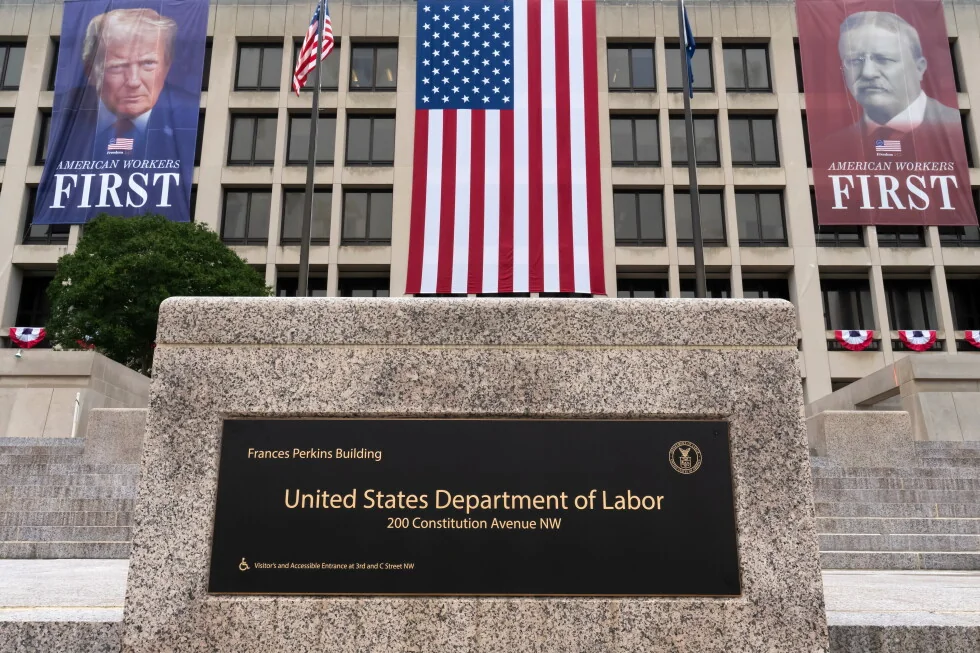
失業保険申請件数は19万6千件に急減、7月中旬以来の低水準、解雇件数の持続的な低さの中で
Unemployment Claims Plummet to 196,000, Lowest Since Mid-July Amid Sustained Layoff Lows
失業保険申請件数は19万6千件に急減、7月中旬以来の低水準、解雇件数の持続的な低さの中で
Unemployment Claims Plummet to 196,000, Lowest Since Mid-July Amid Sustained Layoff Lows
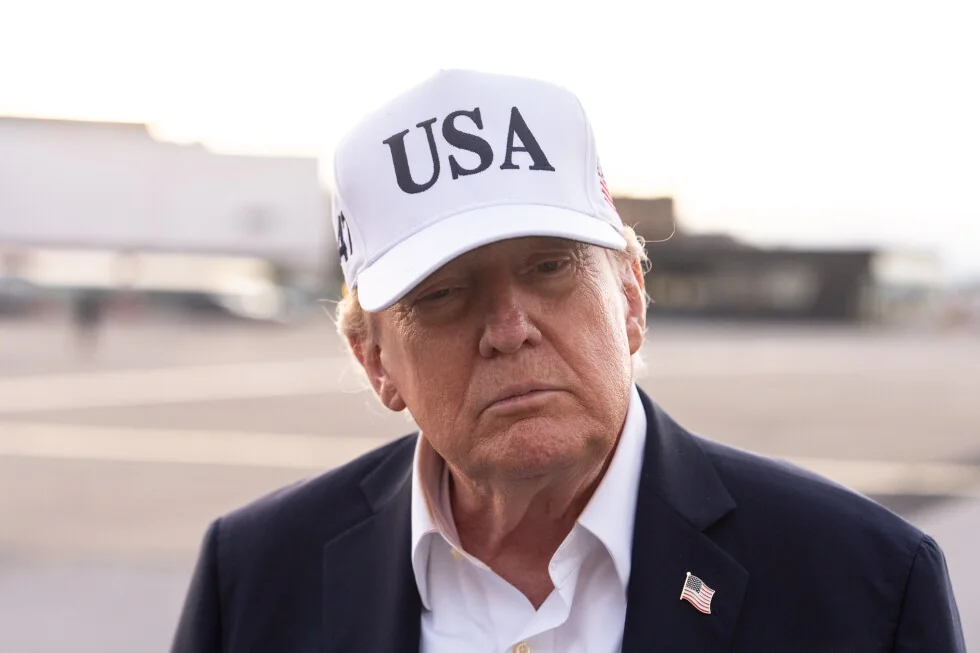
トランプ、AIのリスクを「デマ」と非難し、AIとデータセンターに対する「病んだ陰謀」を主張
Trump denounces AI risks as ‘hoax,’ alleges ‘SICK conspiracy’ against AI and data centers
トランプ、AIのリスクを「デマ」と非難し、AIとデータセンターに対する「病んだ陰謀」を主張
Trump denounces AI risks as ‘hoax,’ alleges ‘SICK conspiracy’ against AI and data centers
連邦最高裁判所、メイン州のロブスター漁師によるGPS船舶追跡装置義務化への異議申し立てを審理するかどうかを判断へ
Supreme Court to Determine Whether to Hear Maine Lobsterman’s Challenge to GPS Boat Tracker Mandate
連邦最高裁判所、メイン州のロブスター漁師によるGPS船舶追跡装置義務化への異議申し立てを審理するかどうかを判断へ
Supreme Court to Determine Whether to Hear Maine Lobsterman’s Challenge to GPS Boat Tracker Mandate