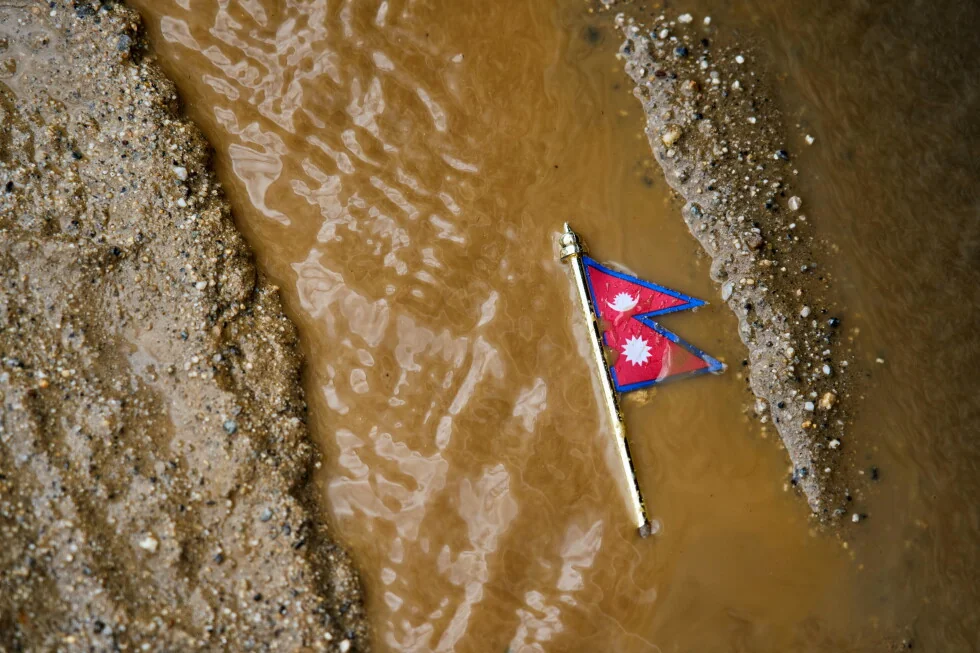
尼泊尔山洪死亡人数突破1000,大规模安葬工作启动
September 1st, 2026
尼泊尔山洪死亡人数突破1000,大规模安葬工作启动
🇨🇳 中文
Rescue teams with search dogs kept looking through mud, rocks, and debris on Tuesday along the Nepal-China border for thousands of people still missing after the catastrophic floods that swept through Himalayan communities, killing more than 1,000.
As police in Kathmandu interred scores of bodies in multiple trenches, Nepal’s disaster agency reported that 1,003 fatalities had been recorded there, with 3,916 individuals unaccounted for, including 583 foreign nationals.
In its most recent bulletin, China confirmed 16 deaths and 546 missing persons, among them 261 foreigners.
The sheer scale of the August 26 disaster is hampering rescue efforts in both countries, as landslides, destroyed roads, and widespread damage have cut off remote areas.
Crews faced challenging conditions while searching unstable terrain and piles of debris, raising fears that the death toll could rise as rescuers reach isolated communities.
Rescuers are racing against time to reach hundreds of workers believed to be trapped inside tunnels at hydropower projects in Nepal that have been devastated by the floods.
Approximately 900 workers remain unaccounted for across 12 sites, with an estimated 500 of them thought to be confined within the tunnels, local authorities have reported.
Brig. Gen. Raja Ram Basnet, Nepal’s army spokesperson, stated that teams supported by international specialists were operating across several hydropower projects.
Footage released by the military depicted rescue crews entering tunnels strewn with debris and wading through mud and water as they searched for any indications of survivors.
On the Chinese side, rescue crews scoured the regions devastated by mudslides, with particular focus on the Gyirong Port border crossing, which had been entirely obliterated.
Some rescuers, aided by search dogs, searched the gaps among rocks and debris for any signs of life.
Other teams used heavy machinery to clear a major highway leading to Gyirong Port, hoping to make way for equipment, personnel, and supplies to reach the disaster zone, according to China's state-run Global Times newspaper.
In Kathmandu, police labored through torrential rain on Tuesday to inter dozens of bodies in multiple trenches adjacent to a wooded area.
Barbed wire had been erected around the perimeter, while blue numbered markers identified the graves of individuals whose identities remained unknown.
Nepalese authorities have been burying bodies in temporary graves until they can be identified, while also preserving DNA samples, photographing distinctive facial features, and recording other identifying details.
Each body is assigned a reference number to facilitate the identification and subsequent claiming of remains by families.
According to Nepalese authorities, at least 11,814 individuals have been rescued to date.
Emergency crews deployed helicopters and other aircraft to reach isolated communities in regions where flooding and landslides have rendered roads and bridges impassable.
Relief efforts are being intensified to reach survivors in areas where road networks and other transport links have been damaged or severed.
China’s Foreign Ministry spokesperson, Guo Jiakun, stated that a second consignment of relief supplies was being dispatched to Nepal, comprising drones, DNA testing kits, and water purification systems.
He further noted that Chinese experts in DNA analysis would assist in identifying the deceased.
Bimal Sharma, a helicopter pilot with extensive experience in rescue and relief missions, expressed his shock at the devastation he saw in Timure, a border town near Tibet that he has known well for years.
"It felt as if I were flying over a completely different landscape," said Sharma, adding that he has had little chance to talk with the people he rescued.
"I can see the pain in their eyes. It's heartbreaking," he said.
The catastrophe originated in the Himalayas when a glacial collapse discharged substantial volumes of rock, ice, and meltwater into the valleys below, precipitating powerful floods downstream.
Scientists examining satellite imagery have determined that the collapse likely resulted from the failure of bedrock beneath a Himalayan glacier, with the ensuing rockfall registering as a magnitude 5.2 seismic event.
The resulting surge of water and debris entered rivers flowing through valleys in Tibet and Nepal, causing them to rise rapidly.
Floodwaters swept away homes, buildings, roads, and bridges, and carried mud and rocks downstream.
Nepal’s Prime Minister Balendra Shah stated that the catastrophe underscored the urgent necessity for measures to address climate change.
"This incident has shown that the risks we face in the Himalayan region are growing with climate change," Shah said in a social media post on Monday night.
"So this region must be alert, and at the same time, it is time for us to strongly raise the issue of disasters caused by climate change before the international community."
September 1st, 2026
Trending Articles
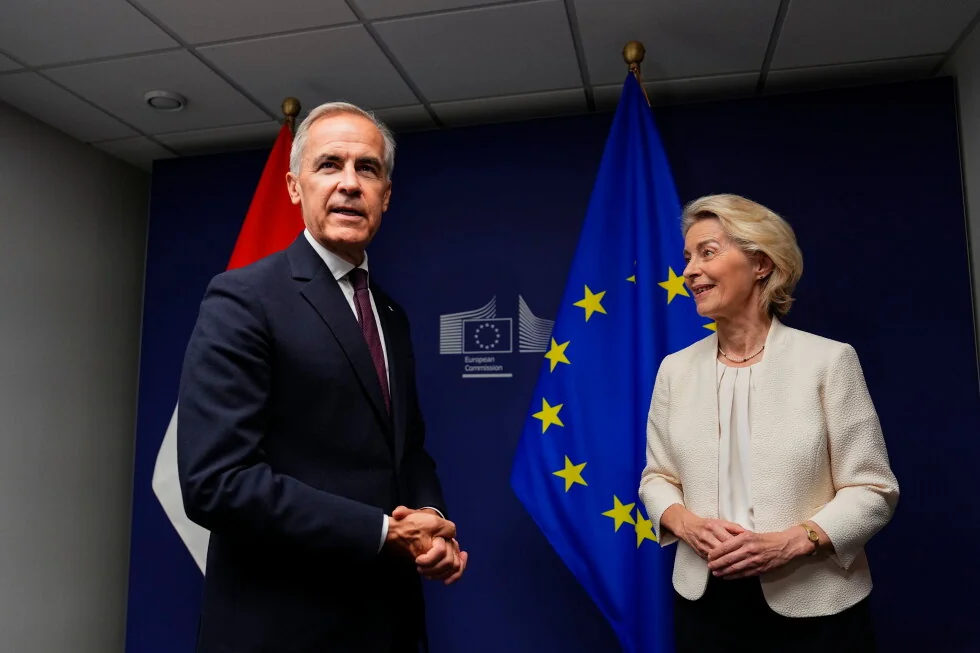
欧盟向加拿大提出的“准成员”提议可能意味着什么
What the EU’s ‘associate member’ offer to Canada could signify
欧盟向加拿大提出的“准成员”提议可能意味着什么
What the EU’s ‘associate member’ offer to Canada could signify

白宫表示,特朗普将于下周在纽约会见委内瑞拉代理总统德尔西·罗德里格斯。
Trump to meet Venezuela's acting President Delcy Rodríguez in New York next week, White House says
白宫表示,特朗普将于下周在纽约会见委内瑞拉代理总统德尔西·罗德里格斯。
Trump to meet Venezuela's acting President Delcy Rodríguez in New York next week, White House says

俄罗斯战时经济因债务与军费开支面临长期侵蚀
Russia’s Wartime Economy Faces Long-Term Erosion from Debt and Military Spending
俄罗斯战时经济因债务与军费开支面临长期侵蚀
Russia’s Wartime Economy Faces Long-Term Erosion from Debt and Military Spending

俄罗斯开启为期三天的议会选举投票,此次选举势将巩固克里姆林宫的权力
Russia starts 3 days of voting in a parliamentary election poised to cement the Kremlin’s power
俄罗斯开启为期三天的议会选举投票,此次选举势将巩固克里姆林宫的权力
Russia starts 3 days of voting in a parliamentary election poised to cement the Kremlin’s power

尽管战时敌对状态持续,美国仍向伊朗高层领导人发放签证,以便其出席联合国高级别会议
US grants visas to top Iranian leaders for UN high-level meeting despite wartime hostilities
尽管战时敌对状态持续,美国仍向伊朗高层领导人发放签证,以便其出席联合国高级别会议
US grants visas to top Iranian leaders for UN high-level meeting despite wartime hostilities
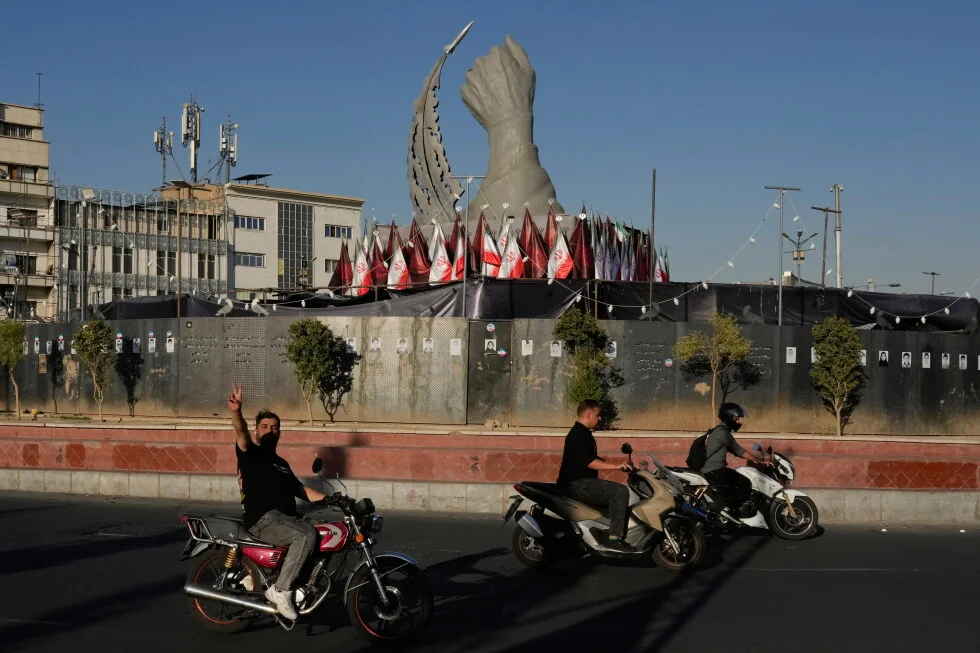
联合国专家指控美国对伊朗的打击可能构成战争罪
UN experts allege possible US war crimes in Iran strikes
联合国专家指控美国对伊朗的打击可能构成战争罪
UN experts allege possible US war crimes in Iran strikes
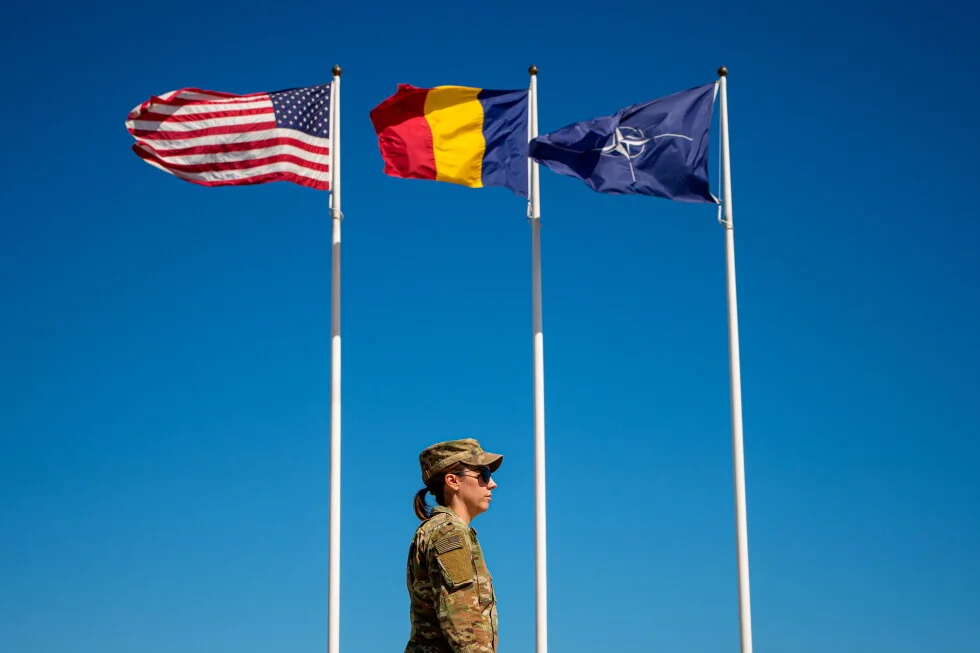
罗马尼亚边境居民因无人机警报增多而感到恐慌
Romanian Border Residents Alarmed as Drone Alerts Mount
罗马尼亚边境居民因无人机警报增多而感到恐慌
Romanian Border Residents Alarmed as Drone Alerts Mount

卡尼支持欧盟准成员身份,特朗普将加拿大推向欧洲
Carney backs EU associate membership as Trump pushes Canada toward Europe
卡尼支持欧盟准成员身份,特朗普将加拿大推向欧洲
Carney backs EU associate membership as Trump pushes Canada toward Europe

美国在霍尔木兹海峡重新开放方面取得进展,但伊朗战争仍在持续
US Progress on Strait of Hormuz Reopening, Yet Iran War Persists
美国在霍尔木兹海峡重新开放方面取得进展,但伊朗战争仍在持续
US Progress on Strait of Hormuz Reopening, Yet Iran War Persists

6名尼日利亚人将因在恋爱诈骗中骗取女性600万美元而被引渡至美国
6 Nigerians to Be Extradited to US for Defrauding Women of $6M in Romance Scams
6名尼日利亚人将因在恋爱诈骗中骗取女性600万美元而被引渡至美国
6 Nigerians to Be Extradited to US for Defrauding Women of $6M in Romance Scams