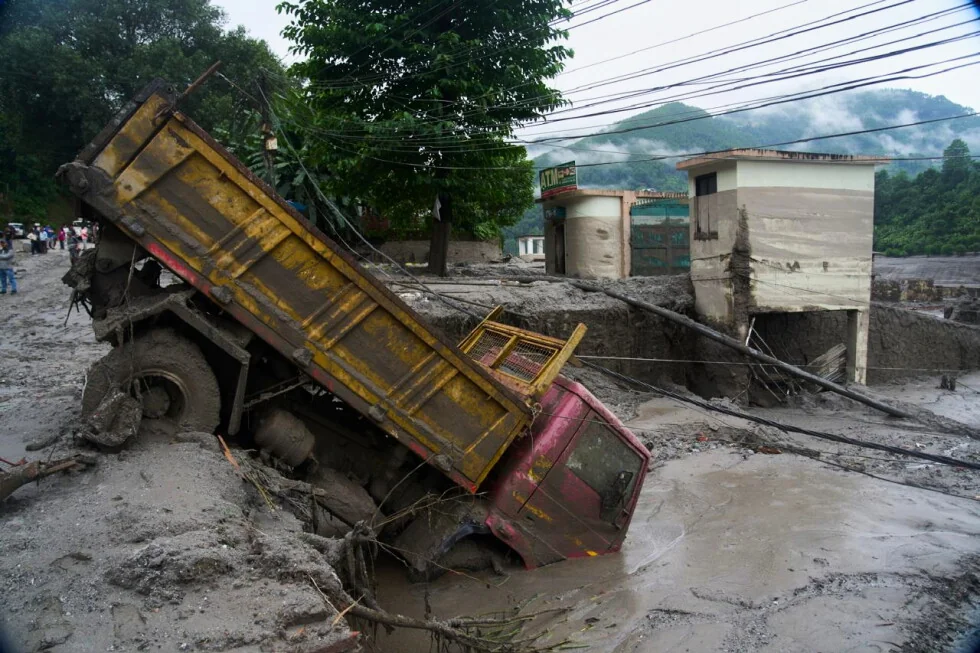
尼泊尔洪水凸显了气候变暖背景下喜马拉雅地区日益加剧的冰川灾害。
August 27th, 2026
尼泊尔洪水凸显了气候变暖背景下喜马拉雅地区日益加剧的冰川灾害。
🇨🇳 中文
Preliminary scientific investigations suggest that the catastrophic flash flood in Nepal on Wednesday was likely triggered by a substantial glacial fragment that broke off and temporarily obstructed a river, potentially causing the accumulated water to surge downstream with immense force several hours later.
Scientists are still combining information from satellite and ground-level data to determine precisely what caused the flood, which killed at least 353 people and left over 1,300 missing, including foreigners and pilgrims.
The U.S. Geological Survey on Wednesday reported a magnitude 5.2 glacier collapse that sent debris flowing downstream with catastrophic impact on communities.
It said its determination was based on data from nearby seismic stations, long period seismic waves and satellite imagery.
"The lower part of the glacier has clearly broken off," said Jakob Steiner, a geoscientist at the University of Graz in Austria who is currently based in Bangladesh.
"Looking at the imagery, it's as if a huge knife had sliced through the entire lower section, causing it to fall away."
Steiner said that a mass of glacial ice falling from a great height could have felt like a bomb exploding, leading to the chaos that followed.
Scientists cautioned that it is premature to establish a direct causal link between global warming and Wednesday’s catastrophe.
Nevertheless, they noted that as Earth’s temperature escalates due to anthropogenic activities such as the combustion of oil, gas, and coal, the likelihood of such calamities intensifies, particularly in the Himalayan mountains, which are experiencing warming at a significantly accelerated rate compared to many other regions worldwide.
"We must be cautious and not jump to conclusions yet.
However, rising temperatures are altering the Hindu Kush Himalaya region and causing glaciers to melt," said Saswat Sanyal, a disaster risk reduction specialist at the Kathmandu-based climate research group International Centre for Integrated Mountain Development.
Hundreds have been displaced across the Himalayan region, and officials have reported extensive damage to critical infrastructure, encompassing hydropower dams, road networks, buildings, and bridges in the area.
Researchers at the Kathmandu-based climate research group reported that river levels across the flood-affected region surged by as much as 9 meters (29.5 feet) within a mere 30 minutes, a direct consequence of the glacial detachment upstream.
"It was a colossal surge, an abrupt and overwhelming swell of water," Sanyal remarked.
Preliminary findings suggest that a large amount of ice and rock may have fallen into the Lhende Khola, a tributary of the Bhote Koshi River.
Researchers said the collapse could have pushed water aside and carried loose sediment and boulders, creating a strong surge downstream.
They are also looking into whether debris briefly blocked the river before the trapped water broke through, making the flood worse.
Steiner said the area has a history of destructive mountain hazards.
Floods originating from a glacial lake struck the same valley in 2025, while an ice and rock avalanche occurred elsewhere in the area in 2024.
The broader Langtang region was also hit by devastating avalanches during Nepal’s 2015 earthquake.
According to climate scientists, the Hindu Kush Himalaya is undergoing accelerated warming, which is precipitating profound transformations in its glaciers, snow cover, permafrost, and mountain slopes.
The mountain range holds the greatest accumulation of snow and ice outside the polar regions.
Over 63,000 glaciers within this expanse feed no fewer than ten major Asian river systems, underpinning the food, water, energy, and livelihood security of billions of people.
Nevertheless, approximately 78% of the glacier expanse, situated at elevations ranging from 4,500 to 6,000 meters above sea level, remains acutely susceptible to rising temperatures.
“What transpired yesterday is regrettably the new norm.
It will only deteriorate from this point forward,” Steiner remarked.
The last decade was the hottest multi-year period on record globally, and 2024 was the warmest year ever documented.
According to United Nations reports, glaciers lost 267 gigatons of ice per year between 2000 and 2019, which is roughly the same as the mass of 46,500 Great Pyramids of Giza.
In a warming world, the reports project the loss of up to 50% of all glaciers — excluding those in Greenland and Antarctica — by 2100, even if global warming can be limited to 1.5 degrees Celsius (2.7 degrees Fahrenheit.)
Current global policies are steering the planet toward a temperature rise of approximately 2.8 degrees Celsius (5 degrees Fahrenheit) above preindustrial benchmarks by the century's close.
Research conducted by the Kathmandu-based organisation reveals that glaciers across these mountain ranges are undergoing accelerated melting, with the rate of ice loss having doubled since the turn of the millennium.
The ablation of glaciers can contribute to the expansion of glacial lakes, thereby heightening the likelihood of sudden flood events.
As glaciers recede, the mountain rock that was once insulated and buttressed by ice becomes exposed to warmer temperatures, precipitation, and cycles of freezing and thawing.
Permafrost — ground that has remained frozen for years — can likewise thaw, destabilizing rock faces and slopes.
The likelihood of material beginning to descend from mountainous terrain is heightened, Steiner noted.
Sanyal suggested that the cascading hazard in Nepal on Wednesday may have unfolded in this way: an avalanche or glacial collapse leading to a debris flow, river blockage, and a devastating flash flood.
Steiner noted that roughly 10% of Nepal’s power generation was situated in the valley affected by the latest disaster.
He observed that the recurring losses prompt questions about whether sufficient measures have been implemented to establish warning systems for both residents and visitors, particularly in the wake of previous floods and avalanches.
The country's landscape has long constituted a significant draw for tourists, attracting upwards of a million visitors annually in recent years.
Scientists contend that enhanced early warning systems, more rigorous monitoring, and expedited cross-border information exchange will prove increasingly vital as global temperatures rise and mountain ecosystems grow progressively more precarious.
Monitoring thousands of glaciers, steep slopes, and river valleys across the Himalayan arc is an exceptionally difficult task.
And when cascading disasters begin, there may be only minutes to act.
“We don’t have hours,” Sanyal said.
“At times, we’re left with merely a few minutes to get ready.”
Steiner asserted that a “red line” has already been crossed, rendering certain regions of Nepal too hazardous for habitation at present.
We had anticipated that past similar disasters would serve as a wake-up call for governments in the Himalayan region, yet it is somewhat frustrating that the damage never appears severe enough to trigger action, Steiner said.
"I'm not overly optimistic that clear solutions will appear from tomorrow onward," he added.
"We know what needs to be done, but it will require coordinated efforts from various stakeholders to turn that knowledge into action."
Arasu can be followed on X at @sibi123, and he can be reached at [email protected].
Reporters’ coverage of climate and environmental issues is financially supported by a range of private foundations.
AP bears sole responsibility for all content.
For AP’s guidelines on collaborating with philanthropies, a roster of supporters, and the areas of coverage that receive funding, visit AP.org.
August 27th, 2026
Trending Articles
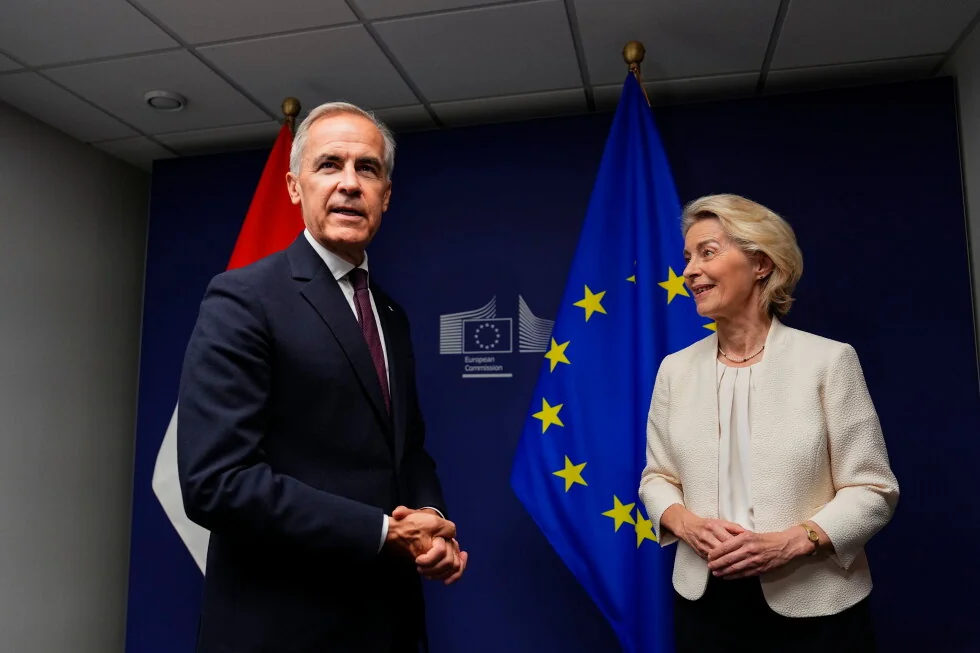
欧盟向加拿大提出的“准成员”提议可能意味着什么
What the EU’s ‘associate member’ offer to Canada could signify
欧盟向加拿大提出的“准成员”提议可能意味着什么
What the EU’s ‘associate member’ offer to Canada could signify

白宫表示,特朗普将于下周在纽约会见委内瑞拉代理总统德尔西·罗德里格斯。
Trump to meet Venezuela's acting President Delcy Rodríguez in New York next week, White House says
白宫表示,特朗普将于下周在纽约会见委内瑞拉代理总统德尔西·罗德里格斯。
Trump to meet Venezuela's acting President Delcy Rodríguez in New York next week, White House says

俄罗斯战时经济因债务与军费开支面临长期侵蚀
Russia’s Wartime Economy Faces Long-Term Erosion from Debt and Military Spending
俄罗斯战时经济因债务与军费开支面临长期侵蚀
Russia’s Wartime Economy Faces Long-Term Erosion from Debt and Military Spending

俄罗斯开启为期三天的议会选举投票,此次选举势将巩固克里姆林宫的权力
Russia starts 3 days of voting in a parliamentary election poised to cement the Kremlin’s power
俄罗斯开启为期三天的议会选举投票,此次选举势将巩固克里姆林宫的权力
Russia starts 3 days of voting in a parliamentary election poised to cement the Kremlin’s power

尽管战时敌对状态持续,美国仍向伊朗高层领导人发放签证,以便其出席联合国高级别会议
US grants visas to top Iranian leaders for UN high-level meeting despite wartime hostilities
尽管战时敌对状态持续,美国仍向伊朗高层领导人发放签证,以便其出席联合国高级别会议
US grants visas to top Iranian leaders for UN high-level meeting despite wartime hostilities
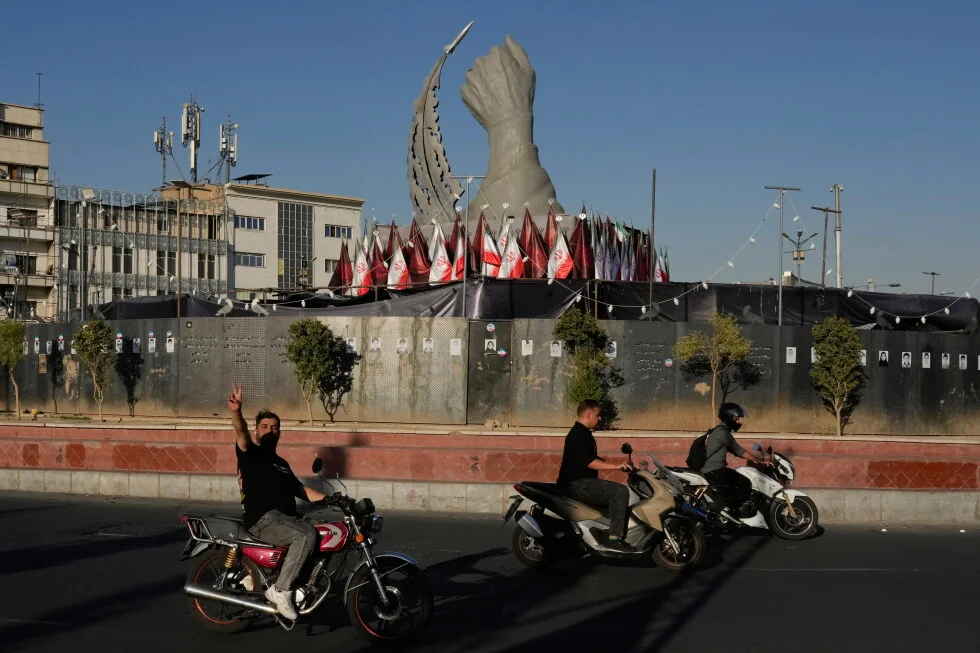
联合国专家指控美国对伊朗的打击可能构成战争罪
UN experts allege possible US war crimes in Iran strikes
联合国专家指控美国对伊朗的打击可能构成战争罪
UN experts allege possible US war crimes in Iran strikes

罗马尼亚边境居民因无人机警报增多而感到恐慌
Romanian Border Residents Alarmed as Drone Alerts Mount
罗马尼亚边境居民因无人机警报增多而感到恐慌
Romanian Border Residents Alarmed as Drone Alerts Mount
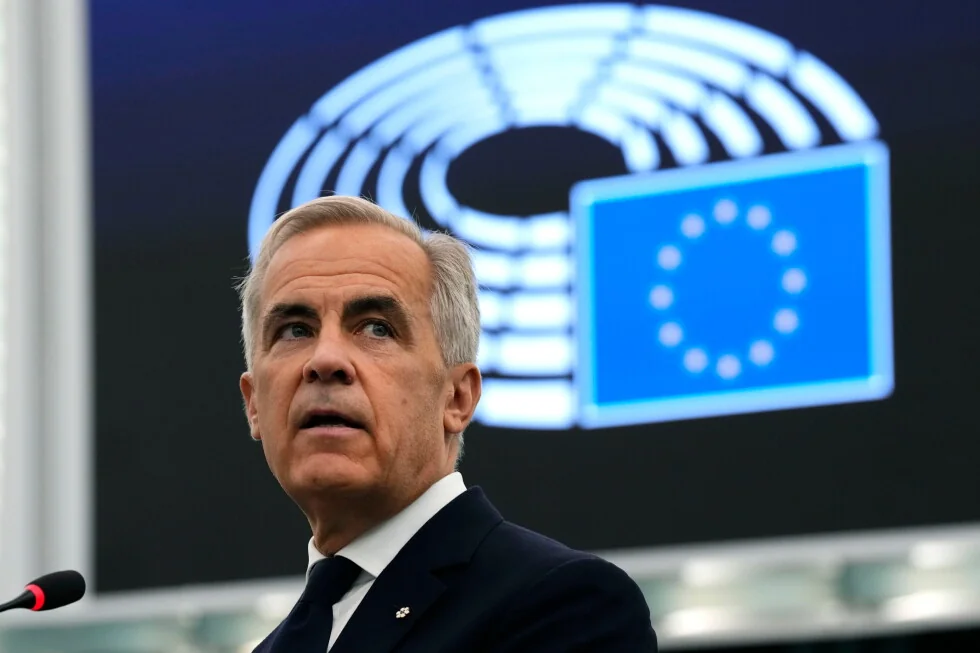
卡尼支持欧盟准成员身份,特朗普将加拿大推向欧洲
Carney backs EU associate membership as Trump pushes Canada toward Europe
卡尼支持欧盟准成员身份,特朗普将加拿大推向欧洲
Carney backs EU associate membership as Trump pushes Canada toward Europe

美国在霍尔木兹海峡重新开放方面取得进展,但伊朗战争仍在持续
US Progress on Strait of Hormuz Reopening, Yet Iran War Persists
美国在霍尔木兹海峡重新开放方面取得进展,但伊朗战争仍在持续
US Progress on Strait of Hormuz Reopening, Yet Iran War Persists

6名尼日利亚人将因在恋爱诈骗中骗取女性600万美元而被引渡至美国
6 Nigerians to Be Extradited to US for Defrauding Women of $6M in Romance Scams
6名尼日利亚人将因在恋爱诈骗中骗取女性600万美元而被引渡至美国
6 Nigerians to Be Extradited to US for Defrauding Women of $6M in Romance Scams