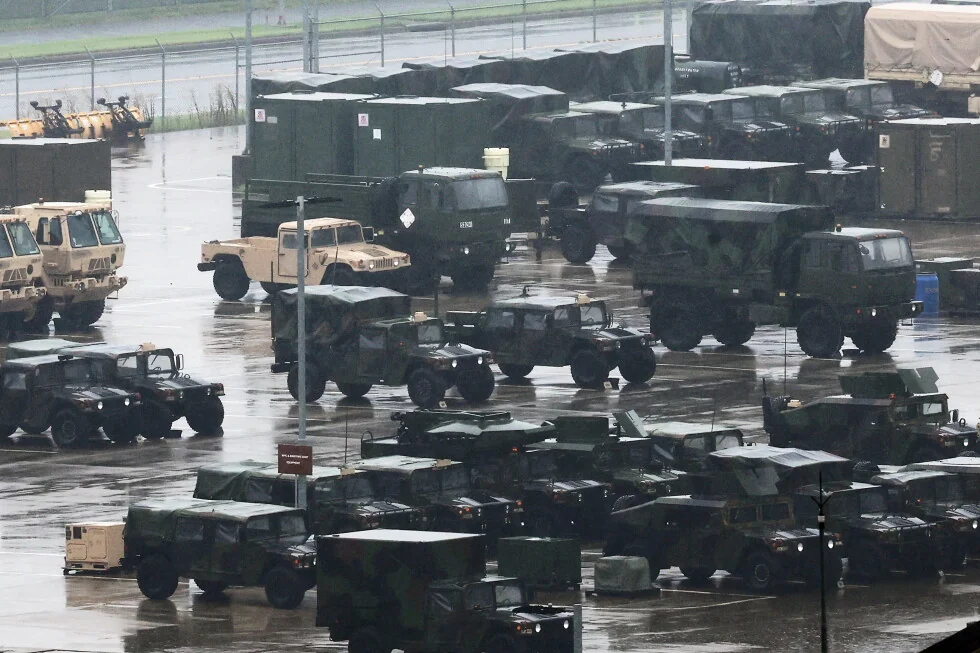
美国和韩国军方在朝鲜发射导弹齐射后提前结束演习
August 21st, 2026
美国和韩国军方在朝鲜发射导弹齐射后提前结束演习
🇨🇳 中文
The U.S. and South Korean militaries ended their annual exercise on Friday, six days earlier than planned, as a goodwill gesture toward North Korea, though Pyongyang said the move is insufficient to bring it back to the negotiating table.
U.S. President Donald Trump had earlier abruptly ordered the Pentagon to “substantially reduce” the Ulchi Freedom Shield exercise just before it commenced on Monday.
Trump cited what he characterized as a constructive rapport with North Korean leader Kim Jong Un and South Korea’s refusal to back him regarding the conflict in Iran.
The South Korean military has reported that the Ulchi Freedom Shield, a joint command post exercise carried out in partnership with the United States, came to a close on Friday.
This month’s exercise was initially reported to be scheduled in two phases over 11 days, simulating North Korean attacks — the first phase, running until Friday, focused on defensive operations, while the second, concluding Aug. 27, centered on counteroffensive operations.
North Korea exhibits acute sensitivity to the latter phase.
South Korea and the U.S. had likewise scheduled 14 joint field training exercises for the Ulchi Freedom Shield period, yet they have mutually consented to reduce these by half as well, according to South Korea's military.
Kim Yo Jong, the influential sister of North Korean leader Kim Jong Un, dismissed Trump’s overture on Wednesday, asserting that curtailing the duration and scale of the drills would not alter their “provocative, aggressive nature.”
The next day, North Korea launched about ten short-range ballistic missiles toward the sea, apparently following through on its earlier threat to respond to the U.S.-South Korean drills, which it sees as a rehearsal for invasion.
The U.S. Pacific Command stated that the incidents did not constitute an immediate threat to U.S. territory or its allies.
The command affirmed that the United States remains steadfast in its commitment to defending the U.S. homeland and its allies in the region.
Kim Yo Jong's statement dampened hopes for an early resumption of talks between Trump and Kim Jong Un, whose earlier nuclear diplomacy collapsed in 2019.
Kim Jong Un has exploited the diplomatic stalemate to bolster his leverage by modernizing his nuclear and missile arsenals and aligning with Russia over its war against Ukraine.
Kim Jong Un suggested last year that he won't return to talks unless the U.S. drops its demand for North Korean denuclearization as a precondition for diplomacy.
Kim Yo Jong still used relatively measured language, avoided the usual harsh rhetoric of North Korea, and mentioned what she called an “excellent” relationship between her brother and Trump.
This suggests that North Korea does not want to completely close the door to future talks and may seek to win bigger concessions from the U.S., such as international recognition as a nuclear state and broad sanctions relief.
By supplying ammunition and troops to Russia, North Korea is likely to receive economic and military assistance in return, and its growing ties with Russia give it significant leverage to request more support from China, its main trading partner.
"Once this strategic play has run its course, Kim may seek further economic and reputational benefits from Washington," said Leif-Eric Easley, a professor at Ewha University in Seoul.
"But that will probably be after the U.S. midterm elections, when Trump is expected to be in a weaker domestic political position and looking for foreign policies that grab headlines."
Kim Dong-yub, a professor at the University of North Korean Studies in Seoul, stated that Kim Yo Jong's remarks underscored North Korea's stance that a personal rapport between her brother and Trump "can't be a factor that moves current North Korean-U.S. relations."
He added that Kim Yo Jong probably sought to preempt speculation that Trump's initiative could revive diplomacy, thereby avoiding full responsibility if it fails to materialize.
Kim Yo Jong dismissed Trump's claim that Kim Jong Un had replied to his request for a conversation.
When asked by reporters on Wednesday if he would meet with Kim Jong Un this year, Trump said, "Yeah, I will be."
The Ulchi Freedom Shield is one of the principal military exercises conducted annually by the U.S. and South Korea to strengthen their ability to respond to potential North Korean aggression.
Its reduction in scale has raised concerns about the joint readiness of the two allies.
August 21st, 2026
Trending Articles
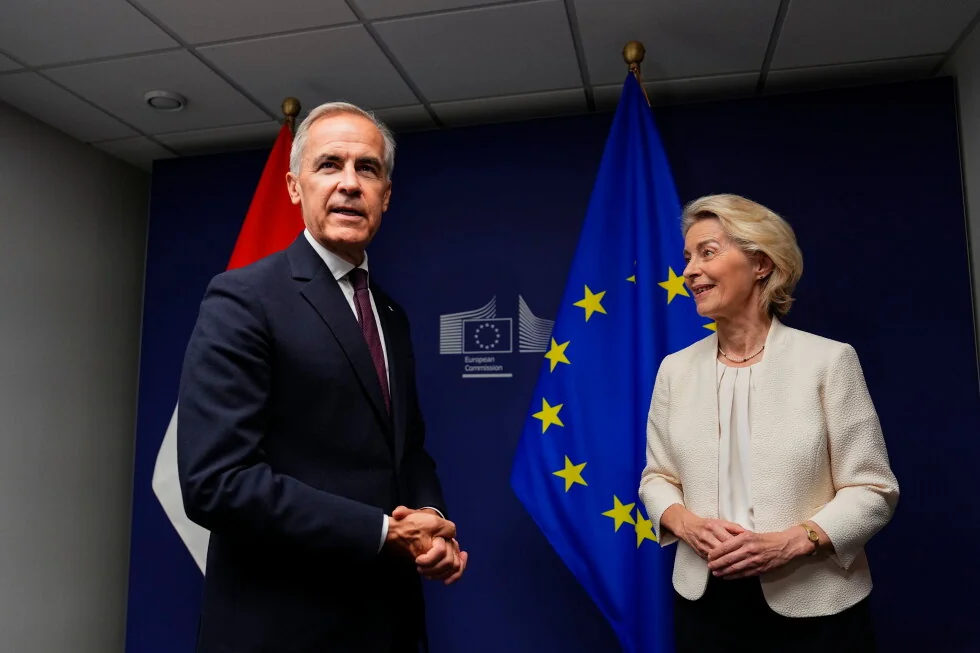
欧盟向加拿大提出的“准成员”提议可能意味着什么
What the EU’s ‘associate member’ offer to Canada could signify
欧盟向加拿大提出的“准成员”提议可能意味着什么
What the EU’s ‘associate member’ offer to Canada could signify
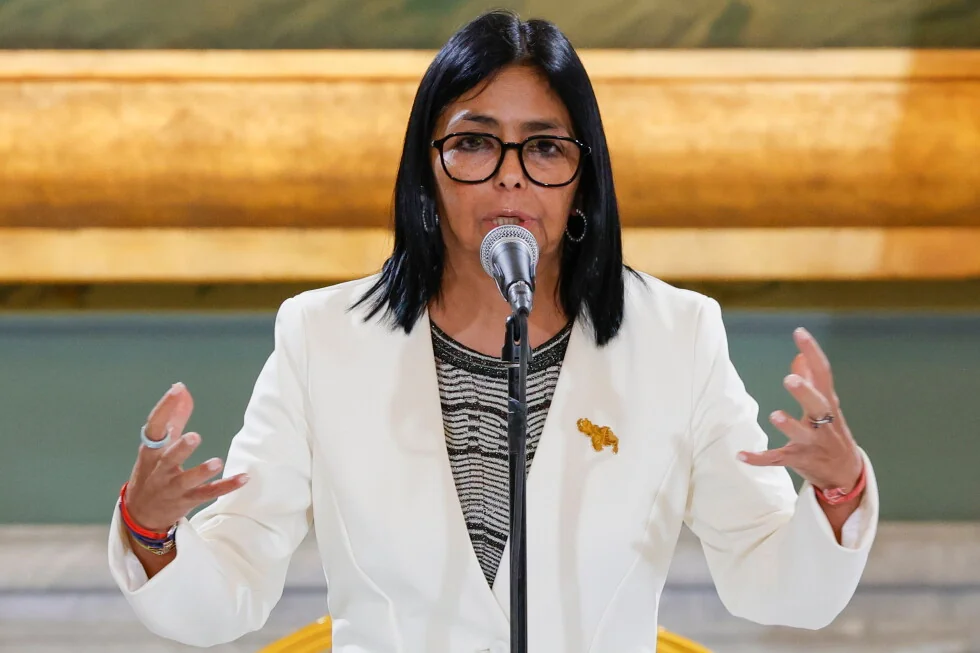
白宫表示,特朗普将于下周在纽约会见委内瑞拉代理总统德尔西·罗德里格斯。
Trump to meet Venezuela's acting President Delcy Rodríguez in New York next week, White House says
白宫表示,特朗普将于下周在纽约会见委内瑞拉代理总统德尔西·罗德里格斯。
Trump to meet Venezuela's acting President Delcy Rodríguez in New York next week, White House says
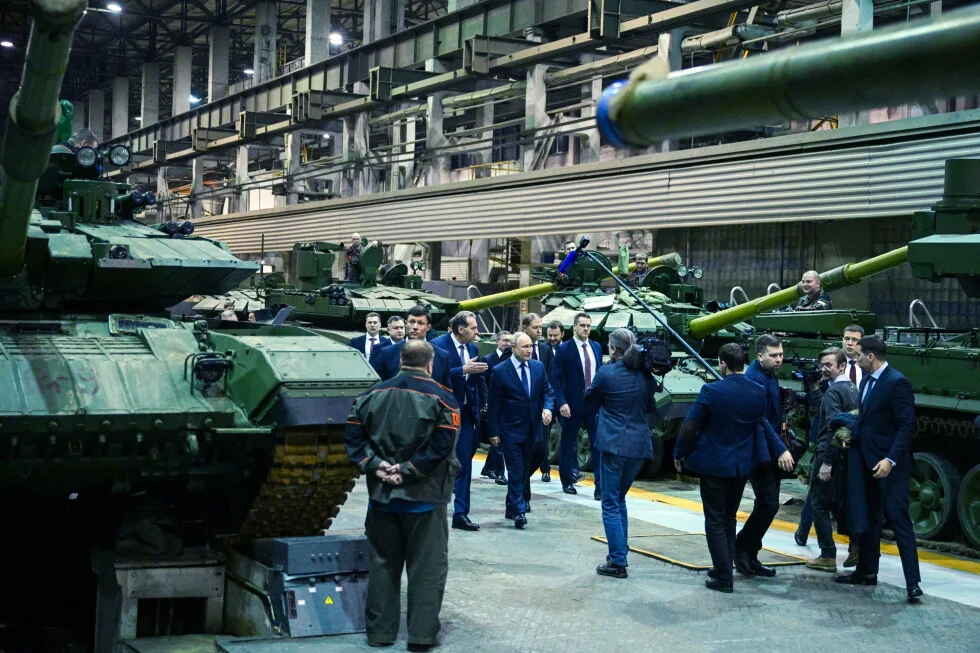
俄罗斯战时经济因债务与军费开支面临长期侵蚀
Russia’s Wartime Economy Faces Long-Term Erosion from Debt and Military Spending
俄罗斯战时经济因债务与军费开支面临长期侵蚀
Russia’s Wartime Economy Faces Long-Term Erosion from Debt and Military Spending
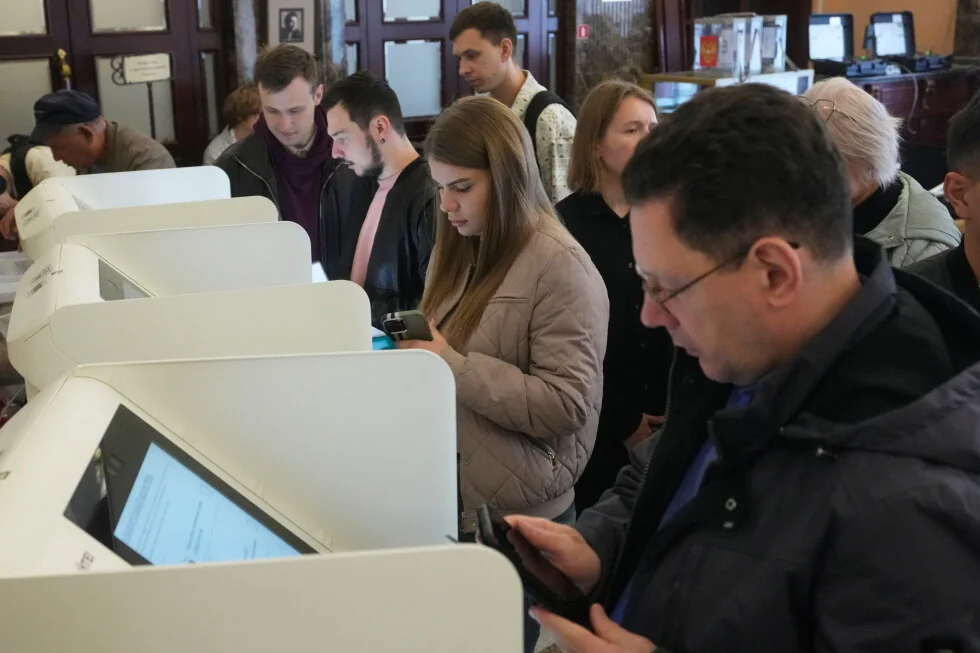
俄罗斯开启为期三天的议会选举投票,此次选举势将巩固克里姆林宫的权力
Russia starts 3 days of voting in a parliamentary election poised to cement the Kremlin’s power
俄罗斯开启为期三天的议会选举投票,此次选举势将巩固克里姆林宫的权力
Russia starts 3 days of voting in a parliamentary election poised to cement the Kremlin’s power
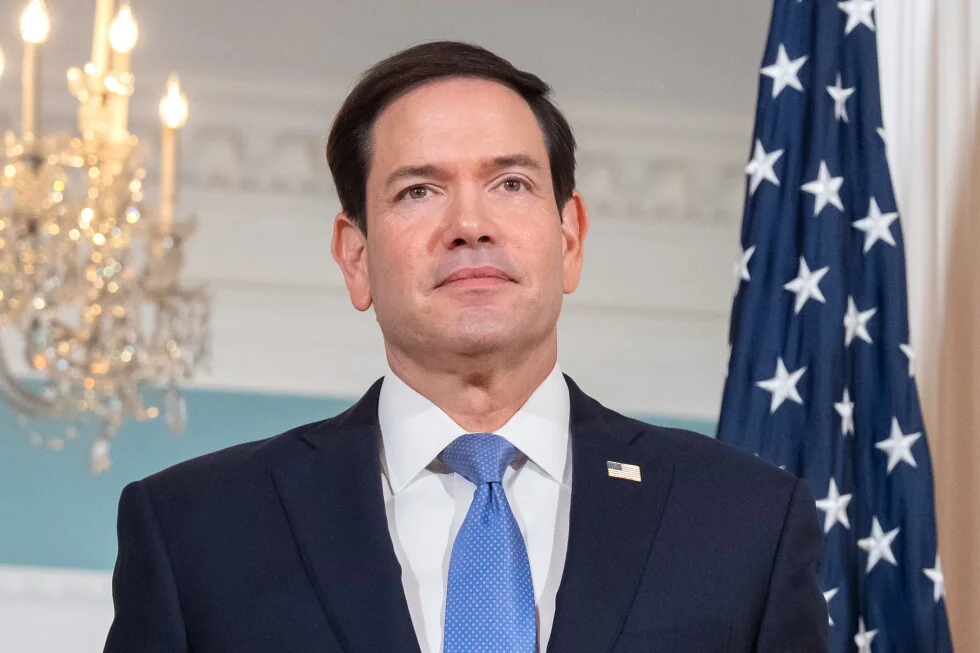
尽管战时敌对状态持续,美国仍向伊朗高层领导人发放签证,以便其出席联合国高级别会议
US grants visas to top Iranian leaders for UN high-level meeting despite wartime hostilities
尽管战时敌对状态持续,美国仍向伊朗高层领导人发放签证,以便其出席联合国高级别会议
US grants visas to top Iranian leaders for UN high-level meeting despite wartime hostilities
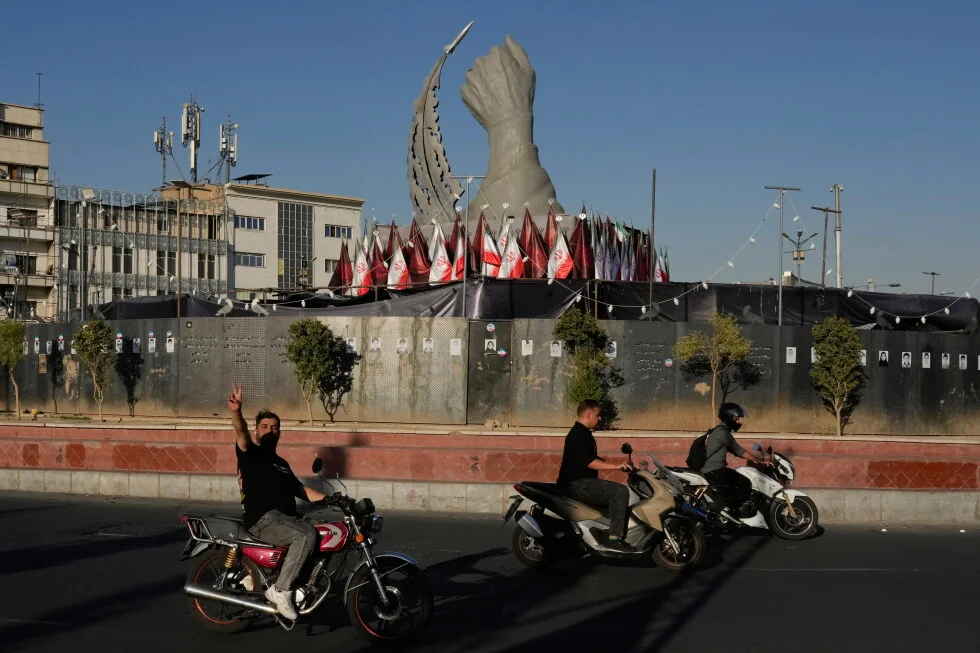
联合国专家指控美国对伊朗的打击可能构成战争罪
UN experts allege possible US war crimes in Iran strikes
联合国专家指控美国对伊朗的打击可能构成战争罪
UN experts allege possible US war crimes in Iran strikes
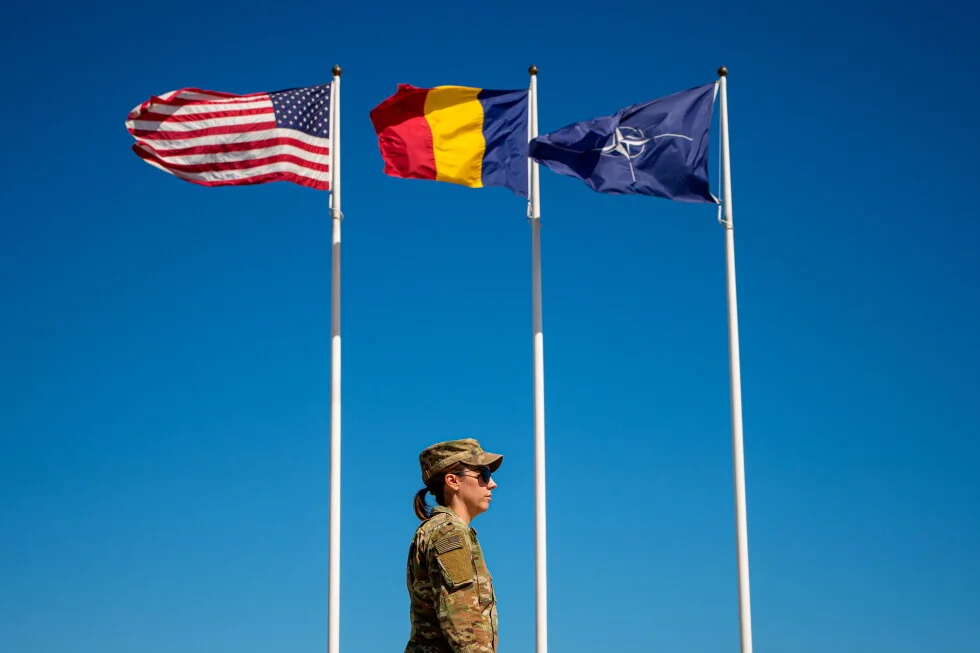
罗马尼亚边境居民因无人机警报增多而感到恐慌
Romanian Border Residents Alarmed as Drone Alerts Mount
罗马尼亚边境居民因无人机警报增多而感到恐慌
Romanian Border Residents Alarmed as Drone Alerts Mount
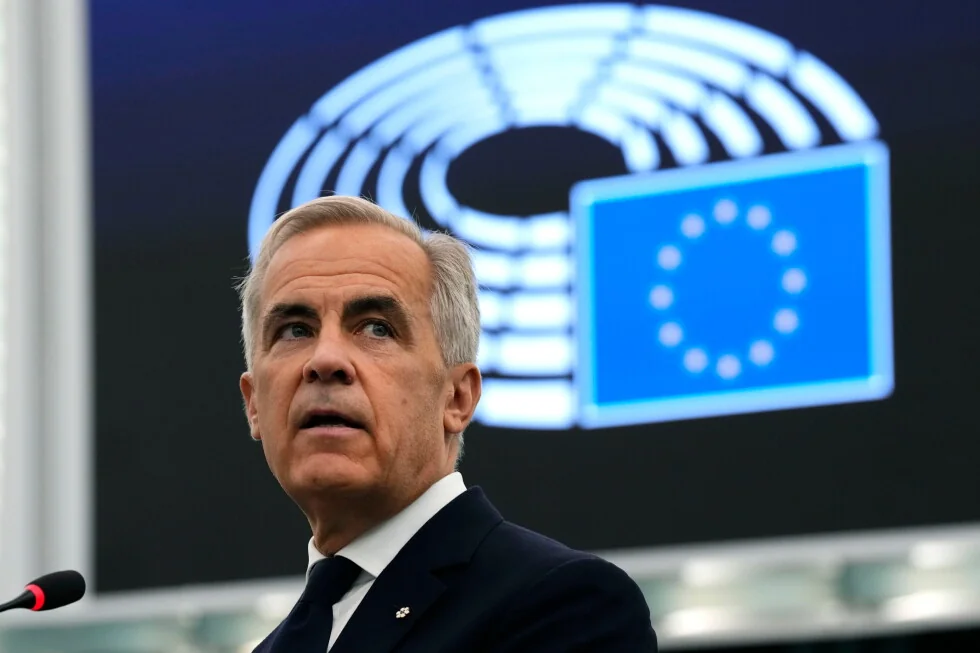
卡尼支持欧盟准成员身份,特朗普将加拿大推向欧洲
Carney backs EU associate membership as Trump pushes Canada toward Europe
卡尼支持欧盟准成员身份,特朗普将加拿大推向欧洲
Carney backs EU associate membership as Trump pushes Canada toward Europe

美国在霍尔木兹海峡重新开放方面取得进展,但伊朗战争仍在持续
US Progress on Strait of Hormuz Reopening, Yet Iran War Persists
美国在霍尔木兹海峡重新开放方面取得进展,但伊朗战争仍在持续
US Progress on Strait of Hormuz Reopening, Yet Iran War Persists

6名尼日利亚人将因在恋爱诈骗中骗取女性600万美元而被引渡至美国
6 Nigerians to Be Extradited to US for Defrauding Women of $6M in Romance Scams
6名尼日利亚人将因在恋爱诈骗中骗取女性600万美元而被引渡至美国
6 Nigerians to Be Extradited to US for Defrauding Women of $6M in Romance Scams