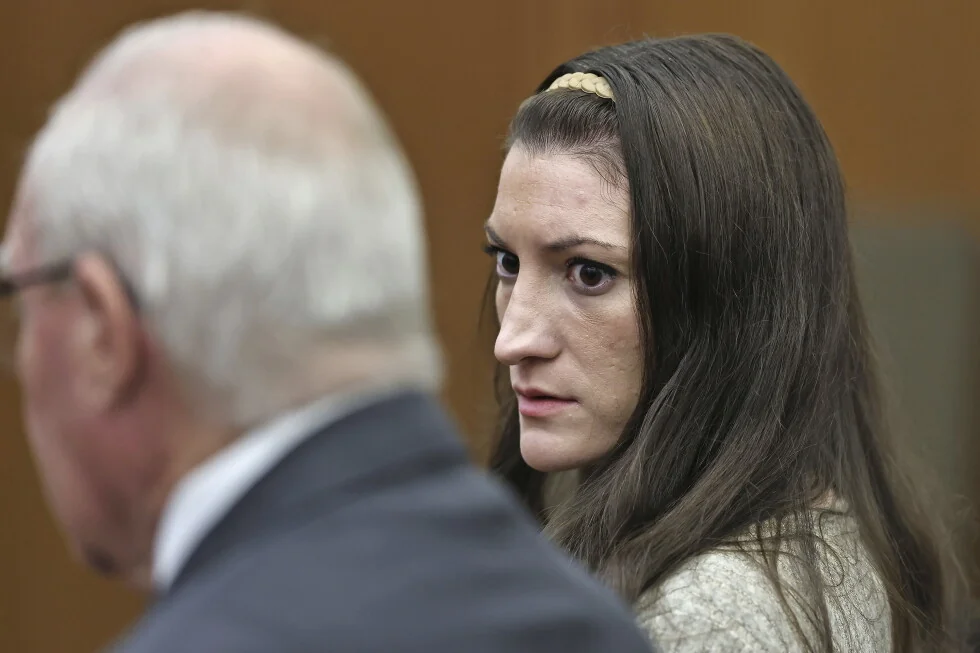
法官敦促林賽·克蘭西案的陪審團在未能達成一致裁決後恢復審議。
September 1st, 2026
法官敦促林賽·克蘭西案的陪審團在未能達成一致裁決後恢復審議。
🇹🇼 中文
Jurors in the Lindsay Clancy trial reported on Tuesday that they have been unable to reach a unanimous verdict on whether the Massachusetts mother bore criminal responsibility for the deaths of her three young children, yet the presiding judge instructed them to continue their deliberations.
The jury has entered its fourth day of deliberations in a closely watched trial concerning maternal mental health after childbirth, a case that has sparked deep public divisions.
For the first time, the jury signaled that they had reached an impasse.
Clancy remained motionless, gazing straight ahead as the jurors filed in, before shifting his attention toward them as the judge addressed the panel.
"I am well aware that this has been a lengthy trial," Judge William Sullivan said.
"I know there were over 80 witnesses and more than 300 exhibits.
But precisely because of that, I must ask you to go back out and continue your deliberations."
Clancy, a former labor and delivery nurse, does not deny strangling her children but contends that postpartum psychosis drove her actions.
Prosecutors maintain that she was fully cognizant of her conduct.
Clancy, 36, has entered a plea of not guilty by reason of lack of criminal responsibility.
EDITOR’S NOTE: This story contains discussions of suicide.
If you or someone you know is in need of assistance, the national suicide and crisis lifeline in the U.S. can be reached by calling or texting 988.
The jury could convict her of murder or manslaughter, or acquit her if they believe her worsening mental health was responsible.
A conviction could lead to life imprisonment.
If acquitted, a judge could still order her to be held in a psychiatric facility if an assessment shows she poses a risk to the public.
Should the jurors fail to reach a unanimous verdict, resulting in a mistrial, the charges against Clancy would remain in place, and prosecutors would be compelled to determine whether to pursue a retrial.
The jury began deliberating on Thursday afternoon, and by Friday they had asked to examine a knife that Clancy used to cut herself shortly after the killings, as well as bags containing empty prescription pill bottles found in her house.
Over more than four weeks of testimony, jurors heard conflicting expert opinions on Clancy's mental state after her third child's birth, as well as on her culpability.
Clancy's lawyer argued that she loved her children but killed them because she lost touch with reality—and with herself—due to postpartum psychosis, a rare mental illness that can occur after childbirth.
Both Clancy's mother and sister testified that she showed signs of anxiety, paranoia, and suicidal thoughts.
In the months before the deaths of Cora, Dawson, and Callan Clancy—aged 5, 3, and 8 months—Clancy sought treatment for her worsening mental health, including a stay in a psychiatric hospital.
Within three weeks of her discharge, she dispatched her husband on an errand and fatally strangled the children with exercise bands in the basement of their home south of Boston.
She then leapt from a second-floor window and has remained paralyzed from the waist down ever since.
Prosecutors argued that Clancy was depressed and tired of living, and deliberately chose to kill her children before attempting suicide.
A forensic psychologist testifying for the prosecution said he concluded that Clancy killed the children because she wanted to end her life but didn't want to leave them behind.
Her defense argued that she had bipolar disorder and postpartum psychosis, which ultimately made her believe she heard a voice telling her to kill the children so she could end her own life.
A psychologist testifying for the defense said Clancy did not recognize the "wrongfulness" of killing her children because of her mental health issues.
Clancy opted not to take the stand.
She observed the proceedings from the defense table, shedding tears at intervals, particularly when prosecutors presented autopsy photographs of the children to the jury.
The jurors additionally spent two days hearing testimony from her former husband, Patrick Clancy, as well as his anguished 911 call.
He was still on the line when he found the children's bodies, just minutes after discovering his wife seriously injured in the yard.
Patrick Clancy has stated in interviews that he harbors no ill will toward his former wife, whom he perceived as afflicted rather than malevolent.
This trial represents the inaugural occasion on which he has encountered Lindsay Clancy since the tragic events.
Postpartum psychosis, the condition that Clancy's attorney claims she had when she killed the children, is more serious and less common than postpartum depression.
Researchers estimate that the condition afflicts 1 to 2 out of every 1,000 women following childbirth.
While the majority of those affected do not pose a threat to their children, mothers with severe manifestations may attempt to harm themselves or their offspring.
September 1st, 2026
Trending Articles

川普政府開始在德州大彎區興建邊境牆
Trump administration starts constructing border wall in Texas’ Big Bend region
川普政府開始在德州大彎區興建邊境牆
Trump administration starts constructing border wall in Texas’ Big Bend region

ICE官員否認FBI就明尼阿波利斯非致命槍擊案的欺瞞指控
ICE officer denies FBI deception charges over nonfatal Minneapolis shooting
ICE官員否認FBI就明尼阿波利斯非致命槍擊案的欺瞞指控
ICE officer denies FBI deception charges over nonfatal Minneapolis shooting
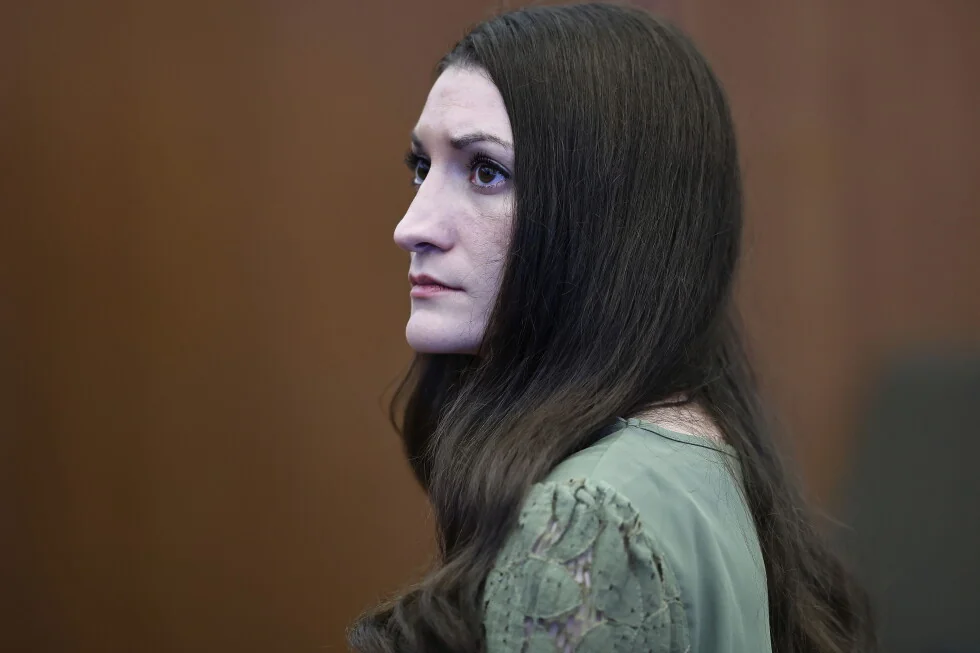
克蘭西案陪審員對她殺害子女「毫無」疑慮
Juror in Clancy trial had no "any doubts" she killed her kids
克蘭西案陪審員對她殺害子女「毫無」疑慮
Juror in Clancy trial had no "any doubts" she killed her kids
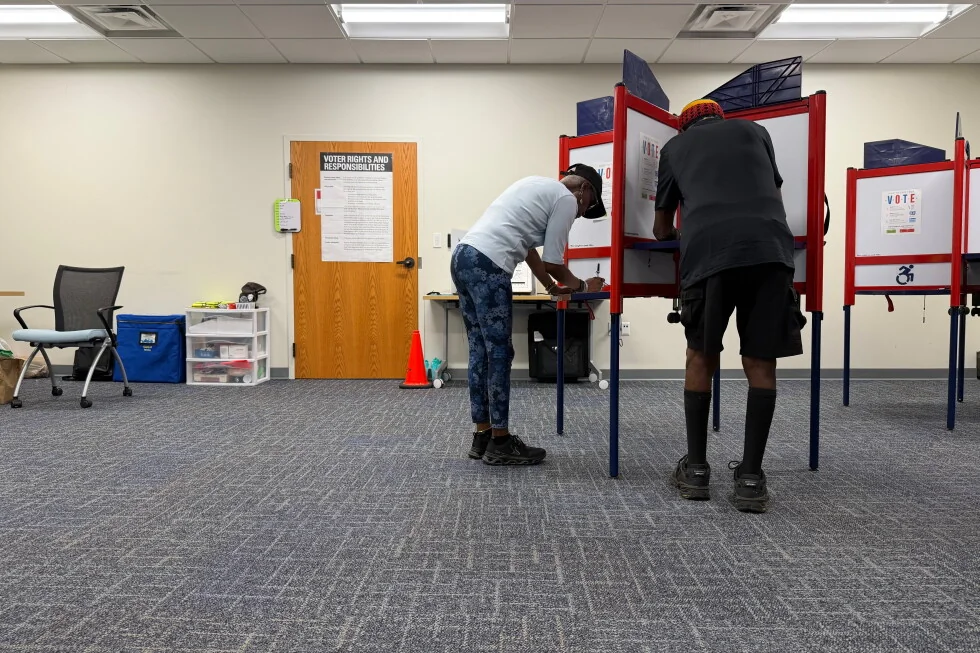
美國期中選舉提前投票開跑,結果可能決定國會控制權
Early voting kicks off in US midterms that could decide control of Congress
美國期中選舉提前投票開跑,結果可能決定國會控制權
Early voting kicks off in US midterms that could decide control of Congress
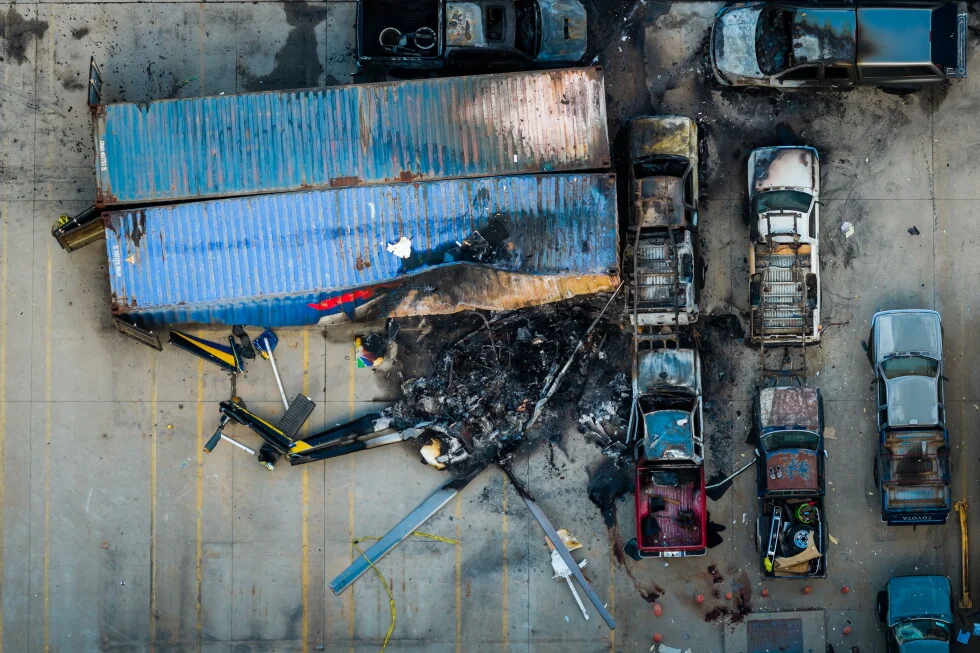
洛杉磯新聞直升機墜毀於「空中之眼」報導的發源地——也是其震央
LA news helicopter crashes in birthplace—and epicenter—of ‘eye-in-the-sky’ reporting
洛杉磯新聞直升機墜毀於「空中之眼」報導的發源地——也是其震央
LA news helicopter crashes in birthplace—and epicenter—of ‘eye-in-the-sky’ reporting
美國南方黑人遭處以絞刑,令人想起該國的私刑歷史
Hangings of Black people in the US South evoke the nation’s lynching history
美國南方黑人遭處以絞刑,令人想起該國的私刑歷史
Hangings of Black people in the US South evoke the nation’s lynching history

明尼阿波利斯非致命槍擊案中,被控說謊與攻擊的ICE官員獲准保釋
Bail Granted for ICE Officer Charged with Lying and Assault in Minneapolis Non-Fatal Shooting
明尼阿波利斯非致命槍擊案中,被控說謊與攻擊的ICE官員獲准保釋
Bail Granted for ICE Officer Charged with Lying and Assault in Minneapolis Non-Fatal Shooting

上訴法院審查川普支持的密蘇里州國會選區劃分圖,儘管最高法院已予以阻擋
Appeals court reviews Trump-backed Missouri congressional map despite Supreme Court block
上訴法院審查川普支持的密蘇里州國會選區劃分圖,儘管最高法院已予以阻擋
Appeals court reviews Trump-backed Missouri congressional map despite Supreme Court block

德州地主尋求法院命令以阻止川普的大彎區圍牆計畫
Texas landowners seek court order to halt Trump’s Big Bend wall plans
德州地主尋求法院命令以阻止川普的大彎區圍牆計畫
Texas landowners seek court order to halt Trump’s Big Bend wall plans
男子在密西西比州一名女子遭絞死一案中作無罪抗辯
Man pleads not guilty in Mississippi woman's hanging death
男子在密西西比州一名女子遭絞死一案中作無罪抗辯
Man pleads not guilty in Mississippi woman's hanging death