
Meta針對兒童的新規定加入了使用時間限制與午夜截止時段——但批評者認為這些措施仍嫌不足。
August 27th, 2026
Meta針對兒童的新規定加入了使用時間限制與午夜截止時段——但批評者認為這些措施仍嫌不足。
🇹🇼 中文
Minors under the age of 18 will soon encounter a wide array of modifications to their Instagram and Facebook usage, following a landmark $18 billion settlement that Meta Platforms reached on Wednesday with 48 U.S. states.
In addition to the financial settlement, which will be paid out over ten years, Meta has agreed to improve its age-estimation methods to prevent children under 13 from using its platforms and to place teenagers in age-appropriate accounts.
The company has also committed to a strict two-hour daily limit for users under 18, blocking minors from the apps between midnight and 6 a.m., and hiding 'like' counts, among other changes.
Meta has announced that the new safeguards will be implemented exclusively within the United States, with the majority remaining in effect for a decade.
While acknowledging that these measures go beyond any previous child-safety efforts by Meta, critics and child-advocacy groups warned that they will not quickly resolve the company's many problems.
Arturo Béjar, a former Meta engineering director, described the settlement as a “significant milestone,” yet cautioned that parents should not regard Instagram as inherently safe for children.
The agreement is fundamentally flawed in that it allows Meta to define what constitutes harm,” Béjar said in an interview on Wednesday.
“It’s one thing to say, ‘Yes, you’re only allowed about two hours of alcohol or two hours of cigarettes a day,’ but the negative impact remains the same because of what’s being delivered.
Béjar, the first witness to testify during the federal trial that was prematurely concluded by the settlement, would like to see Meta address the impact of content recommendations on teenagers, which he contends can prove addictive.
Although teens may set their phones aside upon reaching the two-hour limit, they can experience considerable distress as a result, given that the platform's design leaves them yearning for more.
Meta noted that adults over 18 can also individually adopt the new controls, such as daily time-limit reminders, but they will not have the option to enable the overall settings designed for teenagers.
To protect children, Meta must first establish their true ages.
Although the company has already used artificial intelligence to spot kids lying about their age—either to sign up if they are under 13, which is not allowed, or to use adult accounts when they are 13 to 17—this approach has not always been effective.
Under the proposed settlement, Meta has agreed to improve its age-verification technology, using both its own and third-party tools, with regular external audits to monitor effectiveness.
The agreement also sets specific targets for false positive rates—cases where minors are mistakenly identified as over 18.
Additionally, if a user is found to be under 13 and removed from the platforms, Meta will also verify the ages of their friends.
“The age assurance section is reasonably robust, given that it incorporates measurement, independent testing, and clearly defined objectives,” Béjar remarked.
“Because I believe Meta ought to be evaluated on the basis of effectiveness, rather than mere effort.”
Meta mandates that users must be at least 13 years of age to establish an account, consistent with federal child privacy legislation.
In his testimony last week, Béjar stated that Meta adopted a “don’t ask, don’t tell” policy regarding children under 13 on its platforms.
"Meta has one of the most sophisticated infrastructures in the world to detect fake accounts," he said.
But despite that, he added, there were "no goals, no metrics" to detect and check kids' ages who were suspected to be under 13.
Critics have taken Meta to task over numerous safety features that require users to activate them manually, or to opt in of their own accord.
Of the numerous safeguards stipulated in the settlement, many are enabled by default.
This encompasses the two-hour time limit, which can only be deactivated with parental consent, along with the night mode that restricts usage between midnight and 6 a.m.
Nevertheless, under the agreement, certain features—such as disabling video autoplay or showing posts in chronological order instead of letting algorithms decide what children see in their feeds—will be optional.
Josh Golin, executive director of the online safety nonprofit Fairplay, contended that the agreement appeared overly preoccupied with equipping parents with tools, rather than curbing harmful features outright.
"We are disappointed that the settlement does not disable by default the recommendation algorithms that connect minors with predators and lead young users into dangerous echo chambers," Golin said.
At the trial earlier this week, the issue of default settings came up when a lawyer for the states suing Meta pressed Adam Mosseri, Instagram's head, about the low adoption rate among teens for the "take a break" feature, which prompts users to step away after prolonged scrolling.
Few teenagers used the feature when Instagram first introduced it, but since Meta launched separate teen accounts in 2024, it has become the default for adolescent users.
Still, those who preferred not to take a break could simply swipe away the notification.
Research indicates that numerous safety measures Meta has introduced in the past prove largely ineffective or fail to perform as claimed.
"It is, regrettably, too early to tell whether all the changes we hope for will actually happen," said Yaël Eisenstat, director of policy and impact for the Cybersafety Research Center, which recently reviewed dozens of safety tools from both Meta and other social media companies and found most to be lacking.
Nonetheless, Eisenstat remarked that Wednesday's settlement is monumental in demonstrating that alternative approaches are indeed viable.
For years, Meta “decided to go against the advice of some of their own internal employees and continue to ignore the fact that these design features were unsafe in search of profit,” said Eisenstat, who also previously worked at Meta, then Facebook, before leaving the company in 2019.
The measures outlined Wednesday at the very least show that there are technically feasible options to make the platform safer, she said — something whistleblowers and others have already “been saying very loudly.”
Like others, Eisenstat emphasized that considerable work remained — and that it would demand a combination of technical innovation, market dynamics, and regulatory oversight.
“There’s no single panacea that will resolve all of this,” she remarked.
“I’m simply relieved that we’re at least beginning to make some headway now.”
The settlement, which also encompasses the District of Columbia and U.S. territories, still requires judicial approval.
August 27th, 2026
Trending Articles
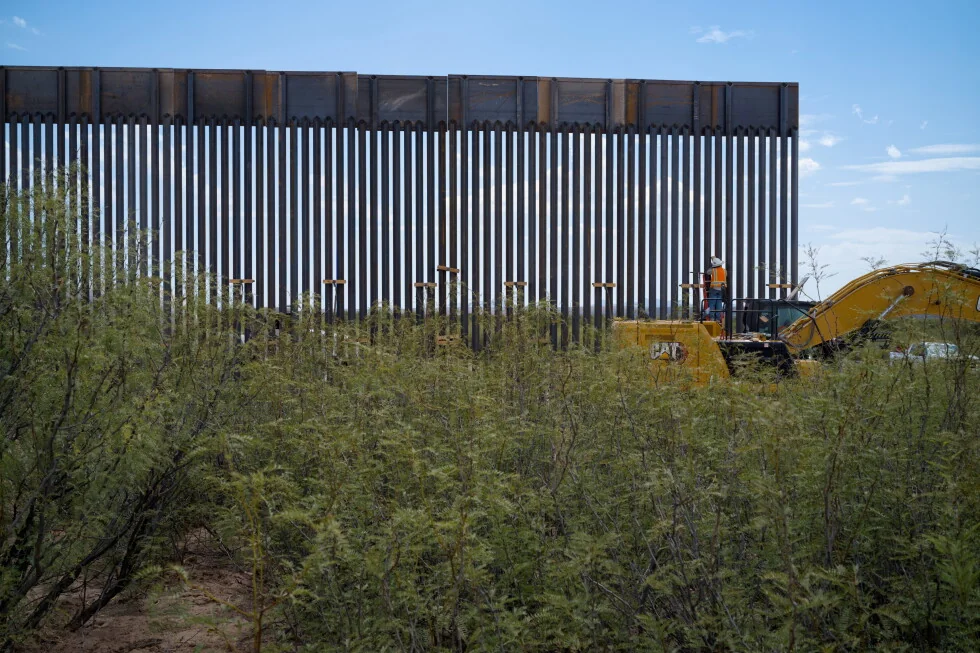
川普政府開始在德州大彎區興建邊境牆
Trump administration starts constructing border wall in Texas’ Big Bend region
川普政府開始在德州大彎區興建邊境牆
Trump administration starts constructing border wall in Texas’ Big Bend region
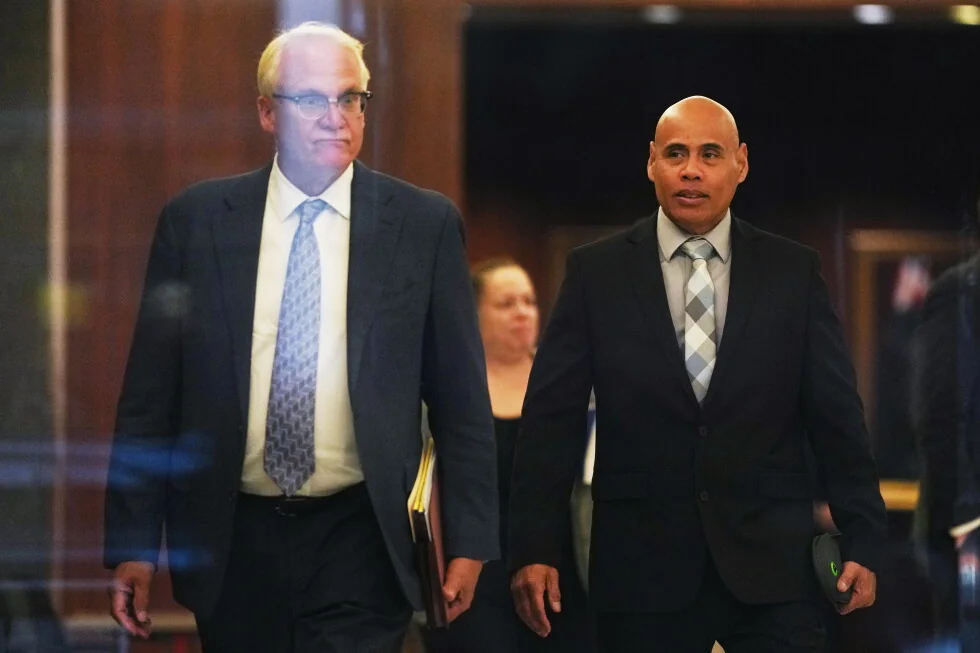
ICE官員否認FBI就明尼阿波利斯非致命槍擊案的欺瞞指控
ICE officer denies FBI deception charges over nonfatal Minneapolis shooting
ICE官員否認FBI就明尼阿波利斯非致命槍擊案的欺瞞指控
ICE officer denies FBI deception charges over nonfatal Minneapolis shooting
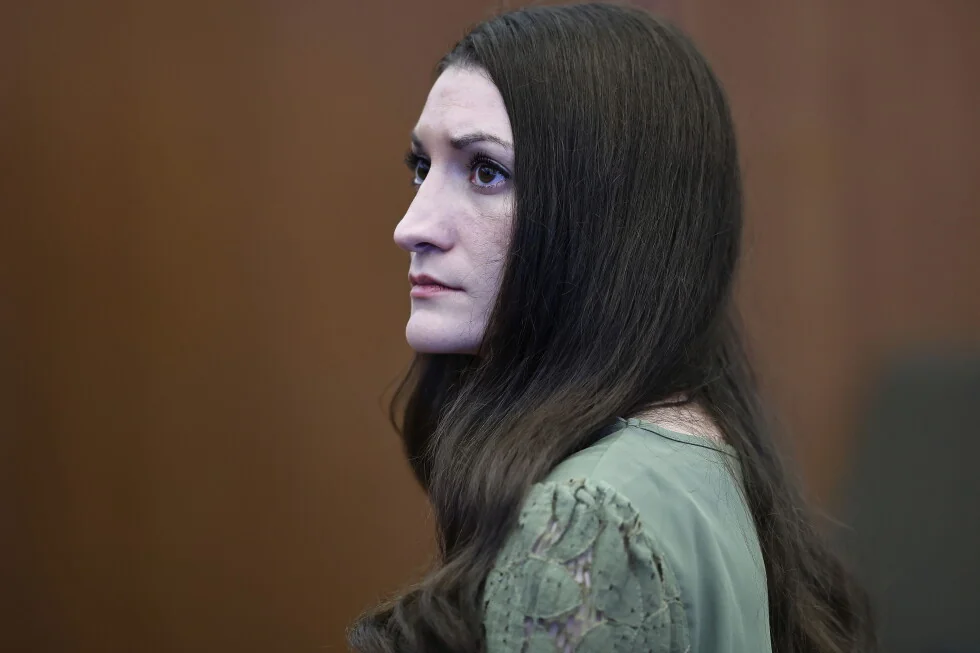
克蘭西案陪審員對她殺害子女「毫無」疑慮
Juror in Clancy trial had no "any doubts" she killed her kids
克蘭西案陪審員對她殺害子女「毫無」疑慮
Juror in Clancy trial had no "any doubts" she killed her kids
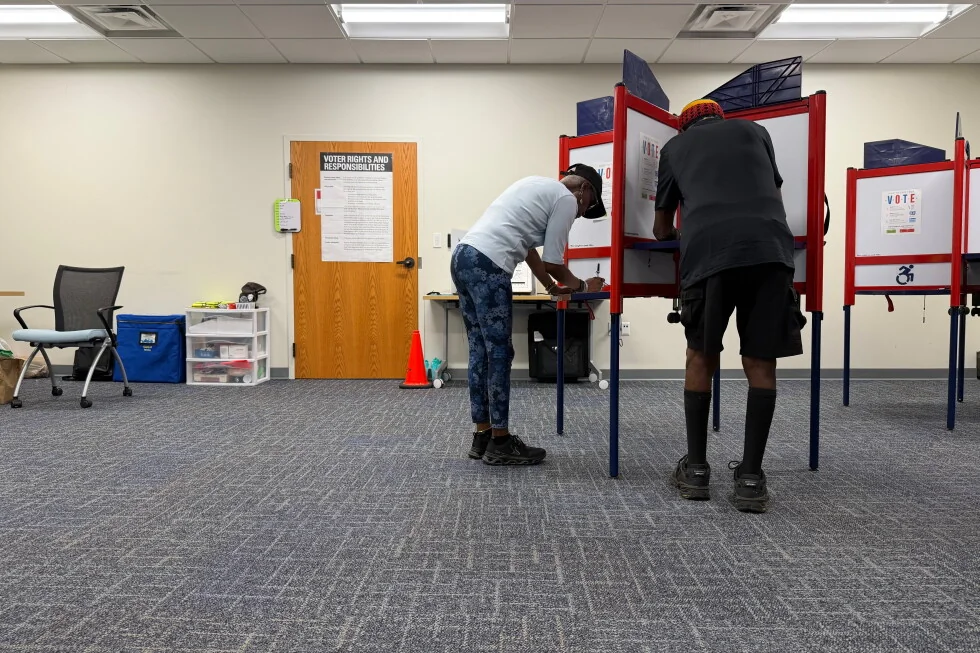
美國期中選舉提前投票開跑,結果可能決定國會控制權
Early voting kicks off in US midterms that could decide control of Congress
美國期中選舉提前投票開跑,結果可能決定國會控制權
Early voting kicks off in US midterms that could decide control of Congress

洛杉磯新聞直升機墜毀於「空中之眼」報導的發源地——也是其震央
LA news helicopter crashes in birthplace—and epicenter—of ‘eye-in-the-sky’ reporting
洛杉磯新聞直升機墜毀於「空中之眼」報導的發源地——也是其震央
LA news helicopter crashes in birthplace—and epicenter—of ‘eye-in-the-sky’ reporting
美國南方黑人遭處以絞刑,令人想起該國的私刑歷史
Hangings of Black people in the US South evoke the nation’s lynching history
美國南方黑人遭處以絞刑,令人想起該國的私刑歷史
Hangings of Black people in the US South evoke the nation’s lynching history

明尼阿波利斯非致命槍擊案中,被控說謊與攻擊的ICE官員獲准保釋
Bail Granted for ICE Officer Charged with Lying and Assault in Minneapolis Non-Fatal Shooting
明尼阿波利斯非致命槍擊案中,被控說謊與攻擊的ICE官員獲准保釋
Bail Granted for ICE Officer Charged with Lying and Assault in Minneapolis Non-Fatal Shooting
上訴法院審查川普支持的密蘇里州國會選區劃分圖,儘管最高法院已予以阻擋
Appeals court reviews Trump-backed Missouri congressional map despite Supreme Court block
上訴法院審查川普支持的密蘇里州國會選區劃分圖,儘管最高法院已予以阻擋
Appeals court reviews Trump-backed Missouri congressional map despite Supreme Court block

德州地主尋求法院命令以阻止川普的大彎區圍牆計畫
Texas landowners seek court order to halt Trump’s Big Bend wall plans
德州地主尋求法院命令以阻止川普的大彎區圍牆計畫
Texas landowners seek court order to halt Trump’s Big Bend wall plans
男子在密西西比州一名女子遭絞死一案中作無罪抗辯
Man pleads not guilty in Mississippi woman's hanging death
男子在密西西比州一名女子遭絞死一案中作無罪抗辯
Man pleads not guilty in Mississippi woman's hanging death