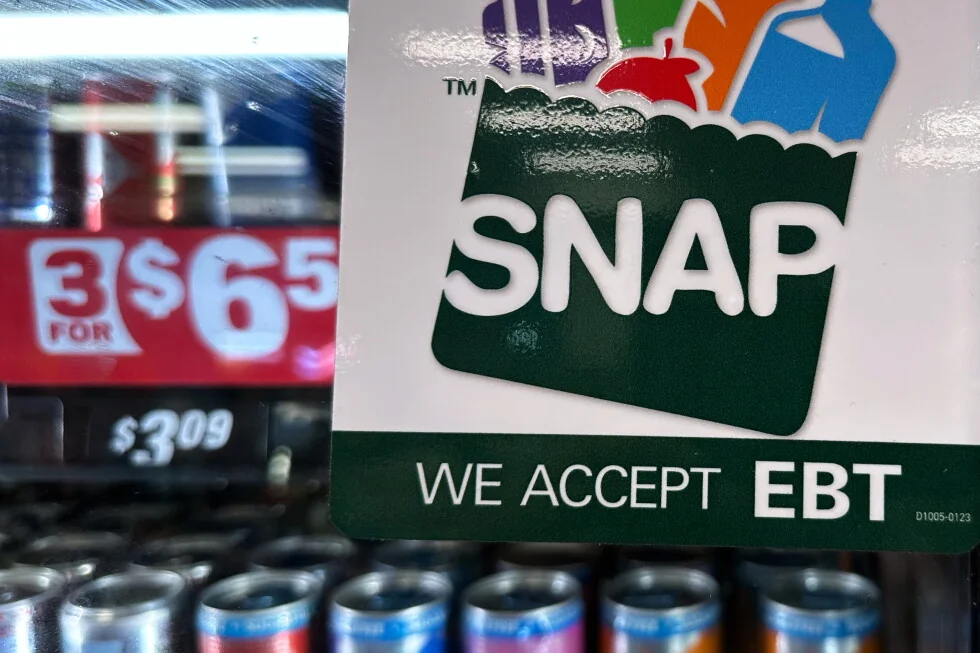
SNAP糧食援助計劃的註冊人數下降速度比預期更快,因為新的工作要求開始生效。
August 21st, 2026
SNAP糧食援助計劃的註冊人數下降速度比預期更快,因為新的工作要求開始生效。
🇹🇼 中文
Enrollment in the largest federally funded food assistance program in the U.S. dropped by more than 13% over a year — a decline far steeper than the government had predicted as work requirements and other parts of President Donald Trump's "big beautiful bill" come into force.
Those losing coverage in the Supplemental Nutrition Assistance Program, or SNAP, include people who fail to meet the tightened eligibility criteria, and, as advocates argue, some who qualify for aid but are denied because they miss deadlines or lack the necessary documentation.
It is still too early to determine exactly how many fall into each group.
It is also unclear how many people have lost coverage, as some state agencies running the programs are overwhelmed trying to keep up with the changes.
This was the case in Arizona, which saw the largest enrollment drop in the country.
Tia Fields, who examines social safety net policies at the advocacy organization Invest in Louisiana, stated that the primary factor driving coverage loss is not a failure to satisfy work requirements.
“Much of it stems from administrative paperwork,” she remarked.
Advocates of welfare reform argue that the drop in the number of beneficiaries is due to people earning above the eligibility threshold, which suggests the policy changes are working as intended for a program they claim is full of fraud.
"If individuals are leaving welfare because they have found work and are advancing," said Rachel Sheffield, a research fellow at the conservative Heritage Foundation, which pushed for stricter SNAP requirements, "that would be a step forward."
Arizona has experienced the most significant decrease so far, with a 12-month drop exceeding 50%, according to data from the U.S. Department of Agriculture, which oversees SNAP.
The reduction was over 20% in Georgia, Louisiana, and Nevada — and in Florida, where the Department of Children and Families noted that the declining figure “is reflective of the state’s strong focus on advancing opportunities for Floridians and their families to achieve economic self-sufficiency.”
The Supplemental Nutrition Assistance Program (SNAP) assists more than one in ten Americans in purchasing food, with the majority of its beneficiaries living below the poverty threshold.
The average monthly disbursement, distributed via debit cards restricted to grocery purchases, amounts to $344 per household.
Newly released federal data indicate that SNAP enrollment declined from 42.2 million in May 2025 to 36.6 million in May, representing a reduction of more than 13% over the course of a year.
The May figures are preliminary and subject to revision.
Since 2010, the average monthly beneficiary count has dipped below 40 million in only two years — 2019 and 2020.
Enrollment began to decline after hitting a recent peak of 43.3 million in October 2024, and the decrease has accelerated markedly since the rollout of Trump's "one big beautiful bill" started last year, which slashed taxes and revamped social safety net programs.
The expanded SNAP work requirement has now taken effect across most of the country, though its implementation in certain regions will be deferred until the following year.
For decades, adults aged 54 and under without dependent children have been obliged to work in order to qualify for SNAP benefits.
The revised legislation now mandates that the majority of those previously exempt from such requirements must either secure employment, engage in volunteer work, or enroll in education to receive assistance.
This now encompasses individuals aged 55 to 64, as well as those with children between the ages of 14 and 17.
Those aged 65 and older, or with children under 14, along with individuals facing health constraints, remain exempt.
However, certain other groups formerly excluded from the mandate—such as the homeless—are no longer granted this exemption.
In February, the Congressional Budget Office projected that the new requirements and other factors would push SNAP enrollment down over the next decade, falling below 34 million by 2036.
However, the nonpartisan office did not anticipate the decline occurring as rapidly as it has.
By May, the number of individuals receiving the benefits had already reached approximately the level that had been forecast for 2030.
Analysts predict another consequence when states are required to cover part of the benefit costs if their payment error rate—where recipients receive more or less than they should—exceeds 6%.
Advocates for recipients argue that states might completely deny benefits to some people rather than risk such errors.
The cost-sharing is slated to commence in October 2027, although Congress has weighed the possibility of postponing it.
In Arizona, enrollment plummeted by 55% from April 2025 to April 2026 — the steepest decline nationwide, with over 400,000 fewer individuals currently receiving benefits.
The state attributed the decline primarily to its own difficulties in implementing the new federal requirements.
"The federally mandated changes led to unprecedented call volumes and administrative hurdles, including extra verification requirements, which created real barriers for applicants," said Brett Bezio, a spokesman for the Arizona Department of Economic Security.
Bezio noted that expanding the workforce and introducing online document submission channels have curbed the decline in enrollment over recent months, even as the state has diminished the likelihood that eligible individuals will lose their benefits.
In Phoenix, LaDiamond Lopez lost her benefits in January, with officials informing her that she needed to provide additional documentation regarding her income and household—information essential for determining whether enrollees satisfy the work requirements.
She has been forgoing meals and deferring certain bill payments in order to ensure her children have sufficient sustenance.
In her endeavor to secure reinstatement, she obtained signed documentation from former employers attesting that she was no longer on their payroll and added her children — aged 3 and 9 — to her apartment lease.
She anticipated that payments would recommence in August, yet she remains uncertain whether they will be sustained.
“I was approved at the end of May, but now they’re requesting additional documentation,” she said.
“It’s causing utter consternation.”
Sheffield of the Heritage Foundation suggests that the recent reduction in SNAP usage may partly reflect a natural decline following the record highs observed during the coronavirus pandemic.
Paco Velez, the president and CEO of Feeding South Florida, said the 22% year-over-year drop in enrollment in Florida is partly due to immigrants who are in the U.S. legally but worry that seeking government benefits could make them targets of Trump's immigration crackdown.
Invest in Louisiana’s Fields said SNAP enrollment declines have broader consequences.
For instance, children in households that receive the benefit can be automatically enrolled in free school lunch programs or in the SNAP for Women, Infants and Children program for low-income mothers, young children and expectant parents if they meet the other criteria.
“What transpires when that child is unable to cover the cost of lunch?” she inquired.
Some food banks have intensified their donation drives in an effort to satisfy a demand they contend has grown as SNAP enrollment has diminished.
However, this is not anticipated to fully close the shortfall.
"We are deeply concerned about this, as no other organization or program can match the scale and success of SNAP," said Carolyn Vega, a policy analyst at the advocacy group Share Our Strength.
"We know that schools cannot fill this gap, and we know that food banks cannot fill it either."
August 21st, 2026
Trending Articles
川普政府開始在德州大彎區興建邊境牆
Trump administration starts constructing border wall in Texas’ Big Bend region
川普政府開始在德州大彎區興建邊境牆
Trump administration starts constructing border wall in Texas’ Big Bend region
ICE官員否認FBI就明尼阿波利斯非致命槍擊案的欺瞞指控
ICE officer denies FBI deception charges over nonfatal Minneapolis shooting
ICE官員否認FBI就明尼阿波利斯非致命槍擊案的欺瞞指控
ICE officer denies FBI deception charges over nonfatal Minneapolis shooting
克蘭西案陪審員對她殺害子女「毫無」疑慮
Juror in Clancy trial had no "any doubts" she killed her kids
克蘭西案陪審員對她殺害子女「毫無」疑慮
Juror in Clancy trial had no "any doubts" she killed her kids
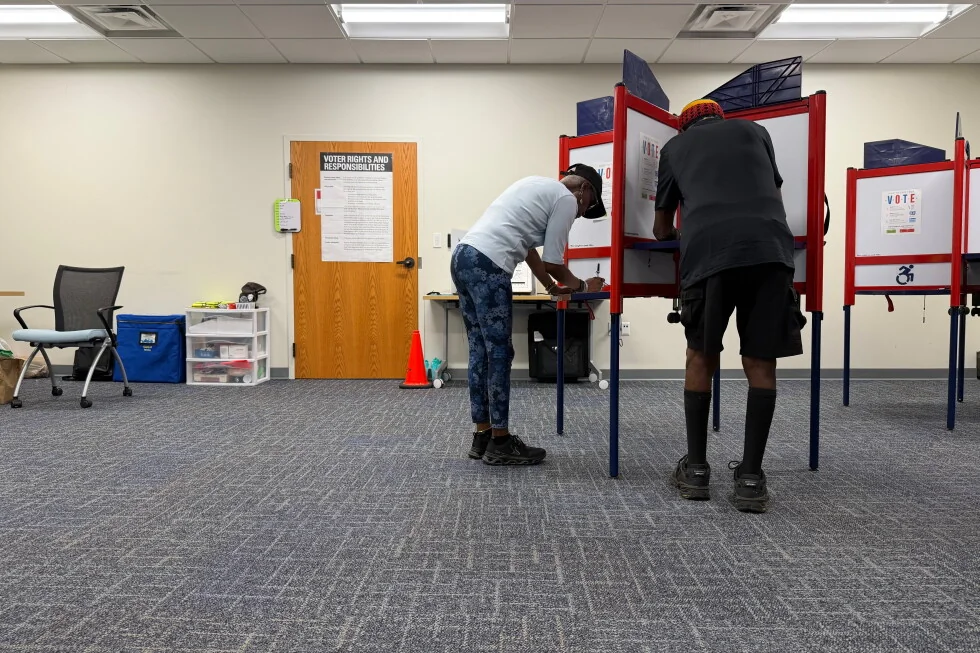
美國期中選舉提前投票開跑,結果可能決定國會控制權
Early voting kicks off in US midterms that could decide control of Congress
美國期中選舉提前投票開跑,結果可能決定國會控制權
Early voting kicks off in US midterms that could decide control of Congress

洛杉磯新聞直升機墜毀於「空中之眼」報導的發源地——也是其震央
LA news helicopter crashes in birthplace—and epicenter—of ‘eye-in-the-sky’ reporting
洛杉磯新聞直升機墜毀於「空中之眼」報導的發源地——也是其震央
LA news helicopter crashes in birthplace—and epicenter—of ‘eye-in-the-sky’ reporting

美國南方黑人遭處以絞刑,令人想起該國的私刑歷史
Hangings of Black people in the US South evoke the nation’s lynching history
美國南方黑人遭處以絞刑,令人想起該國的私刑歷史
Hangings of Black people in the US South evoke the nation’s lynching history
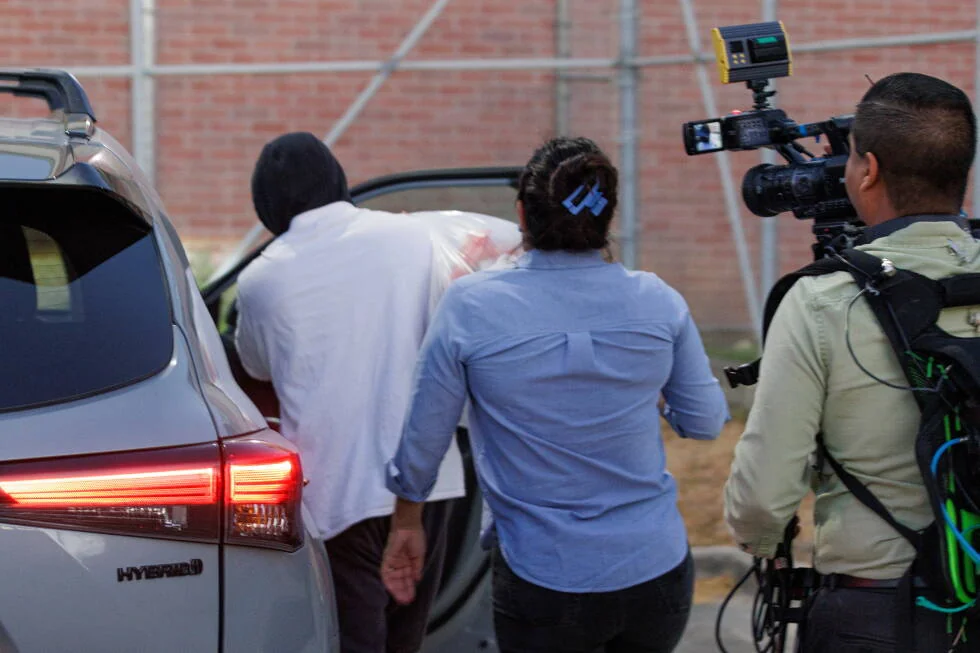
明尼阿波利斯非致命槍擊案中,被控說謊與攻擊的ICE官員獲准保釋
Bail Granted for ICE Officer Charged with Lying and Assault in Minneapolis Non-Fatal Shooting
明尼阿波利斯非致命槍擊案中,被控說謊與攻擊的ICE官員獲准保釋
Bail Granted for ICE Officer Charged with Lying and Assault in Minneapolis Non-Fatal Shooting
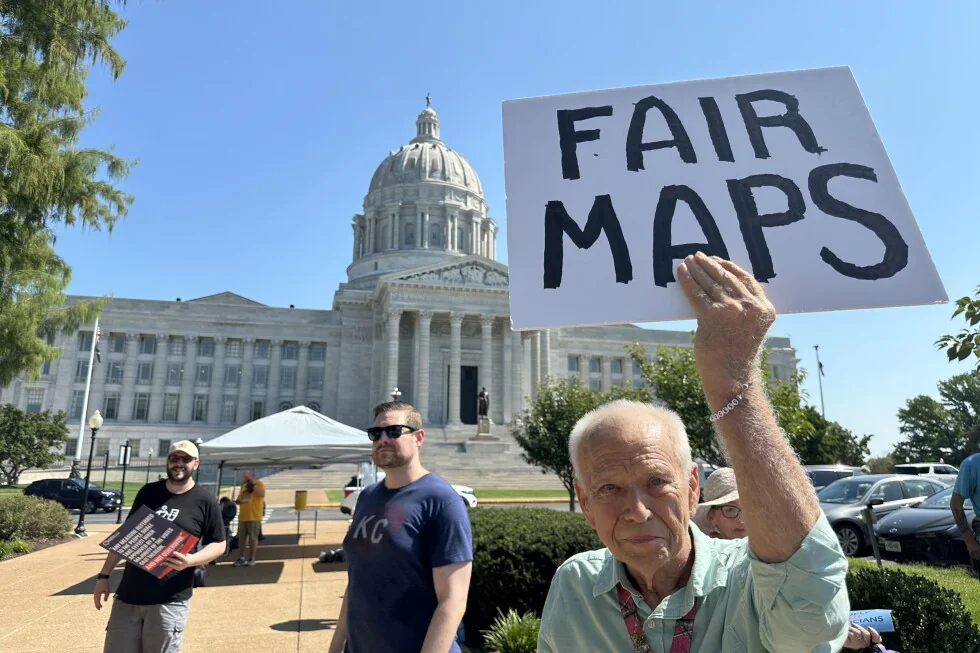
上訴法院審查川普支持的密蘇里州國會選區劃分圖,儘管最高法院已予以阻擋
Appeals court reviews Trump-backed Missouri congressional map despite Supreme Court block
上訴法院審查川普支持的密蘇里州國會選區劃分圖,儘管最高法院已予以阻擋
Appeals court reviews Trump-backed Missouri congressional map despite Supreme Court block
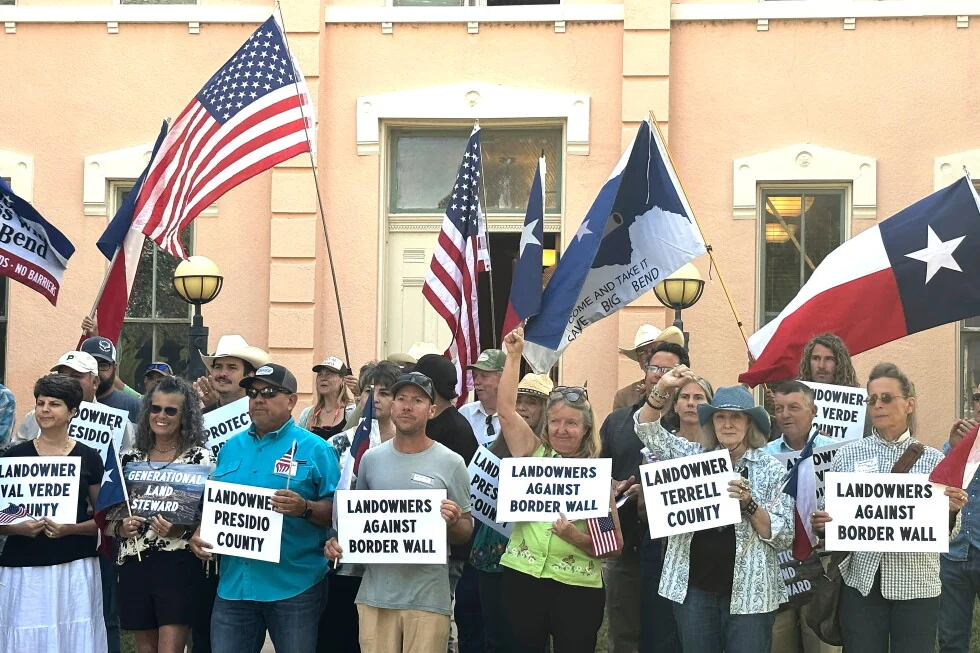
德州地主尋求法院命令以阻止川普的大彎區圍牆計畫
Texas landowners seek court order to halt Trump’s Big Bend wall plans
德州地主尋求法院命令以阻止川普的大彎區圍牆計畫
Texas landowners seek court order to halt Trump’s Big Bend wall plans
男子在密西西比州一名女子遭絞死一案中作無罪抗辯
Man pleads not guilty in Mississippi woman's hanging death
男子在密西西比州一名女子遭絞死一案中作無罪抗辯
Man pleads not guilty in Mississippi woman's hanging death