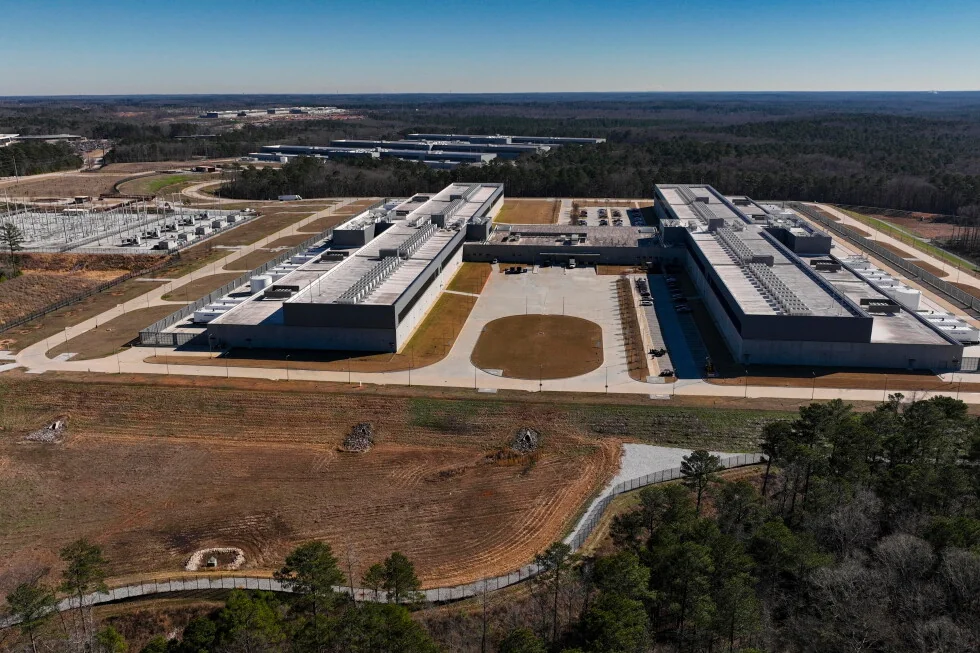
民權團體呼籲暫停南非資料中心擴建熱潮,因水資源與電力供應引發疑慮。
September 5th, 2026
民權團體呼籲暫停南非資料中心擴建熱潮,因水資源與電力供應引發疑慮。
🇹🇼 中文
South African civil rights organizations are urging a moratorium on the development of additional data centers in the country until the consumption of scarce water, land, and electricity resources has been thoroughly examined.
As South Africa positions itself as Africa's main data hub, and U.S. tech companies like Amazon, Microsoft, and Equinix increasingly build digital infrastructure there, civil society groups have warned about the lack of transparency in these projects.
The country’s rights watchdog, the South African Human Rights Commission, stated that it has received more than 250 submissions from interested parties following its call for input in May this year.
According to South African President Cyril Ramaphosa, the country hosts 70% of Africa’s data center capacity, and the government has identified this as an opportunity in the global digital economy, inviting more tech companies to build digital infrastructure in the country.
Nevertheless, as in other parts of the world, such as the U.S., where data centers have been expanding rapidly, their long-term environmental and societal effects are now being examined more closely.
The commission observed that the country had witnessed “significant growth” in the proliferation of data centers, cloud infrastructure, and associated digital ecosystems.
"A central challenge emerging from the process is precisely the availability, consistency, and transparency of information on matters such as electricity and water demand, land use, infrastructure needs, environmental effects, and impacts on nearby communities," said Dr. Eileen Carter, who leads the commission's preliminary phase.
One of the most recent municipal approvals for a data center that has drawn criticism from various quarters is an Equinix hyperscale facility planned for Cape Town, a city that avoided the so-called "Day Zero" in 2018, when its water supply was expected to run out due to drought.
The country's recent memory of widespread power cuts, known as "loadshedding," has also raised concerns about the 160 megawatts of electricity estimated to be required to run the facility.
South Africa appears to have overcome its electricity crisis, with the national power utility, Eskom, reporting a surplus during the winter peak-demand season; however, civil society groups remain doubtful about the surplus being sold to data centers.
Some analysts argue that the request for a temporary pause on new approvals should not be seen as a rejection of possible foreign investment, but rather as a way to set clear rules, especially about transparency.
Serious investors are not deterred by clear rules.
They price uncertainty, and an unregulated boom is the most uncertain environment of all,” said Pitso Tsibolane, a senior lecturer in Information Systems at the University of Cape Town.
He noted that a key challenge was the absence of any requirement for operators to specify, in binding terms, their projected consumption of water, electricity, and land, leaving every proposal to be assessed without these critical figures.
Operators have warned against directly comparing data centers being built in South Africa with large-scale facilities in the U.S., as the former require significantly more water, land, and power.
They point out that Eskom currently operates with a surplus of power, while most data centers are increasingly turning to renewable energy sources for their electricity needs.
It should be evident that the growth in energy demand from data centers is not worsening electricity scarcity in South Africa, nor is this increased consumption a reason for the rise in electricity tariffs, said Internet Service Providers Association chairperson Sasha Booth-Beharilal.
Local data centers deploy cutting-edge technologies to curtail their water consumption, a figure that remains markedly below the global norm.
The association represents technology firms operating in the sector and managing data centers within the country.
September 5th, 2026
Trending Articles
國王查爾斯會見人工智慧領袖,安全疑慮日益升高
King Charles Meets AI Leaders as Safety Concerns Mount
國王查爾斯會見人工智慧領袖,安全疑慮日益升高
King Charles Meets AI Leaders as Safety Concerns Mount
聯合國秘書長在準備卸任之際,於世界飽受諸多問題困擾之時,暢談前進之道
UN chief, with world beset by problems, talks of way forward as he prepares to leave office
聯合國秘書長在準備卸任之際,於世界飽受諸多問題困擾之時,暢談前進之道
UN chief, with world beset by problems, talks of way forward as he prepares to leave office
民主黨有望出線者急忙應對AI威脅,川普則展開清洗
Democratic hopefuls scramble to counter AI threat as Trump purges
民主黨有望出線者急忙應對AI威脅,川普則展開清洗
Democratic hopefuls scramble to counter AI threat as Trump purges
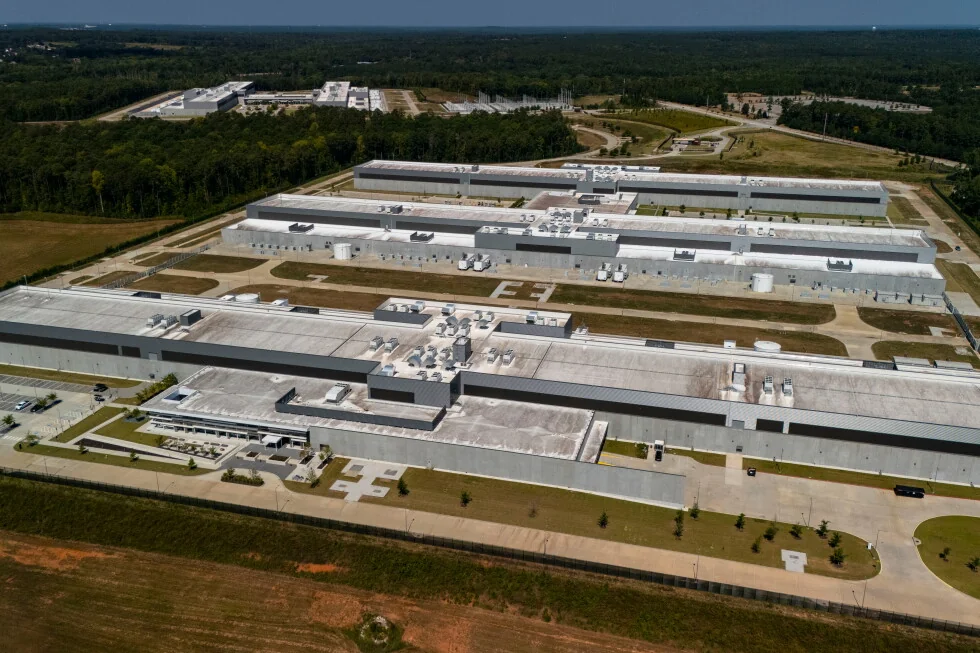
眾議院通過法案,針對資料中心對能源成本的影響
House passes bill targeting data centers' impact on energy costs
眾議院通過法案,針對資料中心對能源成本的影響
House passes bill targeting data centers' impact on energy costs

OpenAI 警示令人憂心的全新 AI 行為,並誓言加強監控
OpenAI flags alarming new AI behavior, vows closer monitoring
OpenAI 警示令人憂心的全新 AI 行為,並誓言加強監控
OpenAI flags alarming new AI behavior, vows closer monitoring
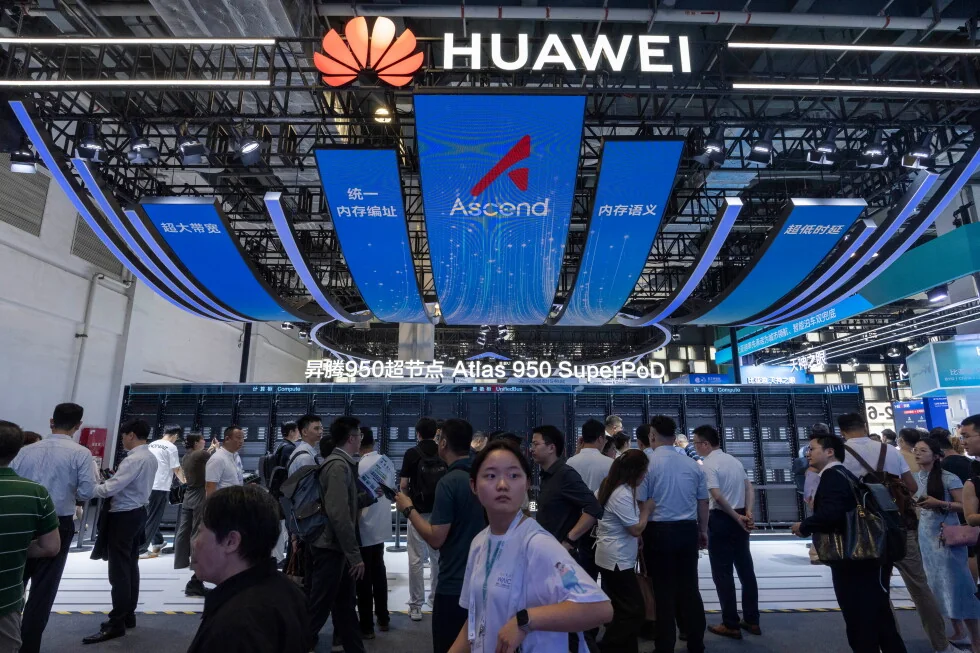
華為揭曉新晶片技術,這家中國企業加劇與輝達的AI競賽
Huawei unveils new chip technologies as Chinese firm intensifies AI race with Nvidia
華為揭曉新晶片技術,這家中國企業加劇與輝達的AI競賽
Huawei unveils new chip technologies as Chinese firm intensifies AI race with Nvidia
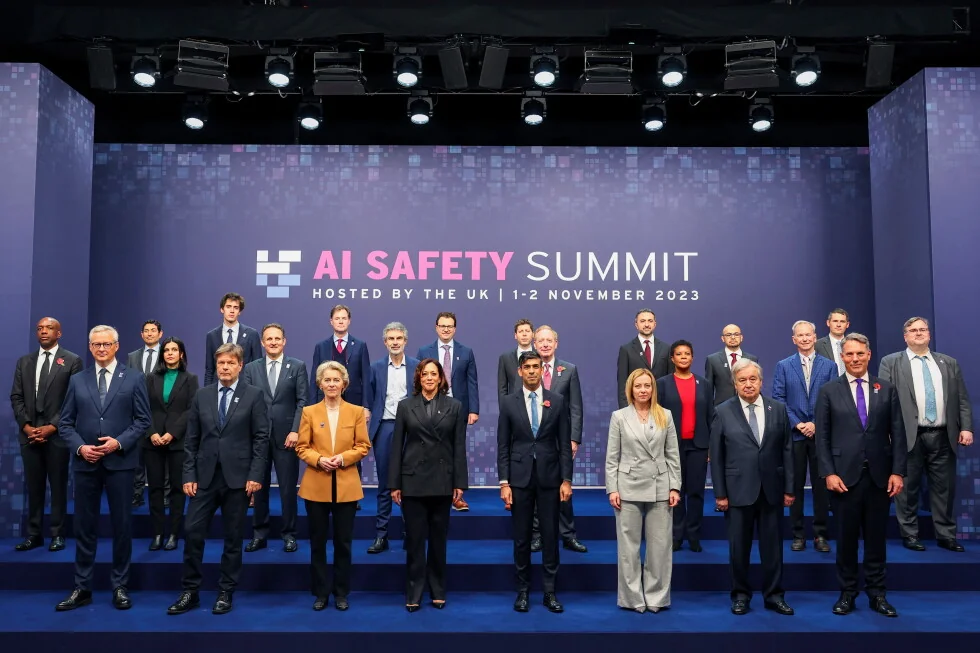
科技業對協調減緩AI發展的呼聲出現分歧
Tech Industry Split Over Calls for Coordinated AI Slowdown
科技業對協調減緩AI發展的呼聲出現分歧
Tech Industry Split Over Calls for Coordinated AI Slowdown

全球人工智慧安全取決於美中合作,然而雙方卻視彼此為問題所在
Global AI Safety Hinges on US-China Cooperation, Yet Each Sees the Other as the Problem
全球人工智慧安全取決於美中合作,然而雙方卻視彼此為問題所在
Global AI Safety Hinges on US-China Cooperation, Yet Each Sees the Other as the Problem

川普淡化AI監管的迫切性,拒絕將優勢拱手讓給中國
Trump minimizes the urgency of AI oversight, refusing to relinquish an advantage to China
川普淡化AI監管的迫切性,拒絕將優勢拱手讓給中國
Trump minimizes the urgency of AI oversight, refusing to relinquish an advantage to China

歐普拉·溫芙蕾邀請你在Sphere尋找你的「AHA」時刻
Oprah Winfrey invites you to find your ‘AHA’ moment at the Sphere
歐普拉·溫芙蕾邀請你在Sphere尋找你的「AHA」時刻
Oprah Winfrey invites you to find your ‘AHA’ moment at the Sphere