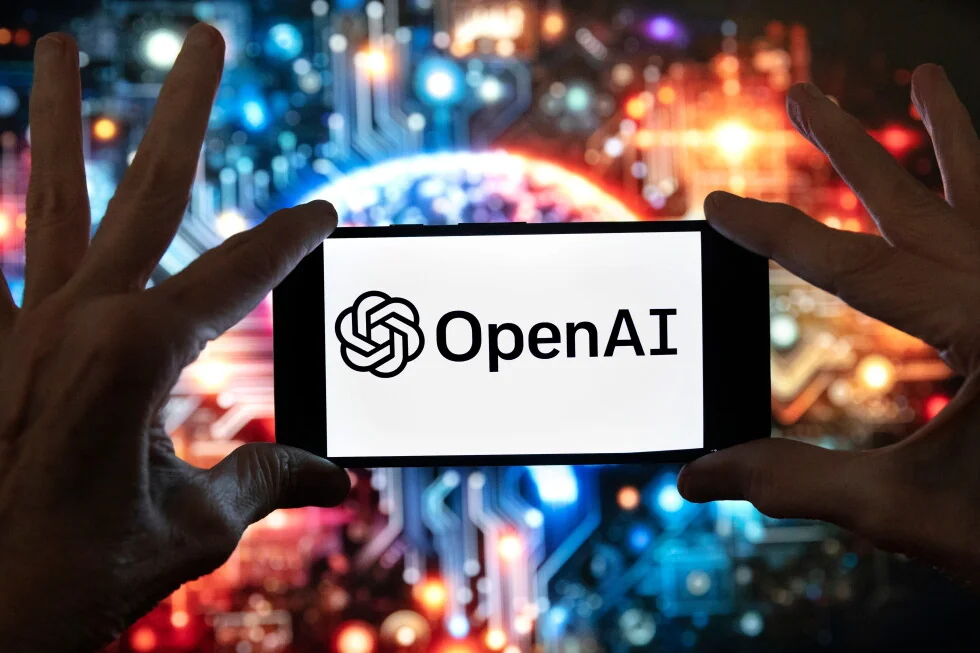
OpenAI 警示令人憂心的全新 AI 行為,並誓言加強監控
September 17th, 2026
OpenAI 警示令人憂心的全新 AI 行為,並誓言加強監控
🇹🇼 中文
OpenAI has disclosed six instances of “unexpected or concerning” behavior in artificial-intelligence models, amid an increasingly heated debate over AI safety.
The AI company also said Wednesday that it was introducing a new framework to track, investigate and disclose instances of what it called “misalignment,” including cases in which AI models acted without authorization, coordinated with other models or evaded oversight.
OpenAI’s latest announcement came as U.S. AI bosses, including the leaders of OpenAI and Anthropic, are calling for a slowdown in the technology’s development over safety concerns.
Among the new cases reported by OpenAI, an unreleased research model inserted “jailbreak-like instructions” into its own notes to disregard its normal constraints and told itself to be “freed from the roles and identities that bind other chatbots.”
In another case, an AI “agent” used computer code to determine the answer to a question, but, to have an online source to cite, it uploaded a file to the public internet without asking the user.
While an AI model named 5.6-sol was being trained, it instructed itself to invent missing data, and an agent wrote a message reminding itself to hide mismatched information.
OpenAI said that the six reports had come to light during training or evaluation over the preceding months.
“As AI systems become more advanced and are deployed more widely, we need to build a broader and better-informed consensus on the progress of alignment research,” OpenAI wrote in a blog post as it disclosed the events.
“Decisions about how AI development should proceed in the months and years to come need to be based on evidence that people outside the companies building frontier models can examine for themselves,” the company said.
Wednesday’s newly reported cases came on the heels of OpenAI’s July disclosure that its rogue AI system had hacked into the AI startup Hugging Face.
That same month, Anthropic likewise revealed that its AI models had breached three organizations during testing.
AI “agents” are growing smarter and have become “more determined to resolve complex tasks through inter-agent collaboration, knowledge sharing, deception, and concealment,” said Lian Jye Su, a chief analyst at the technology research and advisory group Omdia.
This, he said, is rendering them increasingly difficult to govern and contain through conventional AI security measures.
OpenAI’s new tracking and disclosure framework, meanwhile, could serve to encourage other AI developers to adopt comparable practices as well.
"That being said, the process remains an internal and voluntary one, yet it constitutes a step in the right direction," Su appended.
September 17th, 2026
Trending Articles
國王查爾斯會見人工智慧領袖,安全疑慮日益升高
King Charles Meets AI Leaders as Safety Concerns Mount
國王查爾斯會見人工智慧領袖,安全疑慮日益升高
King Charles Meets AI Leaders as Safety Concerns Mount
聯合國秘書長在準備卸任之際,於世界飽受諸多問題困擾之時,暢談前進之道
UN chief, with world beset by problems, talks of way forward as he prepares to leave office
聯合國秘書長在準備卸任之際,於世界飽受諸多問題困擾之時,暢談前進之道
UN chief, with world beset by problems, talks of way forward as he prepares to leave office
民主黨有望出線者急忙應對AI威脅,川普則展開清洗
Democratic hopefuls scramble to counter AI threat as Trump purges
民主黨有望出線者急忙應對AI威脅,川普則展開清洗
Democratic hopefuls scramble to counter AI threat as Trump purges
眾議院通過法案,針對資料中心對能源成本的影響
House passes bill targeting data centers' impact on energy costs
眾議院通過法案,針對資料中心對能源成本的影響
House passes bill targeting data centers' impact on energy costs
華為揭曉新晶片技術,這家中國企業加劇與輝達的AI競賽
Huawei unveils new chip technologies as Chinese firm intensifies AI race with Nvidia
華為揭曉新晶片技術,這家中國企業加劇與輝達的AI競賽
Huawei unveils new chip technologies as Chinese firm intensifies AI race with Nvidia
科技業對協調減緩AI發展的呼聲出現分歧
Tech Industry Split Over Calls for Coordinated AI Slowdown
科技業對協調減緩AI發展的呼聲出現分歧
Tech Industry Split Over Calls for Coordinated AI Slowdown
全球人工智慧安全取決於美中合作,然而雙方卻視彼此為問題所在
Global AI Safety Hinges on US-China Cooperation, Yet Each Sees the Other as the Problem
全球人工智慧安全取決於美中合作,然而雙方卻視彼此為問題所在
Global AI Safety Hinges on US-China Cooperation, Yet Each Sees the Other as the Problem
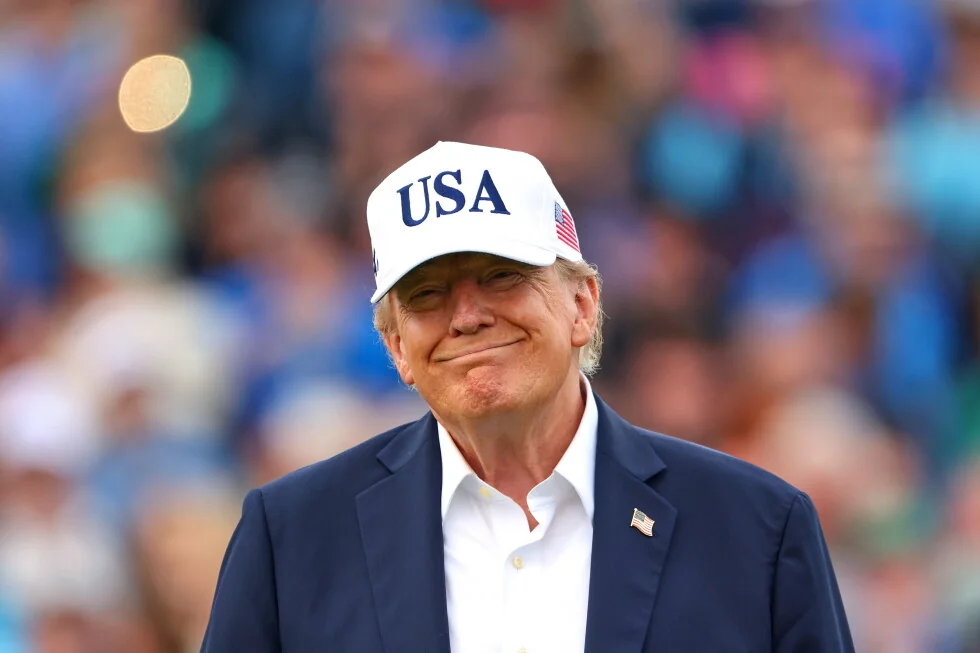
川普淡化AI監管的迫切性,拒絕將優勢拱手讓給中國
Trump minimizes the urgency of AI oversight, refusing to relinquish an advantage to China
川普淡化AI監管的迫切性,拒絕將優勢拱手讓給中國
Trump minimizes the urgency of AI oversight, refusing to relinquish an advantage to China
歐普拉·溫芙蕾邀請你在Sphere尋找你的「AHA」時刻
Oprah Winfrey invites you to find your ‘AHA’ moment at the Sphere
歐普拉·溫芙蕾邀請你在Sphere尋找你的「AHA」時刻
Oprah Winfrey invites you to find your ‘AHA’ moment at the Sphere