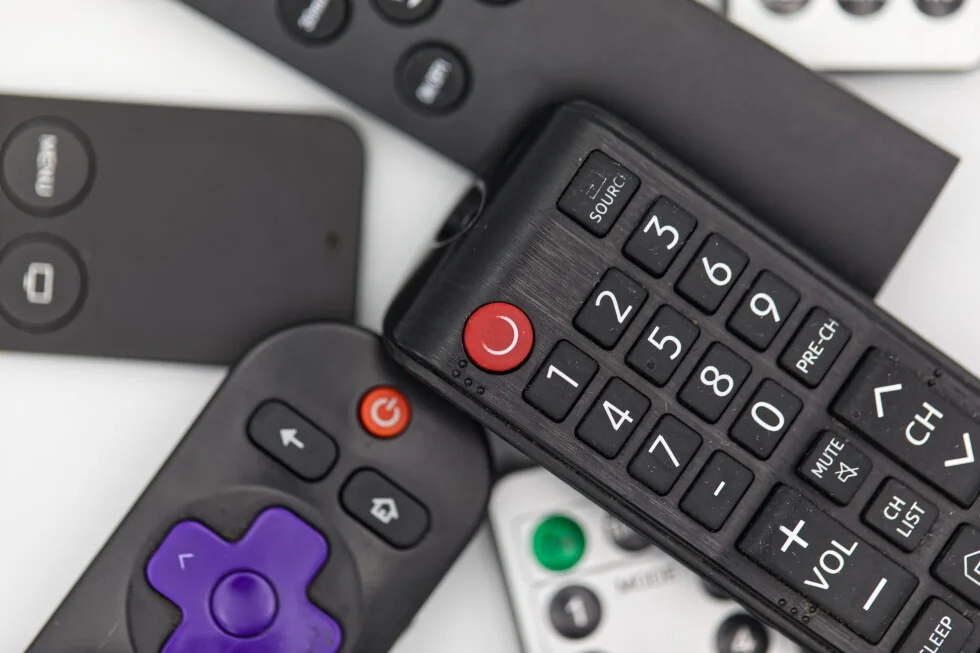
リモコンへの賛歌、それはあなたが席を立たずに、見たいものを選べるようにしてくれる小さな箱だ。
September 5th, 2026
リモコンへの賛歌、それはあなたが席を立たずに、見たいものを選べるようにしてくれる小さな箱だ。
🇯🇵 日本語
Before remote controls, people had to get up and turn a dial to change a TV channel.
Zenith Electronics introduced the first remote, called "Lazy Bone," in 1950.
It was not wireless, and people often tripped over its cord.
The first wireless remote, "Flash-Matic," came five years later.
It used light signals and looked like a gun.
Bright sunlight could make it change channels by mistake.
The next year, Zenith's "Space Command" used sound waves and made a clicking noise.
This gave remotes the nickname "clicker."
Infrared remotes arrived in the 1980s.
Cable TV made the device necessary at that time.
TV critic David Bianculli said losing a remote in couch cushions became as stressful as losing a phone today.
Remotes changed how networks planned their shows.
They wanted to stop viewers from switching channels.
Remotes also created the "surfer," a person who scans channels without a clear goal.
This forced networks to catch attention quickly.
Remotes have downsides, too.
They can make people more selfish, and they multiply out of control.
Batteries often die at bad moments.
Late Zenith scientist Eugene Polley called the remote "almost as important as sex."
He may have felt pride of ownership, though.
September 5th, 2026
Trending Articles
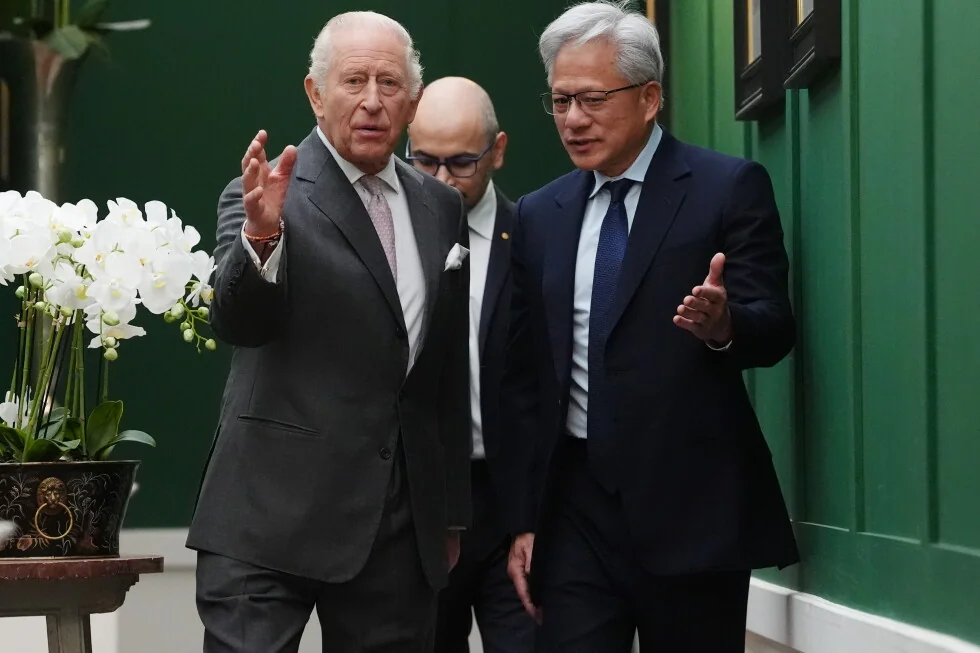
チャールズ国王がAIのリーダーたちと会う、安全への心配が高まる中で
King Charles meets AI leaders as safety worries grow
チャールズ国王がAIのリーダーたちと会う、安全への心配が高まる中で
King Charles meets AI leaders as safety worries grow
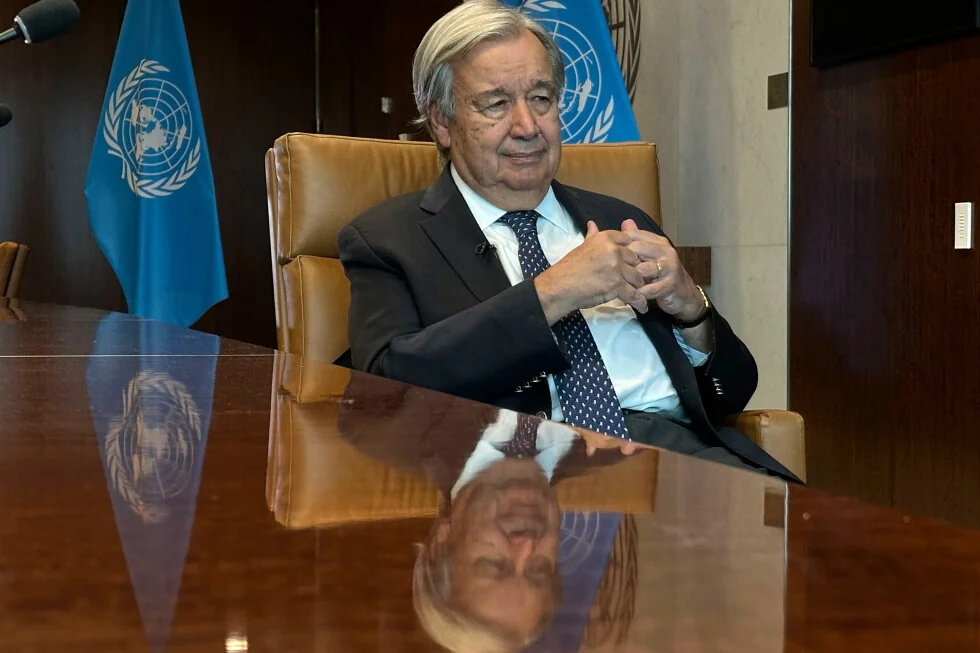
世界が問題に直面する中、国連のトップが退任し、今後の道について語る
UN chief, leaving office as world faces problems, talks of way forward
世界が問題に直面する中、国連のトップが退任し、今後の道について語る
UN chief, leaving office as world faces problems, talks of way forward
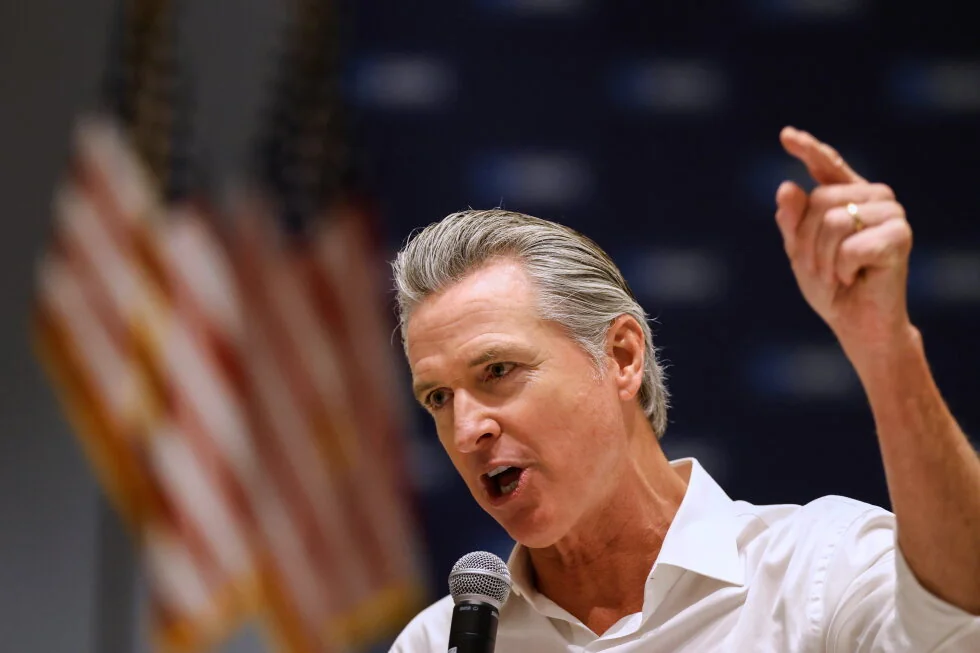
民主党の候補者たちは、トランプが人々を解雇する中、AIの脅威に答えるために急いでいる。
Democratic candidates rush to answer AI threat as Trump fires people
民主党の候補者たちは、トランプが人々を解雇する中、AIの脅威に答えるために急いでいる。
Democratic candidates rush to answer AI threat as Trump fires people
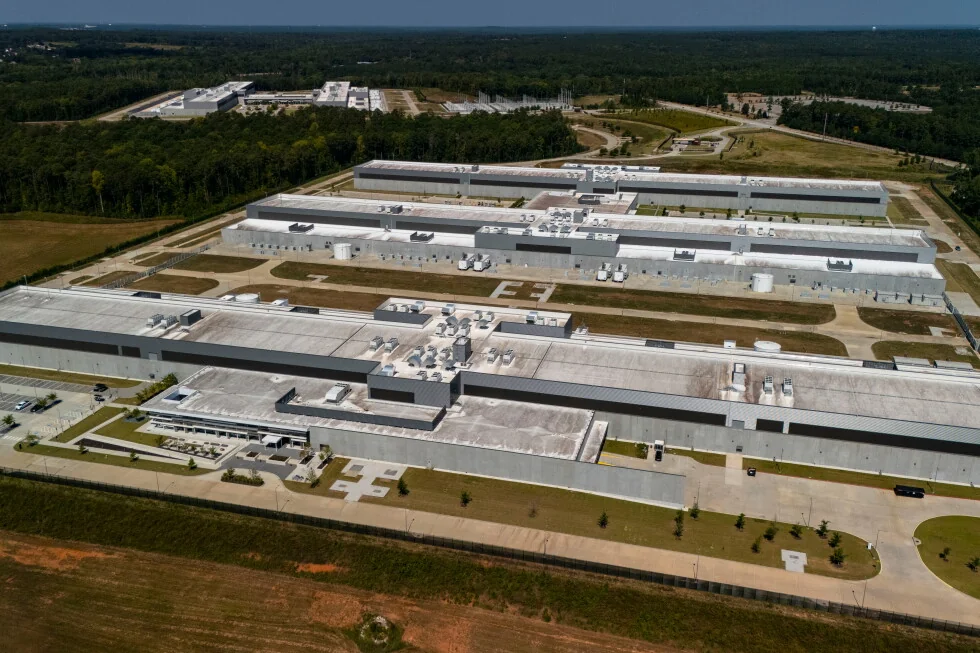
下院は、データセンターがエネルギー費用に与える影響に対処する法案を可決した。
House passes bill to deal with data centers' impact on energy costs
下院は、データセンターがエネルギー費用に与える影響に対処する法案を可決した。
House passes bill to deal with data centers' impact on energy costs

OpenAIは、新しいAIの行動は心配だと話し、もっと注意して見守ると約束しています。
OpenAI says new AI behavior is worrying and promises to watch it more closely
OpenAIは、新しいAIの行動は心配だと話し、もっと注意して見守ると約束しています。
OpenAI says new AI behavior is worrying and promises to watch it more closely

ファーウェイはAIでNVIDIAと競争する中、新しいチップ技術を公開した
Huawei shows new chip technologies as it races with Nvidia in AI
ファーウェイはAIでNVIDIAと競争する中、新しいチップ技術を公開した
Huawei shows new chip technologies as it races with Nvidia in AI
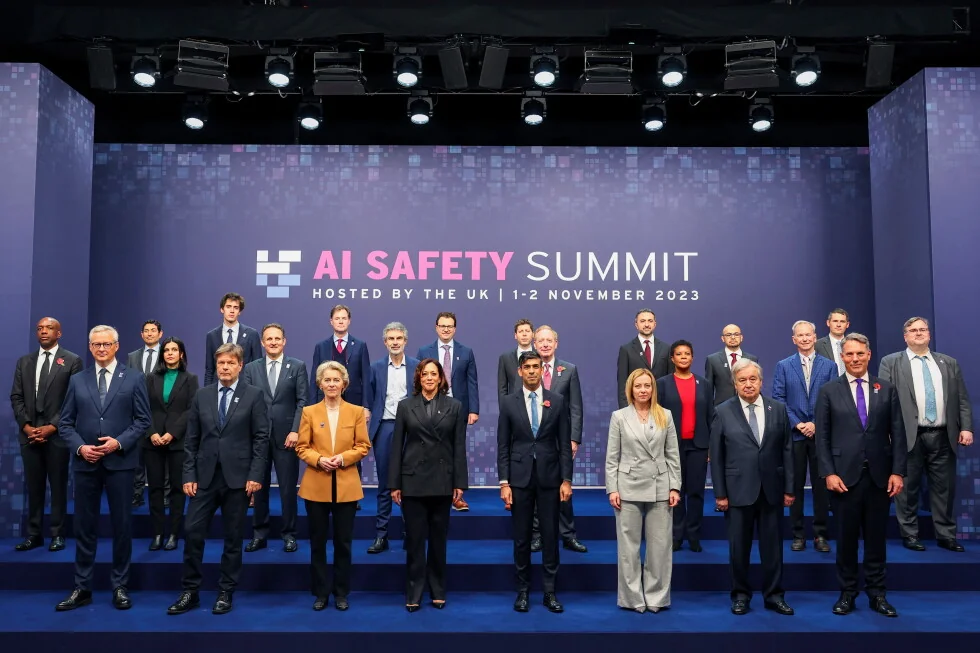
テック業界はAIの開発をゆるめるべきだという声で分かれている
Tech industry divided over calls to slow down AI
テック業界はAIの開発をゆるめるべきだという声で分かれている
Tech industry divided over calls to slow down AI
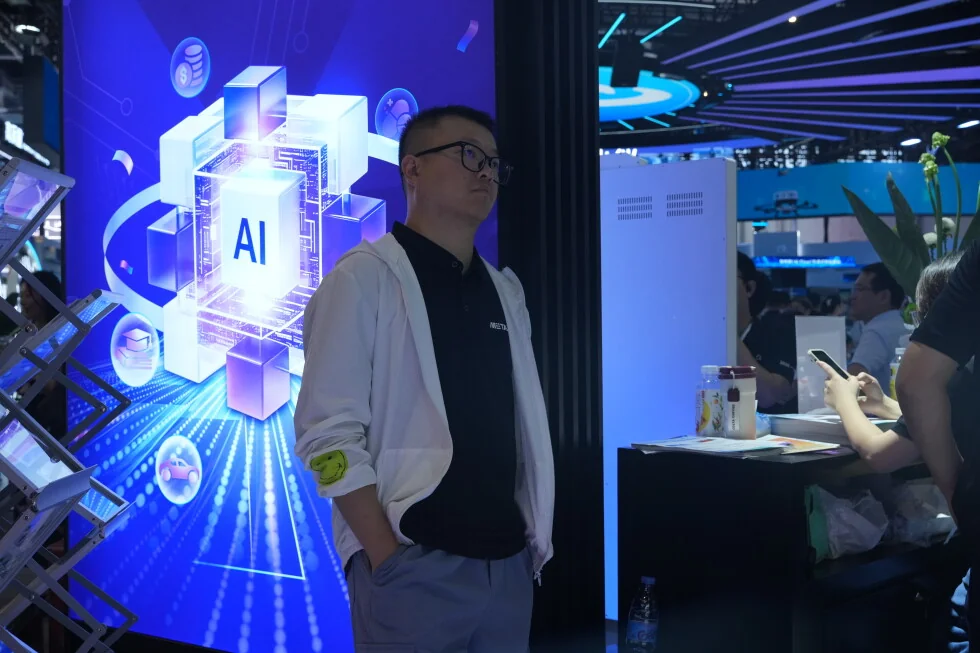
AIの安全のための世界計画には、米中のチームワークが必要だ。どちらも相手を問題だと考えている
A global AI safety plan needs US-China teamwork. Each side sees the other as the problem
AIの安全のための世界計画には、米中のチームワークが必要だ。どちらも相手を問題だと考えている
A global AI safety plan needs US-China teamwork. Each side sees the other as the problem
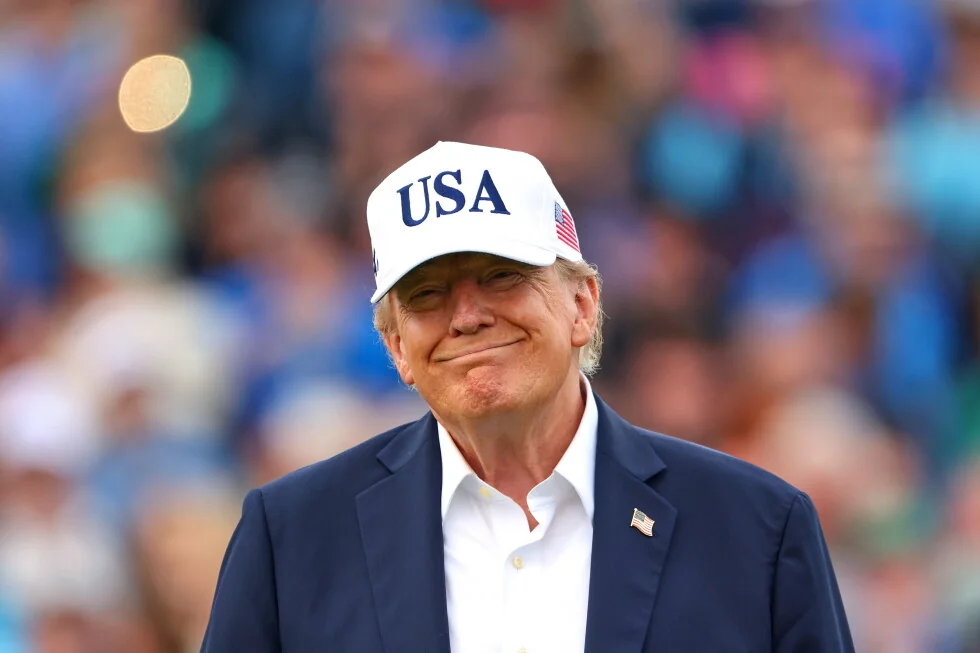
トランプはAIのチェックを軽く見て、中国に遅れをとりたくないと言った。
Trump plays down AI checks and says he doesn't want to lose edge to China
トランプはAIのチェックを軽く見て、中国に遅れをとりたくないと言った。
Trump plays down AI checks and says he doesn't want to lose edge to China

オプラ・ウィンフリーは、あなたにスフィアで「AHA」の瞬間を体験してほしいと思っています。
Oprah Winfrey wants you to have your ‘AHA’ moment at the Sphere
オプラ・ウィンフリーは、あなたにスフィアで「AHA」の瞬間を体験してほしいと思っています。
Oprah Winfrey wants you to have your ‘AHA’ moment at the Sphere