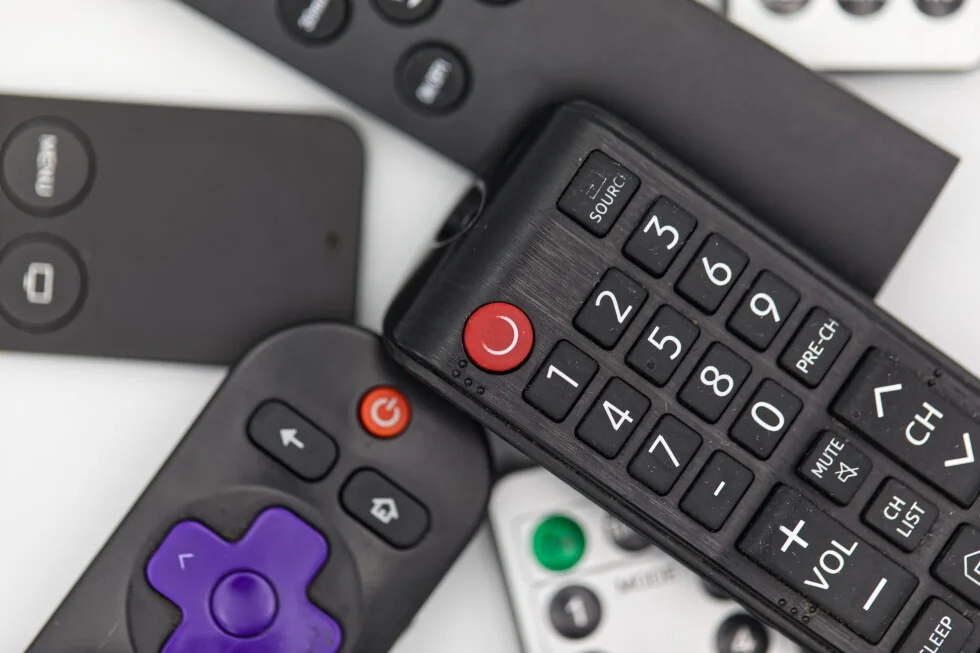
Eine Hommage an die Fernbedienung, das kleine Gerät, mit dem du wählen kannst, was du sehen möchtest, ohne deinen Platz zu verlassen.
September 5th, 2026
Eine Hommage an die Fernbedienung, das kleine Gerät, mit dem du wählen kannst, was du sehen möchtest, ohne deinen Platz zu verlassen.
🇩🇪 Deutsch
Before remote controls, changing a TV channel meant getting up and turning a dial.
Zenith Electronics introduced the first remote, called "Lazy Bone," in 1950.
It was not wireless, and people tripped over its cord.
The first wireless remote, "Flash-Matic," came five years later.
It used light signals and looked like a gun.
Bright sunlight could trigger false channel changes.
The next year, Zenith's "Space Command" used sound waves and made a clicking noise.
That gave remotes the nickname "clicker."
Infrared remotes arrived in the 1980s, when cable TV made the device essential.
TV critic David Bianculli said losing a remote in couch cushions became as frantic as losing a phone today.
Remotes changed how networks scheduled shows to keep viewers from switching channels.
They also created the "surfer," who scanned channels aimlessly.
This forced networks to grab attention quickly.
Remotes have downsides, including amplifying selfishness and multiplying out of control.
Batteries often die at bad moments.
Late Zenith scientist Eugene Polley called the remote "almost as important as sex," though he may have felt pride of ownership.
September 5th, 2026
Trending Articles
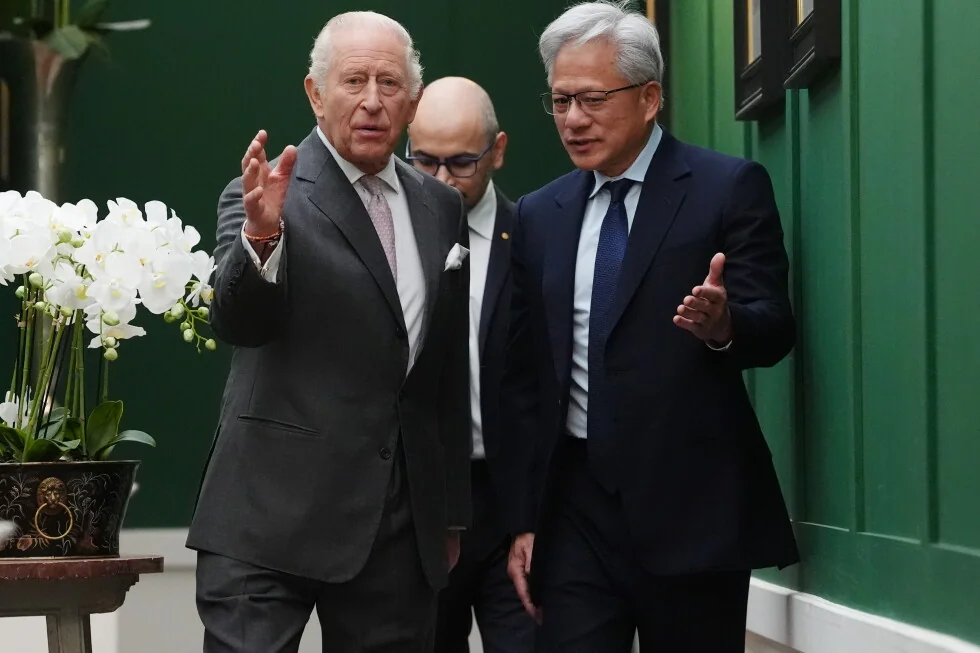
König Charles trifft KI-Führungskräfte, während die Sicherheitsbedenken wachsen
King Charles meets AI leaders as safety concerns grow
König Charles trifft KI-Führungskräfte, während die Sicherheitsbedenken wachsen
King Charles meets AI leaders as safety concerns grow
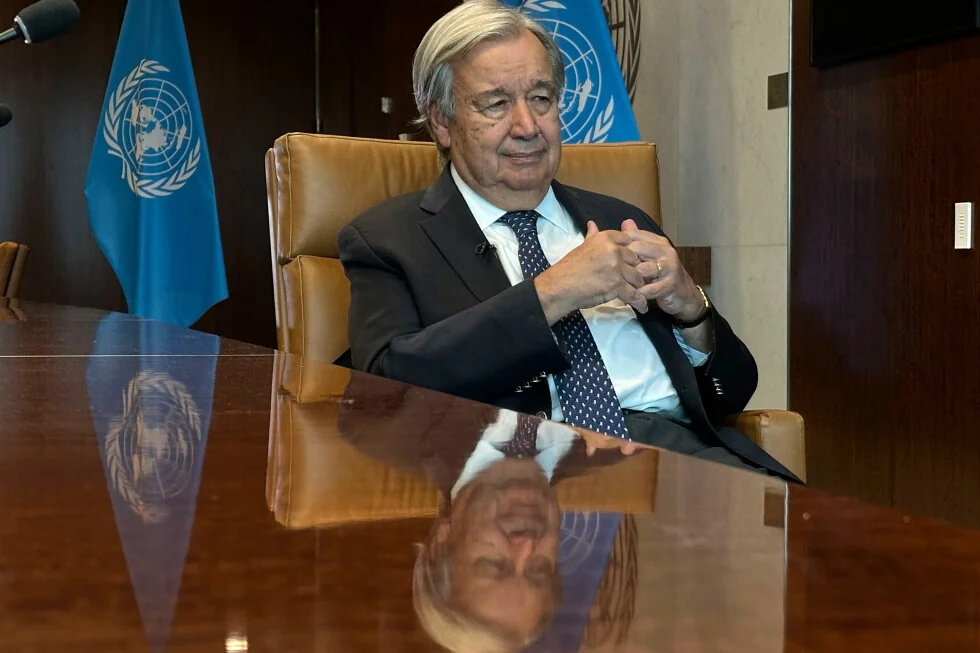
UN-Chef verlässt sein Amt, während die Welt vor Problemen steht, und spricht über den Weg nach vorn
UN chief, leaving office as world faces problems, talks of way forward
UN-Chef verlässt sein Amt, während die Welt vor Problemen steht, und spricht über den Weg nach vorn
UN chief, leaving office as world faces problems, talks of way forward
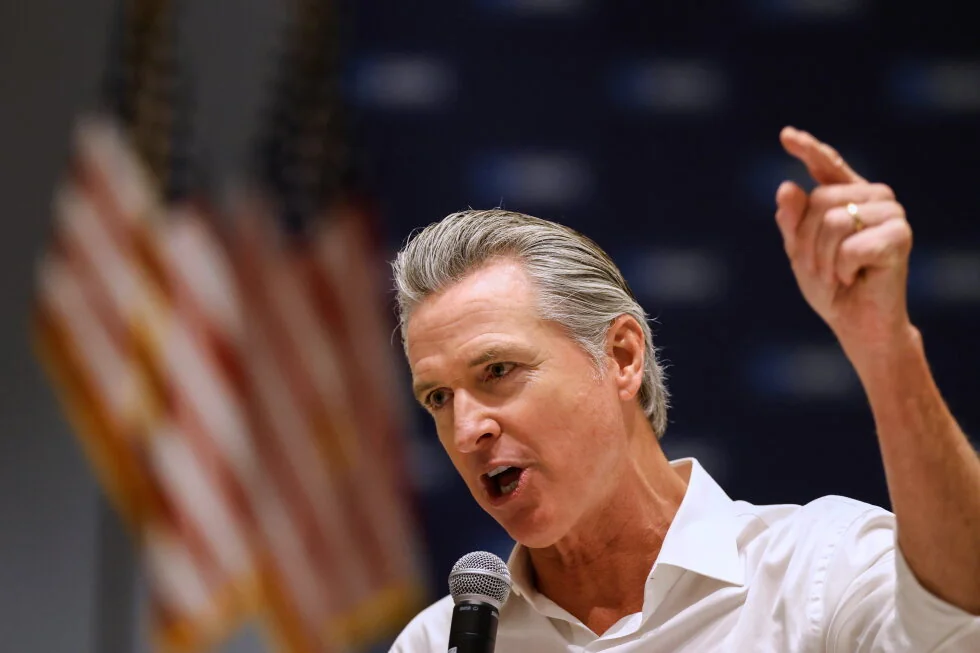
Demokratische Kandidaten beeilen sich, auf die KI-Bedrohung zu reagieren, während Trump Beamte entlässt
Democratic candidates rush to answer AI threat as Trump fires officials
Demokratische Kandidaten beeilen sich, auf die KI-Bedrohung zu reagieren, während Trump Beamte entlässt
Democratic candidates rush to answer AI threat as Trump fires officials
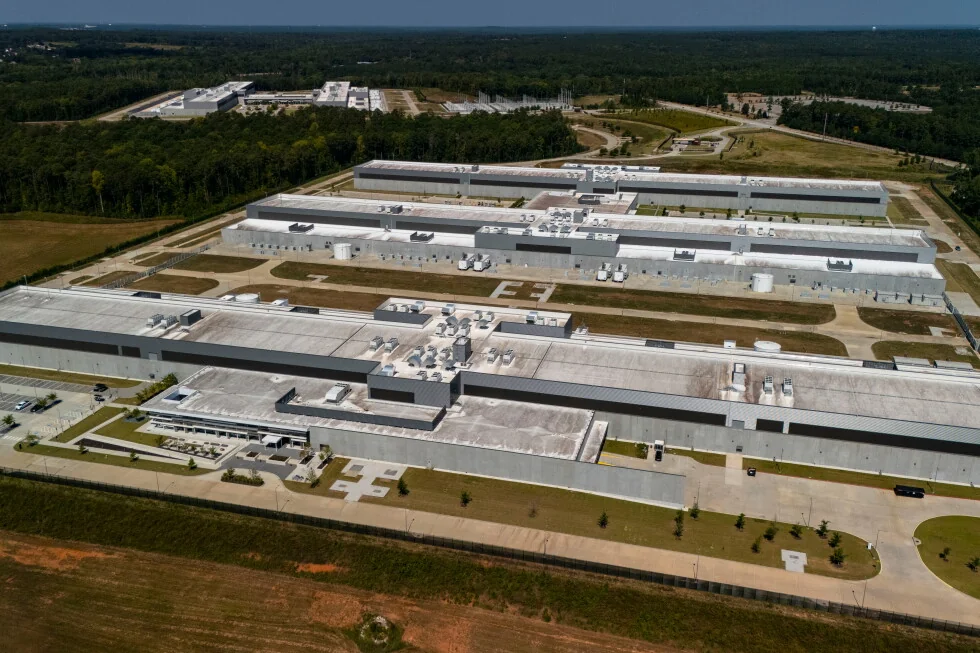
Das Repräsentantenhaus verabschiedet ein Gesetz gegen die Auswirkungen von Rechenzentren auf die Energiekosten
House passes bill to tackle data centers' impact on energy costs
Das Repräsentantenhaus verabschiedet ein Gesetz gegen die Auswirkungen von Rechenzentren auf die Energiekosten
House passes bill to tackle data centers' impact on energy costs

OpenAI warnt vor einem besorgniserregenden neuen Verhalten von KI und verspricht, es genauer zu beobachten
OpenAI warns of worrying new AI behavior and promises to watch it more closely
OpenAI warnt vor einem besorgniserregenden neuen Verhalten von KI und verspricht, es genauer zu beobachten
OpenAI warns of worrying new AI behavior and promises to watch it more closely
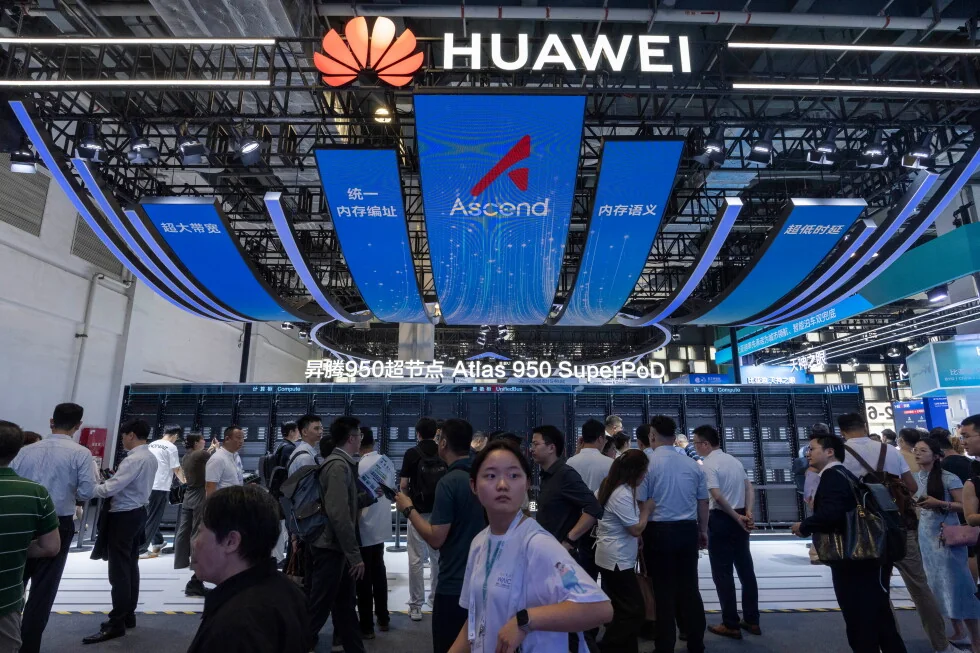
Huawei bringt neue Chip-Technologien auf den Markt und liefert sich ein Rennen mit Nvidia im Bereich KI.
Huawei launches new chip technologies as it races against Nvidia in AI
Huawei bringt neue Chip-Technologien auf den Markt und liefert sich ein Rennen mit Nvidia im Bereich KI.
Huawei launches new chip technologies as it races against Nvidia in AI
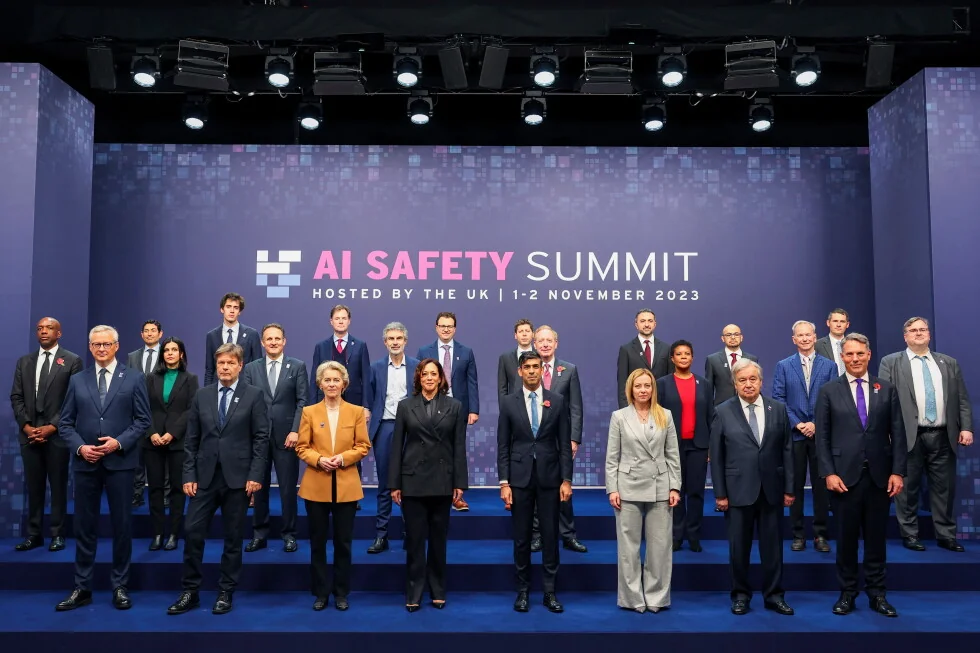
Die Tech-Branche ist gespalten über Forderungen nach einer koordinierten Verlangsamung der KI
Tech industry split over calls for a coordinated AI slowdown
Die Tech-Branche ist gespalten über Forderungen nach einer koordinierten Verlangsamung der KI
Tech industry split over calls for a coordinated AI slowdown
Die globale KI-Sicherheit hängt von der Zusammenarbeit zwischen den USA und China ab. Jede Seite gibt der anderen die Schuld.
Global AI safety depends on US-China teamwork. Each side blames the other
Die globale KI-Sicherheit hängt von der Zusammenarbeit zwischen den USA und China ab. Jede Seite gibt der anderen die Schuld.
Global AI safety depends on US-China teamwork. Each side blames the other
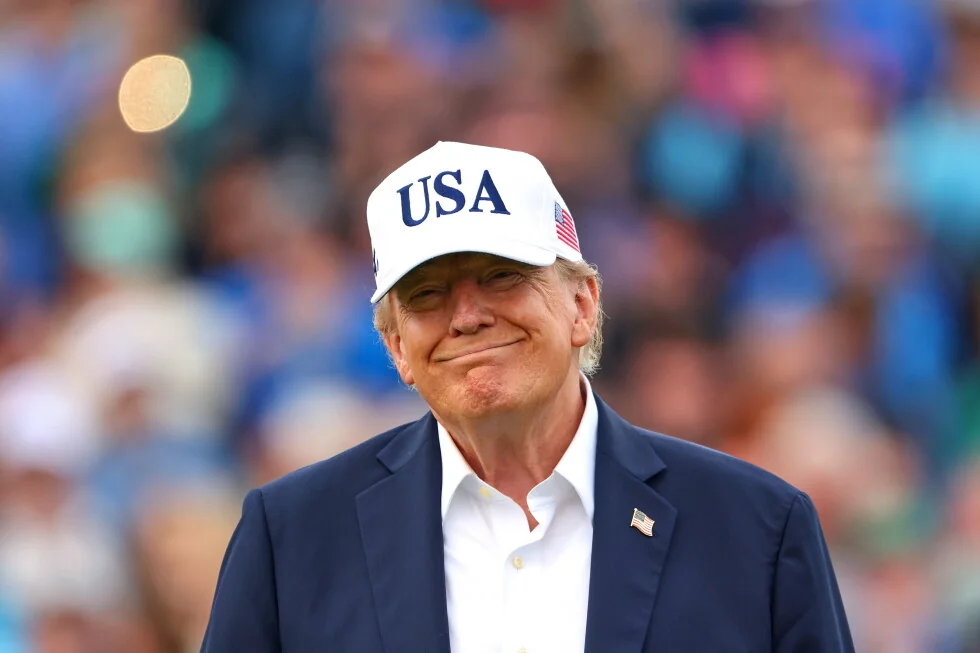
Trump hält es nicht für nötig, das Wachstum der KI zu überprüfen, und sagt, er werde China keinen Vorteil verschaffen.
Trump dismisses need to check AI growth, says he won't give China the edge
Trump hält es nicht für nötig, das Wachstum der KI zu überprüfen, und sagt, er werde China keinen Vorteil verschaffen.
Trump dismisses need to check AI growth, says he won't give China the edge

Oprah Winfrey möchte, dass du deinen „AHA“-Moment in der Sphere hast
Oprah Winfrey wants you to have your ‘AHA’ moment at the Sphere
Oprah Winfrey möchte, dass du deinen „AHA“-Moment in der Sphere hast
Oprah Winfrey wants you to have your ‘AHA’ moment at the Sphere