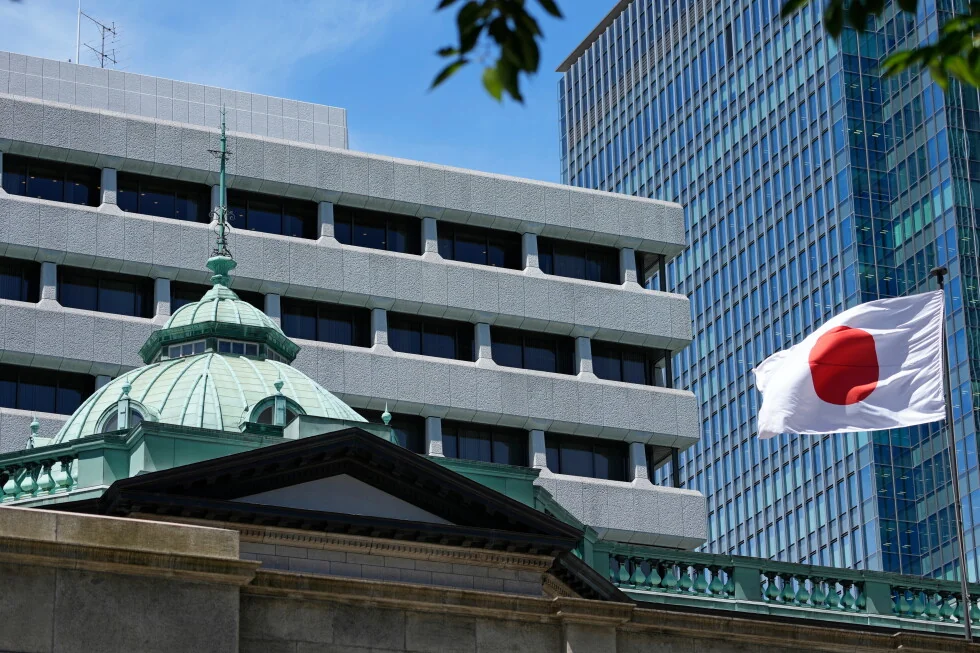
일본 중앙은행이 기준금리를 1.25%로 올렸다. 이는 31년 만에 가장 높은 수준이다.
September 18th, 2026
일본 중앙은행이 기준금리를 1.25%로 올렸다. 이는 31년 만에 가장 높은 수준이다.
🇰🇷 한국어
Japan’s central bank raised its main interest rate on Friday.
The rate went up to 1.25% from 1.0%.
This is the highest level in 31 years.
The Bank of Japan has tried to normalize monetary policy.
For many years, it kept rates near or below zero.
Those low rates were meant to encourage borrowing and spending.
They were also meant to fight deflation.
The increase was in the uncollateralized overnight call rate.
This is a short-term rate.
The rise was expected after the two-day policy board meeting.
Bank of Japan Gov. Kazuo Ueda said the decision considered several risks.
These include the war in Iran, growing demand for artificial intelligence, and currency moves.
He told reporters the Japanese economy is recovering slowly.
He also said inflation is close to the 2% target.
Two of the nine board members disagreed.
They were worried about the strength of Japan’s growth, according to Ueda.
Analysts have said another increase is possible later this year or early next year.
Ueda stressed that more time is needed.
He wants to see if price rises stay stable.
He said wage growth and other risks must be watched.
The U.S. Federal Reserve also raised its key rate this week.
It was its first increase since 2023, to fight high inflation.
The U.S. has pressured Japan to raise rates.
It is worried about the weakening yen.
The two nations recently intervened together to support the yen.
Despite the Bank of Japan’s move, the dollar strengthened.
It briefly reached above 157 yen.
It had reached above 160 yen earlier this year.
Japan’s inflation is now about the 2% target.
However, some consumers complain that price surges are too much.
This is especially true for gas and oil-related products.
Economist Harumi Taguchi of S&P Global Market Intelligence said crude oil prices are high.
She said the Bank of Japan is expected to raise rates again sooner rather than later.
This would limit the risk that consumer inflation goes above underlying inflation.
She added that higher rates may hurt the economy.
Borrowing costs will be heavier for small and medium-sized enterprises.
Mortgages will also be higher.
Analysts are also worried about public spending promised by Prime Minister Sanae Takaichi’s government.
This includes tax cuts and defense investments.
Public debt is already growing fast.
Tokyo’s benchmark Nikkei 225 rose 1.4% after the decision.
September 18th, 2026
Trending Articles
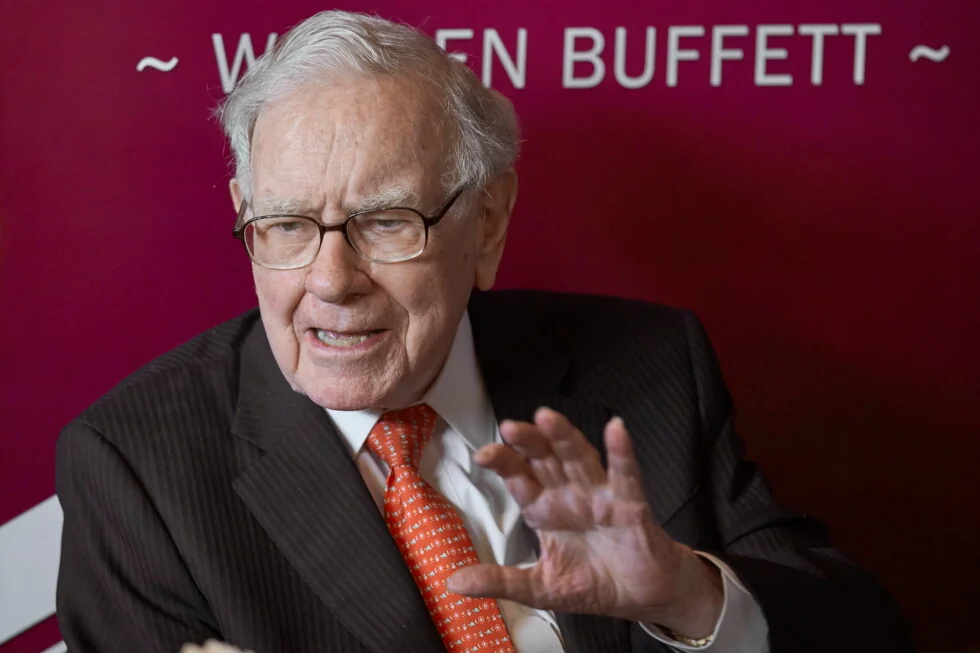
워런 버핏이 버크셔 해서웨이에서 회장직을 내려놓는다. 이는 그의 후계 계획의 다음 단계이다.
Warren Buffett gives up chairman role at Berkshire Hathaway in next step of his succession plan
워런 버핏이 버크셔 해서웨이에서 회장직을 내려놓는다. 이는 그의 후계 계획의 다음 단계이다.
Warren Buffett gives up chairman role at Berkshire Hathaway in next step of his succession plan
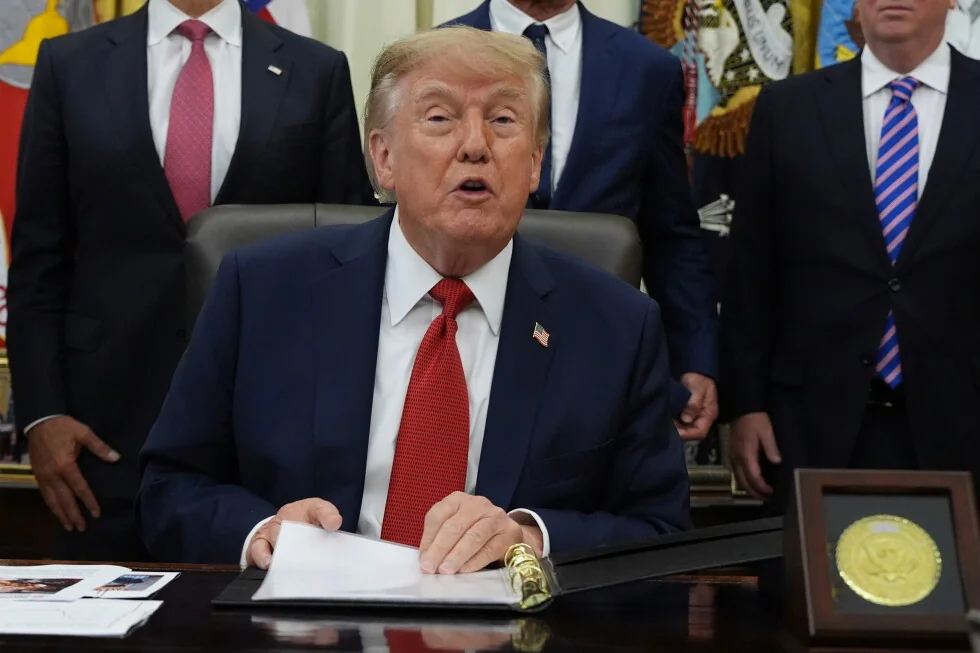
트럼프는 더 많은 뉴스 매체를 겨냥하며, CNN, MS NOW, 폴리티코를 백악관에서 금지하겠다고 말했다.
Trump targets more news outlets, says he will ban CNN, MS NOW and Politico from the White House
트럼프는 더 많은 뉴스 매체를 겨냥하며, CNN, MS NOW, 폴리티코를 백악관에서 금지하겠다고 말했다.
Trump targets more news outlets, says he will ban CNN, MS NOW and Politico from the White House

앤스로픽은 자사의 모델 클로드가 다음 버전을 만드는 일을 돕고 있다고 말했다
Anthropic says its model Claude is helping to build the next version of itself
앤스로픽은 자사의 모델 클로드가 다음 버전을 만드는 일을 돕고 있다고 말했다
Anthropic says its model Claude is helping to build the next version of itself
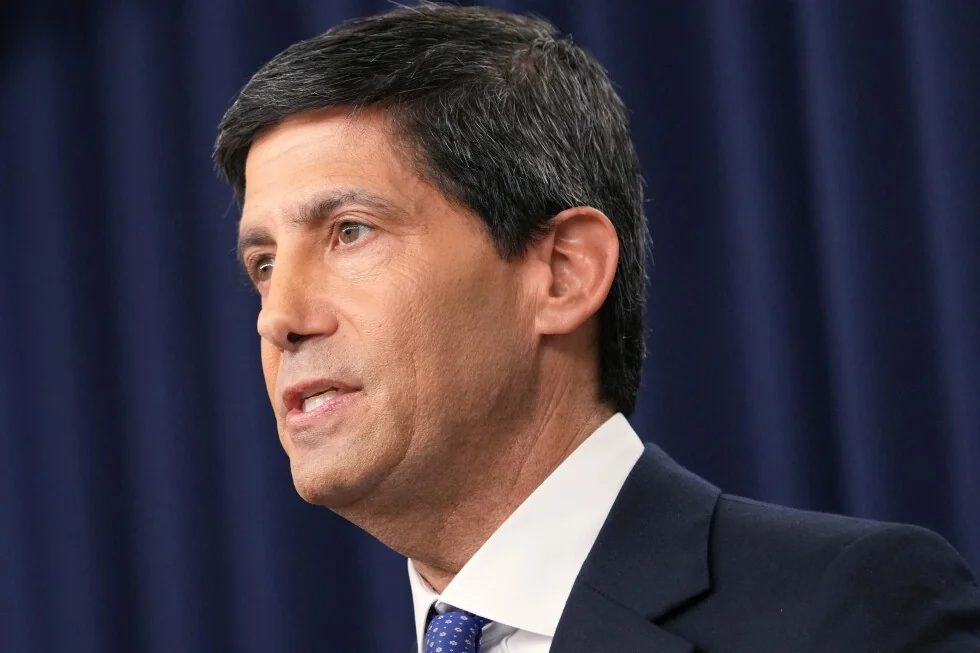
연방준비제도가 지금 금리를 올리는 이유와 그 의미
Why the Federal Reserve is raising rates now, and what it means
연방준비제도가 지금 금리를 올리는 이유와 그 의미
Why the Federal Reserve is raising rates now, and what it means
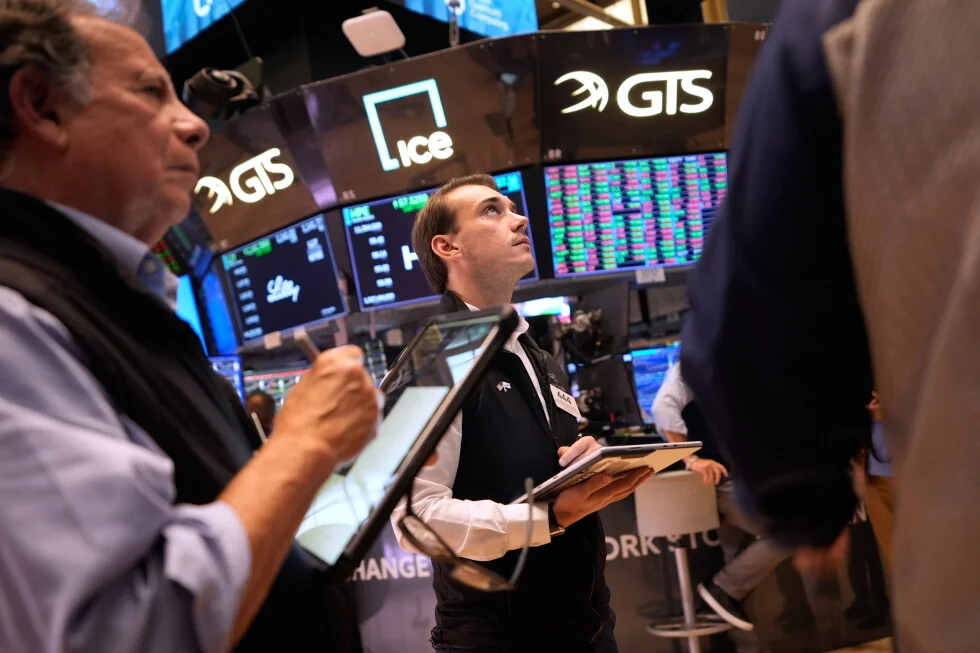
미국 주식은 유가와 국채 수익률이 떨어지면서 6주 만에 가장 좋은 하루를 보냈다
US stocks have their best day in 6 weeks as oil prices and bond yields fall
미국 주식은 유가와 국채 수익률이 떨어지면서 6주 만에 가장 좋은 하루를 보냈다
US stocks have their best day in 6 weeks as oil prices and bond yields fall
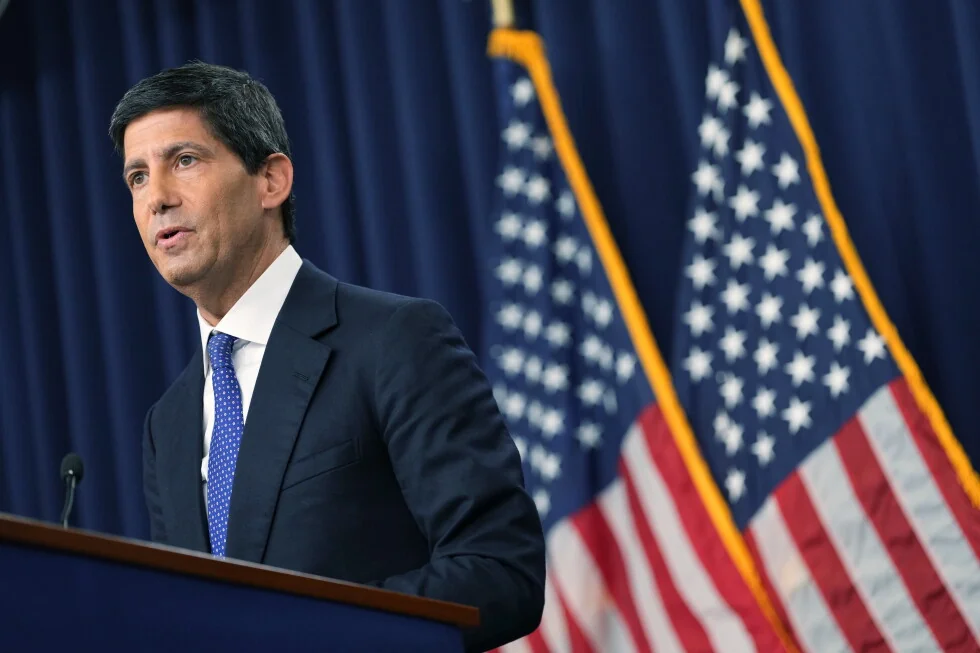
연방준비제도가 3년 만에 기준금리를 올렸다. 트럼프가 금리 인하를 요구했는데도 그렇게 했다.
Federal Reserve raises key rate for 1st time in 3 years, despite Trump's calls for a cut
연방준비제도가 3년 만에 기준금리를 올렸다. 트럼프가 금리 인하를 요구했는데도 그렇게 했다.
Federal Reserve raises key rate for 1st time in 3 years, despite Trump's calls for a cut
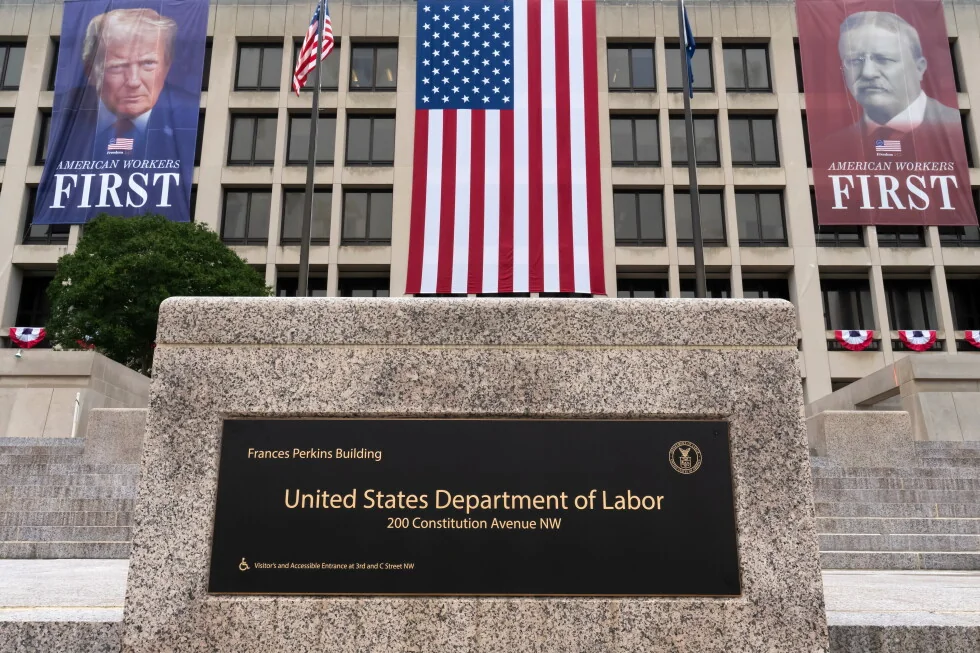
실업수당 신청이 19만 6천 건으로 줄어 7월 중순 이후 가장 낮았다. 해고는 계속 적은 수준이다.
Unemployment claims fall to 196,000, lowest since mid-July as layoffs stay low
실업수당 신청이 19만 6천 건으로 줄어 7월 중순 이후 가장 낮았다. 해고는 계속 적은 수준이다.
Unemployment claims fall to 196,000, lowest since mid-July as layoffs stay low
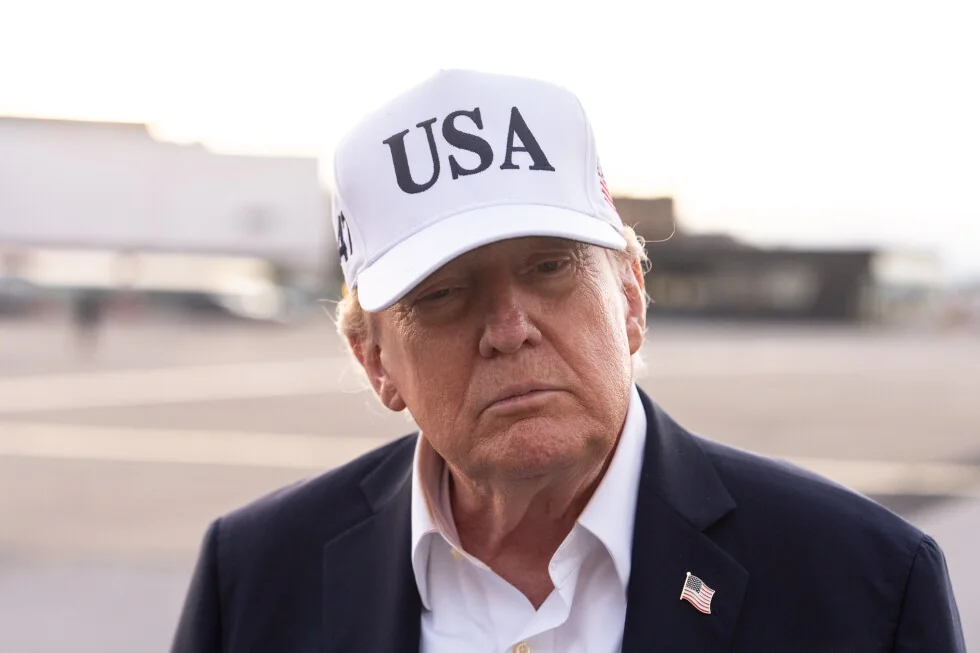
트럼프는 AI 위험을 ‘사기’라고 부르며, AI와 데이터 센터에 반대하는 ‘역겨운 음모’가 있다고 말했다
Trump calls AI risks a ‘hoax,’ says there is a ‘SICK conspiracy’ against AI and data centers
트럼프는 AI 위험을 ‘사기’라고 부르며, AI와 데이터 센터에 반대하는 ‘역겨운 음모’가 있다고 말했다
Trump calls AI risks a ‘hoax,’ says there is a ‘SICK conspiracy’ against AI and data centers
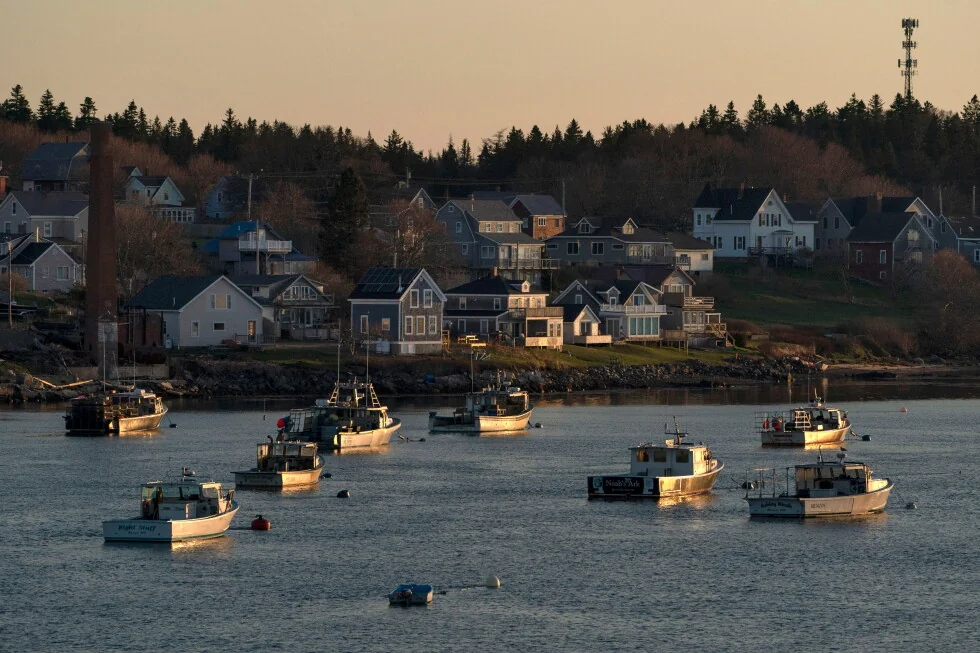
대법원이 메인주 랍스터 어부의 GPS 보트 추적기 사건을 판결한다
Supreme Court to decide on Maine lobsterman's GPS boat tracker case
대법원이 메인주 랍스터 어부의 GPS 보트 추적기 사건을 판결한다
Supreme Court to decide on Maine lobsterman's GPS boat tracker case