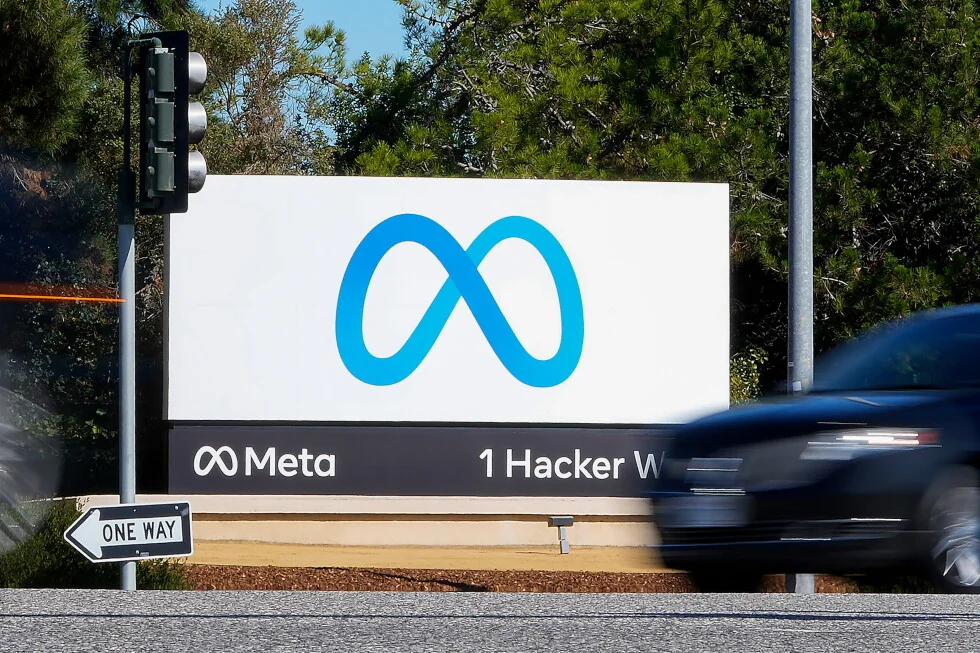
ソーシャルメディアプラットフォームは、未成年ユーザーを特定する取り組みを強化している。
September 1st, 2026
ソーシャルメディアプラットフォームは、未成年ユーザーを特定する取り組みを強化している。
🇯🇵 日本語
In the child safety measures agreed to in Meta's landmark legal settlement, its commitments on age assurance contain the most detailed requirements of any category — and rightly so.
No matter how effective the protections are, they are useless if Meta cannot identify which users are children.
Identifying which accounts belong to minors is also the cornerstone of child protection measures that companies such as Google, TikTok, and Roblox are intensifying as public and regulatory pressure mounts against them across the U.S. and other nations.
The Meta settlement — with protections the company says could become industry standards — will give the social media giant a year to refine its approach.
However, the available options are limited, and improving age verification technology poses significant challenges, including navigating privacy implications not only for children but also for adults who may need to prove they are over 18.
The $18 billion settlement resolves claims from state attorneys general that the company deliberately designed its Instagram and Facebook platforms to capture young users' attention, which harmed their mental health.
The agreement, announced last week with the Menlo Park, California-based company, covers 48 states, the District of Columbia, and U.S. territories.
In the physical world, individuals rely on government-issued identification to verify that they are of legal age—whether 18 or 21—to gain entry into a club or purchase tobacco products.
Although this method is technically viable in digital contexts as well, many people are reluctant to entrust a major technology corporation such as Meta or Google with sensitive documents like their driver’s license or passport.
Meta accepts government-issued identification to verify users' ages, with a commitment to delete such data within a 30-day window.
However, beyond the use of official IDs, an increasing number of technology firms are turning to artificial intelligence as a means of estimating users' ages.
This approach, however, does not constitute genuine age verification.
Although AI can approximate a person's age with considerable accuracy, it remains incapable of confirming an individual's actual date of birth.
Last year, Google introduced an age-assurance system for YouTube that leverages AI to distinguish between adults and minors based on their viewing histories.
Meta has adopted a comparable approach.
AI age verification systems rely on contextual indicators to estimate a user's age.
On Instagram, this encompasses "contextual clues" such as posts related to birthday celebrations or schooling, alongside engagement patterns—including which posts users like, comment on, or dwell upon—as well as their social connections and the times of day they access the platform.
For example, an individual who remains offline during typical school hours is likely to be of school age.
In a blog post last year, Meta stated that its AI also examines photos users share for visual indicators, such as “height or bone structure, to estimate someone’s general age; it does not identify the specific person in the image.”
“By synthesizing these visual insights with our examination of textual and interactional data, we can substantially enhance our capacity to detect and eliminate underage accounts,” the company added.
Under the settlement, Meta agreed to improve its age-checking technology using both its own and third-party tools, with regular external audits to assess effectiveness.
The agreement also sets specific targets for false positive rates—where minors are mistakenly identified as over 18.
Additionally, if a user is identified as under 13 and removed from one of its platforms, Meta will also verify the ages of their friends.
Identity verification firms such as Yoti and Persona, which collaborate with technology companies including Meta and Roblox, rely on video selfies submitted by users to approximate their ages.
The gaming platform Roblox, in contrast to social media platforms, permits children under 13 to register, yet it mandates that they capture a video selfie for age estimation purposes.
Roblox asserts that these videos are erased once the age verification process concludes.
Submitting a facial scan is not a prerequisite for platform usage; it is only required for engaging in chat with other users.
Some users have reported inaccuracies, and certain experts have voiced reservations regarding the reliability of facial age estimation tools, particularly for women or specific racial or ethnic groups.
However, Matt Kaufman, chief safety officer at Roblox, stated last year that for individuals aged roughly 5 to 25, the system can accurately determine their age within a margin of one or two years.
Certain websites and social media companies, including Meta, have contended that age verification ought to be the responsibility of app store operators such as Apple and Google, rather than individual platforms.
This arrangement would necessitate app stores confirming their users' ages prior to granting them access to app downloads.
Unsurprisingly, Apple and Google hold a contrary view.
Described by its proponents, including Meta, as “simple,” this initiative fails to encompass desktop computers or other devices typically shared among family members.
Moreover, it may prove ineffective against software that comes pre-installed, Google contended in a blog post last year.
Age verification is designed to protect minors from online spaces that are unsafe or unsuitable for them, such as social media or adult sites.
However, critics of these measures worry about a trend toward a less secure, less private, and less free internet, where people might be blocked not only from pornography but also from news, health information, and the ability to speak openly and anonymously.
What is deemed harmful to minors is inherently subjective, and experts contend that this ambiguity is precisely why age-verification mandates may clash with the First Amendment.
Such requirements could ultimately compel individuals to verify their age to access virtually any platform, from streaming services like Netflix to a basic neighborhood blog.
The digital rights organization Electronic Frontier Foundation has persistently cautioned for years against the practice of “age-gating the internet.”
Regardless of the approach employed, all systems require users to provide sensitive and immutable personal data, which links their offline identity to their online activities, the EFF asserts in a blog post.
"Once that valuable data is collected, it can easily be leaked, hacked, or misused."
September 1st, 2026
Trending Articles
ウォーレン・バフェットがバークシャー・ハサウェイの会長職を退き、後継者計画を前進させる
Warren Buffett relinquishes chairman role at Berkshire Hathaway, advancing his succession plan
ウォーレン・バフェットがバークシャー・ハサウェイの会長職を退き、後継者計画を前進させる
Warren Buffett relinquishes chairman role at Berkshire Hathaway, advancing his succession plan
トランプはさらに多くの報道機関を標的にし、CNN、MS NOW、ポリティコをホワイトハウスから締め出すと述べた
Trump targets more news outlets, saying he will ban CNN, MS NOW and Politico from the White House
トランプはさらに多くの報道機関を標的にし、CNN、MS NOW、ポリティコをホワイトハウスから締め出すと述べた
Trump targets more news outlets, saying he will ban CNN, MS NOW and Politico from the White House

日本銀行、主要金利を1.25%に引き上げ、31年ぶりの高水準
Bank of Japan lifts key rate to 1.25%, a 31-year high
日本銀行、主要金利を1.25%に引き上げ、31年ぶりの高水準
Bank of Japan lifts key rate to 1.25%, a 31-year high
Anthropicは、自社のモデルClaudeが自らの後継モデルの構築を支援していると述べている。
Anthropic says its model Claude is helping to build its own successor
Anthropicは、自社のモデルClaudeが自らの後継モデルの構築を支援していると述べている。
Anthropic says its model Claude is helping to build its own successor
連邦準備制度が今利上げに踏み切る理由、そしてそれが何を意味するのか
Why the Federal Reserve is raising rates now, and what it signifies
連邦準備制度が今利上げに踏み切る理由、そしてそれが何を意味するのか
Why the Federal Reserve is raising rates now, and what it signifies
米国株は原油価格と債券利回りの低下を受けて6週間ぶりの高値に急騰
US stocks surge to six-week high as oil prices and bond yields decline
米国株は原油価格と債券利回りの低下を受けて6週間ぶりの高値に急騰
US stocks surge to six-week high as oil prices and bond yields decline
FRBが3年ぶりに主要金利を引き上げ、利下げを求めるトランプの呼びかけに逆らう
Fed hikes key rate for 1st time in 3 years, defying Trump's calls for a cut
FRBが3年ぶりに主要金利を引き上げ、利下げを求めるトランプの呼びかけに逆らう
Fed hikes key rate for 1st time in 3 years, defying Trump's calls for a cut
失業保険申請件数は19万6千件に減少、7月中旬以来の低水準、解雇は依然として低調
Unemployment Claims Fall to 196,000, Lowest Since Mid-July Amid Persistent Low Layoffs
失業保険申請件数は19万6千件に減少、7月中旬以来の低水準、解雇は依然として低調
Unemployment Claims Fall to 196,000, Lowest Since Mid-July Amid Persistent Low Layoffs

トランプ、AIのリスクを「でっち上げ」と非難し、AIとデータセンターに対する「病的な陰謀」を主張
Trump denounces AI risks as a ‘hoax,’ alleging a ‘SICK conspiracy’ against AI and data centers
トランプ、AIのリスクを「でっち上げ」と非難し、AIとデータセンターに対する「病的な陰謀」を主張
Trump denounces AI risks as a ‘hoax,’ alleging a ‘SICK conspiracy’ against AI and data centers

最高裁判所、メイン州のロブスター漁師によるGPS船舶追跡装置要件への異議申し立てを審理へ
Supreme Court to decide on Maine lobsterman’s challenge to GPS boat tracker requirement
最高裁判所、メイン州のロブスター漁師によるGPS船舶追跡装置要件への異議申し立てを審理へ
Supreme Court to decide on Maine lobsterman’s challenge to GPS boat tracker requirement