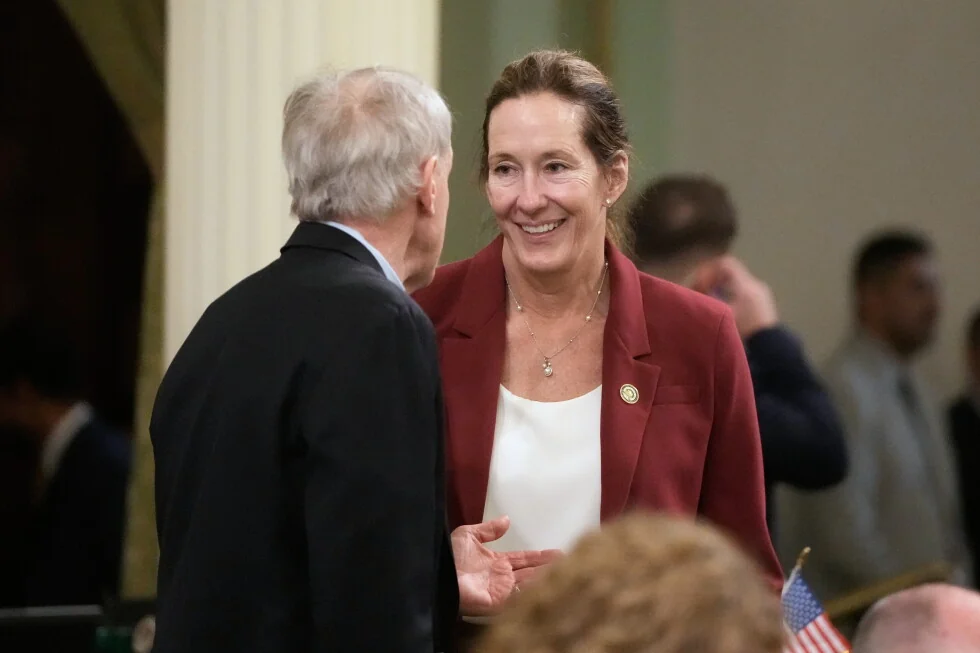
カリフォルニア州議会、ニューサム氏計画の一部を阻止した後、山火事支援法案の採決へ
September 1st, 2026
カリフォルニア州議会、ニューサム氏計画の一部を阻止した後、山火事支援法案の採決へ
🇯🇵 日本語
California lawmakers are expected to vote on Tuesday on a bill to help wildfire victims, after rejecting a bold proposal by Gov. Gavin Newsom that would have limited electric companies' financial liability for fires caused by their equipment.
The Democratic governor acknowledged that the eleventh-hour compromise with lawmakers would speed up payments for wildfire victims, but it does not bring about the broad, fundamental changes needed to settle who should pay for fires caused by utility equipment.
His proposal, which failed to gain sufficient support in the Legislature's final days, would have reduced the amount utilities had to pay some victims and barred insurance companies from suing electrical companies to recover damages paid to homeowners.
Newsom acknowledged that the bill had achieved some headway in addressing the contentious, high-stakes issue.
“I could have readily distanced myself from it,” he informed reporters at the Capitol on Monday.
“Yet doing so would have been a profound disservice to you and the citizens of this state.”
Newsom's failure to get his full plan passed marked a rare loss for the governor, who has often found support for his policy wishes in the Democratic-led Legislature.
This comes as he wraps his final session before leaving office in January.
Fire victims strongly criticized his proposal, staging protests outside the governor's mansion in Sacramento last week.
They argued that Newsom's plan would have favored utility companies over victims, while insurers said that shifting more of the damage costs onto them would have forced them to raise rates for policyholders.
Joy Chen, executive director of Every Fire Survivor’s Network, an organization representing victims of the 2025 Los Angeles-area fires, characterized the agreement as a significant victory for their cause.
“Survivors from across California converged on Sacramento, urging our elected representatives to stand in solidarity with those whose homes, communities, and lives have been shattered,” she stated.
“They heeded the call.”
Newsom hoped his plan would help stabilize the state's notoriously high electricity rates by protecting utilities from the full financial impact of wildfires.
Utilities have raised rates to pay for wildfire prevention and recovery as climate change has made the blazes more intense and frequent.
Under California law, utilities are required to pay damages for fires caused by their equipment, even if a judge does not find them negligent.
The question of who should bear the costs of utility-triggered fires has persisted throughout Newsom's tenure, which began after the most destructive wildfire in state history.
In 2019, his first year in office, he signed a law creating a $21 billion fund, financed by utility shareholders and ratepayers, to help utilities pay for wildfire damages if they adopt certain safety measures.
Last year, he and lawmakers agreed to supplement this fund with an additional $18 billion.
Newsom unveiled his latest proposal as Southern California Edison confronts claims stemming from the state’s second-most destructive blaze, a 2025 fire that claimed 19 lives outside of Los Angeles.
The legislation lawmakers are set to vote on would create a program to speed up compensation for fire victims, stop hedge funds from making money off wildfire claims, and prevent utility executives from getting bonuses if their company's equipment caused a fire that damaged or destroyed more than 500 buildings.
The California Catastrophe Response Council, which oversees the wildfire fund, would designate an administrator tasked with establishing a procedure to expedite the resolution of survivor claims.
The American Property Casualty Insurance Association stated that the agreement "protects Californians and preserves the affordability and availability of insurance."
"This outcome keeps costs with those responsible for wildfires and helps protect the progress California is making in stabilizing its insurance market," the trade association wrote.
Pacific Gas & Electric, which sought bankruptcy protection in 2019 after facing claims from a devastating Northern California wildfire started by its equipment, and Edison International, the parent company of Southern California Edison, expressed disappointment with the deal.
In a letter to lawmakers, they argued that the bill would fail to stabilize rates for Californians and would not offer "durable, long-term solutions" for compensating victims, sustaining the state's wildfire fund, or managing utilities' financial risk.
Assemblymember Rick Zbur, a Democrat, described the failure of lawmakers to reach a consensus on more sweeping reforms as a “disaster.”
“We’re merely scratching the surface, and we’re failing to address the underlying structural problems,” he remarked during the committee hearing on the bill.
Katelyn Roedner Sutter of the Environmental Defense Fund was equally unimpressed by the proposal, arguing that it failed to sufficiently reduce wildfire risks and stabilize electricity and insurance costs.
"The most favorable assessment I can offer of this bill is that it is adequate," she remarked following the hearing.
The Legislature typically has until Aug. 31 to pass bills at the end of a two-year session, but lawmakers and Newsom couldn’t agree to a deal in time to vote Monday.
They circumvented the end-of-session deadline by adding what’s known as an urgency clause to the bill.
That means it needs approval from two-thirds of the Legislature and will take effect immediately after it’s signed into law.
Lawmakers also passed a bill on Monday that would set the nation's first standards for testing and cleaning up lead, asbestos, and other toxic contaminants inside homes after a wildfire.
Assemblymember John Harabedian, a Democrat who authored the legislation, said it was inspired by the deadly 2025 Eaton Fire that swept through Altadena, the district he represents.
He stressed that lawmakers need to "figure out very quickly how to protect wildfire survivors and rebuild communities," and the bill is one way to achieve that.
September 1st, 2026
Trending Articles
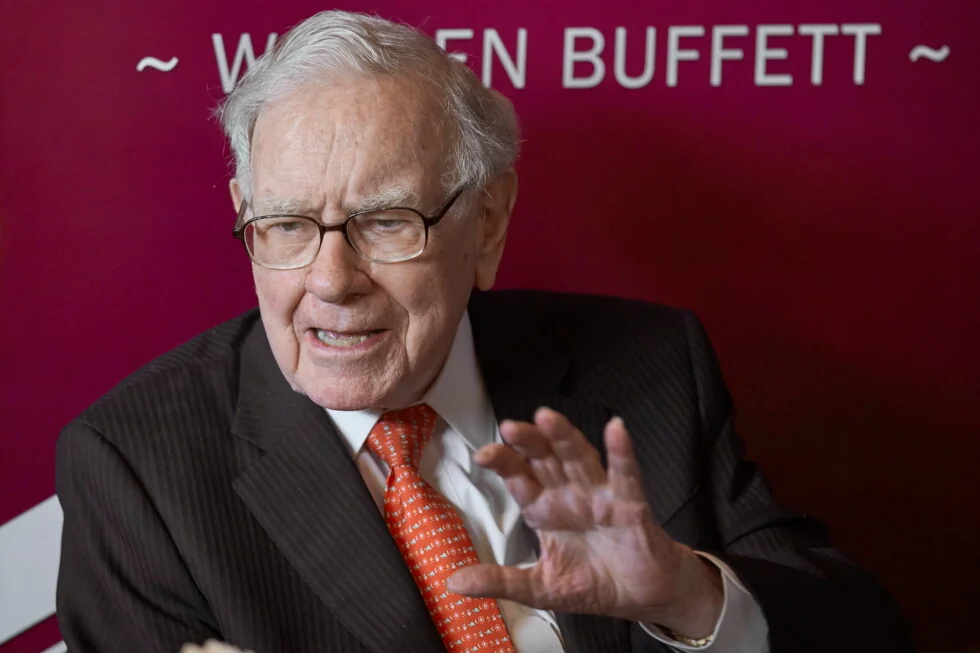
ウォーレン・バフェットがバークシャー・ハサウェイの会長職を退き、後継者計画を前進させる
Warren Buffett relinquishes chairman role at Berkshire Hathaway, advancing his succession plan
ウォーレン・バフェットがバークシャー・ハサウェイの会長職を退き、後継者計画を前進させる
Warren Buffett relinquishes chairman role at Berkshire Hathaway, advancing his succession plan
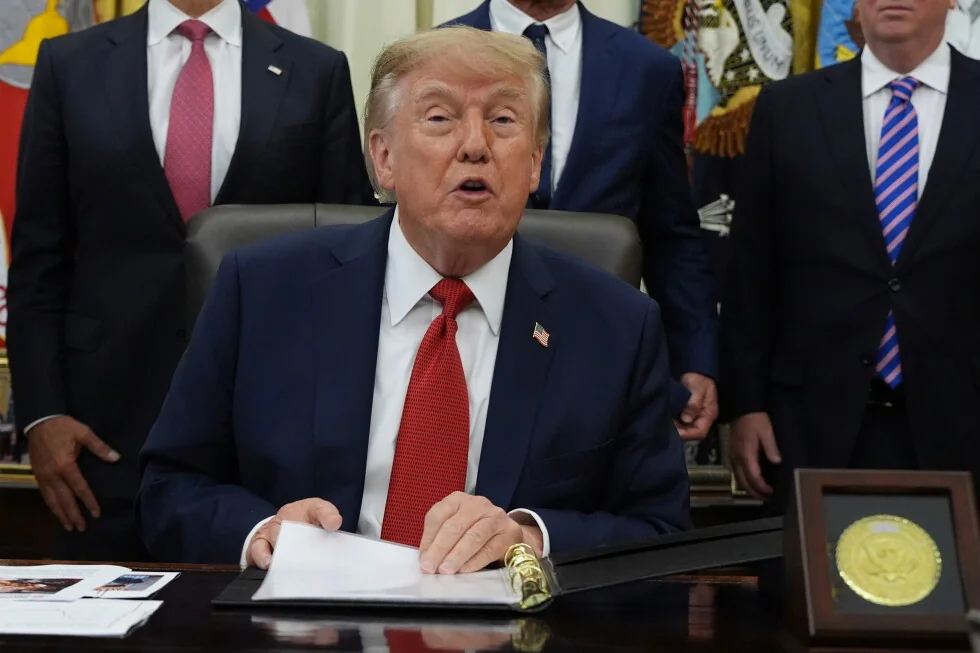
トランプはさらに多くの報道機関を標的にし、CNN、MS NOW、ポリティコをホワイトハウスから締め出すと述べた
Trump targets more news outlets, saying he will ban CNN, MS NOW and Politico from the White House
トランプはさらに多くの報道機関を標的にし、CNN、MS NOW、ポリティコをホワイトハウスから締め出すと述べた
Trump targets more news outlets, saying he will ban CNN, MS NOW and Politico from the White House
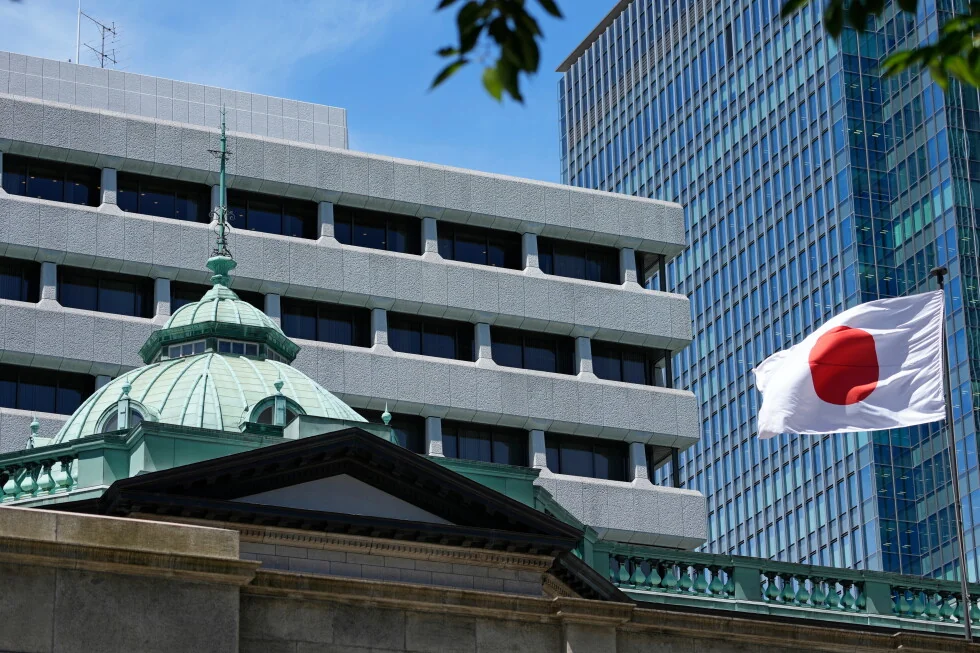
日本銀行、主要金利を1.25%に引き上げ、31年ぶりの高水準
Bank of Japan lifts key rate to 1.25%, a 31-year high
日本銀行、主要金利を1.25%に引き上げ、31年ぶりの高水準
Bank of Japan lifts key rate to 1.25%, a 31-year high

Anthropicは、自社のモデルClaudeが自らの後継モデルの構築を支援していると述べている。
Anthropic says its model Claude is helping to build its own successor
Anthropicは、自社のモデルClaudeが自らの後継モデルの構築を支援していると述べている。
Anthropic says its model Claude is helping to build its own successor
連邦準備制度が今利上げに踏み切る理由、そしてそれが何を意味するのか
Why the Federal Reserve is raising rates now, and what it signifies
連邦準備制度が今利上げに踏み切る理由、そしてそれが何を意味するのか
Why the Federal Reserve is raising rates now, and what it signifies
米国株は原油価格と債券利回りの低下を受けて6週間ぶりの高値に急騰
US stocks surge to six-week high as oil prices and bond yields decline
米国株は原油価格と債券利回りの低下を受けて6週間ぶりの高値に急騰
US stocks surge to six-week high as oil prices and bond yields decline
FRBが3年ぶりに主要金利を引き上げ、利下げを求めるトランプの呼びかけに逆らう
Fed hikes key rate for 1st time in 3 years, defying Trump's calls for a cut
FRBが3年ぶりに主要金利を引き上げ、利下げを求めるトランプの呼びかけに逆らう
Fed hikes key rate for 1st time in 3 years, defying Trump's calls for a cut
失業保険申請件数は19万6千件に減少、7月中旬以来の低水準、解雇は依然として低調
Unemployment Claims Fall to 196,000, Lowest Since Mid-July Amid Persistent Low Layoffs
失業保険申請件数は19万6千件に減少、7月中旬以来の低水準、解雇は依然として低調
Unemployment Claims Fall to 196,000, Lowest Since Mid-July Amid Persistent Low Layoffs

トランプ、AIのリスクを「でっち上げ」と非難し、AIとデータセンターに対する「病的な陰謀」を主張
Trump denounces AI risks as a ‘hoax,’ alleging a ‘SICK conspiracy’ against AI and data centers
トランプ、AIのリスクを「でっち上げ」と非難し、AIとデータセンターに対する「病的な陰謀」を主張
Trump denounces AI risks as a ‘hoax,’ alleging a ‘SICK conspiracy’ against AI and data centers
最高裁判所、メイン州のロブスター漁師によるGPS船舶追跡装置要件への異議申し立てを審理へ
Supreme Court to decide on Maine lobsterman’s challenge to GPS boat tracker requirement
最高裁判所、メイン州のロブスター漁師によるGPS船舶追跡装置要件への異議申し立てを審理へ
Supreme Court to decide on Maine lobsterman’s challenge to GPS boat tracker requirement