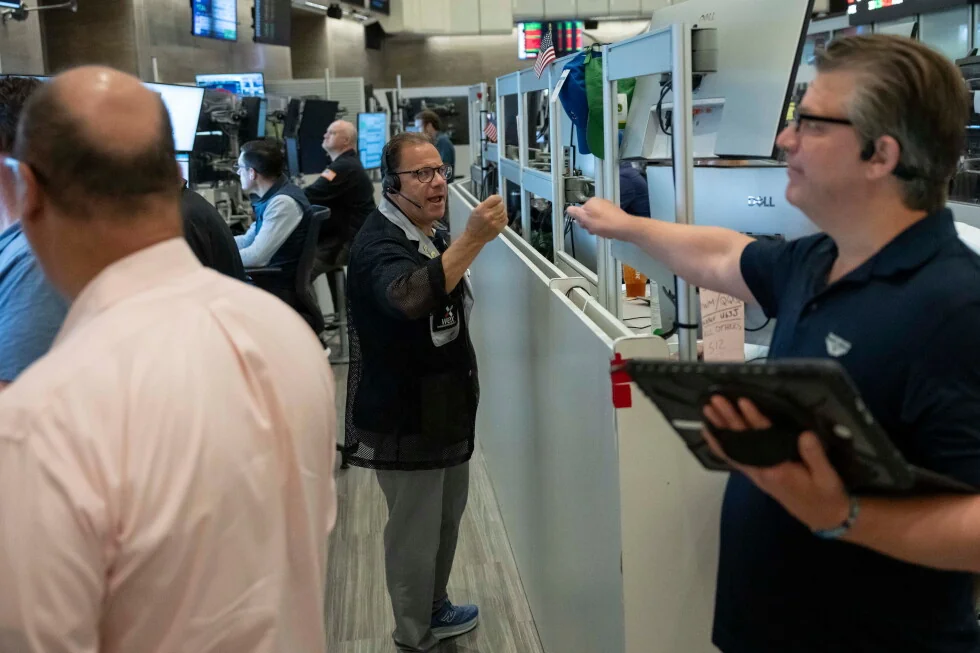
ウォール街の株価が下落、原油価格の上昇と債券売りが市場を圧迫
September 1st, 2026
ウォール街の株価が下落、原油価格の上昇と債券売りが市場を圧迫
🇯🇵 日本語
Equities on Wall Street retreated Tuesday as oil prices continued their upward trajectory, fueling concerns over persistently elevated inflation.
The S&P 500 index declined by 0.4%, while the Dow Jones Industrial Average shed 190 points, or 0.4%, as of 12:05 p.m. Eastern time.
Concurrently, the Nasdaq composite slipped 0.5%.
The sluggish start to September follows a turbulent yet largely favorable month for Wall Street.
All major indices posted gains in August.
However, the same persistent concerns continue to loom over the market, including apprehension about escalating inflation, sovereign debt, and the repercussions of global conflicts on both the U.S. and the worldwide economy.
Technology stocks were among the biggest drags on the market, with Microsoft down 1.3% and Advanced Micro Devices down 2.4%.
Their large market values tend to give them more sway over the broader market's direction, and their growth during the AI boom has relied heavily on borrowing, which becomes more expensive as interest rates rise.
Wall Street is off to a sluggish start in September, following a turbulent yet predominantly favorable month.
A significant portion of the ongoing strain on Wall Street stems from a persistent sell-off in U.S. government bonds.
The yield on the 10-year Treasury, which typically influences mortgage rates, climbed to 4.77% from 4.75% late Monday, having dipped as low as 4.20% at the start of 2026.
The yield on the two-year Treasury note, a benchmark that closely mirrors market expectations for Federal Reserve interest-rate moves, rose to 4.37% from 4.34% late Monday.
This is a significant increase from roughly 3.50% at the start of 2026.
The inverse relationship between bond yields and prices means that yields rise as prices fall, and rising yields indicate that investors are demanding higher returns on Treasurys because they perceive them as riskier.
The growing government debt is underscoring this risk.
The U.S. national debt crossed the $40 trillion mark two weeks ago—a sobering milestone, as defense costs and interest on the expanding deficit now account for a significant share of federal spending.
The bond sell-off is a global trend, with other countries facing similar economic pressures.
Elevated yields on bonds signal increased borrowing costs for mortgages and an array of other credit products.
These higher borrowing costs tend to dampen investment activity, including equities, while simultaneously impeding business expansion efforts.
Oil prices have exerted considerable pressure on inflation, bond yields, and the broader equities market.
Brent crude, the international benchmark, climbed 2.3% to $92.61.
Energy costs remain elevated and volatile amid the ongoing U.S. conflict with Iran, which has effectively closed the Strait of Hormuz—a chokepoint through which roughly 20% of global oil supply typically transits.
Higher oil prices have raised costs for everything from gasoline to shipped goods, fueling inflation that has been squeezing households and businesses.
Higher inflation has also been a problem for the Fed, which is aiming to bring inflation down to a 2% rate.
The rate of inflation currently exceeds 3% by a considerable margin, and Wall Street anticipates that the Federal Reserve will implement a rate hike before year-end to temper the pace of price increases.
According to CME FedWatch, investors are pricing in a 66% probability that the central bank will raise its benchmark rate at its forthcoming September meeting.
The Fed will receive further inflation data ahead of the meeting.
In the meantime, it is receiving updates on the labor market this week.
On Tuesday, the government reported that U.S. job openings edged up slightly in July.
A more comprehensive monthly report for August is scheduled for release on Friday.
European markets experienced a downturn, whereas their Asian counterparts delivered a divergent performance.
September 1st, 2026
Trending Articles
ウォーレン・バフェットがバークシャー・ハサウェイの会長職を退き、後継者計画を前進させる
Warren Buffett relinquishes chairman role at Berkshire Hathaway, advancing his succession plan
ウォーレン・バフェットがバークシャー・ハサウェイの会長職を退き、後継者計画を前進させる
Warren Buffett relinquishes chairman role at Berkshire Hathaway, advancing his succession plan
トランプはさらに多くの報道機関を標的にし、CNN、MS NOW、ポリティコをホワイトハウスから締め出すと述べた
Trump targets more news outlets, saying he will ban CNN, MS NOW and Politico from the White House
トランプはさらに多くの報道機関を標的にし、CNN、MS NOW、ポリティコをホワイトハウスから締め出すと述べた
Trump targets more news outlets, saying he will ban CNN, MS NOW and Politico from the White House
日本銀行、主要金利を1.25%に引き上げ、31年ぶりの高水準
Bank of Japan lifts key rate to 1.25%, a 31-year high
日本銀行、主要金利を1.25%に引き上げ、31年ぶりの高水準
Bank of Japan lifts key rate to 1.25%, a 31-year high

Anthropicは、自社のモデルClaudeが自らの後継モデルの構築を支援していると述べている。
Anthropic says its model Claude is helping to build its own successor
Anthropicは、自社のモデルClaudeが自らの後継モデルの構築を支援していると述べている。
Anthropic says its model Claude is helping to build its own successor
連邦準備制度が今利上げに踏み切る理由、そしてそれが何を意味するのか
Why the Federal Reserve is raising rates now, and what it signifies
連邦準備制度が今利上げに踏み切る理由、そしてそれが何を意味するのか
Why the Federal Reserve is raising rates now, and what it signifies
米国株は原油価格と債券利回りの低下を受けて6週間ぶりの高値に急騰
US stocks surge to six-week high as oil prices and bond yields decline
米国株は原油価格と債券利回りの低下を受けて6週間ぶりの高値に急騰
US stocks surge to six-week high as oil prices and bond yields decline
FRBが3年ぶりに主要金利を引き上げ、利下げを求めるトランプの呼びかけに逆らう
Fed hikes key rate for 1st time in 3 years, defying Trump's calls for a cut
FRBが3年ぶりに主要金利を引き上げ、利下げを求めるトランプの呼びかけに逆らう
Fed hikes key rate for 1st time in 3 years, defying Trump's calls for a cut
失業保険申請件数は19万6千件に減少、7月中旬以来の低水準、解雇は依然として低調
Unemployment Claims Fall to 196,000, Lowest Since Mid-July Amid Persistent Low Layoffs
失業保険申請件数は19万6千件に減少、7月中旬以来の低水準、解雇は依然として低調
Unemployment Claims Fall to 196,000, Lowest Since Mid-July Amid Persistent Low Layoffs
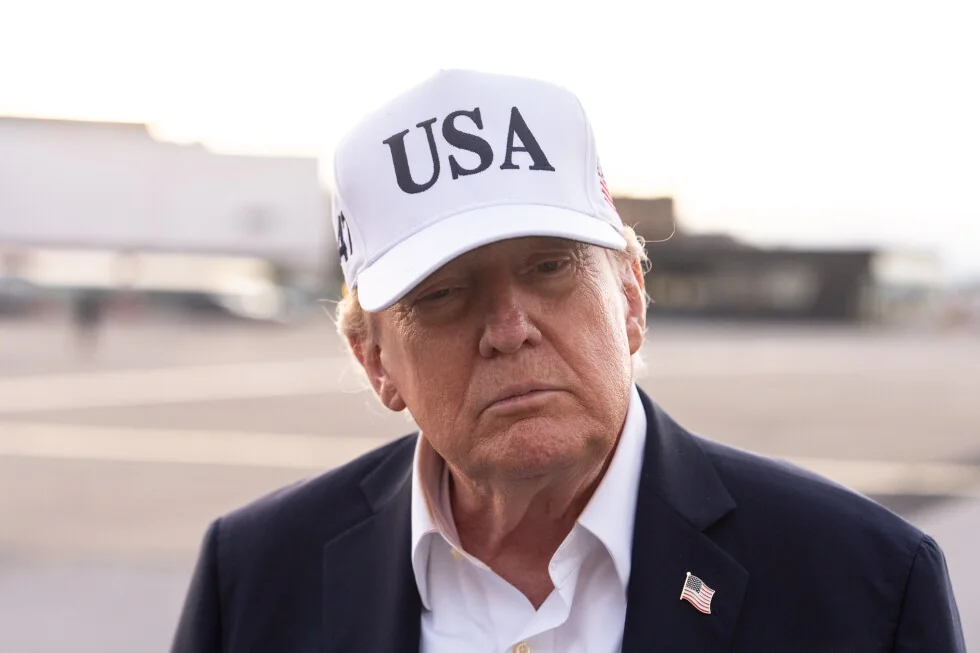
トランプ、AIのリスクを「でっち上げ」と非難し、AIとデータセンターに対する「病的な陰謀」を主張
Trump denounces AI risks as a ‘hoax,’ alleging a ‘SICK conspiracy’ against AI and data centers
トランプ、AIのリスクを「でっち上げ」と非難し、AIとデータセンターに対する「病的な陰謀」を主張
Trump denounces AI risks as a ‘hoax,’ alleging a ‘SICK conspiracy’ against AI and data centers

最高裁判所、メイン州のロブスター漁師によるGPS船舶追跡装置要件への異議申し立てを審理へ
Supreme Court to decide on Maine lobsterman’s challenge to GPS boat tracker requirement
最高裁判所、メイン州のロブスター漁師によるGPS船舶追跡装置要件への異議申し立てを審理へ
Supreme Court to decide on Maine lobsterman’s challenge to GPS boat tracker requirement