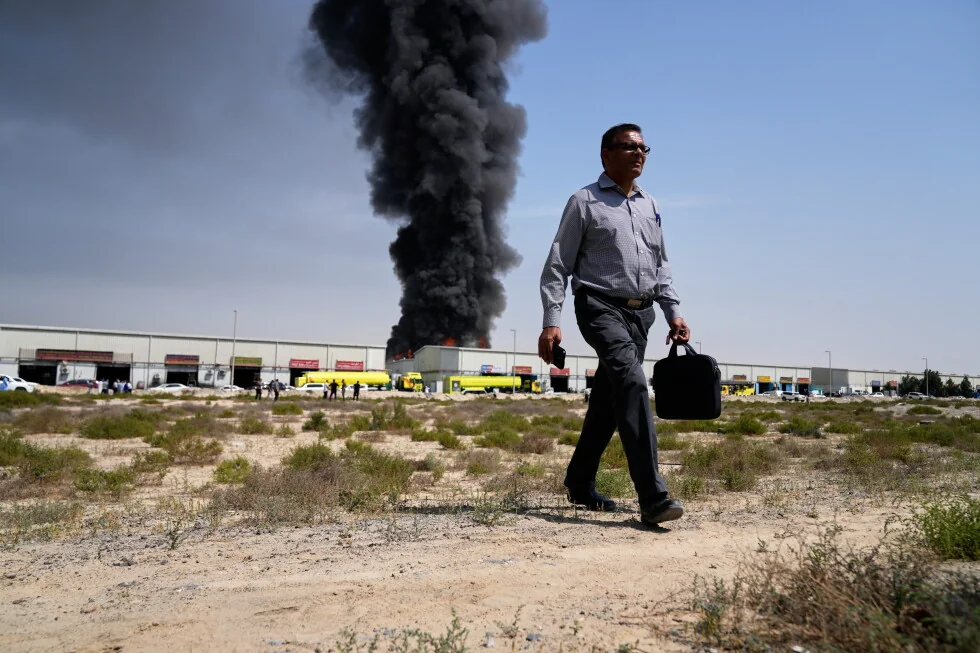
イランは、関係断絶を拒否する国々への制裁を米国が示唆する中、貿易を維持するために奔走している。
August 27th, 2026
イランは、関係断絶を拒否する国々への制裁を米国が示唆する中、貿易を維持するために奔走している。
🇯🇵 日本語
Iran's economy, already burdened by high inflation, years of Western sanctions, and a war that has drastically cut oil revenue, is poised for further instability as the Trump administration tries to pressure other countries into halting all financial dealings with the Islamic Republic.
The United Arab Emirates' decision last week to suspend trade with Iran triggered the White House's latest bid to force Tehran into submission.
Iran entered the war with its foreign trade concentrated among a relatively small set of countries, leaving it with fewer alternatives.
The success of the U.S. strategy will largely hinge on China, the main buyer of Iranian oil and its top trading partner.
Russia, itself a target of sweeping U.S.-led sanctions, is grappling with its own military conflict and economic crisis and likely cannot offer longtime ally Iran much substantial financial support.
Regional partners such as Turkey, Pakistan, and Iraq maintain strong ties with both Iran and the U.S., which gives them a clear incentive to avoid the secondary sanctions that Treasury Secretary Scott Bessent said would apply to nations failing to cut economic links with Iran.
"Those who align themselves with the United States will reap the benefits of our partnership," Bessent said on Monday while outlining the plan he called "Operation Economic Outcast."
"Those who tie themselves to the Iranian regime should expect to share in its isolation."
Despite Western sanctions, Iran conducted $125 billion in global trade in 2024, as reported by Trade Data Monitor, a private firm.
Iran remains outside the World Trade Organization's membership.
The bulk of its declared international trade, however, was concentrated among a select few partners.
The UAE, China and Turkey supplied nearly three-quarters of Iran’s merchandise imports.
Four countries — China, Iraq, the UAE and Turkey — accounted for more than two-thirds of its non-oil exports.
On the supply side, the UAE carried outsized significance.
It served as Iran’s principal source of imported goods and a conduit to financial networks that enabled Iranian enterprises to execute and receive international transactions.
Both functions sustained Iran’s integration into the global economy.
As a pivotal re-export hub, the UAE facilitated the transit of consignments originating from foreign suppliers who were disinclined to engage directly with Iranian clientele.
From Iran's perspective, the UAE can be replaced, but the Iranians openly admit that this will not happen overnight, said Alex Vatanka, a senior fellow at the Middle East Institute in Washington.
Beijing's economic interests in the Persian Gulf extend well beyond Iran, and it has so far avoided being pulled into the conflict initiated by the U.S. and Israel.
China purchases the vast majority of Iran's crude oil through opaque trading networks that bypass sanctions.
Its manufacturing dominance and firm control over critical mineral supplies nonetheless give Beijing more room than Iran's other partners to resist U.S. pressure, said David Lubin, a senior research fellow at Chatham House.
Aggressive action against major Chinese banks and businesses could revive trade tensions as Chinese leader Xi Jinping prepares to meet with President Donald Trump in Washington next month.
"I don't foresee China cooperating in any way," Lubin remarked.
According to WTO and U.N. data, China constitutes both Iran’s largest reported export market and a key supplier of essential components and goods.
During the Obama administration, Beijing did agree to reduce energy imports from Iran, said Daniel Fried, a fellow at the Atlantic Council and former U.S. ambassador to Poland.
“We will expect the Chinese to go considerably further than they have in the past,” Fried remarked.
“Yet the challenge is far greater now.”
China has shown it can help an ally withstand sanctions: it has long been North Korea's economic lifeline and main diplomatic backer.
Experts say China has avoided fully enforcing U.N. sanctions on North Korea and has sent covert aid to help its impoverished neighbor stay afloat.
Iranian Parliament Speaker Mohammad Bagher Qalibaf, who has served as his country’s lead negotiator over the past six months, was in Iraq on the day the UAE suspended trade.
He stated that one purpose of his visit was “speeding up efforts to expand joint cooperation among all countries in the region, without foreign interference.”
The U.S. dollar’s preeminence in international trade and finance, however, means none of Iran’s trading partners would antagonize Washington lightly, Vatanka said.
“We’re still at a point where if the U.S. wants to hurt you, it will matter,” he said.
Highlighting the gravity of the situation, Turkey resolved a protracted dispute with the United States in July concerning the role of a state-owned bank in facilitating Iran's evasion of sanctions via an oil-for-gold arrangement.
Concurrently, Trump moved to lift sanctions against the fellow NATO member, which had been imposed in response to Turkey's acquisition of an advanced Russian missile system.
“Turkey would hardly relish becoming the next country to assist Iran in circumventing sanctions at this juncture,” remarked Riccardo Gasco, an analyst at the IstanPol think tank in Istanbul.
Iran constitutes a vital import source for Iraq and wields considerable influence there through allied political factions and armed groups.
Baghdad has pursued closer economic and security ties with Washington.
Since its invasion of Iraq in 2003, the United States has exercised substantial control over the nation's foreign currency reserves, given that they are held at the Federal Reserve Bank in New York.
Oman, a longstanding intermediary between Washington and Tehran, now finds its diplomatic balancing act precariously strained.
Last week, Trump issued a threat against Oman concerning its ongoing negotiations with Iran over the future governance of the Strait of Hormuz.
One straightforward route for goods to evade sanctions on Iran would be ports such as Gwadar near the Persian Gulf in Pakistan, according to Peter Harrell, a visiting scholar at Georgetown University.
“Transport an intermodal container of drone components to a port in western Pakistan, transfer it onto a truck, and have it conveyed across the border into Iran,” he stated.
While Pakistan, a key ally and economic partner of China in the region, seeks to expand trade with Iran, it must navigate competing pressures.
It is acting as a crucial intermediary between Tehran and Washington while maintaining deep security ties with Saudi Arabia, Iran’s longstanding regional adversary.
With the Strait of Hormuz largely blocked and Russia's war with Ukraine threatening ships in the Black Sea, Iran has sought to create a "road of life" on the Caspian Sea, according to Nikita Smagin, an independent analyst and former correspondent for Russia's state news agency in Tehran.
Russia reportedly supplied drones to Iran this year, reciprocating Tehran's assistance following Moscow's full-scale invasion of Ukraine.
It likewise redirected exports to Iran through Caspian Sea ports, including Astrakhan.
Agricultural commodities constitute 80% of the reported trade between Russia and Iran.
“Both economies are exporting natural resources and have little to offer each other,” Smagin observed.
The other littoral states of the Caspian — Azerbaijan, Turkmenistan and Kazakhstan — are unlikely to hasten to participate, remarked Umud Shokri, a fellow at George Mason University.
Yet Russia and Iran are already entrenched in what Mark Galeotti, executive director of the Mayak Intelligence firm, calls an "axis of the sanctioned."
For decades, the two nations have collaborated to circumvent trade restrictions, and boosting their bilateral trade in both "strategic goods" and contraband—such as military technology, microchips, and Gucci handbags—could be the next step.
"Pomegranates and tomatoes can only carry you so far," he observed.
August 27th, 2026
Trending Articles
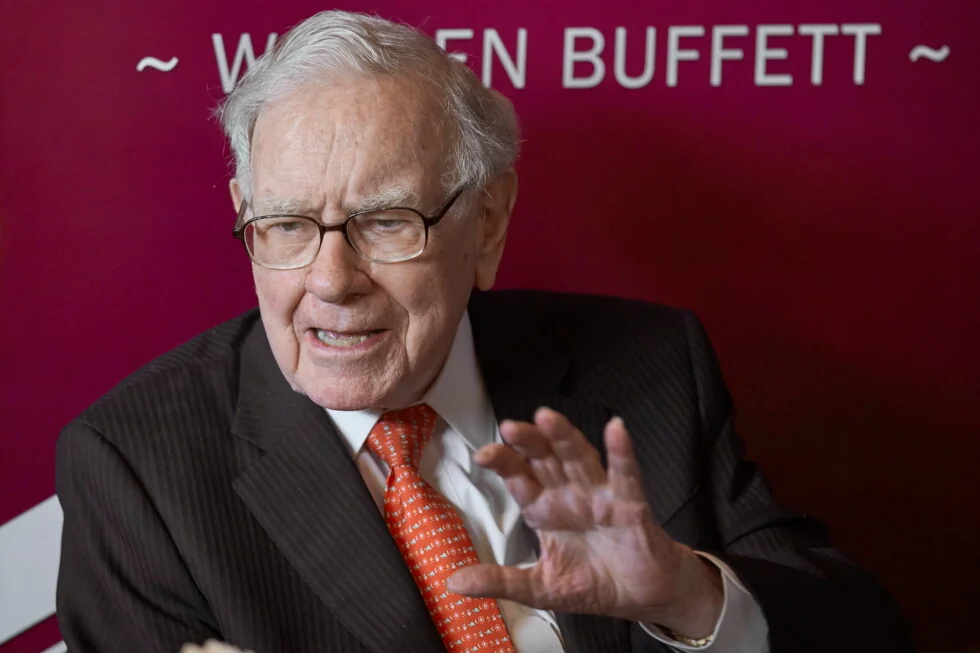
ウォーレン・バフェットがバークシャー・ハサウェイの会長職を退き、後継者計画を前進させる
Warren Buffett relinquishes chairman role at Berkshire Hathaway, advancing his succession plan
ウォーレン・バフェットがバークシャー・ハサウェイの会長職を退き、後継者計画を前進させる
Warren Buffett relinquishes chairman role at Berkshire Hathaway, advancing his succession plan
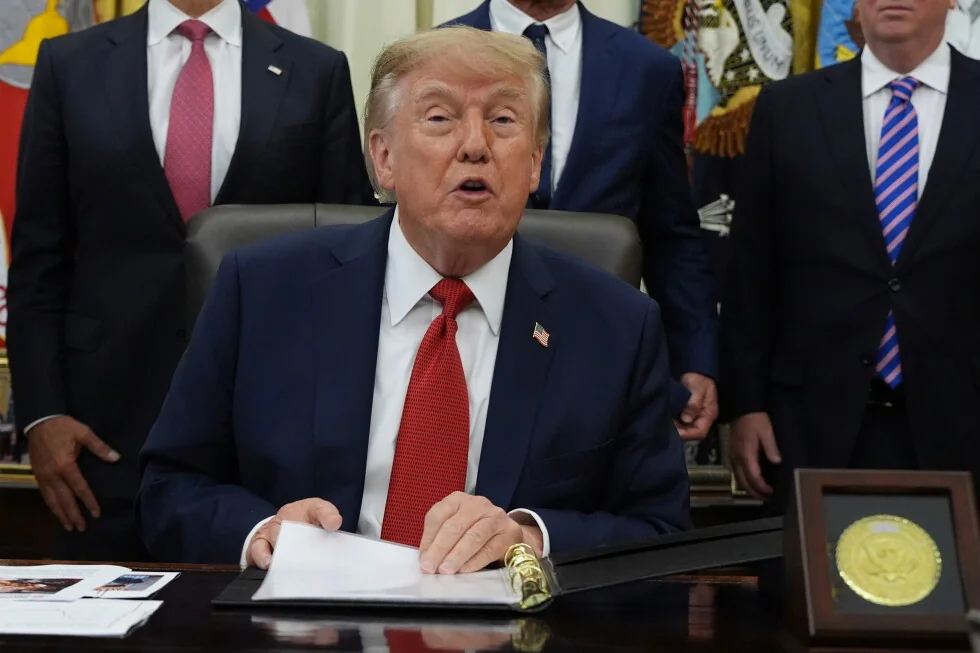
トランプはさらに多くの報道機関を標的にし、CNN、MS NOW、ポリティコをホワイトハウスから締め出すと述べた
Trump targets more news outlets, saying he will ban CNN, MS NOW and Politico from the White House
トランプはさらに多くの報道機関を標的にし、CNN、MS NOW、ポリティコをホワイトハウスから締め出すと述べた
Trump targets more news outlets, saying he will ban CNN, MS NOW and Politico from the White House
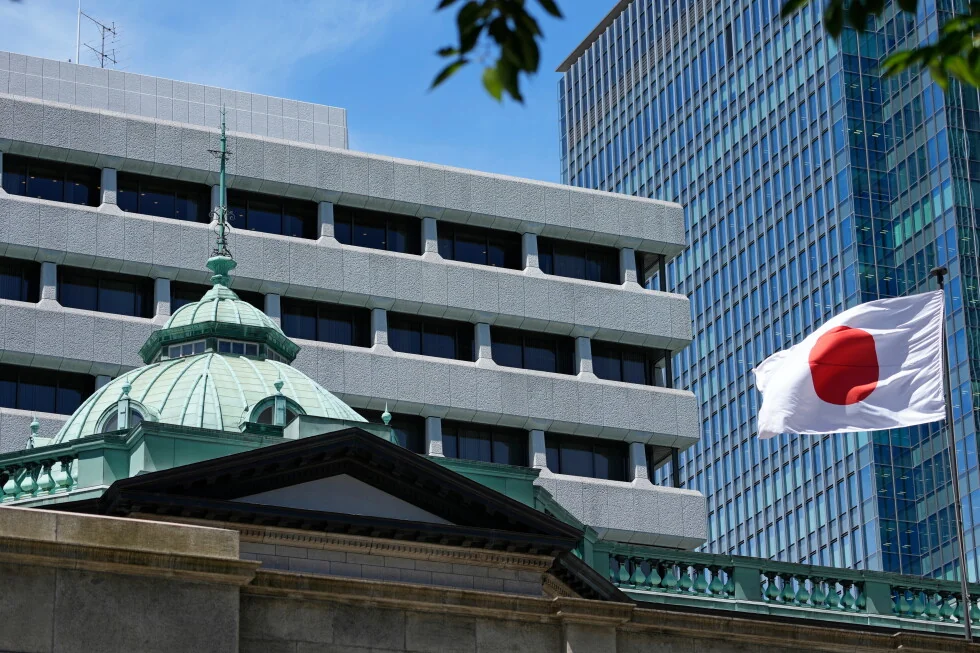
日本銀行、主要金利を1.25%に引き上げ、31年ぶりの高水準
Bank of Japan lifts key rate to 1.25%, a 31-year high
日本銀行、主要金利を1.25%に引き上げ、31年ぶりの高水準
Bank of Japan lifts key rate to 1.25%, a 31-year high

Anthropicは、自社のモデルClaudeが自らの後継モデルの構築を支援していると述べている。
Anthropic says its model Claude is helping to build its own successor
Anthropicは、自社のモデルClaudeが自らの後継モデルの構築を支援していると述べている。
Anthropic says its model Claude is helping to build its own successor
連邦準備制度が今利上げに踏み切る理由、そしてそれが何を意味するのか
Why the Federal Reserve is raising rates now, and what it signifies
連邦準備制度が今利上げに踏み切る理由、そしてそれが何を意味するのか
Why the Federal Reserve is raising rates now, and what it signifies
米国株は原油価格と債券利回りの低下を受けて6週間ぶりの高値に急騰
US stocks surge to six-week high as oil prices and bond yields decline
米国株は原油価格と債券利回りの低下を受けて6週間ぶりの高値に急騰
US stocks surge to six-week high as oil prices and bond yields decline
FRBが3年ぶりに主要金利を引き上げ、利下げを求めるトランプの呼びかけに逆らう
Fed hikes key rate for 1st time in 3 years, defying Trump's calls for a cut
FRBが3年ぶりに主要金利を引き上げ、利下げを求めるトランプの呼びかけに逆らう
Fed hikes key rate for 1st time in 3 years, defying Trump's calls for a cut
失業保険申請件数は19万6千件に減少、7月中旬以来の低水準、解雇は依然として低調
Unemployment Claims Fall to 196,000, Lowest Since Mid-July Amid Persistent Low Layoffs
失業保険申請件数は19万6千件に減少、7月中旬以来の低水準、解雇は依然として低調
Unemployment Claims Fall to 196,000, Lowest Since Mid-July Amid Persistent Low Layoffs
トランプ、AIのリスクを「でっち上げ」と非難し、AIとデータセンターに対する「病的な陰謀」を主張
Trump denounces AI risks as a ‘hoax,’ alleging a ‘SICK conspiracy’ against AI and data centers
トランプ、AIのリスクを「でっち上げ」と非難し、AIとデータセンターに対する「病的な陰謀」を主張
Trump denounces AI risks as a ‘hoax,’ alleging a ‘SICK conspiracy’ against AI and data centers
最高裁判所、メイン州のロブスター漁師によるGPS船舶追跡装置要件への異議申し立てを審理へ
Supreme Court to decide on Maine lobsterman’s challenge to GPS boat tracker requirement
最高裁判所、メイン州のロブスター漁師によるGPS船舶追跡装置要件への異議申し立てを審理へ
Supreme Court to decide on Maine lobsterman’s challenge to GPS boat tracker requirement