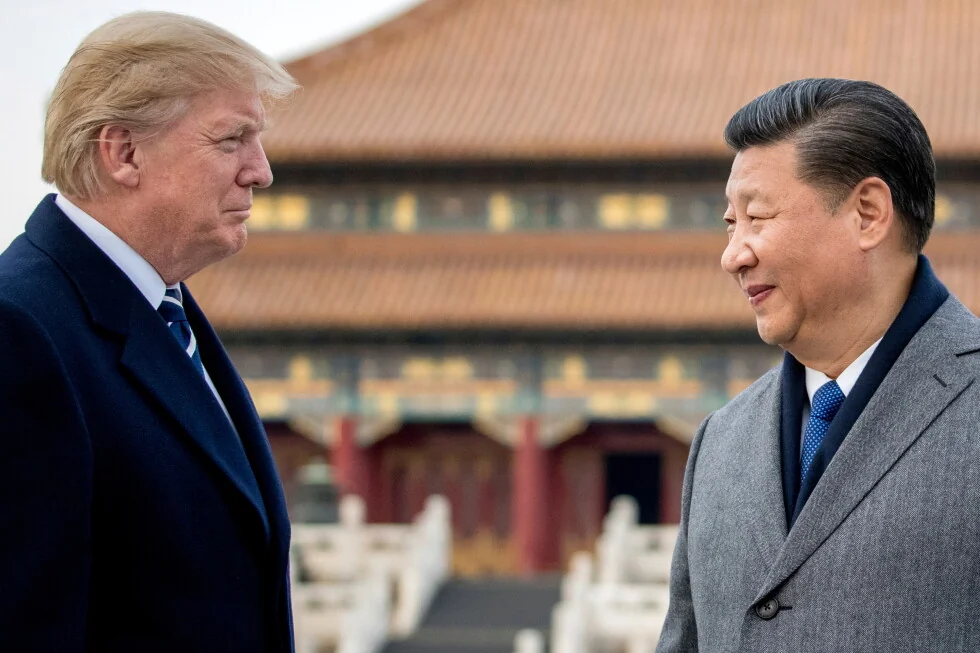
Trump y Xi se reúnen. Hablan de la IA, el comercio e Irán. No están de acuerdo, pero quieren paz.
September 22nd, 2026
Trump y Xi se reúnen. Hablan de la IA, el comercio e Irán. No están de acuerdo, pero quieren paz.
🇪🇸 Español
President Donald Trump is hosting Chinese leader Xi Jinping in Washington this week.
Their countries are in a growing economic and tech fight.
The fight is mainly about artificial intelligence.
Neither side expects a big deal.
But both want to steady their weak ties.
This is their third meeting since Trump returned to the White House.
Sen. Steve Daines is a Montana Republican.
He advises Trump on China.
He said the meeting and the talks matter.
The outcome also matters.
Former Chinese ambassador Cui Tiankai said the two countries always have problems.
Sometimes the problems are very big.
But they will try to keep things stable overall.
Xi's visit is his first to Washington in 10 years.
It comes after last year's intense trade war.
Both sides raised tariffs then.
China also limited critical mineral supplies.
Both sides want stability.
They have deeply competitive reasons.
Evan Medeiros said this.
He works for The Asia Group consultancy.
He described them as two strongmen circling each other.
Da Wei works at Tsinghua University.
He said the countries may enter a "new normal" of overall stability.
He said they need to move fast on deals.
Their governments must be able to carry out these deals.
AI is a key battleground.
Trump has said whoever wins AI wins.
He claimed Monday that the U.S. leads China.
China's security minister is Chen Yixin.
He warned in a rare essay.
He said AI threatens Communist Party rule.
This happens if hostile forces gain superior capabilities.
The U.S. restricts AI chip exports to China.
It accuses Chinese developers of extracting American models at scale.
Beijing says the practice is widely used.
It criticizes U.S. efforts to monopolize the industry.
Still, the two sides are taking a small step on AI.
Treasury Secretary Scott Bessent said the U.S. proposed a "notification mechanism."
This is for AI incidents affecting national security.
Both countries still blacklist individual companies.
They also ban specific products.
The U.S. has targeted Chinese telecom and surveillance equipment.
It also targets firms accused of forced labor in Xinjiang.
It targets advanced robots and drones too.
Beijing responded with export controls on drones.
It blacklisted six U.S. companies over Xinjiang-related measures.
The Supreme Court struck down Trump's tariffs this year.
After that, the administration imposed them in other ways.
The White House set a 12.5% tariff in July.
This tariff is on imports from 60 trading partners.
China is one of them.
It plans an extra 7.5% tariff on China.
Analysts say current tariff levels are acceptable to both sides.
But a significant uptick could renew tensions.
On Iran, Washington is pressing to isolate Tehran.
But Beijing insists on its right to trade with Iran.
Trump paused a large weapons package to Taiwan.
This was after his May trip to Beijing.
Analysts say Xi will likely press him.
Xi wants him to delay arms sales further.
September 22nd, 2026
Trending Articles
Wall Street está cerca de un septiembre ganador tras buenas noticias sobre la inflación.
Wall Street is close to a winning September after good news on inflation
Wall Street está cerca de un septiembre ganador tras buenas noticias sobre la inflación.
Wall Street is close to a winning September after good news on inflation
Trump mostrará 54 mil millones de dólares de Corea del Sur en Alaska. Alaska tiene una gran carrera al Senado.
Trump will show $54 billion from South Korea in Alaska. Alaska has a big Senate race.
Trump mostrará 54 mil millones de dólares de Corea del Sur en Alaska. Alaska tiene una gran carrera al Senado.
Trump will show $54 billion from South Korea in Alaska. Alaska has a big Senate race.
El Senado llega a un acuerdo sobre el proyecto de ley de energía.
Senate makes deal on energy bill
El Senado llega a un acuerdo sobre el proyecto de ley de energía.
Senate makes deal on energy bill
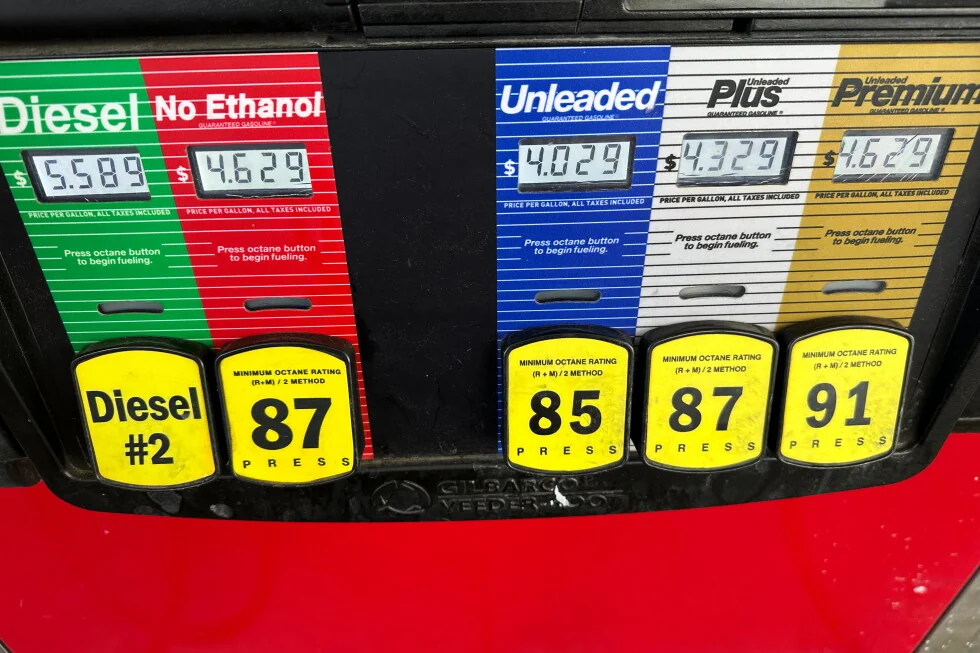
Los precios subieron menos el mes pasado. La gente gastó más.
Prices rose less last month. People spent more.
Los precios subieron menos el mes pasado. La gente gastó más.
Prices rose less last month. People spent more.
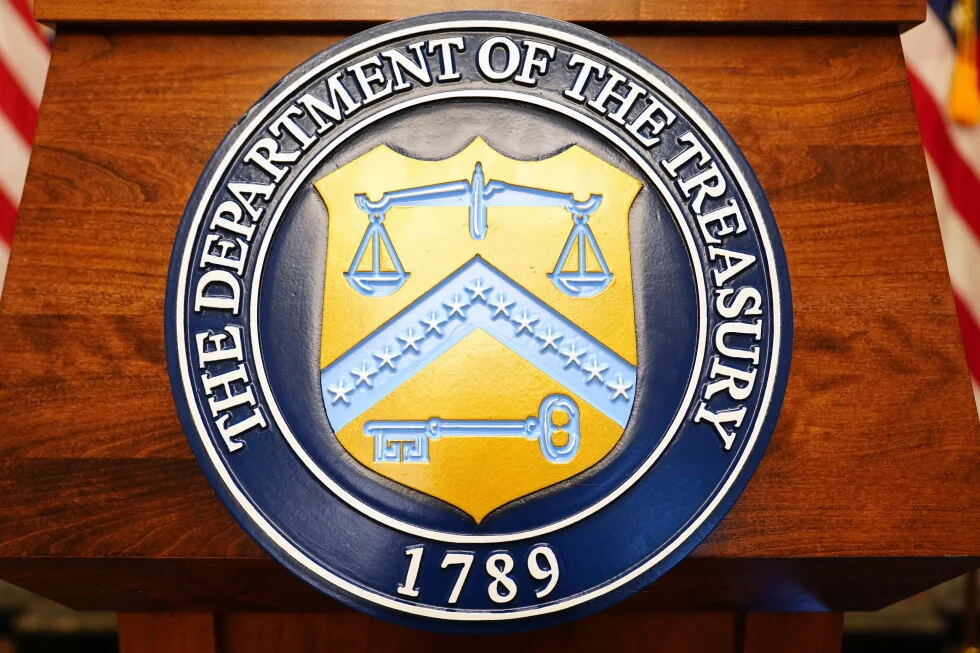
¿Por qué suben los bonos y por qué a todos nos importa?
Why bond yields are rising and why everyone should care
¿Por qué suben los bonos y por qué a todos nos importa?
Why bond yields are rising and why everyone should care
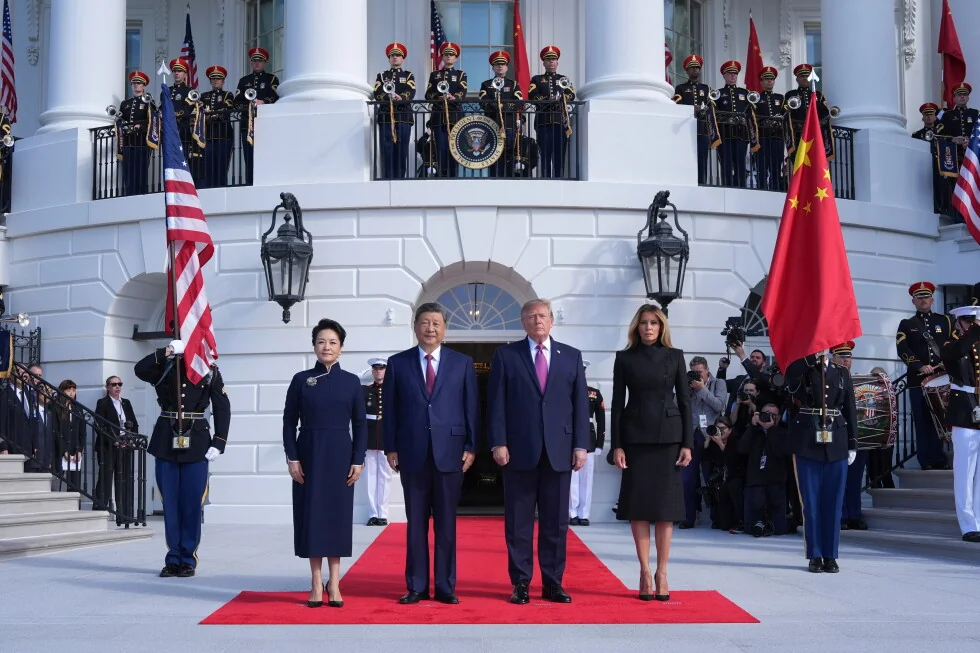
Trump tiene una cena para Xi. Ellos comerán lubina. Muchos líderes tecnológicos vendrán.
Trump has a dinner for Xi. They will eat sea bass. Many tech leaders will come.
Trump tiene una cena para Xi. Ellos comerán lubina. Muchos líderes tecnológicos vendrán.
Trump has a dinner for Xi. They will eat sea bass. Many tech leaders will come.

KFC abre un restaurante en Texas para probar nuevas ideas de pollo.
KFC opens a Texas restaurant to test new chicken ideas
KFC abre un restaurante en Texas para probar nuevas ideas de pollo.
KFC opens a Texas restaurant to test new chicken ideas
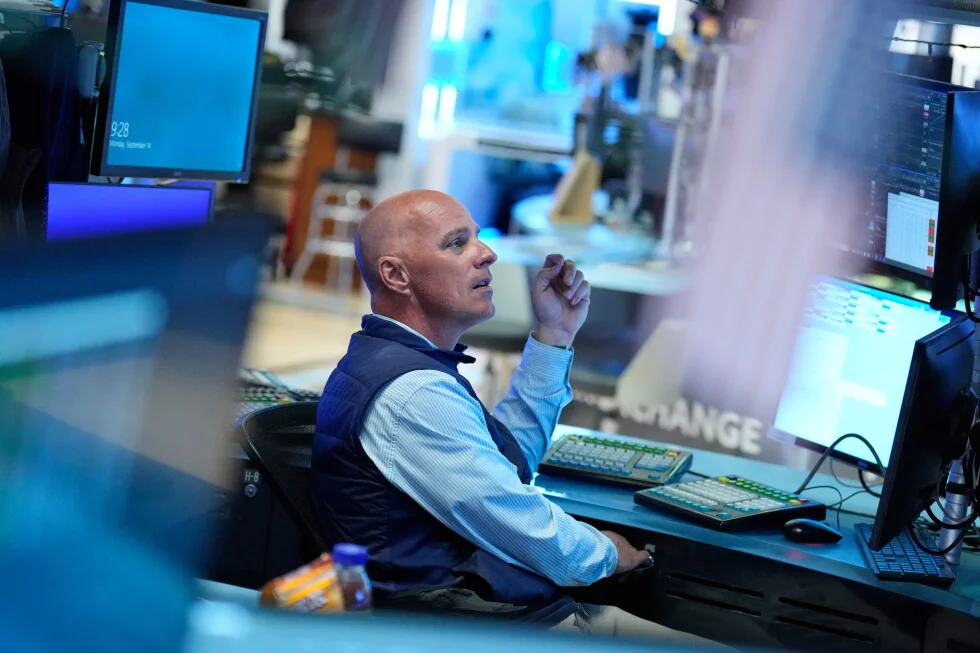
Los precios del petróleo y los bonos se mueven mucho, las acciones de EE. UU. siguen cerca del inicio
Oil prices and bonds move a lot, US stocks stay near start
Los precios del petróleo y los bonos se mueven mucho, las acciones de EE. UU. siguen cerca del inicio
Oil prices and bonds move a lot, US stocks stay near start
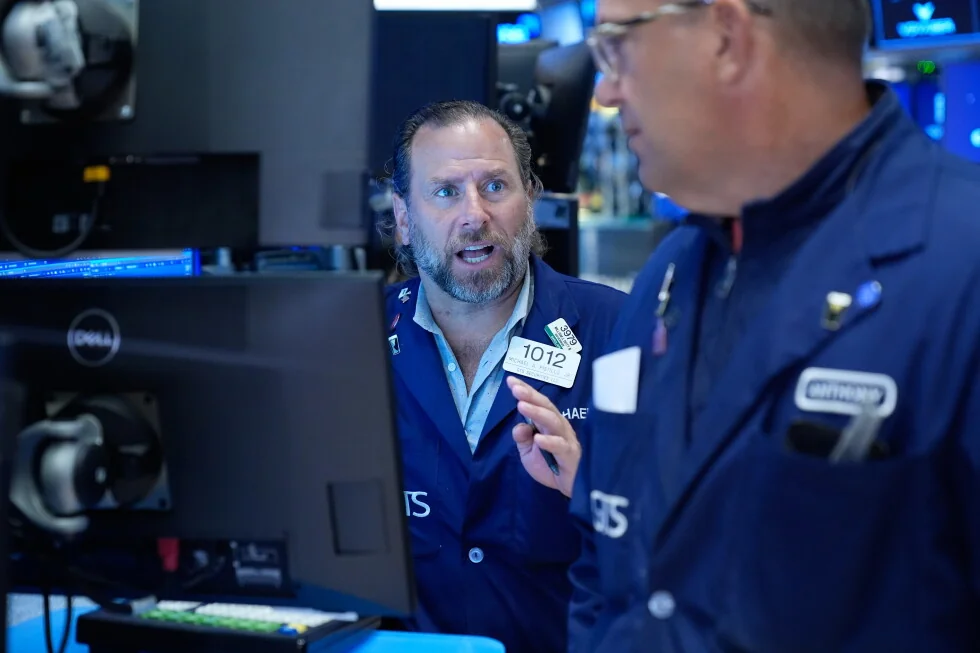
Wall Street está cerca de su récord. El petróleo está por debajo de $98.
Wall Street is near its record. Oil is below $98.
Wall Street está cerca de su récord. El petróleo está por debajo de $98.
Wall Street is near its record. Oil is below $98.