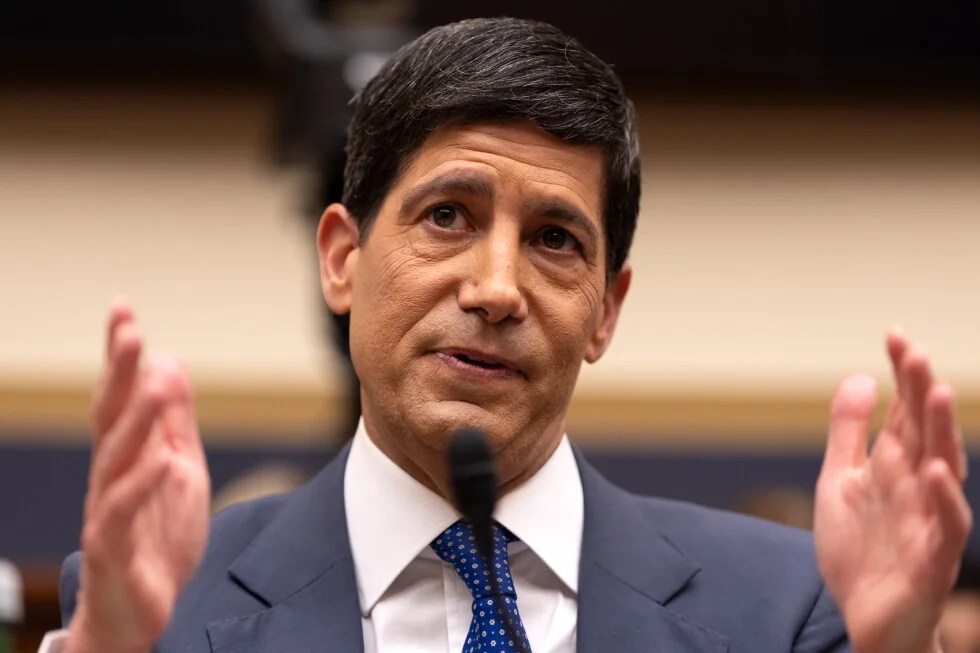
Le président de la Réserve fédérale, Warsh, esquive avec habileté les interrogations du Sénat concernant l'inflation, l'intelligence artificielle et les communications avec Trump.
July 16th, 2026
Le président de la Réserve fédérale, Warsh, esquive avec habileté les interrogations du Sénat concernant l'inflation, l'intelligence artificielle et les communications avec Trump.
🇫🇷 Français
Federal Reserve Chair Kevin Warsh deftly navigated a series of intractable inquiries posed by senators on Wednesday, addressing subjects as disparate as the ramifications of artificial intelligence on inflation, the nature of his communications with President Donald Trump, and the methodology by which the central bank intends to ascertain the persistence of inflationary pressures, all while offering conspicuously few specifics.
Since assuming office seven weeks ago, Warsh has consistently indicated that he would offer less prescriptive guidance regarding the Federal Reserve’s forthcoming interest rate adjustments than his predecessors.
Nevertheless, he has exasperated numerous Fed-watchers by largely eschewing any elucidation of how the central bank might, in a more general sense, respond to prospective economic fluctuations.
“I do not regard a singular adjustment in prices as inherently inflationary, given that a supply-side response is likely to materialise,” he remarked when queried about the ramifications of substantial investment in AI infrastructure.
“Will it elevate measured prices over the ensuing twelve months? I suspect it will.
Whether that constitutes inflation, however, is a matter for the Federal Reserve, and we intend to have a say in that determination.”
The cost of computer memory and processing chips has surged dramatically, as high-tech enterprises have allocated hundreds of billions of dollars toward the construction of data centers and the acquisition of computing infrastructure.
Corporations including Apple, Microsoft, and Dell have announced that they have been compelled to increase the prices of laptops, tablets, and video game consoles as a direct consequence.
Per the minutes of the Federal Reserve’s most recent assembly, held from June 16 to 17, “many” of the 19 officials constituting its rate-setting committee posited that the “ongoing strong demand for AI infrastructure would likely sustain upward pressure on prices for technology products and electricity.”
The committee has been profoundly divided regarding the advisability of raising rates later this year.
During his second day of congressional testimony, Warsh also dismissed the significance of favourable inflation data released on Tuesday and Wednesday, which might otherwise have alleviated the pressures of his prospective role as Federal Reserve chair.
As inflationary pressures abate, the imperative for the Fed to elevate its benchmark interest rate in order to temper borrowing and expenditure diminishes correspondingly.
On Wednesday, the government announced that wholesale inflation had decelerated in June, following the previous day's revelation that consumer prices had experienced a month-on-month decline for the first time in six years.
On an annualized basis, inflation moderated to 3.5% last month, a decrease from 4.2% in May.
“Any central banker would be gratified to observe data trending in the desired direction,” he remarked, yet “these are all inherently imperfect proxies for the true state of underlying inflation.”
Instead, Warsh indicated that he would defer to a task force he had established to scrutinise the sources of data employed by the Federal Reserve.
He posited that this task force might devise methodologies enabling government statistical agencies “to perform more effectively within an evolving economy.”
Warsh announced the formation of five task forces last week, which will also deliberate upon the Fed’s inflation framework, the ramifications of artificial intelligence for employment and productivity, and the Fed’s ownership of trillions of dollars in government bonds.
Warsh did delineate one criterion the Federal Reserve would employ in assessing whether inflation had become a persistent concern: it will consider whether price increases extend beyond a singular category, such as oil and gas, and are impacting “the generalized price level.”
When Senator John Kennedy, a Republican from Louisiana, inquired as to how the Federal Reserve would ascertain whether inflation is "temporary or permanent," Warsh responded, "You use five task forces to get to the big and hard questions."
Separately, Warsh reiterated that he would exercise independent judgment as Chair of the Federal Reserve, resisting any political pressure from Trump, who has frequently advocated for lower interest rates.
However, he declined to directly address whether he had communicated with Trump since his appointment.
“I have no desire to engage in the practice of divulging the contents of my private discussions with the president,” Warsh stated in response to an inquiry from Senator Chris Van Hollen, a Democrat representing Maryland.
He reiterated, “I shall convey to you precisely what I have repeatedly communicated to the president and to the Treasury Secretary: they selected an independent individual to undertake the role, and that is unequivocally what I intend to do.”
Trump repeatedly excoriated Warsh’s predecessor, Jerome Powell, for insufficiently reducing interest rates, and his administration even instigated an investigation into a brief Senate testimony delivered by Powell concerning a Federal Reserve building renovation, thereby eliciting pervasive apprehensions regarding the prospective erosion of the Fed’s institutional autonomy.
July 16th, 2026
Trending Articles
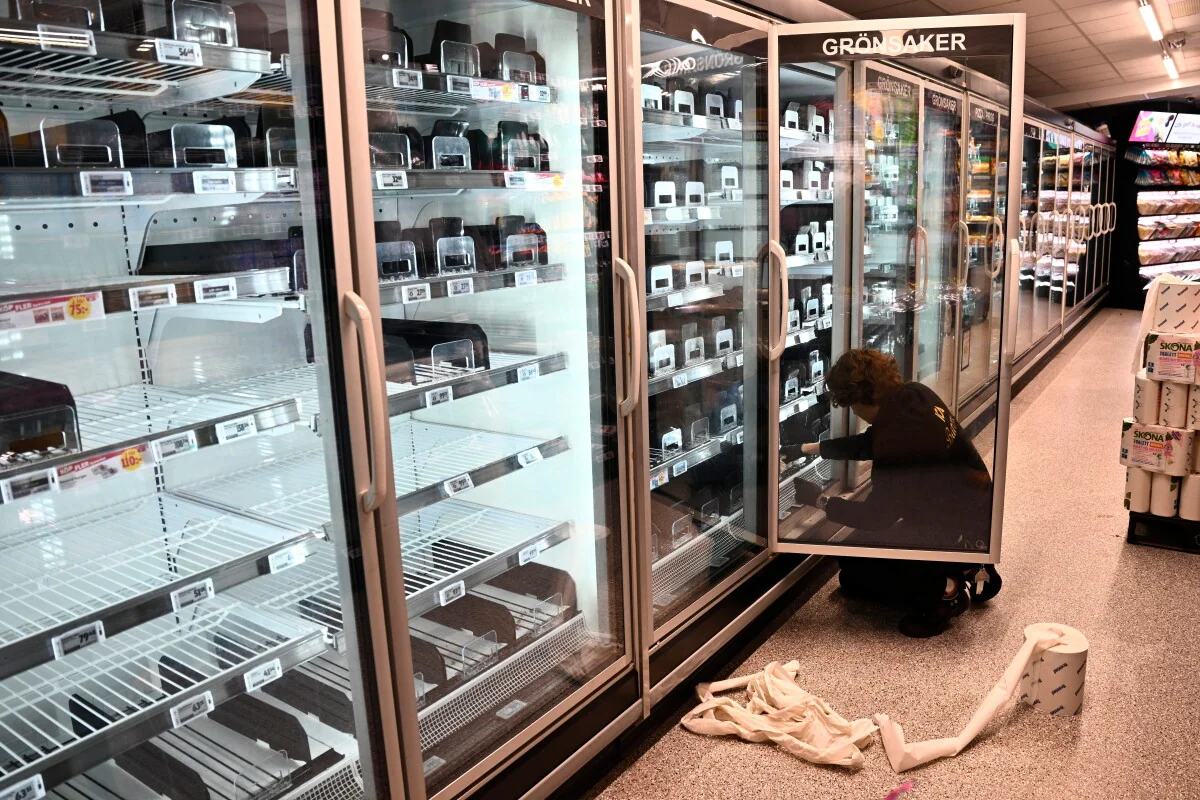
Des cyberattaques apparentes frappent les congélateurs de supermarchés dans plusieurs pays européens
Apparent Cyberattacks Strike Supermarket Freezers Across Several European Countries
Des cyberattaques apparentes frappent les congélateurs de supermarchés dans plusieurs pays européens
Apparent Cyberattacks Strike Supermarket Freezers Across Several European Countries
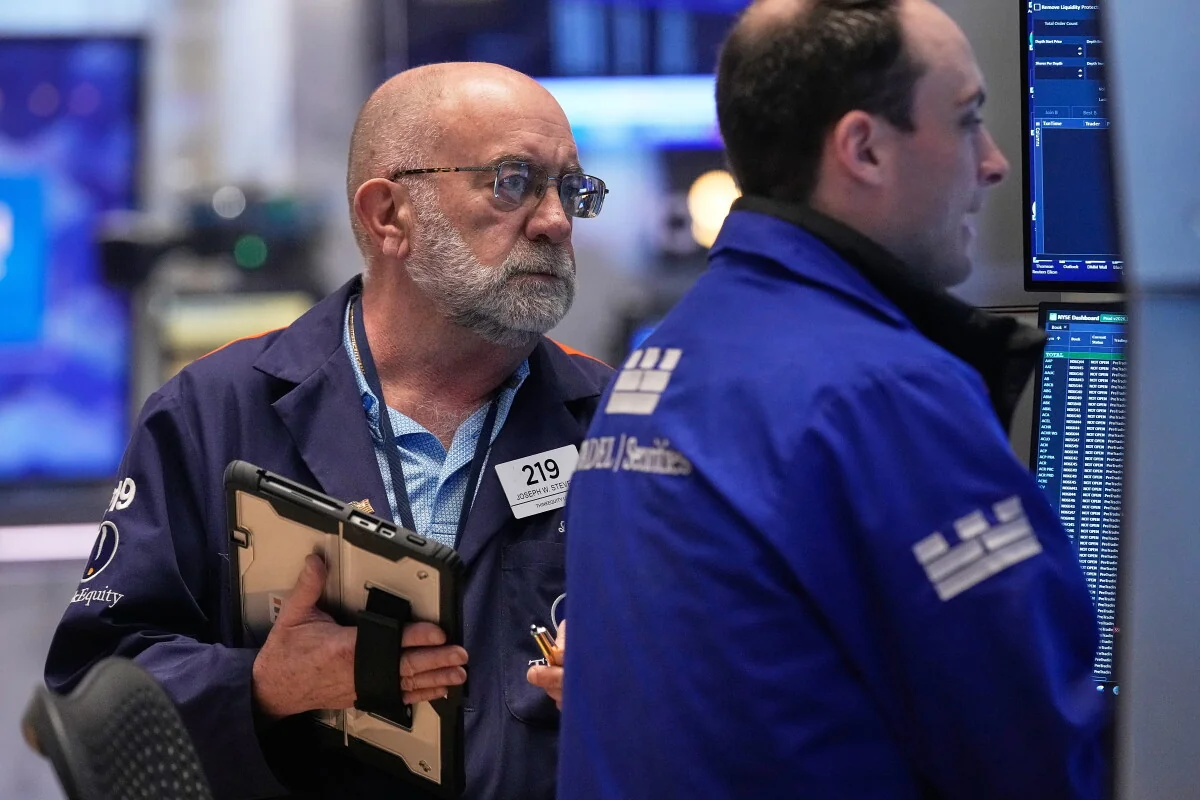
Les gains supplémentaires des valeurs liées à l’IA et à la technologie éclipsent la progression générale de Wall Street
Further Slides in AI and Tech Equities Eclipse Broader Wall Street Advances
Les gains supplémentaires des valeurs liées à l’IA et à la technologie éclipsent la progression générale de Wall Street
Further Slides in AI and Tech Equities Eclipse Broader Wall Street Advances
Meta reporte la révision de ses conditions commerciales face au tollé suscité par un possible moissonnage de données des sites d'actualité
Meta Defers Revised Business Terms Amid Outcry Over Potential Web Scraping of News Sites
Meta reporte la révision de ses conditions commerciales face au tollé suscité par un possible moissonnage de données des sites d'actualité
Meta Defers Revised Business Terms Amid Outcry Over Potential Web Scraping of News Sites
Anthropic déclare un chiffre d'affaires trimestriel de 17 milliards de dollars, mais les pertes persistent dans un nouveau dépôt de dossier d'introduction en bourse
Anthropic Reports $17B Quarterly Revenue, Yet Losses Persist in New IPO Filing
Anthropic déclare un chiffre d'affaires trimestriel de 17 milliards de dollars, mais les pertes persistent dans un nouveau dépôt de dossier d'introduction en bourse
Anthropic Reports $17B Quarterly Revenue, Yet Losses Persist in New IPO Filing

Une croissance et une inflation robustes dressent un portrait économique contrasté à quelques jours des élections de mi-mandat
Robust Growth and Inflation Present a Mixed Economic Portrait Days Ahead of Midterms
Une croissance et une inflation robustes dressent un portrait économique contrasté à quelques jours des élections de mi-mandat
Robust Growth and Inflation Present a Mixed Economic Portrait Days Ahead of Midterms
Starbucks invoque la résilience de ses ventes américaines alors que le chiffre d'affaires trimestriel déçoit les prévisions
Starbucks Cites Resilient US Sales as Quarterly Revenue Misses Forecasts
Starbucks invoque la résilience de ses ventes américaines alors que le chiffre d'affaires trimestriel déçoit les prévisions
Starbucks Cites Resilient US Sales as Quarterly Revenue Misses Forecasts
Amazon publie des résultats décevants pour le troisième trimestre et une prévision prudente pour les fêtes
Amazon Posts Disappointing 3Q Results, Offers Cautious Holiday Outlook
Amazon publie des résultats décevants pour le troisième trimestre et une prévision prudente pour les fêtes
Amazon Posts Disappointing 3Q Results, Offers Cautious Holiday Outlook
La chute historique de l'action Alphabet entraîne le marché américain vers le bas
Alphabet’s Historic Stock Plunge Drags US Market Lower
La chute historique de l'action Alphabet entraîne le marché américain vers le bas
Alphabet’s Historic Stock Plunge Drags US Market Lower
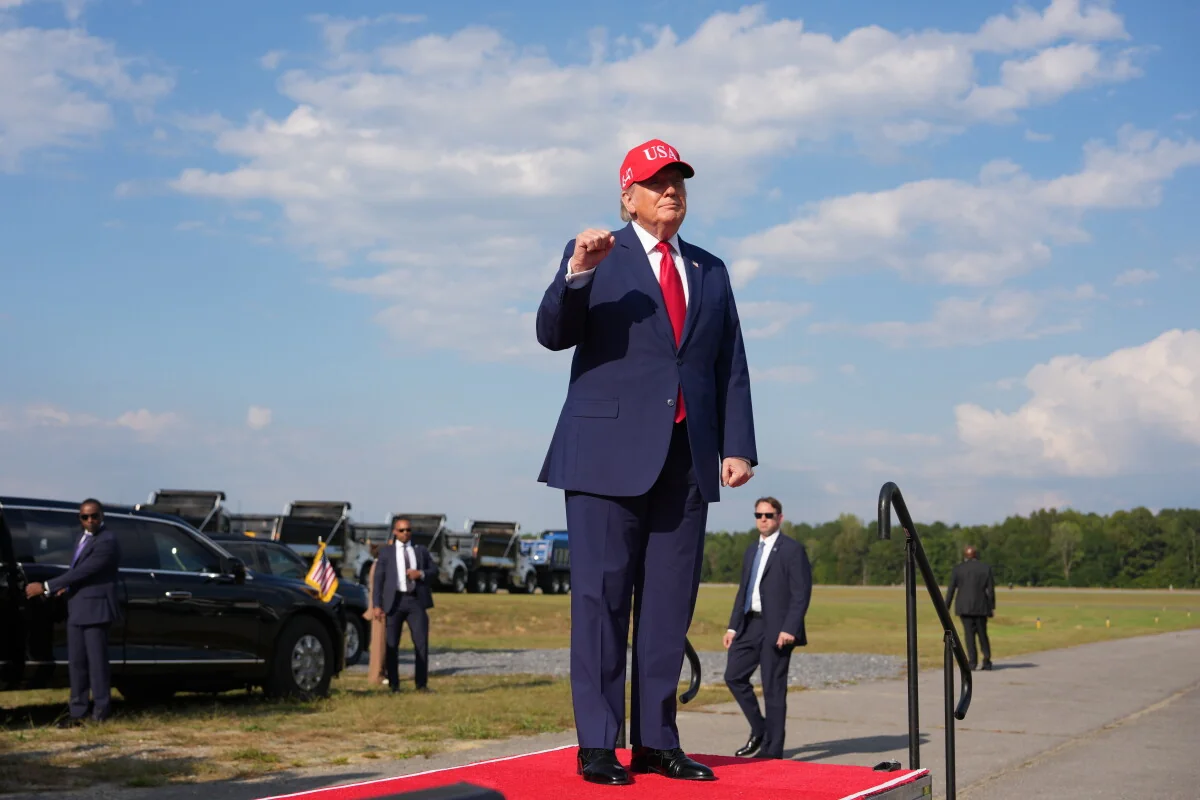
Le GOP compte sur le vote des agriculteurs alors qu'une récolte coûteuse suscite l'inquiétude ; Trump se rend au Kansas
GOP Relying on Farmers' Votes as Costly Harvest Stirs Concern; Trump Heads to Kansas
Le GOP compte sur le vote des agriculteurs alors qu'une récolte coûteuse suscite l'inquiétude ; Trump se rend au Kansas
GOP Relying on Farmers' Votes as Costly Harvest Stirs Concern; Trump Heads to Kansas
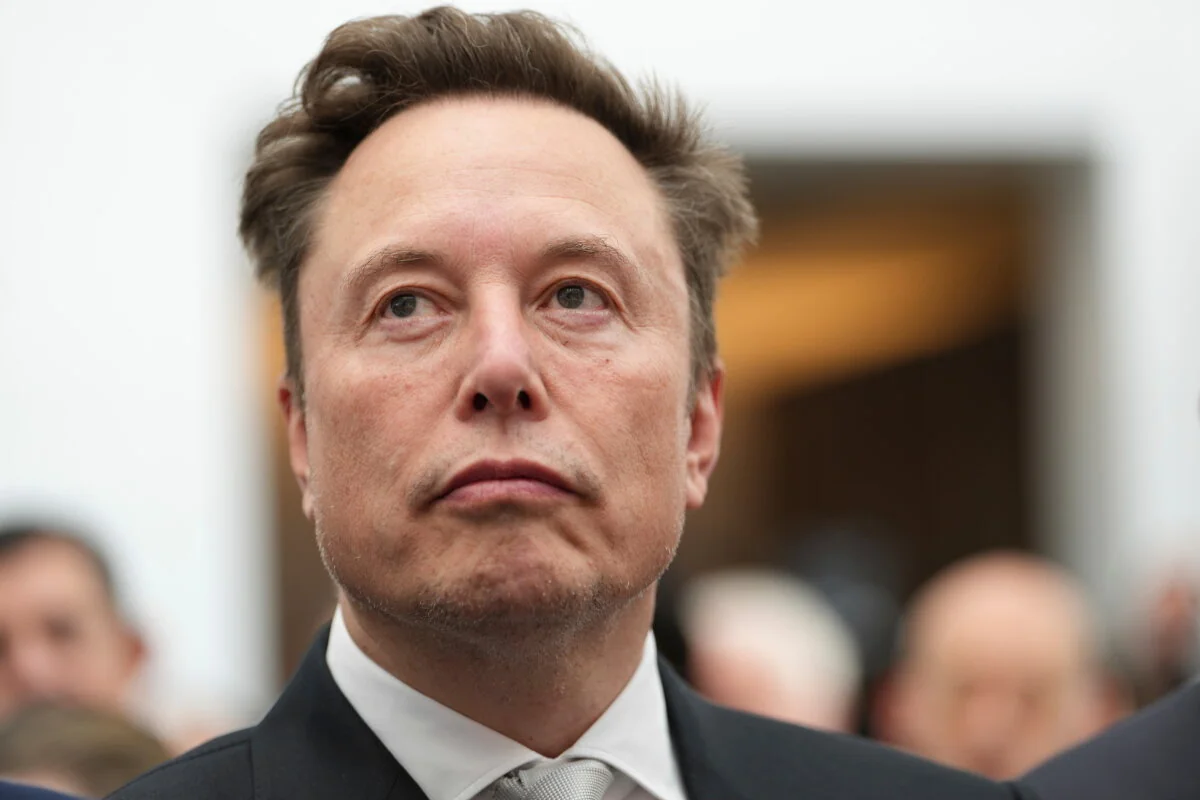
Musk promet d’attribuer une part de SpaceX à « chaque enfant en Amérique »
Musk vows to allocate a stake in SpaceX to ‘every kid in America’
Musk promet d’attribuer une part de SpaceX à « chaque enfant en Amérique »
Musk vows to allocate a stake in SpaceX to ‘every kid in America’