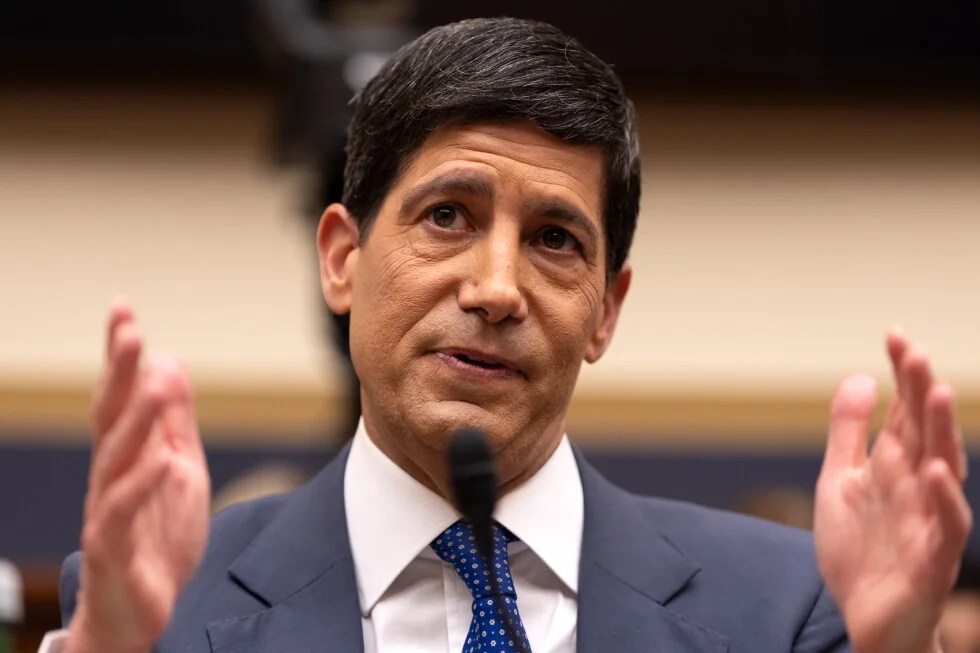
FRB議長ウォーシュ、インフレ、AI、トランプとの接触に関する上院の質問を回避
July 16th, 2026
FRB議長ウォーシュ、インフレ、AI、トランプとの接触に関する上院の質問を回避
🇯🇵 日本語
Federal Reserve Chair Kevin Warsh on Wednesday fielded a series of probing questions from senators concerning the effect of artificial intelligence on inflation, his communications with President Donald Trump, and the central bank's methodology for assessing the persistence of inflation, though he offered few concrete details.
Since taking office seven weeks ago, Warsh has stated that he would offer less guidance on the Fed's future interest rate moves than his predecessors did.
However, he has disappointed many Fed-watchers by largely avoiding explanations of how the central bank might generally respond to potential economic changes.
He noted that a one-time price change does not necessarily indicate inflation, as supply-side responses can offset it.
When asked about the impact of massive AI infrastructure investment, he said, "Will it increase measured prices over the next twelve months? I suspect it will. Whether that is inflationary is for the Federal Reserve to decide, and we will have something to say about that."
The cost of computer memory and processing chips has surged, as high-tech firms have invested hundreds of billions of dollars in data centers and computing infrastructure.
Companies including Apple, Microsoft, and Dell have stated that they were compelled to increase prices on laptops, tablets, and video game consoles as a consequence.
According to the minutes of the Fed's last meeting on June 16-17, "many" of the 19 officials on its rate-setting committee indicated that the "ongoing strong demand for AI infrastructure would likely sustain upward pressure on prices for technology products and electricity."
The committee has been sharply divided over whether to raise rates later this year.
During his second day of congressional testimony, Warsh also downplayed the positive inflation data released on Tuesday and Wednesday, which could have made his job as Fed chair easier.
As inflation recedes, the pressure on the Fed to raise its key interest rate to cool borrowing and spending diminishes.
The government announced on Wednesday that wholesale inflation decelerated in June, following reports that consumer prices had declined from May to June for the first time in six years.
On an annual basis, inflation moderated to 3.5% last month, down from 4.2% in May.
"Any central banker would be pleased to observe data trending in the right direction," he remarked, but "these are all imperfect indicators of the underlying inflation situation."
Instead, Warsh indicated that he would rely on a task force he had established to examine the sources of data used by the Federal Reserve.
He suggested that the task force could identify ways for government statistical agencies “to do a better job in an evolving economy.”
Warsh announced the formation of five task forces last week, which will also examine the Fed’s inflation framework, the impact of artificial intelligence on employment and productivity, and the Fed’s holdings of trillions of dollars in government bonds.
Warsh did outline one criterion the Fed would use when assessing whether inflation had become a persistent problem: it will consider whether price increases extend beyond a single sector, such as oil and gas, and are affecting "the generalized price level."
When Senator John Kennedy, a Republican from Louisiana, asked how the Federal Reserve would determine whether inflation is "temporary or permanent," Warsh replied, "You use five task forces to get to the big and hard questions."
Separately, Warsh reiterated that he would act independently as Fed chair and resist any political pressure from Trump, who has frequently called for lower interest rates.
However, he did not directly address whether he has communicated with Trump since being appointed.
Warsh said, in response to a question from Senator Chris Van Hollen, a Democrat from Maryland, that he does not wish to be involved in sharing discussions he has with the president.
He added, "I will reiterate what I have consistently communicated to the president and the Treasury Secretary: They selected an independent individual to fulfill this role, and I intend to do precisely that."
Trump repeatedly criticized Warsh's predecessor, Jerome Powell, for not cutting interest rates sufficiently, and his administration even instigated an investigation into a brief Senate testimony by Powell concerning a Federal Reserve building renovation, raising widespread concerns about the future of the Fed's independence.
July 16th, 2026
Trending Articles
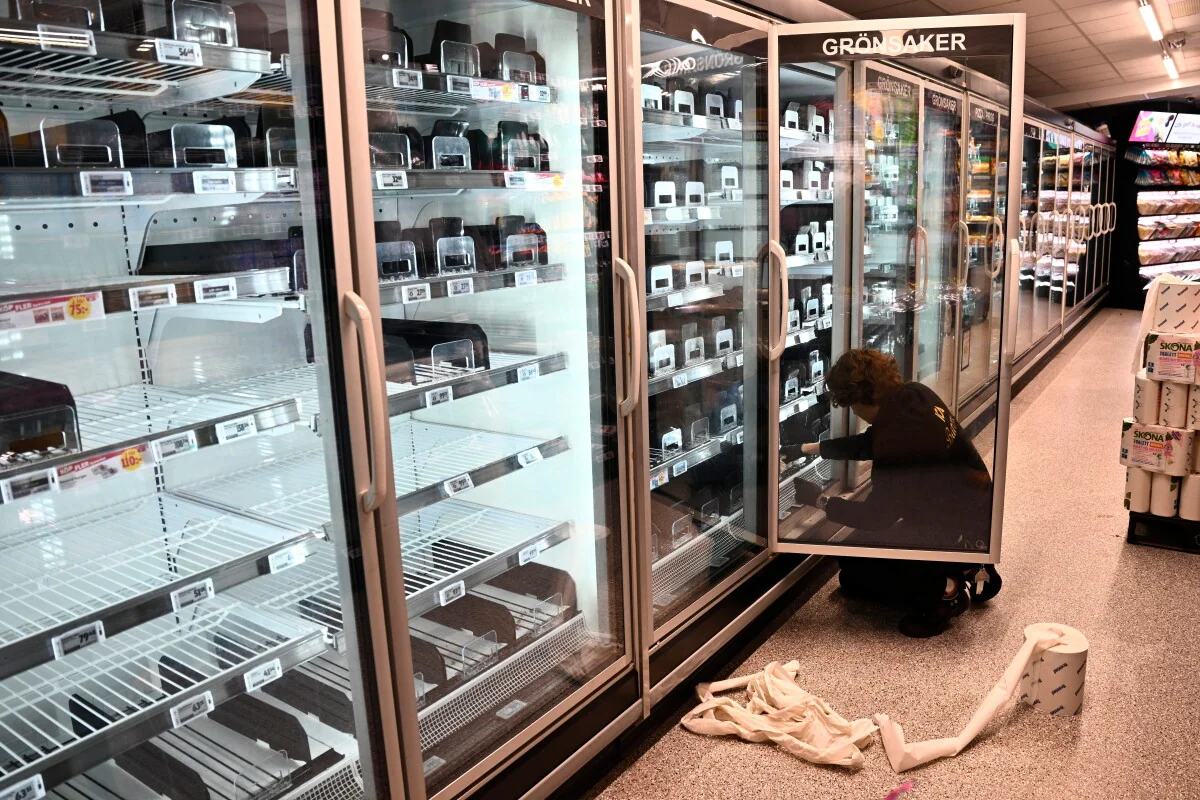
複数の欧州諸国でスーパーマーケットの冷凍庫がサイバー攻撃を受けた模様
Supermarket Freezers Across Several European Countries Hit by Apparent Cyberattacks
複数の欧州諸国でスーパーマーケットの冷凍庫がサイバー攻撃を受けた模様
Supermarket Freezers Across Several European Countries Hit by Apparent Cyberattacks
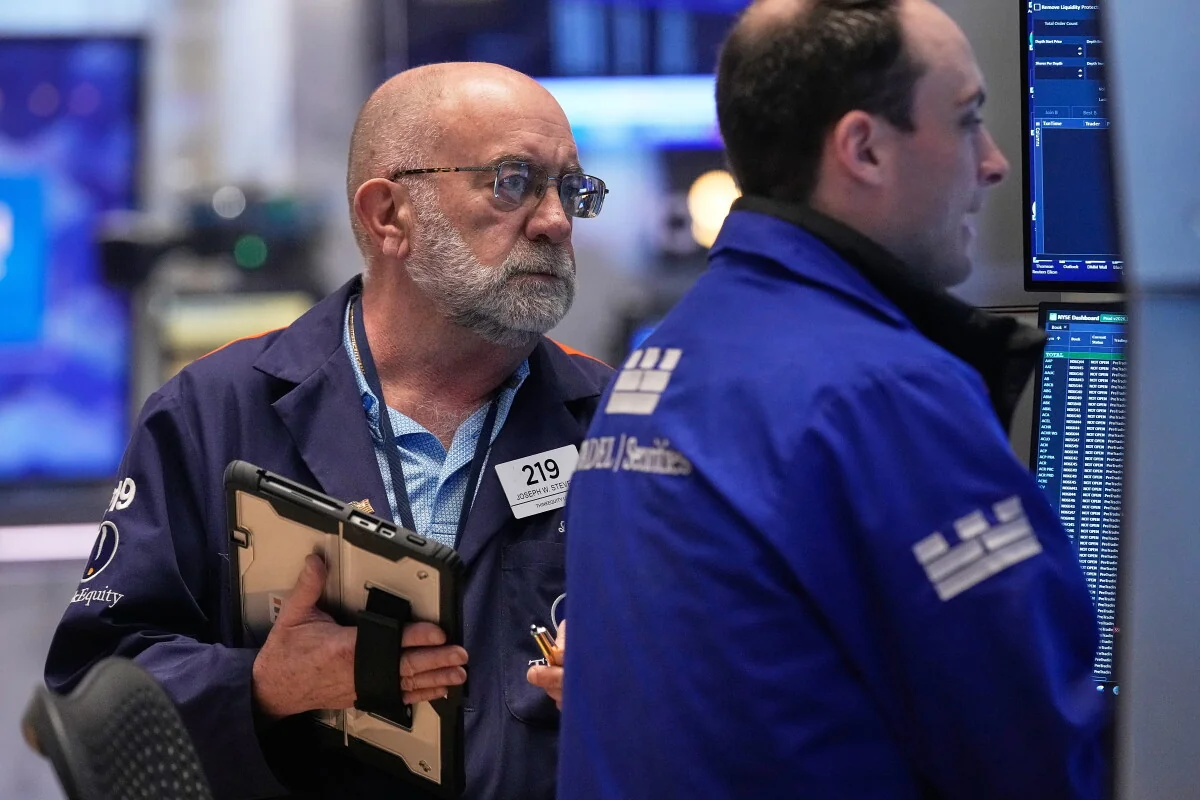
AI・テクノロジー株の一段の下落が、ウォール街の大半の上昇を打ち消す
Further declines in AI and tech stocks eclipse gains across most of Wall Street
AI・テクノロジー株の一段の下落が、ウォール街の大半の上昇を打ち消す
Further declines in AI and tech stocks eclipse gains across most of Wall Street
Meta、ニュースサイトのウェブスクレイピングの可能性をめぐる反発を受け、新たなビジネス条件を延期
Meta postpones new business terms following backlash over possible web scraping of news sites
Meta、ニュースサイトのウェブスクレイピングの可能性をめぐる反発を受け、新たなビジネス条件を延期
Meta postpones new business terms following backlash over possible web scraping of news sites
Anthropicは新規IPO申請において、四半期収益170億ドルを報告するも損失が継続していると明らかにした
Anthropic reports $17B quarterly revenue yet sustained losses in new IPO filing
Anthropicは新規IPO申請において、四半期収益170億ドルを報告するも損失が継続していると明らかにした
Anthropic reports $17B quarterly revenue yet sustained losses in new IPO filing

中間選挙を数日後に控え、力強い成長とインフレが混然とした経済像を描き出す
Strong Growth and Inflation Paint a Mixed Economic Picture Days Before Midterms
中間選挙を数日後に控え、力強い成長とインフレが混然とした経済像を描き出す
Strong Growth and Inflation Paint a Mixed Economic Picture Days Before Midterms
スターバックス、四半期売上高は予想を下回るも米国販売が明るい材料に
Starbucks reports US sales as bright spot despite quarterly revenue missing forecasts
スターバックス、四半期売上高は予想を下回るも米国販売が明るい材料に
Starbucks reports US sales as bright spot despite quarterly revenue missing forecasts
アマゾン、第3四半期は失望的な結果を発表し、慎重なホリデーシーズンの見通しを示す
Amazon posts disappointing 3Q results and offers cautious holiday outlook
アマゾン、第3四半期は失望的な結果を発表し、慎重なホリデーシーズンの見通しを示す
Amazon posts disappointing 3Q results and offers cautious holiday outlook
アルファベットの歴史的な株価急落が米国市場を押し下げる
Alphabet's Historic Stock Plunge Drags Down the US Market
アルファベットの歴史的な株価急落が米国市場を押し下げる
Alphabet's Historic Stock Plunge Drags Down the US Market
共和党は農家の票に依存している;トランプがカンザス州へ向かう中、高コストの収穫が懸念を呼ぶ
GOP Relies on Farmers' Votes; Costly Harvest Raises Concerns as Trump Heads to Kansas
共和党は農家の票に依存している;トランプがカンザス州へ向かう中、高コストの収穫が懸念を呼ぶ
GOP Relies on Farmers' Votes; Costly Harvest Raises Concerns as Trump Heads to Kansas
マスク氏、スペースXの株式の一部を「アメリカのすべての子ども」に付与すると約束
Musk pledges to give a share of SpaceX to ‘every kid in America’
マスク氏、スペースXの株式の一部を「アメリカのすべての子ども」に付与すると約束
Musk pledges to give a share of SpaceX to ‘every kid in America’